Lina Irawan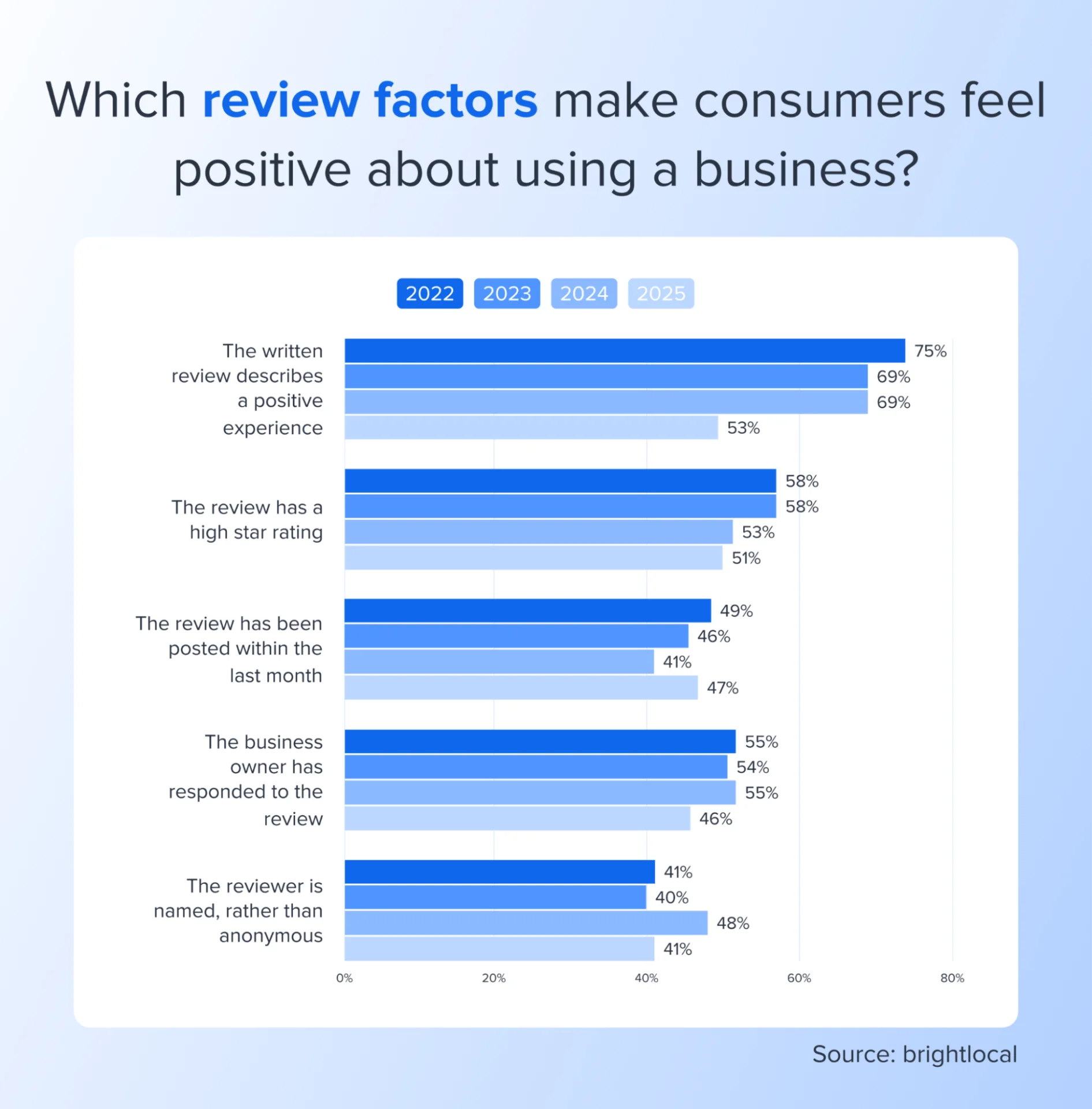
In the modern digital economy, a business’s reputation is no longer defined solely by its advertising budget or the quality of its storefront. It is defined by the cumulative voice of its customers. Every day, thousands of consumers take to platforms like Google, Yelp, and Facebook to share their experiences, effectively acting as the new curators of brand credibility.
For business owners—ranging from local cafes to global enterprises—online reviews have evolved into a primary engine for growth. Understanding this ecosystem is no longer optional; it is a fundamental requirement for survival. This article explores the mechanics of online reputation, analyzes critical industry data, and examines why mastering the art of review management is the definitive competitive advantage of the 2020s.
The Evolution of Consumer Trust: A Chronology of Influence
The journey of the online review began as a niche feature for e-commerce pioneers. In the early 2000s, reviews were largely seen as "nice-to-have" feedback mechanisms. However, the rise of the smartphone and the ubiquity of social media fundamentally altered this landscape.
![90+ Online Review Statistics Businesses Must Know [2026]](https://www.socialpilot.co/wp-content/uploads/2026/06/90-Online-Review-Statistics-Businesses-Must-Know.webp)
- The Early Phase (2000–2010): Platforms like Yelp and TripAdvisor emerged, shifting the power dynamic from the brand to the consumer. Reviews were primarily viewed as a way to "warn" or "praise" businesses within local communities.
- The Integration Phase (2010–2020): Google integrated reviews into its search algorithms, making star ratings visible directly on search result pages. This turned reviews into an SEO (Search Engine Optimization) factor. Suddenly, a business’s ranking in search results became tethered to its customer feedback.
- The Strategic Phase (2020–Present): Today, reviews are synonymous with social proof. With the advent of advanced analytics and review management software, businesses now treat reviews as a data-driven asset. They are no longer just public comments; they are actionable insights that dictate operational changes, marketing strategies, and revenue forecasts.
General Online Review Statistics: The Magnitude of Impact
To understand the weight of these digital testimonials, one must look at the hard data. Statistics consistently reveal that the average consumer considers online reviews to be as trustworthy as personal recommendations from friends or family.
According to industry surveys, over 90% of consumers read online reviews before making a purchase. Furthermore, the "trust threshold" is remarkably low; consumers often decide whether to patronize a business within the first three to five reviews they read. If a business fails to maintain a rating above 3.5 or 4 stars, they effectively vanish from the consideration set of the average shopper. This creates a high-stakes environment where a single negative review can cause a measurable dip in foot traffic or digital conversions.
Positive Feedback: The Currency of Loyalty
While businesses often fear the "double-edged sword" of public feedback, the power of positive reviews is frequently underestimated. Positive reviews do more than just improve an average rating; they act as a psychological trigger for prospective customers.
![90+ Online Review Statistics Businesses Must Know [2026]](https://www.socialpilot.co/wp-content/uploads/2026/01/Review-factors-that-make-customers-feel-positive-about-a-business.webp)
Key benefits of a robust portfolio of positive reviews include:
- Lower Acquisition Costs: When a brand has high ratings, the need for aggressive, costly advertising diminishes because the social proof does the heavy lifting.
- Increased Conversion Rates: Data indicates that products or services with high review counts and positive sentiment see conversion rates increase by up to 270% compared to those without.
- Customer Advocacy: Engaging with positive reviews reinforces customer loyalty. When a business takes the time to thank a reviewer, it signals to the entire community that the brand values its customers, turning one-time buyers into brand ambassadors.
The Platform Giants: Yelp, Google, and Facebook
Not all platforms function the same way. Each requires a distinct strategy to manage reputation effectively.
The Yelp Ecosystem
Yelp remains a powerhouse for local services and hospitality. Its algorithm is famously stringent, often filtering out reviews that it deems "not recommended." For business owners, this is a source of both frustration and security, as it prevents spam. However, maintaining a presence on Yelp requires a consistent, authentic flow of customer engagement.
![90+ Online Review Statistics Businesses Must Know [2026]](https://www.socialpilot.co/wp-content/uploads/2026/06/Breakdown-of-Yelp-reviews-contributed-in-2025.webp)
The Google Monopoly
Google My Business (GMB) is arguably the most critical touchpoint. Because it is tied directly to Google Maps and Search, it is the first point of contact for local intent. Statistics show that businesses with a complete and active GMB profile are 70% more likely to attract physical visits. The integration of Google reviews into the "Local Pack" (the map box that appears at the top of search results) means that reviews are now a non-negotiable component of local SEO.
The Social Nature of Facebook
Facebook (now utilizing the "Recommendations" system) operates on social trust. Because reviews are attached to real profiles, the weight of a recommendation on Facebook feels more personal. Businesses that ignore their Facebook page often find that they are losing out on a demographic that values peer-to-peer verification over corporate marketing.
Industry-Specific Realities: Healthcare, Hospitality, and B2B
The impact of reviews is not uniform across industries; it is intensified by the nature of the service provided.
![90+ Online Review Statistics Businesses Must Know [2026]](https://www.socialpilot.co/wp-content/uploads/2026/06/Leading-reasons-Yelp-removed-reported-reviews-in-2025.webp)
- Healthcare: Trust is the primary currency. Patients rely heavily on reviews to evaluate the bedside manner, wait times, and clinical outcomes of providers. A negative review in healthcare can be far more damaging than in retail, as the stakes involve personal health and well-being.
- Hospitality: In the travel and dining sector, reviews are the lifeblood of the business. Platforms like TripAdvisor and specialized hotel review sites dictate booking volumes. A drop of even 0.5 stars in this industry can lead to a double-digit decline in annual revenue.
- Software and B2B: In the B2B space, the decision-making process is longer and involves more stakeholders. Prospective clients look for detailed, professional reviews on sites like G2 or Capterra. Here, the sentiment of the review matters more than the volume; a detailed critique of software usability is often more influential than a generic five-star rating.
The Strategic Imperative: Why You Cannot Ignore the Conversation
The cost of ignoring online reviews is not just missed opportunities; it is the active erosion of your brand’s integrity. When a business chooses not to respond to reviews—both positive and negative—it sends a signal that the brand is either disconnected or indifferent to its customers.
1. Reputation Management as Crisis Control: A negative review is not always a disaster; it is an opportunity. A professional, empathetic response to a complaint can demonstrate excellent customer service to everyone reading the thread, often neutralizing the negative impact of the original complaint.
- Algorithm Favorability: Search engines reward activity. Responding to reviews, updating business information, and encouraging new feedback tells platforms like Google that your business is active and relevant, which boosts your visibility.
- Market Intelligence: Reviews are, essentially, free market research. They reveal what customers love, what they hate, and what they expect from your competitors. This data can inform product development, staffing levels, and service improvements.
Emerging Trends: The Future of Feedback
The landscape is shifting toward more nuanced feedback. We are seeing the rise of "video reviews" and AI-driven sentiment analysis. AI tools are now capable of scanning thousands of reviews to identify patterns—such as a recurring complaint about a specific staff member or a specific product feature—that a human manager might miss.
![90+ Online Review Statistics Businesses Must Know [2026]](https://www.socialpilot.co/wp-content/uploads/2026/01/Googles-share-of-online-reviews-for-different-industries.webp)
Furthermore, the demand for transparency is at an all-time high. Consumers are becoming more adept at spotting "fake" reviews, leading to a premium on verified, authentic, and detailed feedback.
Conclusion: Taking Control of the Narrative
Whether you are managing a small boutique or a global conglomerate, your online reputation is being written every single day. The question is not whether people are talking about your business, but whether you are part of that conversation.
By leveraging dedicated review management tools—such as those offered by platforms like SocialPilot—businesses can aggregate their feedback, respond in real-time, and analyze the data to drive smarter business decisions. The digital verdict is in: online reviews are the single most influential factor in modern consumer behavior. By embracing this reality and proactively managing your digital presence, you can turn the voice of the customer into your greatest strategic asset.


 Evan Lee Salim
 Iffa Jayyana