Asep Darmawan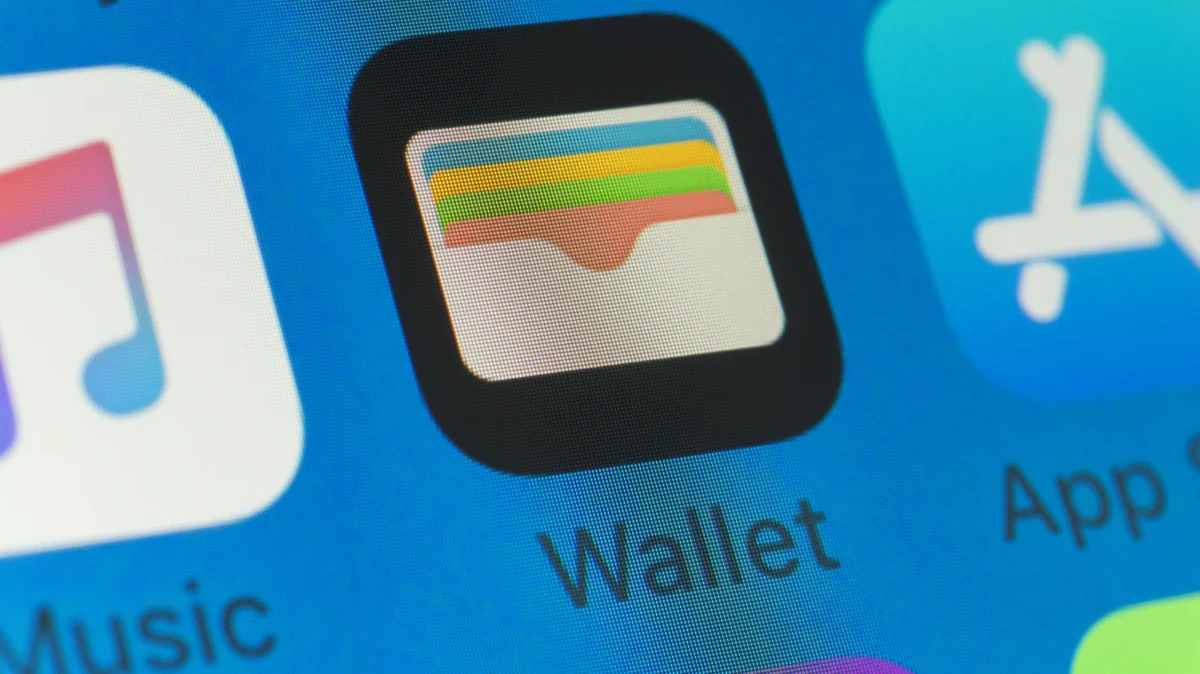
In the modern landscape of personal finance, the smartphone has replaced the leather billfold. For millions of Apple users, the transition from physical plastic cards to digital convenience is facilitated by two central, yet frequently conflated, components of the iOS ecosystem: Apple Wallet and Apple Pay. While these terms are often used interchangeably in casual conversation, they represent fundamentally different technologies—one acting as a secure repository, the other as a sophisticated transmission mechanism. Understanding the nuance between these two is essential for navigating the secure, cashless future Apple has meticulously engineered.
Main Facts: The Functional Divide
At its core, the distinction is simple: Apple Wallet is the "container," while Apple Pay is the "delivery system."
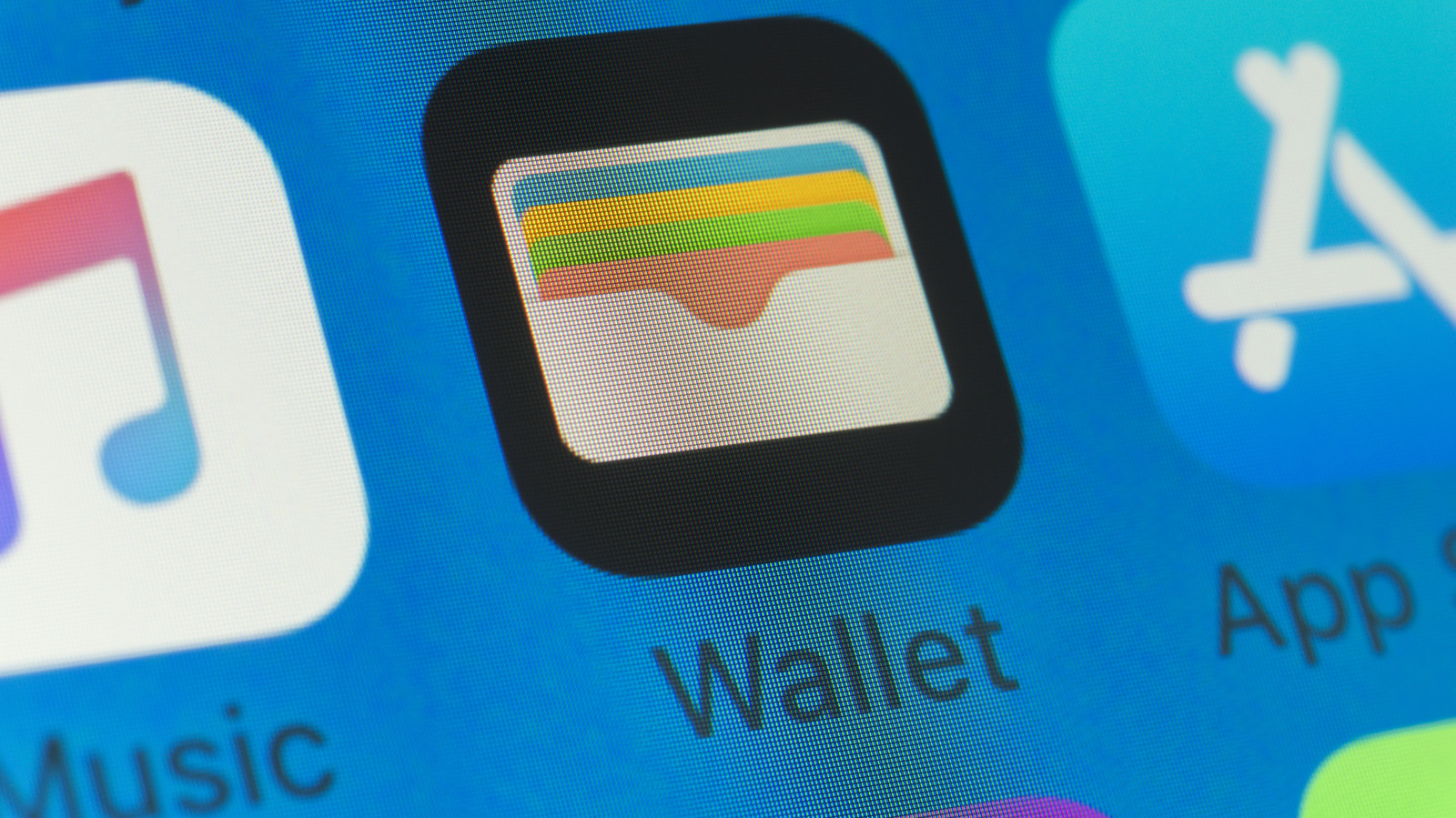
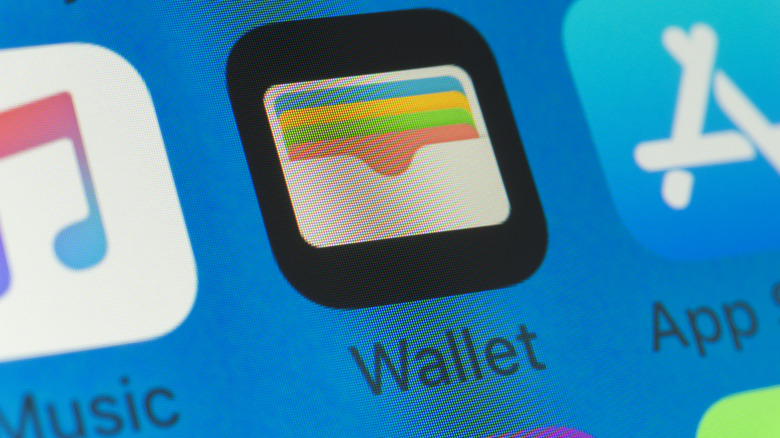
Apple Wallet is an application native to iOS and watchOS. It serves as a digital organizer for your sensitive personal items. Beyond credit and debit cards, the Wallet app acts as a secure hub for state-issued IDs, auto insurance cards, boarding passes, concert tickets, loyalty program credentials, and even hotel room keys. When you open the Wallet app, you are looking at a localized storage interface—a digital vault that holds the representations of your physical assets.
Apple Pay, conversely, is not an app you open to "store" things. It is the proprietary payment service that enables the secure execution of transactions. When you hold your iPhone or Apple Watch near an NFC (Near Field Communication) terminal at a retail checkout, you are invoking Apple Pay. It is the invisible handshake between your device’s secure hardware and the merchant’s payment processor.
The relationship is symbiotic: Apple Pay requires the cards stored within Apple Wallet to function, but Apple Wallet can perform many of its duties—such as displaying a concert ticket or a membership card—without ever invoking the Apple Pay payment infrastructure.
Chronology: The Evolution of Digital Transactions
The journey toward the current state of Apple’s financial ecosystem did not happen overnight. It was a calculated rollout that transformed the iPhone from a communication device into a comprehensive financial terminal.
The Genesis: Passbook (2012)
The foundation of the modern Wallet was "Passbook," introduced with iOS 6. At the time, it was a relatively simple aggregator for movie tickets, boarding passes, and retail coupons. It did not handle financial transactions; it was merely a digital filing cabinet for barcodes and QR codes.
The Financial Pivot: Apple Pay (2014)
In September 2014, Apple revolutionized the industry by introducing Apple Pay. By partnering with major credit card networks (Visa, Mastercard, American Express), Apple enabled the iPhone 6 and later models to use NFC technology to pay at retail locations. This was the moment "Passbook" evolved from a static display tool into a dynamic payment participant.
The Rebranding: Apple Wallet (2015)
With the release of iOS 9, Apple officially rebranded Passbook as "Apple Wallet." This was a symbolic shift, signaling that the application was no longer just for "passes," but for the actual management of money and identity.
The Expansion: Apple Cash and Beyond (2017–Present)
In 2017, Apple introduced Apple Cash (originally Apple Pay Cash), bringing peer-to-peer (P2P) payments into the ecosystem. This allowed users to send money via iMessage, effectively competing with services like Venmo and Cash App. In recent years, Apple has continued to expand the Wallet’s capabilities, adding support for state digital IDs, student badges, and corporate credentials, further cementing its role as the primary interface for physical-to-digital authentication.
Supporting Data: Security and the "Device Account Number"
A common misconception is that Apple transmits your actual credit or debit card number to a merchant during a transaction. If this were the case, a compromised merchant database would lead to widespread card fraud. Instead, Apple utilizes a sophisticated security protocol known as "tokenization."
The Secure Element
Every Apple device capable of using Apple Pay includes a dedicated, tamper-resistant chip called the "Secure Element." When you add a card to your Wallet, the card network replaces your actual 16-digit card number with a unique "Device Account Number" (DAN).
The Transaction Flow
- Authentication: When you initiate a payment, you must authenticate via Face ID, Touch ID, or your device passcode. This ensures that only the device owner can authorize a charge.
- Tokenized Transmission: The Secure Element provides the merchant with the DAN and a dynamic, one-time security code (cryptogram) unique to that specific transaction.
- Verification: The merchant’s terminal sends this information to the payment network, which verifies the cryptogram against the DAN. The merchant never receives your real card number, and Apple does not store your transaction history on its servers.
Users can verify this system by navigating to their card settings in the Wallet app. By tapping the "Card Details" menu, one can view the last four digits of the DAN—which will typically differ from the last four digits of the physical plastic card. This distinction is the definitive proof of the security layer Apple Pay provides.
Official Responses: Privacy as a Product
Apple has consistently positioned its financial services as a "privacy-first" alternative to traditional banking and third-party payment processors. In official documentation and keynote presentations, Apple executives have underscored three core pillars of their financial philosophy:
- No Tracking: Apple asserts that it does not track what you buy, where you buy it, or how much you spend. Unlike credit card companies or ad-tech platforms, Apple’s business model does not rely on monetizing transaction data.
- Data Minimization: Apple provides only the information necessary to complete the transaction. The merchant receives no access to your name, billing address, or other personal identifiers unless you explicitly choose to share them (such as for shipping purposes).
- Hardware-Based Security: Because the security is handled by the Secure Element and the device’s local biometric sensors, the financial data is effectively "air-gapped" from the cloud. Even if an Apple server were breached, there would be no card numbers to steal because they aren’t stored there.
Implications: The Future of the "Wallet-less" Society
The separation of Apple Wallet and Apple Pay has profound implications for the future of commerce and personal identity.
For Merchants
Retailers have been forced to upgrade their point-of-sale infrastructure to support NFC payments. While this was initially a costly endeavor, the ubiquity of Apple Pay has made it a standard expectation for consumers. Merchants who lack "tap-to-pay" capabilities are increasingly viewed as outdated, putting pressure on small businesses to modernize.
For Financial Institutions
Banks and credit unions have had to adapt to a world where they are no longer the primary consumer-facing interface. While they still hold the funds, the user experience is curated entirely by Apple. This "disintermediation" creates a challenge for banks attempting to maintain brand loyalty when the user interacts with their bank card only through the Apple interface.
For the Consumer
The primary implication is convenience, but it comes with a trade-off: Platform Dependency. As users store more of their life—house keys, car keys, health insurance cards, and IDs—within the Apple Wallet, the "switching cost" of moving to an Android device becomes significantly higher. Apple has successfully created a digital ecosystem that is both highly secure and highly sticky.
The Peer-to-Peer Frontier
With the rise of Apple Cash, the company is further embedding itself into the social fabric of its users. The ability to "Tap to Cash" (a feature allowing users to send money by holding two iPhones together) blurs the lines between digital and physical interaction. It suggests that the future of money is not just "digital," but "contextual"—money moves as easily as sending a text message.
Conclusion
To summarize the distinction: Apple Wallet is the library, and Apple Pay is the librarian. One organizes your assets, and the other manages the transaction of those assets. While they operate in tandem to create a seamless user experience, recognizing their differences is key to understanding how your data, your money, and your identity are managed in an increasingly digital world. As Apple continues to integrate more forms of identification and payment into this ecosystem, the Wallet app will undoubtedly remain the most important, and most used, application on the modern smartphone.

 Nila Kartika Wati
 Nana
Nana