Nana
Nana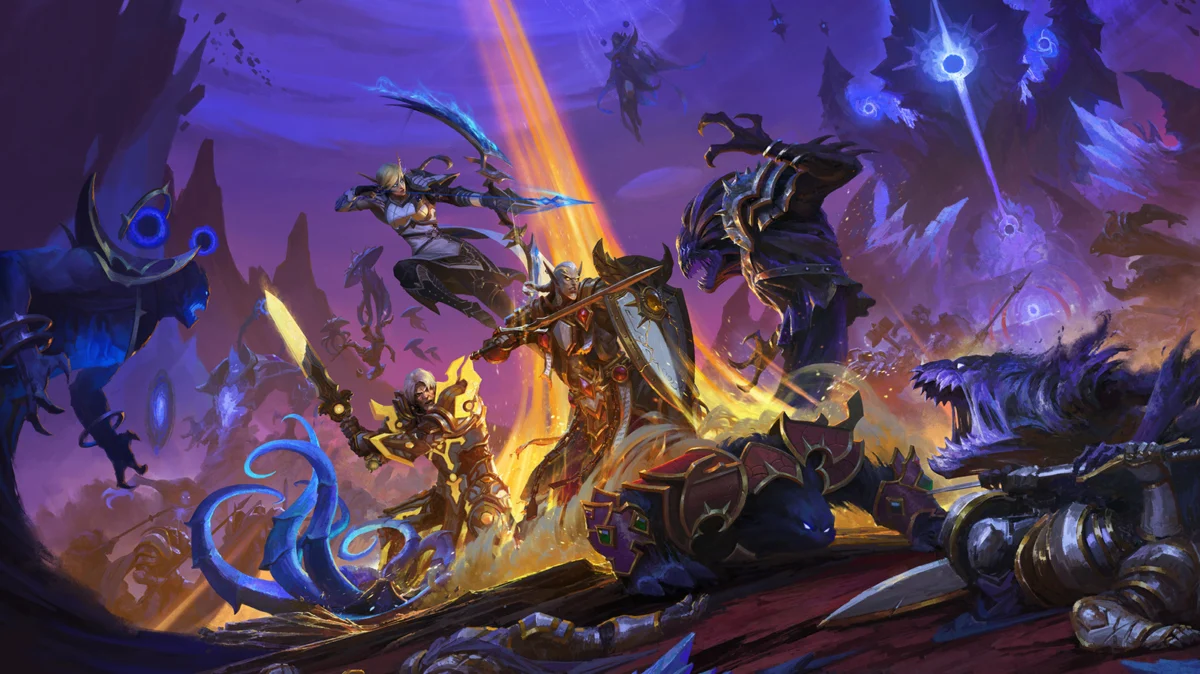
In a move that marks a tectonic shift for the gaming industry, approximately 1,900 Blizzard Entertainment employees, represented by the Communications Workers of America (CWA), have officially ratified their inaugural union contracts. This historic milestone, reached after two years of rigorous and at times contentious bargaining, establishes a new blueprint for labor relations within the multi-billion-dollar video game sector.
The ratification signals a maturation of the movement among game developers to demand better working conditions, transparency, and job security in an industry long characterized by high turnover, "crunch" culture, and volatility.
Main Facts: The Anatomy of the Deal
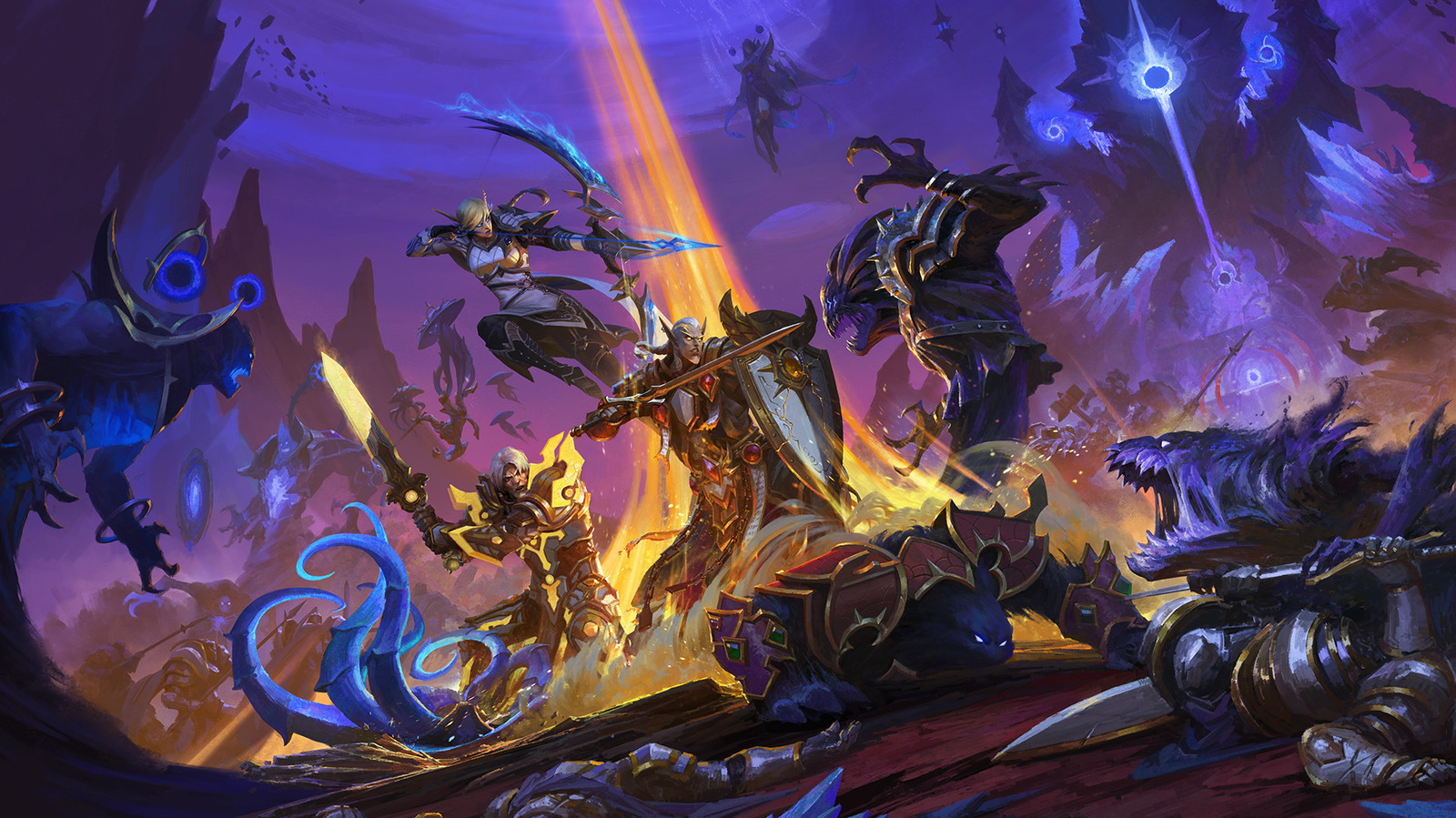
The newly ratified agreements cover a vast cross-section of Blizzard’s workforce, ranging from quality assurance testers to developers across some of the company’s most iconic franchises, including World of Warcraft, Overwatch, Diablo, Hearthstone, and Warcraft Rumble.
The contracts provide a comprehensive suite of protections and benefits, most notably:
- Wage Increases: Structured salary bumps aimed at closing pay gaps and keeping pace with the rising cost of living in major tech hubs.
- "Just Cause" Protections: A critical clause that limits the company’s ability to fire employees arbitrarily, requiring a documented, justifiable reason for termination.
- Hybrid Work Flexibility: A standardized three-day in-office requirement, providing clarity and predictability for staff balancing remote and office environments.
- AI Oversight: In a forward-looking provision, the agreement mandates that Blizzard must "discuss, evaluate, and bargain" over the implementation and usage of artificial intelligence in the workplace. This is arguably the most significant aspect of the deal, as it gives workers a seat at the table regarding the automation of their own creative and technical tasks.
- Layoff Security: Perhaps most pertinent in the current climate, the contract grants workers a 14-month "recall right," allowing them priority to return to open positions within any Blizzard bargaining unit should they be laid off. Additionally, all employees are guaranteed an extra four weeks of severance pay, regardless of their tenure.
The Chronology of a Movement
The path to this ratification was not paved overnight. It is the culmination of years of grassroots organizing, spurred by widespread frustration regarding workplace culture, pay inequality, and a lack of transparency from executive leadership.
2021–2022: The Catalyst
The seeds of unionization were sown following intense scrutiny of Blizzard’s workplace culture. As reports of systemic issues surfaced, employees began to organize, initially focusing on Quality Assurance (QA) units. QA teams, which often face the lowest pay and highest job insecurity, became the vanguard of the labor movement at the company.
2023: Broadening the Scope
Throughout 2023, the momentum expanded beyond QA. Developers working on World of Warcraft, Overwatch, and other high-profile titles began filing for union elections. The strategy was clear: create a wall-to-wall union presence that would be impossible for management to ignore. By the time Microsoft completed its acquisition of Activision Blizzard, the unionization wave had already gained significant traction.
2024: The Final Stretch
The final year of negotiations involved navigating the complexities of a changing corporate landscape under Microsoft’s stewardship. Despite the corporate shifts, the CWA and Blizzard bargaining committees remained focused on codifying the protections that had been the primary goal since the movement’s inception. The ratification vote serves as the official conclusion to this two-year cycle of negotiation.
Supporting Data: Why This Matters Now
The gaming industry has been in a state of crisis regarding job stability. Over the past two years, the sector has seen tens of thousands of layoffs. Major publishers, including Blizzard’s parent company, Microsoft, and its Xbox division, have significantly reduced their headcount, citing the need for "efficiency" and long-term sustainability following the post-pandemic market correction.
Against this backdrop, the "recall rights" and severance protections negotiated by the CWA provide a rare, tangible safety net for developers. Industry analysts point out that in an era where AI threatens to displace entry-level roles—the very roles often held by the junior staff in these bargaining units—the requirement to bargain over AI implementation is not just a perk; it is a defensive strategy for the future of the profession.
Furthermore, the scale of the contract—covering 1,900 workers—makes it one of the largest and most influential labor agreements in the history of interactive entertainment. It sets a precedent that will likely be cited by workers at other major studios like Ubisoft, EA, and Riot Games, who have watched the Blizzard process with great interest.
Official Responses: A New Dialogue
The tone surrounding the ratification has been one of cautious optimism. For the workers, the contract is a testament to the power of collective bargaining.
Simon Hedrick, an Overwatch quality analyst and member of the bargaining committee, articulated the significance of the win: "I believe that the positive change we have won will ripple out and help make the games industry as a whole a better place for workers and players alike. This contract is the start of something greater, and I urge everyone to remember: when we fight together, we win together."
From the perspective of management, the ratification represents a shift from adversarial posturing to a formalized, contractual relationship with labor. While companies are historically resistant to unions, the reality of a unionized workforce at a flagship studio like Blizzard signals that top-tier gaming corporations are now operating in a reality where labor rights are an non-negotiable part of the business equation.
The Implications for the Gaming Industry
The ripple effects of this contract are expected to be profound, touching on several key pillars of the industry:
1. The "Standardization" of Game Dev Roles
By formalizing job descriptions, layoff procedures, and grievance processes, the Blizzard contract is moving the gaming industry toward the professionalization seen in sectors like film (via SAG-AFTRA or IATSE) or engineering. This shift may reduce the "rockstar developer" culture in favor of more sustainable, predictable career paths.
2. The AI Frontier
As the industry rushes to integrate Generative AI into asset creation, writing, and coding, the clause requiring Blizzard to bargain over AI usage is a groundbreaking development. It ensures that workers are not merely "managed" by AI but have a voice in how it is integrated into their creative workflows, potentially protecting against the wholesale displacement of human talent.
3. A Template for Further Organizing
The CWA’s success at Blizzard provides a roadmap for other studios. By targeting specific departments first (like QA) and then expanding to include broader development teams, the union demonstrated a successful "cell" model of organizing. Other unions will undoubtedly look to this model as they attempt to organize studios with decentralized workforces or hybrid work setups.
4. Impact on Player Experience
While some industry skeptics suggest that unions could lead to slower development cycles, proponents argue the opposite. A stable, fairly compensated, and secure workforce is inherently more productive and less prone to the "burnout" that has historically led to broken, unfinished, or delayed game releases. By securing the wellbeing of the workforce, the contract may ultimately contribute to higher quality games and more sustainable long-term support for live-service titles.
Conclusion
The ratification of these union contracts at Blizzard Entertainment is more than just a win for 1,900 employees; it is a signal that the culture of "game development as a sacrifice" is finally being challenged. As the industry grapples with technological disruption, economic headwinds, and changing consumer expectations, the presence of a strong, contractually protected labor force will be a defining feature of the next decade of gaming.
The success of the CWA at Blizzard is the beginning of a broader movement. For the thousands of developers, designers, and artists who continue to face uncertainty in a volatile market, this deal offers a glimmer of hope—a proof of concept that when labor organizes, it can secure its place in the future of the industry it builds. As the ink dries on these historic documents, the eyes of the entire gaming world will remain fixed on Blizzard, watching to see how these new protections translate into the day-to-day reality of making the games we play.

 Nila Kartika Wati
 Laily UPN