Laily UPN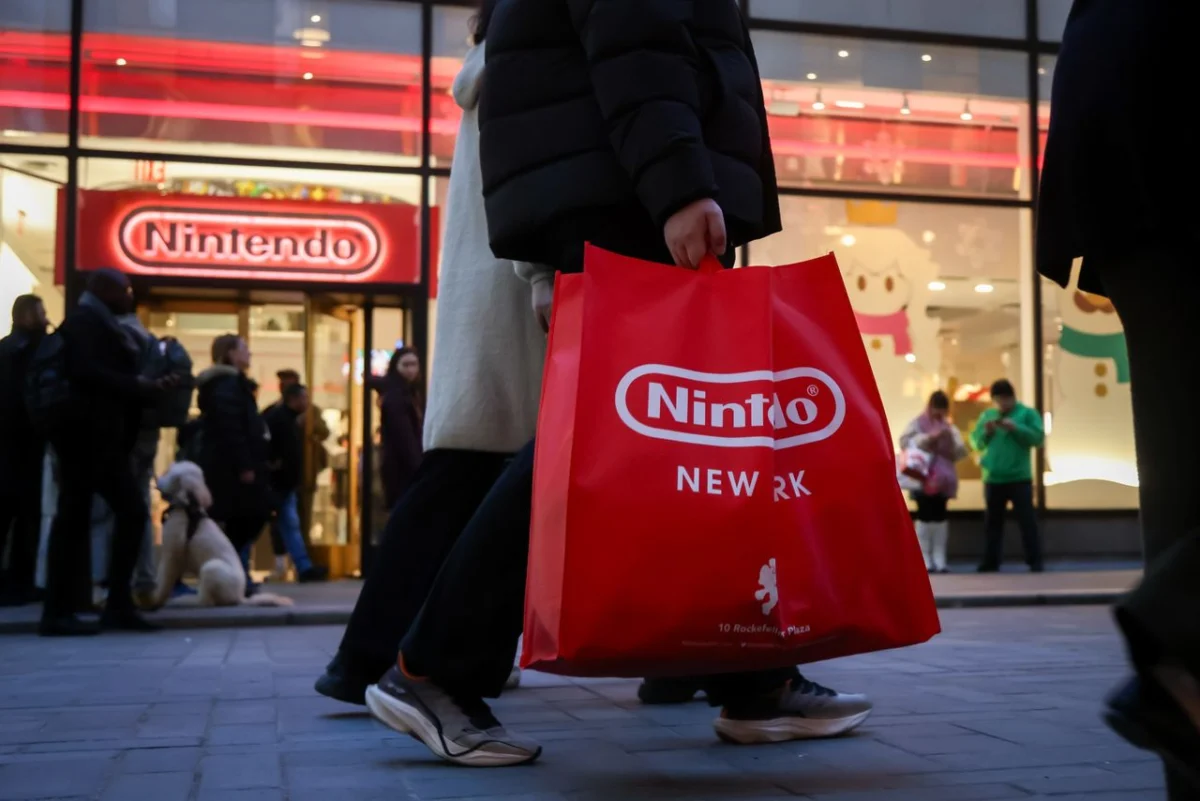
In an era where global trade policies often dictate the pricing of consumer electronics, Nintendo of America has found itself at the center of a complex legal and ethical firestorm. Following a massive $300 million refund from the U.S. government related to previously paid import tariffs, the gaming giant has launched a "Customer Appreciation Sale." However, rather than directly reimbursing the consumers who bore the brunt of price hikes during the Switch 2’s rollout, Nintendo is opting to reinvest those funds into promotional discounts. This decision has sparked widespread debate, fueling a class-action lawsuit and raising questions about corporate responsibility in the face of fluctuating international trade regulations.
The Genesis of the Conflict: Tariffs and Price Hikes
The controversy stems from the trade environment established during the Trump administration, which imposed significant tariffs on various imported goods, including electronics manufactured abroad. Nintendo, like many other multinational corporations, faced the difficult decision of how to absorb these additional costs.
When the Nintendo Switch 2 was initially introduced, the company faced immediate pressure. The resulting uncertainty in the supply chain and the financial burden of the tariffs led to significant logistical hurdles, including the delay of U.S. pre-orders. By May, the situation reached a breaking point, and Nintendo announced a $50 price increase for the Switch 2, bringing the retail cost to $499. At the time, Nintendo cited component shortages and broader economic pressures as the primary drivers of this hike. Consumers, however, saw the move as a direct response to the tariff burden being passed down to the end-user.
A Legal Battle for Restitution
The tension escalated when the U.S. Court of International Trade, following a Supreme Court ruling that deemed large swaths of those specific tariffs unlawful, paved the way for massive refunds. As the government began returning over $166 billion to businesses—with $100 billion already processed by the end of July—Nintendo secured $300 million in refunds.
This windfall created a point of contention. A group of consumers, feeling that they had already "paid the tax" through the increased purchase price of the hardware and accessories, filed a proposed class-action lawsuit. The plaintiffs argue that Nintendo is essentially being made whole twice: first by inflating consumer prices to cover the tariff costs, and second by receiving a government refund for those same duties.
Nintendo has aggressively contested these claims. In September, the company filed a formal motion to dismiss the lawsuit, maintaining that its pricing strategies are proprietary and that the refunds are corporate assets, not consumer rebates. The legal battle mirrors similar litigation faced by other industry giants, including Sony, suggesting that the industry as a whole is bracing for a protracted conflict over the ethics of "double-dipping" on trade relief.
The "Customer Appreciation Sale": A Strategic Response
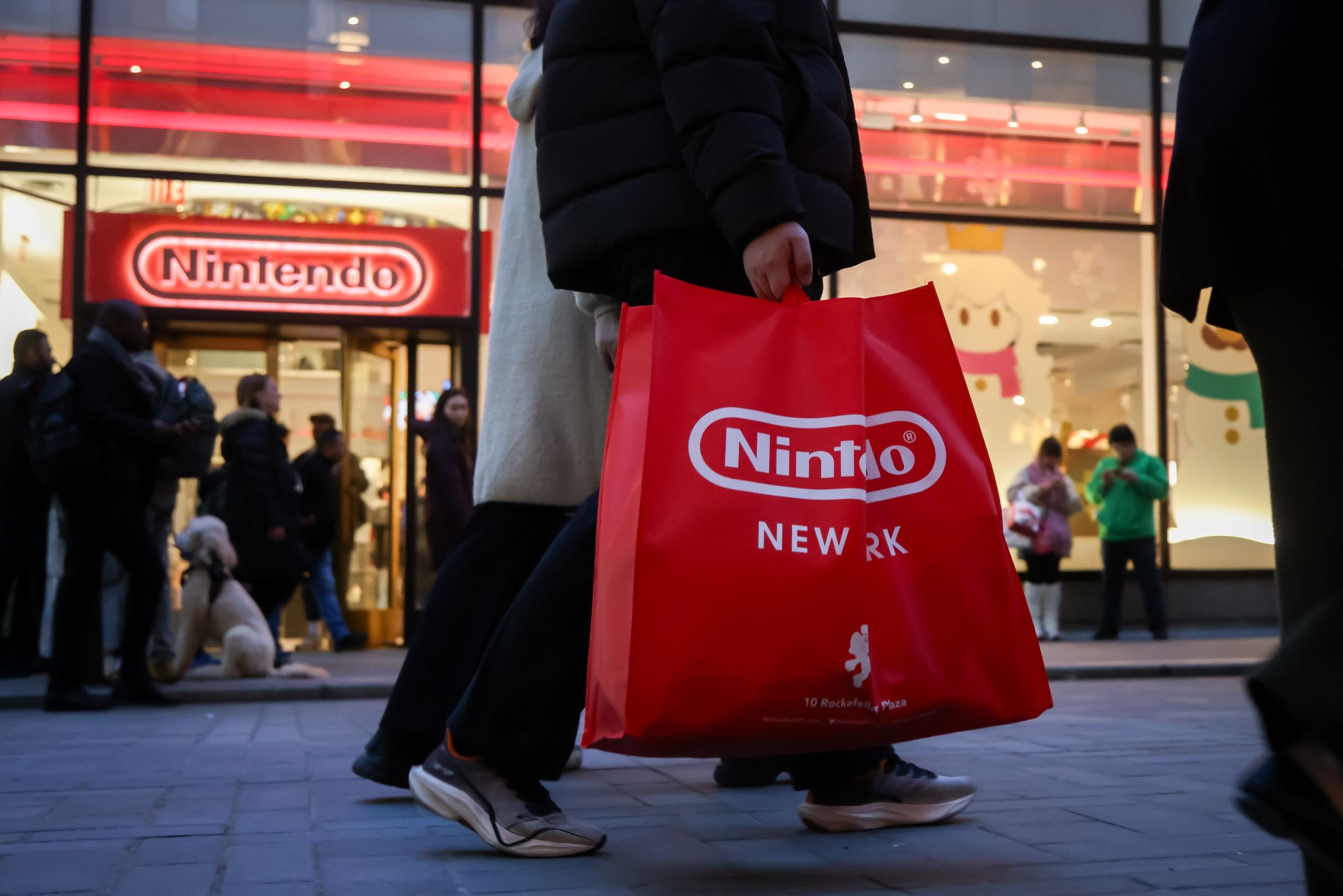
In the wake of these legal developments, Nintendo of America announced a two-week "Customer Appreciation Sale," running from September 13 to September 26. The promotion features 30% off a wide range of digital titles, hardware bundles, amiibo, accessories, and apparel across the Nintendo eShop and authorized retail partners.
In an official blog post, the company framed the event as a direct gesture of gratitude: "The Customer Appreciation Sale is our way of saying thank you to Nintendo players for their continued support and is made possible in part by tariff-related refunds. While Nintendo absorbed most tariff-related costs, the refunds helped make promotions like this one possible."
For many, this gesture feels like a calculated public relations maneuver. By framing the sale as a benefit derived from the refund, Nintendo attempts to create a narrative of "giving back." Yet, for the consumer who purchased the console at the $499 premium, a 30% discount on a game bundle may not provide the same financial satisfaction as a direct refund or a price adjustment.
Industry Comparison: Who Else is Returning Money?
Nintendo is not alone in receiving these refunds, but it is among the few that have acknowledged them publicly in the context of consumer pricing. The landscape of how companies handle these windfall refunds is varied.
While some corporations have chosen to keep the funds as profit to bolster shareholder value, others have faced pressure to be more transparent. For instance, the hardware manufacturer Panic—known for its boutique handheld, the Playdate—took a starkly different approach. When the dust settled on the tariff situation, Panic proactively reached out to its customers to issue direct refunds, acknowledging that the tariff costs had been passed on to them. This move has created a benchmark for ethical consumer interaction, putting companies like Nintendo under a microscope for their refusal to adopt a similar model.
Implications for Future Trade and Gaming Economics
The ramifications of this saga extend far beyond a single promotional sale. The Nintendo case serves as a litmus test for how tech companies will handle future geopolitical trade shifts. If the legal system ultimately sides with the companies, it solidifies the precedent that corporations have no obligation to pass government refunds back to customers, even when those customers were explicitly told that price hikes were a result of government-imposed duties.
Furthermore, this scenario highlights the growing divide between corporate financial strategies and the expectations of a modern, connected consumer base. In an era of social media, where pricing strategies are dissected in real-time, the "Customer Appreciation Sale" might be viewed as a "band-aid" solution that fails to address the underlying grievance of the plaintiffs.
Looking Ahead: The Courtroom and the Market
As the motion to dismiss moves through the courts, observers are watching closely to see if Nintendo’s defensive strategy holds up. If the lawsuit proceeds, it could lead to a landmark ruling on whether companies are legally required to disclose the specific allocation of tariff-related revenue.
For now, the Nintendo community remains divided. Loyalists argue that Nintendo’s commitment to quality and the "Appreciation Sale" represent a fair compromise, while critics view the sale as a cynical use of public funds to incentivize further spending.
Regardless of the outcome in court, the conversation surrounding the $300 million refund will undoubtedly influence future consumer behavior. Nintendo’s brand has always been built on trust and a family-friendly image. By navigating this legal and PR crisis, the company is attempting to balance the cold reality of global trade finance with the need to maintain the goodwill of its massive, global fanbase.
Ultimately, the "Customer Appreciation Sale" is more than just a discount event—it is a reflection of the current state of global trade, where consumers, corporations, and governments are still learning how to reconcile the financial costs of international conflict. Whether this gesture is enough to quell the legal and public outcry remains to be seen, but one thing is clear: in the modern gaming market, pricing is no longer just about hardware—it is a matter of corporate ethics.


 Nana Muazin
 Nana
Nana