Nana
Nana
AMD has officially expanded its processor portfolio with the launch of two new desktop chips: the Ryzen 5 5500F and the Ryzen 5 7500. Designed to address the growing demand for affordable yet capable computing, these processors are positioned to become staples for budget-conscious system builders, students, and office professionals. By bridging the gap between entry-level performance and premium power, AMD aims to secure its foothold in both the aging AM4 ecosystem and the modern, future-proof AM5 platform.
The Core Facts: What You Need to Know
The Ryzen 5 5500F and Ryzen 5 7500 are both hexa-core, 12-thread processors. However, they represent two distinct eras of AMD’s engineering philosophy.
The Ryzen 5 5500F is built upon the time-tested Zen 3 architecture. Targeted at the $99 price point, it is designed to extend the life of the AM4 platform, offering a high-performance alternative for users who already own or are planning to build an inexpensive DDR4-based system.
Conversely, the Ryzen 5 7500 ($189) leverages the cutting-edge Zen 4 architecture. It is designed for the AM5 platform, which necessitates the use of DDR5 memory. While it carries a higher price tag than its 5000-series sibling, it offers significantly higher performance overhead and access to the latest connectivity standards, such as PCIe 5.0.
Both chips have hit U.S. retail shelves today, marking a strategic move by AMD to offer "sweet-spot" pricing in a market that has recently seen volatility in component costs.
A Chronological Perspective: The Evolution of the Ryzen 5
To understand why these chips matter, one must look at the trajectory of the Ryzen 5 series. When the Ryzen 5000 series (Vermeer) launched, it revolutionized the desktop market with its chiplet-based architecture, providing a massive IPC (Instructions Per Clock) uplift over its predecessors.
However, as the market evolved, AMD introduced the "G" series (Cezanne), which utilized a monolithic die design and included integrated graphics. This created a confusing landscape for consumers: the Ryzen 5 5500 (Cezanne) was often compared to the Ryzen 5 5600 (Vermeer), despite their different cache structures and architectural designs.
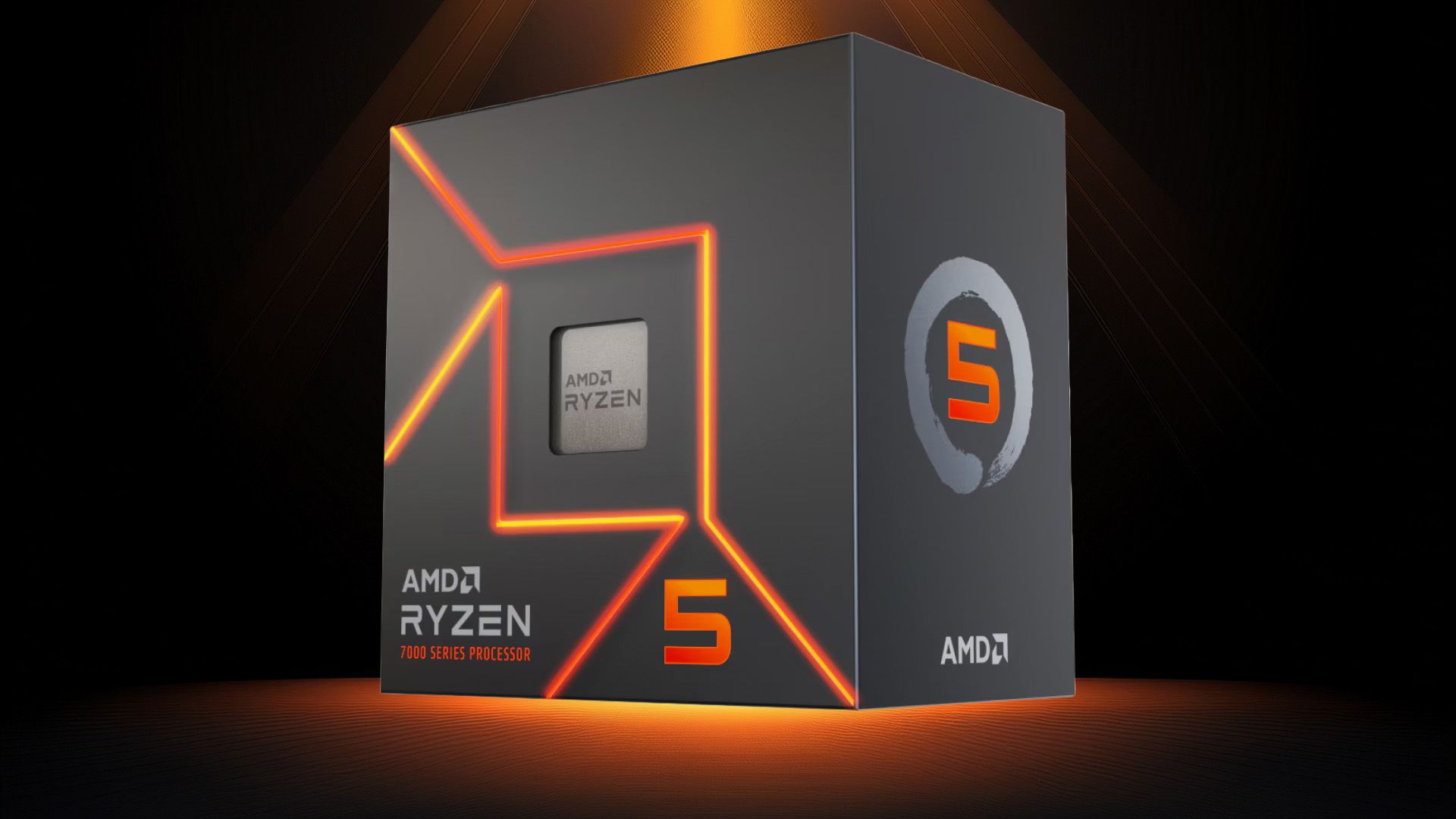
The release of the Ryzen 5 5500F acts as a clarification. It is effectively a "Vermeer" chip with lower clocks and halved L3 cache, explicitly marketed without integrated graphics (hence the "F" suffix). This makes it a direct, lower-cost alternative to the venerable Ryzen 5 5600, rather than a sibling to the 5500.
Similarly, the Ryzen 5 7500 enters a market already occupied by the Ryzen 5 7500F and the Ryzen 5 7600. By adding the 7500 to the lineup, AMD is filling a very specific niche: users who want the Zen 4 architecture but require the basic display output provided by integrated graphics, without paying the premium for the 7600’s slightly higher clock speeds.
Supporting Data: Comparative Analysis
| Processor | Price (MSRP/Current) | Architecture | Platform | Cores/Threads | Boost Clock | L3 Cache |
|---|---|---|---|---|---|---|
| Ryzen 5 7600 | $229 / $226 | Zen 4 | AM5 | 6 / 12 | 5.1 GHz | 32 MB |
| Ryzen 5 7500 | $189 / $189 | Zen 4 | AM5 | 6 / 12 | 5.0 GHz | 32 MB |
| Ryzen 5 7500F | $179 / $157 | Zen 4 | AM5 | 6 / 12 | 5.0 GHz | 32 MB |
| Ryzen 5 5600 | $199 / $159 | Zen 3 | AM4 | 6 / 12 | 4.4 GHz | 32 MB |
| Ryzen 5 5500F | $99 / $99 | Zen 3 | AM4 | 6 / 12 | 4.4 GHz | 16 MB |
| Ryzen 5 5500 | $159 / $74 | Zen 3 | AM4 | 6 / 12 | 4.2 GHz | 16 MB |
The data reveals a calculated segmentation strategy. The Ryzen 5 5500F, at $99, represents one of the most compelling value propositions for budget builds today. While it lacks the 32MB of L3 cache found in the 5600, its 4.4 GHz boost clock provides competitive gaming performance for an entry-level price.
The Ryzen 5 7500 sits at $189. Compared to the $226 street price of the Ryzen 5 7600, the 7500 offers virtually identical performance for a lower cost, provided the user does not need the extra 100 MHz headroom. It is essentially a "sensible" version of the 7600, stripping away the marginal frequency gains that most users would never notice in real-world scenarios.
Decoding the "F" Suffix and Architecture
The "F" suffix has become a vital part of AMD’s nomenclature. In the past, Ryzen chips were almost exclusively sold with integrated graphics, which were often superfluous for users who planned to purchase a dedicated graphics card (GPU).
By offering "F" variants, AMD is effectively binning chips that have perfectly functional CPU cores but either have disabled or absent integrated graphics. This allows AMD to utilize more of their silicon production, reducing waste and allowing for the aggressive price points seen today. The 5500F, specifically, is a testament to the longevity of the Vermeer architecture, which continues to provide excellent performance-per-dollar ratios long after its initial launch.
Market Implications: Who Should Buy These?
The release of these two chips creates a distinct fork in the road for system builders.
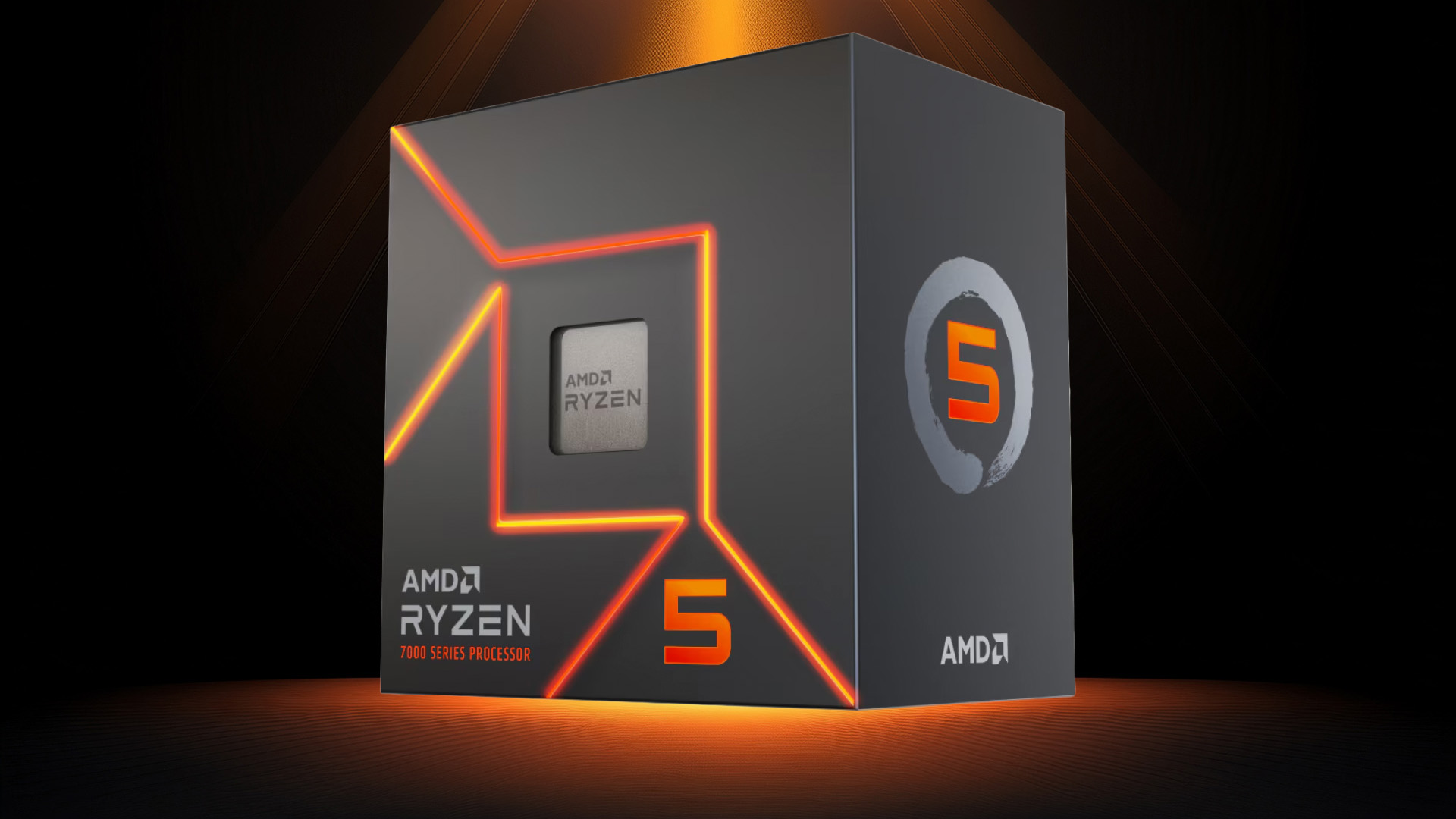
1. The Budget-Conscious Enthusiast (AM4)
The Ryzen 5 5500F is a dream for those looking to build a budget gaming PC. When paired with a mid-range GPU (like a Radeon RX 6600 or an NVIDIA RTX 4060), it provides a gaming experience that is indistinguishable from much more expensive setups in 1080p. Since AM4 motherboards and DDR4 RAM are currently at historical lows in terms of pricing, building an entire system around the 5500F can be done for a fraction of the cost of a modern DDR5 build.
2. The Future-Proofing Professional (AM5)
The Ryzen 5 7500 is for the user who wants to enter the AM5 ecosystem. While the entry cost is higher due to the requirement for DDR5 memory, it offers a distinct advantage: upgradeability. An AM5 motherboard purchased today will likely support future generations of Ryzen processors, saving the user the cost of a motherboard swap in three to five years. The addition of integrated graphics makes it an excellent choice for home office setups where a dedicated GPU might not be immediately necessary, or for users who want a "backup" display output in case their primary GPU fails.
The Cost of Memory: A Persistent Hurdle
Despite the attractive pricing of the processors themselves, the "AM5 tax" remains a consideration. The transition to DDR5 has been a slow process, and while prices have dropped significantly from their initial launch, they still command a premium over DDR4.
Users considering the Ryzen 5 7500 must factor in the cost of a DDR5-5200 (or faster) memory kit. However, for those who prioritize long-term platform support and the faster throughput provided by PCIe 5.0, the investment is justified. The 7500 is, in many ways, the "rational" choice for a new PC build in 2024, balancing the immediate need for performance with the long-term benefit of a modern platform.
Conclusion: AMD’s Strategic Mastery
AMD’s decision to launch the Ryzen 5 5500F and 7500 is a masterclass in market segmentation. By filling the gaps in their pricing structure, they have ensured that whether a user has $100 to spend or $200, there is a modern, reliable, and high-performance option available.
The Ryzen 5 5500F is the ultimate "value king" for the closing years of the AM4 platform, offering a perfect bridge for those who want to maximize their current hardware investments. Meanwhile, the Ryzen 5 7500 provides a accessible entry point into the world of DDR5 and the AM5 platform, ensuring that even those on a budget can benefit from the architectural advancements of the Zen 4 era.
As the industry continues to push toward higher core counts and complex thermal envelopes, AMD’s focus on these accessible, efficient, and well-priced hexa-core chips serves as a reminder that the heart of a great computer isn’t just about raw power—it’s about the right performance at the right price. With these releases, AMD continues to prove that they are listening to the pulse of the market, ensuring that the dream of a powerful, capable PC remains within reach for everyone.


 Laily UPN
 Muslim