Sagoh
Sagoh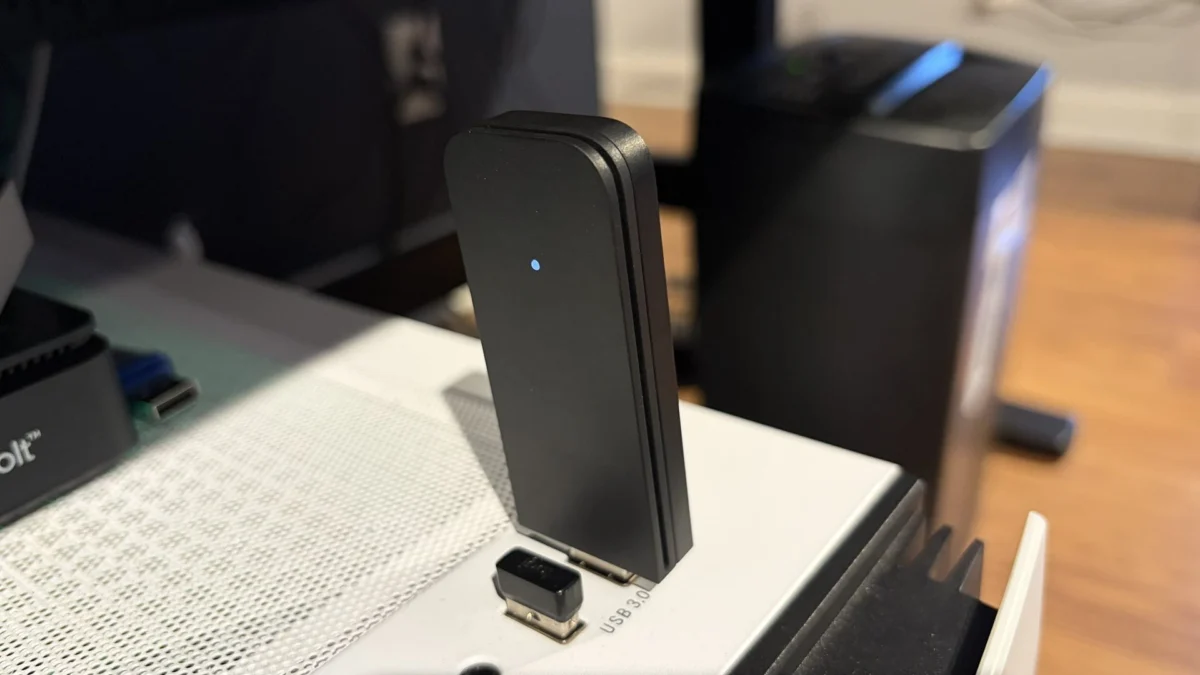
Valve is officially ready to bring its next-generation virtual reality vision to the consumer market. Nearly a year after the initial unveiling of the Steam Frame, the company has opened reservations for the device, signaling a pivotal shift in how the gaming giant approaches the intersection of hardware, mobility, and high-fidelity PC performance.
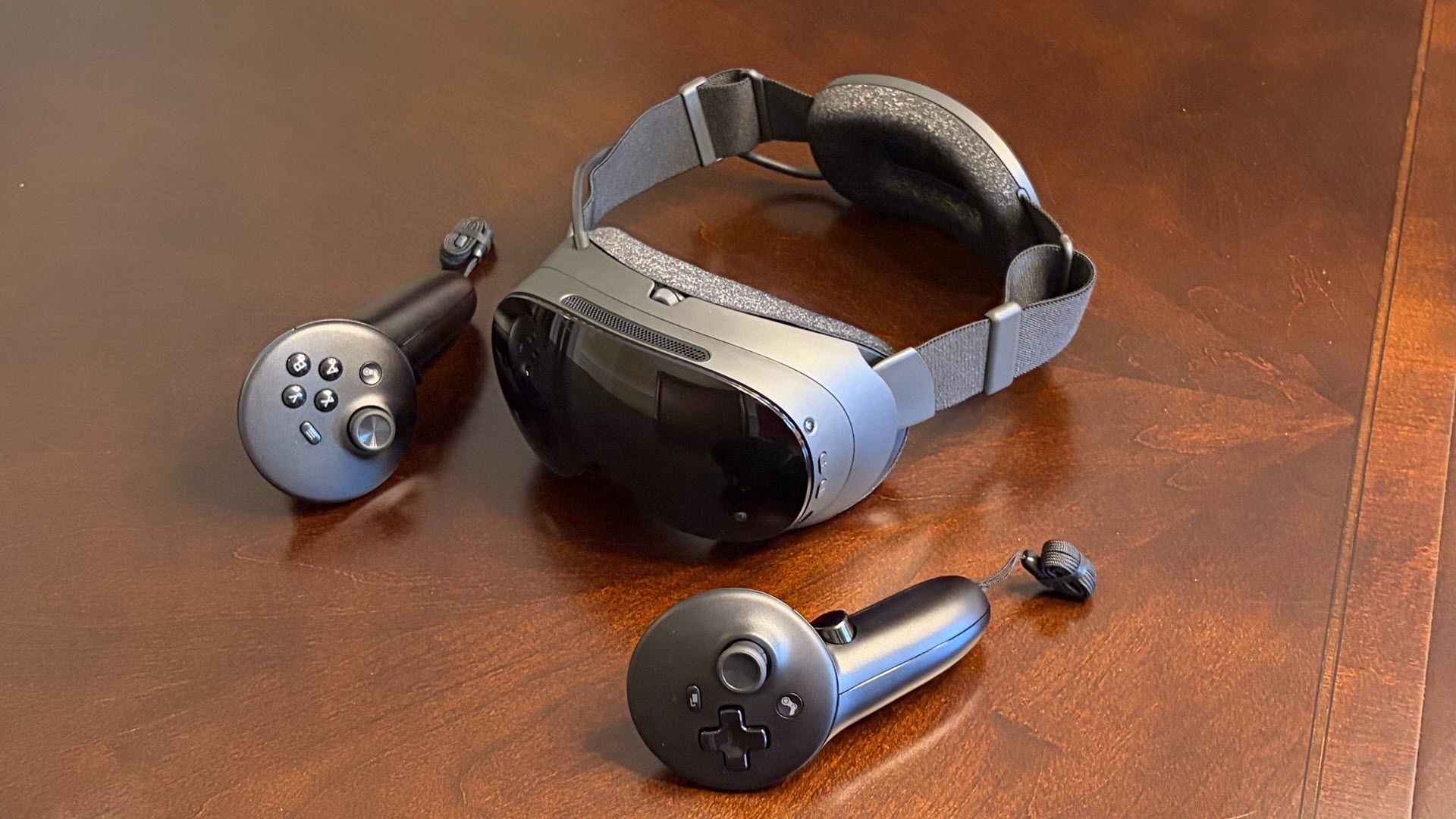
Launching in a climate defined by economic volatility, global supply chain constraints, and the rising cost of consumer electronics, the Steam Frame represents both a technical triumph and a calculated gamble. With a price point starting at $1,069, Valve is positioning the device as a premium gateway into the next era of VR—one that prioritizes accessibility and user comfort above the raw, unrefined power that defined the original Valve Index.
The Genesis of the Steam Frame
The conceptual foundation for the Steam Frame was laid almost immediately after the release of the Valve Index. According to Jeff Leinbaugh, a lead developer at Valve, the team spent years analyzing user feedback, data on usage patterns, and the limitations of current VR setups.
"Work started on Steam Frame basically as soon as we shipped the Index," Leinbaugh explained during an exclusive interview with Tom’s Hardware. "We did a lot of exploration into technologies, features, and use cases to try to answer the question: how do we make VR more accessible? The goals we aligned on were to make it much easier to use, which to us meant a lighter, more comfortable, and easier-to-access headset."
While the Index was an exercise in "making the best VR headset possible" regardless of complexity, the Steam Frame represents a departure from that philosophy. Valve’s engineers recognized that the barrier to entry for high-end VR wasn’t just graphical fidelity; it was the friction of the setup—the tethered cables, the external sensors, and the cumbersome nature of traditional PC-VR.
A Two-Pronged Strategy: Standalone vs. Streaming
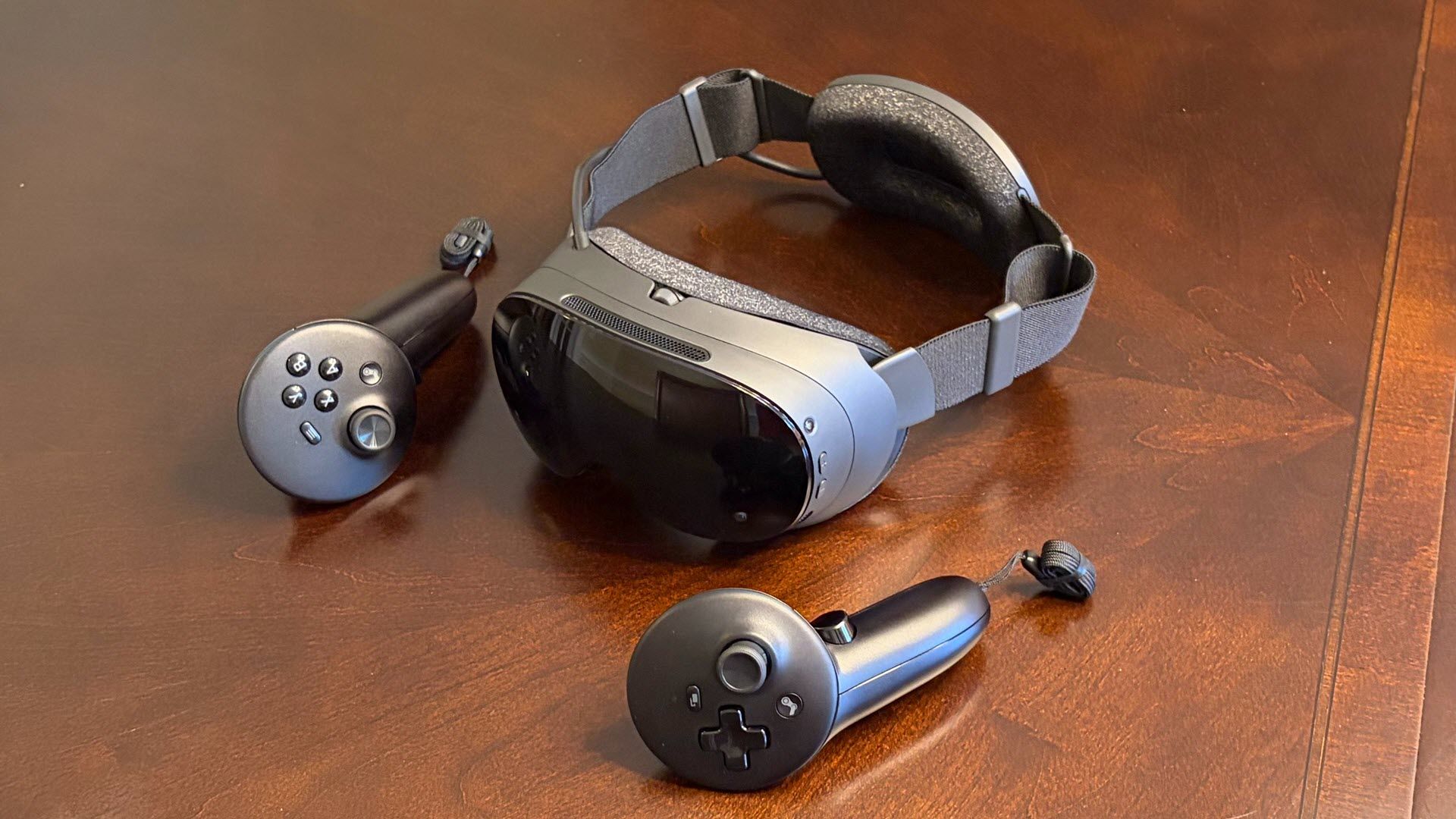
At the heart of the Steam Frame’s design is a dual-mode philosophy. The headset is engineered to function both as a standalone device, powered by an onboard Qualcomm Snapdragon 8 Gen 3 (8650) SoC, and as a high-performance streaming terminal for tethered-quality PC gaming.
Standalone Capabilities
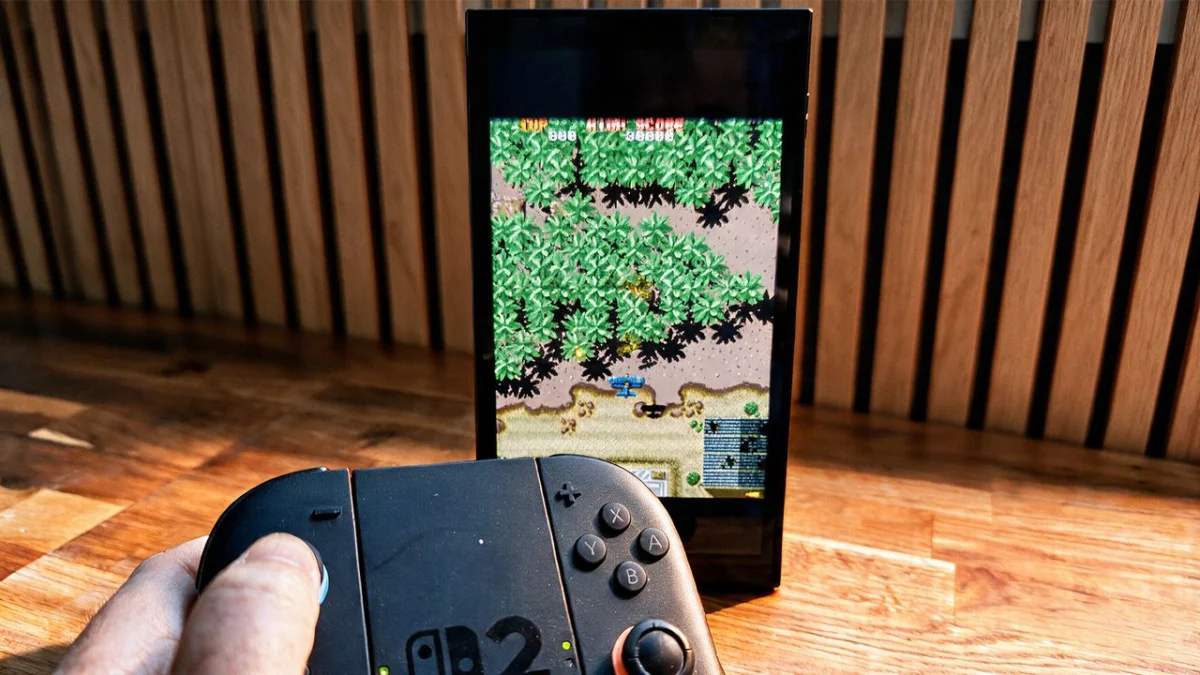
The integration of the Snapdragon 8 Gen 3 allows the Steam Frame to operate without a PC, mirroring the portability found in the Steam Deck. However, Valve is transparent about the performance ceiling of mobile silicon. "Games that are trying to push the boundaries on the AAA stuff that’s very graphically intensive—most of those won’t run very well because it’s a smaller compute envelope," notes developer Pierre-Loup Griffais.
Instead, the standalone mode is optimized for indie titles and back-catalog classics that benefit from the immersive nature of VR without requiring the massive compute overhead of modern, ray-traced AAA blockbusters. Titles like the Metal Gear Solid Collection are highlighted as prime examples of what the hardware can handle comfortably, providing a "pick-up-and-play" experience that was previously impossible for PC-bound VR users.
The Power of Foveated Streaming
For users looking to play the latest high-fidelity titles, Valve has leaned heavily into streaming technology. To overcome the bandwidth limitations of wireless transmission, the Steam Frame utilizes advanced eye-tracking sensors to implement "foveated streaming."
"Because we know with eye-tracking cameras what part of the image you’re looking at at any time, we can refocus some of those resources," Leinbaugh explains. "The best analogy is that it’s almost as if the part that you’re looking at is using about 10 times as much bandwidth and encoding bit rate as it actually is for the entire image."
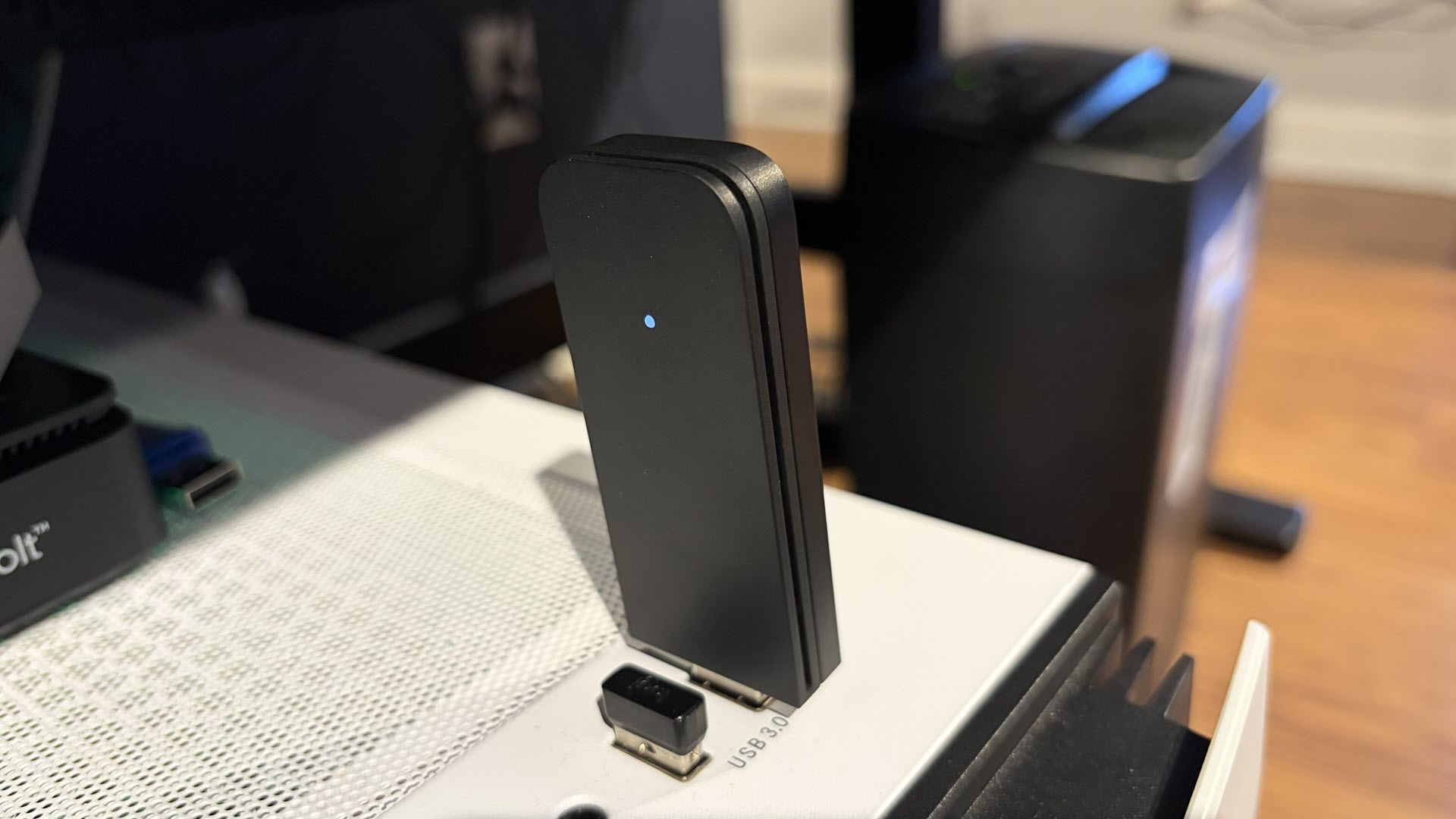
By prioritizing visual fidelity only where the user’s gaze is focused, Valve is able to deliver high-resolution, low-latency imagery over a wireless 6 GHz link, utilizing a dedicated Wi-Fi 6E USB dongle to minimize interference.
The Economic Reality: Why the $1,069 Price Tag?
The pricing of the Steam Frame—$1,069 for the 256GB model and $1,299 for the 1TB variant—has sparked debate within the community. However, Valve insists the price is a reflection of the current global market, not a desire for high margins.
"We’re in it like everyone else," says Griffais. "Memory prices, storage costs, the price of copper, and global shipping logistics—everything is way more expensive than it was two years ago. Every part of the sticker price is affected by these macro-economic conditions."
Valve’s engineering team has approached the Steam Frame with the same rigorous cost-management strategies they employed for the Steam Deck. Despite the challenges, they maintain that they are offering the device at the most competitive price point possible given the quality of the components.
Technical Innovations and Engineering Challenges
Transitioning from the x86-based Index to an Arm-based mobile architecture required significant breakthroughs in software translation. Valve has utilized its proprietary Proton compatibility layer to ensure that a massive portion of the existing Steam library is accessible on the Steam Frame.
For marquee titles like Half-Life: Alyx, Valve is going a step further. The company is actively optimizing the game to run with native support for the Frame, stripping away the overhead associated with standard emulation. This ensures that the flagship VR experience remains the gold standard, regardless of whether the user is streaming from a powerful desktop or running the game through the headset’s internal architecture.
Resilience and Reliability
Wireless VR is notoriously susceptible to environmental interference. To mitigate this, Valve has built a robust "fallback mechanism." If the primary wireless link encounters a disruption, the system is designed to swap to a secondary link instantaneously.
In the event of a significant latency spike, the headset employs "reprojection" techniques, where the last known good frame is extrapolated to fill the gap, preventing the disorienting "black screen" effect that often plagues lower-end wireless headsets. For the user, this means a seamless experience that feels closer to a wired connection than ever before.
The Road Ahead
The reservation system, which mirrors the successful rollout of the Steam Machine, is a deliberate strategy to combat scalpers and ensure that units reach genuine enthusiasts. With reservations opening today and shipments commencing on September 14, the VR market is about to undergo a significant shift.
The Steam Frame is not just a piece of hardware; it is the culmination of Valve’s long-term strategy to unify the VR experience under the SteamOS ecosystem. By bridging the gap between mobile convenience and PC performance, Valve is effectively attempting to solve the "VR accessibility" problem that has held the industry back for the better part of a decade.
Whether the consumer market is willing to embrace the premium price for this newfound freedom remains to be seen. However, given the technical strides in foveated streaming, thermal management, and the seamless integration of Arm-based mobile compute, the Steam Frame stands as a testament to what is possible when hardware design is driven by user experience rather than raw specifications alone.
As we look toward the September launch, the industry will be watching closely. If Valve succeeds, the Steam Frame may well become the new standard by which all future VR headsets are measured, proving that the future of virtual reality is not in the cables that tether us to our desks, but in the intelligent, adaptive technologies that set us free.

 Lina Hope
 Asro
Asro