Ammar Sabilarrohman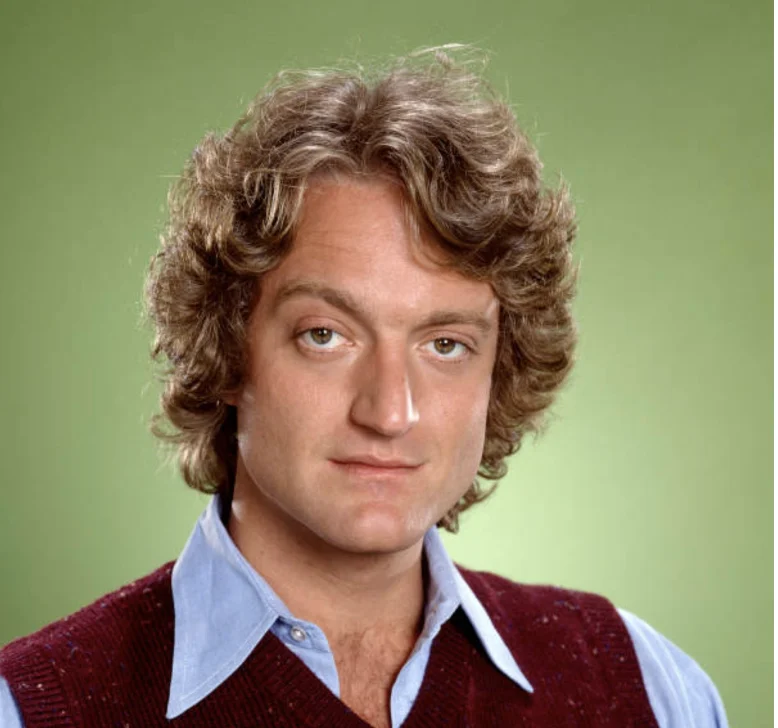
Gerrit Graham, the multifaceted performer, screenwriter, and songwriter whose career spanned the eccentric fringes of New Hollywood and the golden age of television, has died at the age of 77. Graham passed away on Tuesday in Rhinebeck, New York, following a prolonged battle with lung disease and other health complications.
His death marks the end of a singular creative journey—one that saw him navigate the collaborative landscapes of Brian De Palma’s early cult classics, the surreal musicality of the Grateful Dead, and the polished halls of Disney animation. A man of many masks, Graham was as comfortable portraying a doomed glam-rock icon as he was drafting narratives for legendary television anthologies.
A Career Defined by Range and Subversion
Born in New York City to John and Janet Graham, Gerrit Graham was a product of a nomadic upbringing that saw his family relocate from the bustling East Coast to Missouri and Michigan before eventually settling in Chicago. This early exposure to different facets of American life may have contributed to his uncanny ear for dialects and his masterful grasp of character-driven humor—traits that would eventually define his professional identity.
Graham’s professional ascent began in the late 1960s, a pivotal era for American cinema. He became an early collaborator with filmmaker Brian De Palma, appearing in Greetings (1968) and Hi, Mom! (1970). These films, which famously served as early vehicles for a young Robert De Niro, helped establish the "New Hollywood" aesthetic—experimental, politically charged, and deeply cynical. Graham’s ability to slip into the skin of his characters—often playing the foil to De Niro’s intensity—marked him as a performer to watch.
The Iconic Roles
Graham’s filmography is a testament to his versatility. He was perhaps most memorably cast in De Palma’s 1974 cult masterpiece, Phantom of the Paradise. In the film, Graham portrayed "Beef," a flamboyant, ego-driven glam rocker whose demise is as campy as it is iconic—unveiled in a coffin and silenced in a shower scene involving a plunger. It was a role that required both musical timing and a willingness to embrace the absurd, cementing his status as a cult figure.
His film credits continued to mount throughout the 70s and 80s, showcasing his ability to pivot between genres. He appeared in the sci-fi horror Demon Seed (1977), Louis Malle’s acclaimed Pretty Baby (1978), and Robert Zemeckis’s biting satire Used Cars (1980), where he played a sleazy, high-energy car salesman that many critics cited as one of the highlights of the film. He would later lend his talents to mainstream successes like National Lampoon’s Class Reunion (1982) and the cult horror staple Child’s Play 2 (1990).
Chronology of a Creative Life
To understand the trajectory of Gerrit Graham is to trace the evolution of American entertainment across five decades.
- The Early Years (1968–1975): The era of the "De Palma Players." Graham cut his teeth in experimental cinema, honing his skills in improvisation and character work.
- The Character Actor Era (1976–1985): Graham transitioned into a prolific character actor, finding steady work in features such as Used Cars and Pretty Baby. During this time, he also began to expand his footprint into television.
- The Writing Pivot (1986–1995): Recognizing the volatility of the acting profession, Graham pivoted toward writing. His work on The Twilight Zone revival signaled his move into the writers’ room, leading to massive projects with Disney.
- The Mature Performer (1996–2015): A return to television and a deep focus on his musical collaborations. His appearances on Star Trek: Deep Space Nine and Voyager introduced him to a new generation of genre fans.
- Rhinebeck and Beyond (2016–2024): His final years were spent in the quiet town of Rhinebeck, N.Y., where he engaged in local preservation efforts while continuing to support his family.
A Writer of Worlds and Lyrics
While audiences knew Graham for his face, his colleagues knew him for his pen. His transition from acting to screenwriting was not merely a side project; it was a significant shift in his creative output.
Graham contributed to the scripts of Disney’s animation renaissance, including credits on The Little Mermaid and Oliver & Company. Alongside his brother, Chris Hubbell, he co-wrote the Disney adaptation of The Prince and the Pauper, a project that showcased his ability to adapt classic literature for family audiences.
His literary talent extended into the realm of music. His most notable partnership was with Bob Weir of the Grateful Dead. Their collaboration, "Victim or the Crime," became a centerpiece of the band’s late-period repertoire. The song, which appeared on the 1989 album Built to Last, stands as a dark, intricate composition that highlights the lyrical depth Graham brought to his musical ventures. It was later immortalized in the 1998 live album by Weir and Rob Wasserman, proving that Graham’s artistic impact transcended the screen.
Television: The Master of the Guest Spot
Graham was a fixture of the episodic television boom. His presence on shows like Seinfeld, Laverne & Shirley, and The Wonder Years provided audiences with consistent, high-quality character work.
However, it was his foray into the Star Trek universe that solidified his standing among fandoms. Appearing in both Star Trek: Deep Space Nine and Star Trek: Voyager, Graham utilized his facility for accents and his ability to disappear under heavy prosthetic makeup to play complex, often alien characters. This required a level of physical discipline and patience that few actors could maintain, further cementing his reputation as a "professional’s professional."
Personal Life and Legacy
In 1982, Graham married his wife, Deborah. Their partnership became the anchor of his life. After years of working in the high-pressure environment of Los Angeles—and following a period spent caring for his mother—Graham relocated to Rhinebeck, New York.
For the final three decades of his life, he became a pillar of the local community. He served on the Burger Hill Preservation Society, demonstrating a commitment to environmental stewardship and local history that mirrored the care he took in his creative work.
He is survived by his brother, Sam; his two sons, Jack and Henry, along with their wives, Talia and Joelle; and his four grandchildren, Nolan, Micah, Vera, and Joey.
Implications of a Life Well-Lived
The passing of Gerrit Graham leaves a quiet void in the industry. In an era where "celebrity" is often conflated with social media presence, Graham represented a different archetype: the journeyman artist. He was a man who understood that longevity in the arts is not earned through vanity, but through a commitment to the craft—whether that meant wearing a rubber mask for a sci-fi episode, penning a lyric for a rock legend, or editing a script for a Disney classic.
His death serves as a reminder of the vast, interconnected network of talent that built the foundations of modern American media. Graham was a thread that ran through the Grateful Dead’s discography, the halls of Disney, and the soundstages of Paramount.
As the industry reflects on his passing, the consensus among those who worked with him is clear: Gerrit Graham was a master of the craft who never lost his sense of wonder. Whether through the biting humor of his early De Palma roles or the introspective darkness of his songwriting, he left behind a body of work that is as eclectic as it is enduring. He leaves behind a legacy defined not by a singular breakout moment, but by a lifetime of consistent, intelligent, and deeply human contributions to the culture.


 Asro
Asro
 Basiran