
 Siti Muinah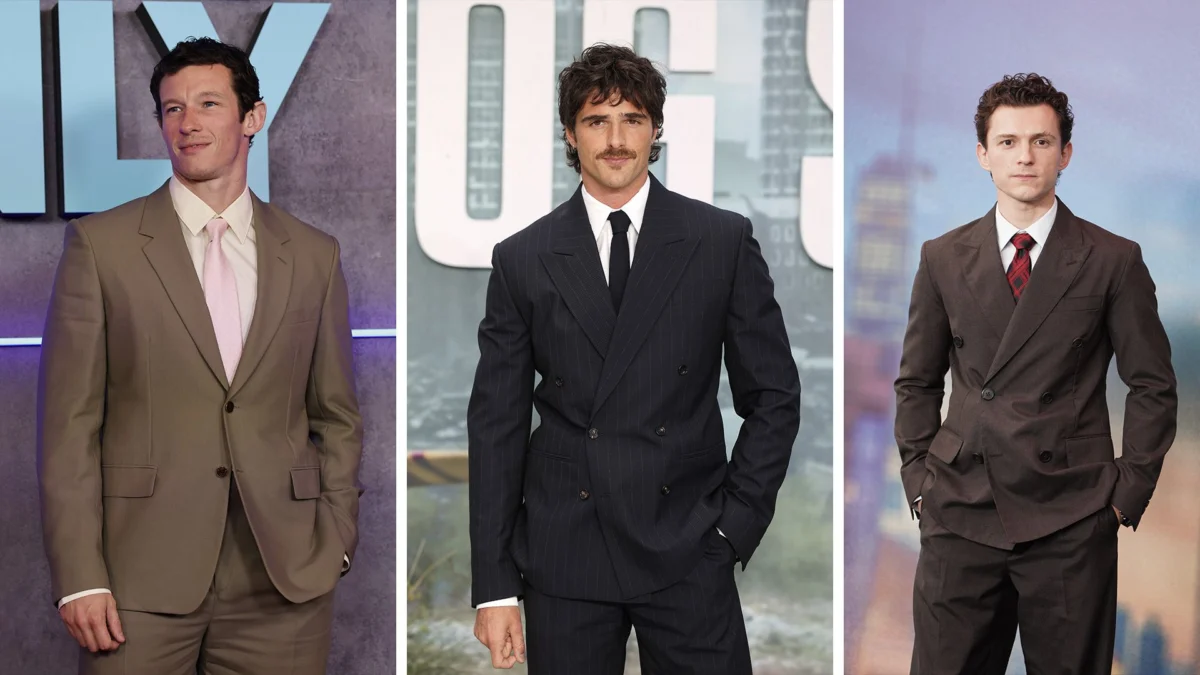
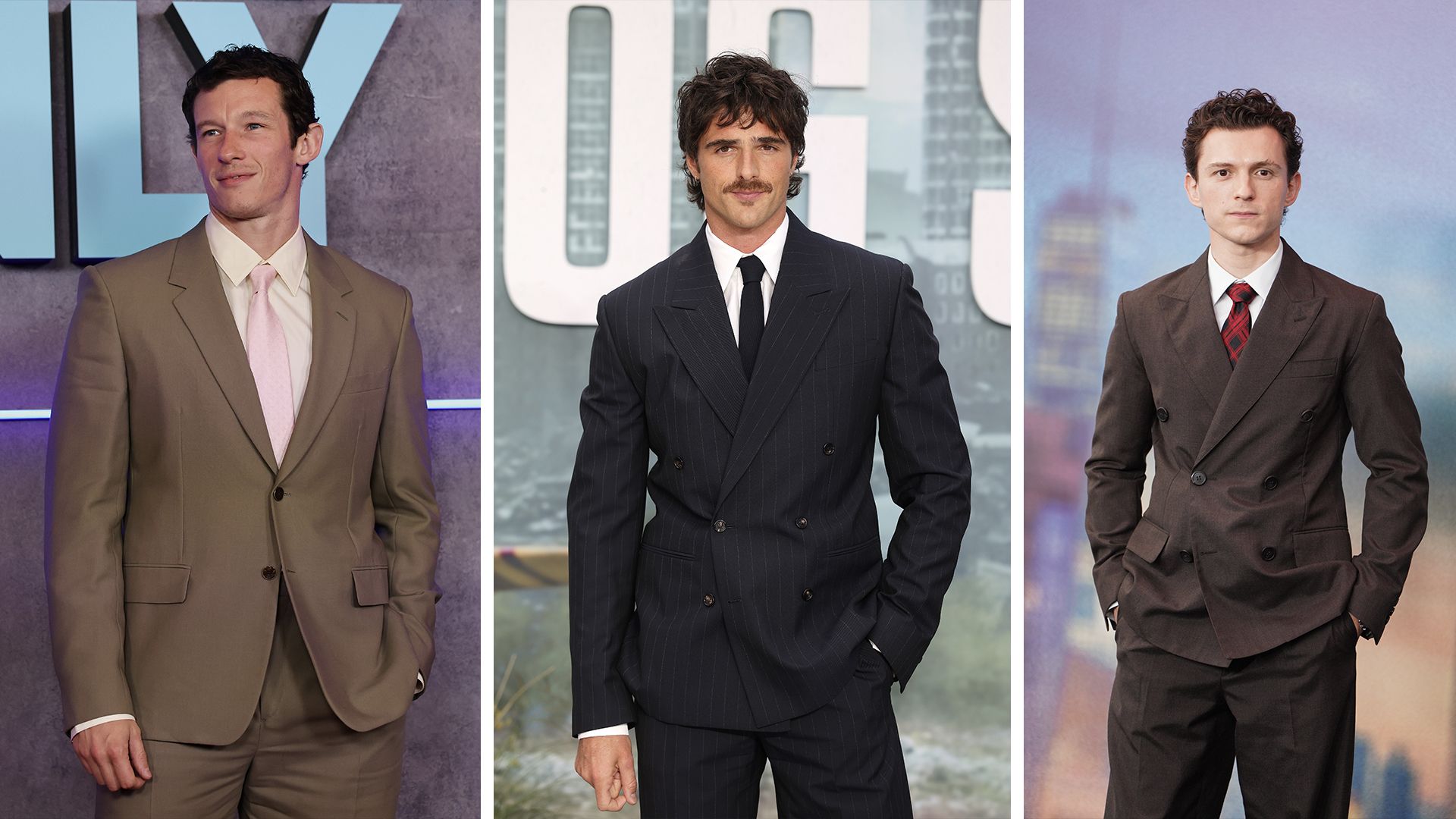
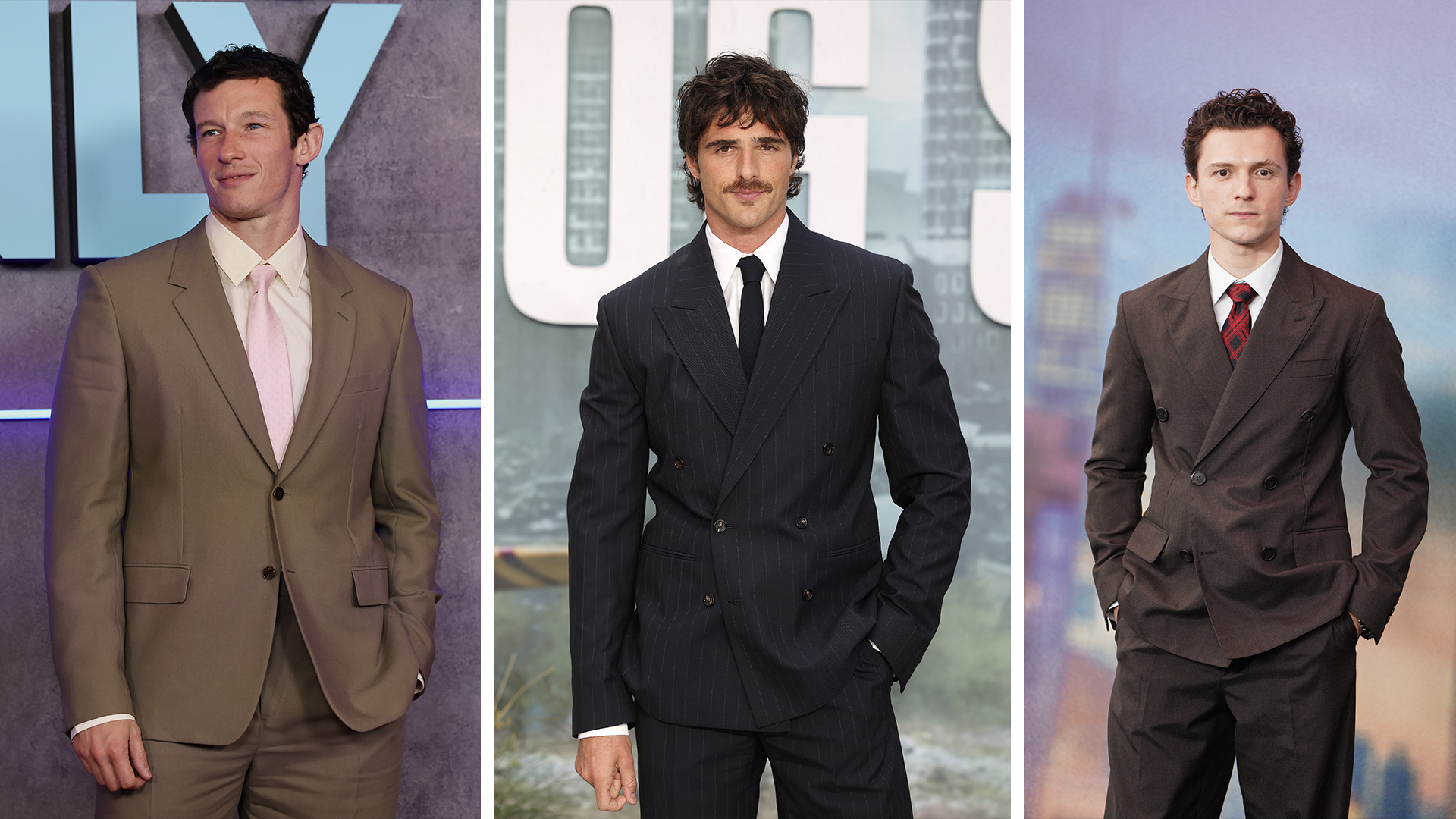
The search for the next James Bond has become a perennial fixture of modern pop culture—a high-stakes game of speculation where every rising star with a tuxedo-ready jawline and a successful box-office run is immediately christened the next 007. From the frenetic social media campaigns championing Tom Holland to the betting-market favorites like Jacob Elordi and Callum Turner, the list of potential successors to Daniel Craig is as long as it is diverse.
Yet, as the industry moves closer to an official announcement, a sober reality is beginning to settle over the conversation: the next James Bond will almost certainly not be a household name. In fact, if history is any indicator, the producers at Eon Productions are likely looking for the exact opposite of an A-list superstar.
The Myth of the "A-List" 007
For decades, the public has been conditioned to associate the Bond role with established fame. However, the true strength of the Bond brand lies in its autonomy. James Bond is an icon that transcends any single actor. When an audience sits down to watch a 007 film, they are there to see the legend, not a celebrity playing dress-up.
Casting a massive, "of-the-moment" star—someone already deeply entrenched in other blockbuster franchises or pop culture phenomena—would be a tactical error. It introduces "baggage." When a movie star brings their own recognizable persona to the role, the audience is inevitably reminded of their previous work. Bond, conversely, requires a blank canvas—a performer with the requisite charm, cold-blooded efficiency, and physical presence, but one who can disappear entirely into the role of the MI6 agent.
A Chronology of Casting: From Connery to Craig
To understand the future of the franchise, one must look at its past. The casting of James Bond has rarely followed the path of "obvious" celebrity status.
- 1962 (Sean Connery): When the franchise launched with Dr. No, Sean Connery was an obscure Scottish actor with a relatively thin resume. He was a risk that paid off, defining the archetype for a generation.
- 1969 (George Lazenby): An Australian model with virtually no acting experience, Lazenby was chosen for his physical presence and resemblance to the Bond ideal.
- 1973 (Roger Moore): Unlike his predecessors, Moore was already a television star via The Saint, but he was not a cinematic titan. He brought a lighter, more comedic touch that repositioned the character.
- 1987 (Timothy Dalton): Known primarily for his stage work, Dalton’s casting was a pivot back toward the gritty, literary roots of Ian Fleming’s creation.
- 1995 (Pierce Brosnan): Perhaps the closest the series came to "type-casting," Brosnan was a known television commodity, but his career was in a lull before landing the role.
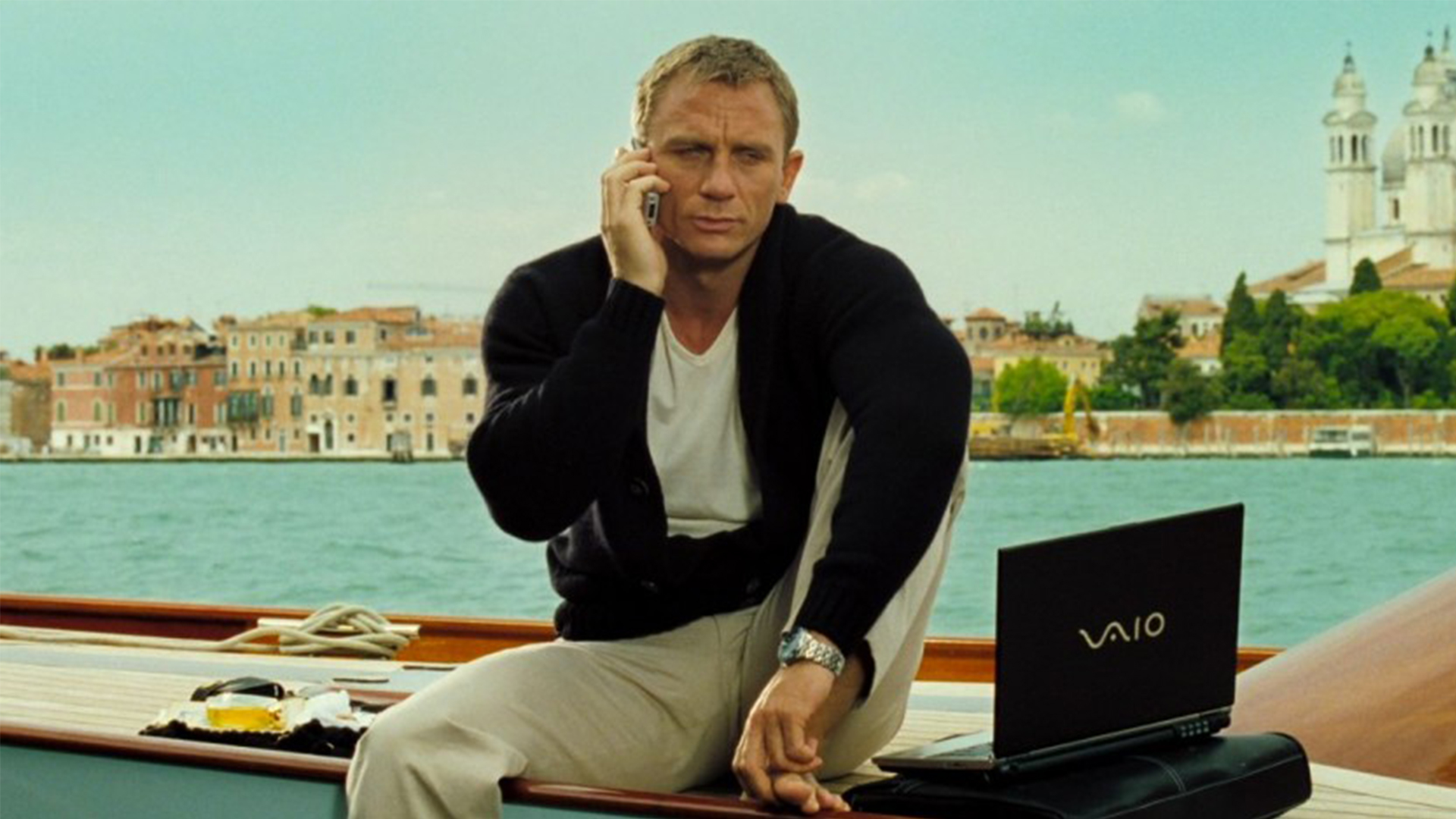
- 2005 (Daniel Craig): This remains the definitive case study. Before the announcement, the press was obsessed with names like Hugh Jackman and Clive Owen. When the producers selected the blonde, shorter, and "unconventional" Daniel Craig, the internet—in its infancy—erupted in protest. "Bond is not blonde," critics cried. Yet, Craig went on to deliver what many critics consider the most grounded, human, and emotionally resonant performance in the franchise’s history.
The takeaway is clear: Eon Productions, led by Barbara Broccoli and Michael G. Wilson, historically favors talent and screen presence over box-office pull. They are not looking for a celebrity; they are looking for a vessel.
Supporting Data: Why "Superstar" Casting Fails
The modern cinematic landscape, dominated by the Marvel Cinematic Universe (MCU) and massive IP-driven tentpoles, has created a bias toward "known quantities." Studios often lean on massive stars to guarantee opening weekend numbers. However, the Bond franchise operates under a different economic and creative model.
Data from the long-term performance of the Bond films suggests that the "Bond effect" is real. The brand itself—the gun-barrel sequence, the Aston Martin, the martini, and the theme song—is the primary draw. The actor is the beneficiary of that brand, not the sole engine of its success.
Furthermore, the "Marvel-ization" of Hollywood has led to franchise fatigue. Casting a name like Tom Holland—who is intrinsically linked to Spider-Man—would create a cognitive dissonance for viewers. It would be difficult to dissociate the actor from the spandex, potentially undermining the grounded, lethal, and sophisticated tone that has defined the post-Craig era. The producers are likely acutely aware that they need a performer who can command the screen without carrying the weight of a previous, globally recognizable identity.
Official Responses and Strategic Shifts
With Amazon’s acquisition of MGM, there has been significant anxiety regarding the creative direction of the franchise. Would the corporate titan turn Bond into a sprawling, interconnected universe of spin-offs and side-quests?
Initial reports, however, suggest a commitment to quality over quantity. The hiring of creative heavyweights like Denis Villeneuve (as a potential director) and Steven Knight (the screenwriter behind Peaky Blinders) to shepherd the new project speaks volumes. These are not creators interested in "superhero-style slop." They are auteurs who understand tone, atmosphere, and character development.
The decision-makers at Eon Productions have maintained a stoic silence regarding specific names, which is a hallmark of their disciplined casting process. By refusing to engage with the tabloid rumors, they maintain the mystique. Every "final stage" casting report is almost always a fabrication intended to generate clicks; the actual selection process is kept under a veil of extreme secrecy.
Implications for the Future of 007
The implications of the next casting choice are profound. The franchise is at a crossroads. Following the definitive end of the Daniel Craig era, the producers must decide whether to return to a more traditional, suave 1960s-style Bond or to lean further into the modern, vulnerable, and flawed version established in Casino Royale.
The choice of actor will dictate this direction. If they cast a theater-trained, character-focused actor—someone like a James Norton or a Paapa Essiedu—it signals a commitment to prestige, drama, and high-stakes tension. If they succumb to the pressure of casting a "big name," it could signal a pivot toward more spectacle-driven, popcorn cinema.
Given the current trajectory—and the involvement of talent like Knight and the creative stewardship of the Broccoli family—the smart money is on an actor who is currently "under the radar." We should expect a performer who is respected in their craft, capable of carrying a film on their shoulders, but who doesn’t come with the baggage of a dozen action-figure tie-ins.
Conclusion: The Spy is the Star
The fascination with the "next Bond" is a testament to the character’s enduring place in the global psyche. We want to know who will hold the Walther PPK next because we want to know what the next chapter of the fantasy looks like. But we must let go of the idea that the role is a reward for a career already achieved.
The next James Bond will not be a movie star when they are cast. They will become a movie star because they are Bond. By the time the credits roll on their first film, the public will have forgotten the names of the actors they once clamored for, and they will see only the man who represents the height of sophistication and danger. In the world of 007, the only celebrity that matters is the spy himself. Everything else is just noise.


 Dwi Wanna
 Lina Irawan




