In the rapidly evolving ecosystem of mobile computing, the quest for "screen real estate" has become a primary driver for innovation. As digital nomads and power users seek to replicate their multi-monitor desktop environments on the road, manufacturers have scrambled to provide solutions. The latest entrant into this competitive arena is the JSAUX FlipGo, a dual-screen portable monitor that arrives with significant promise—and some notable caveats. Following the ambitious release of the FlipGo Horizon Pro, JSAUX aims to strike a balance between high-end productivity features and a competitive price point. However, as our testing reveals, the definition of "portable" may be more flexible than some users anticipate.
Main Facts: What is the JSAUX FlipGo?
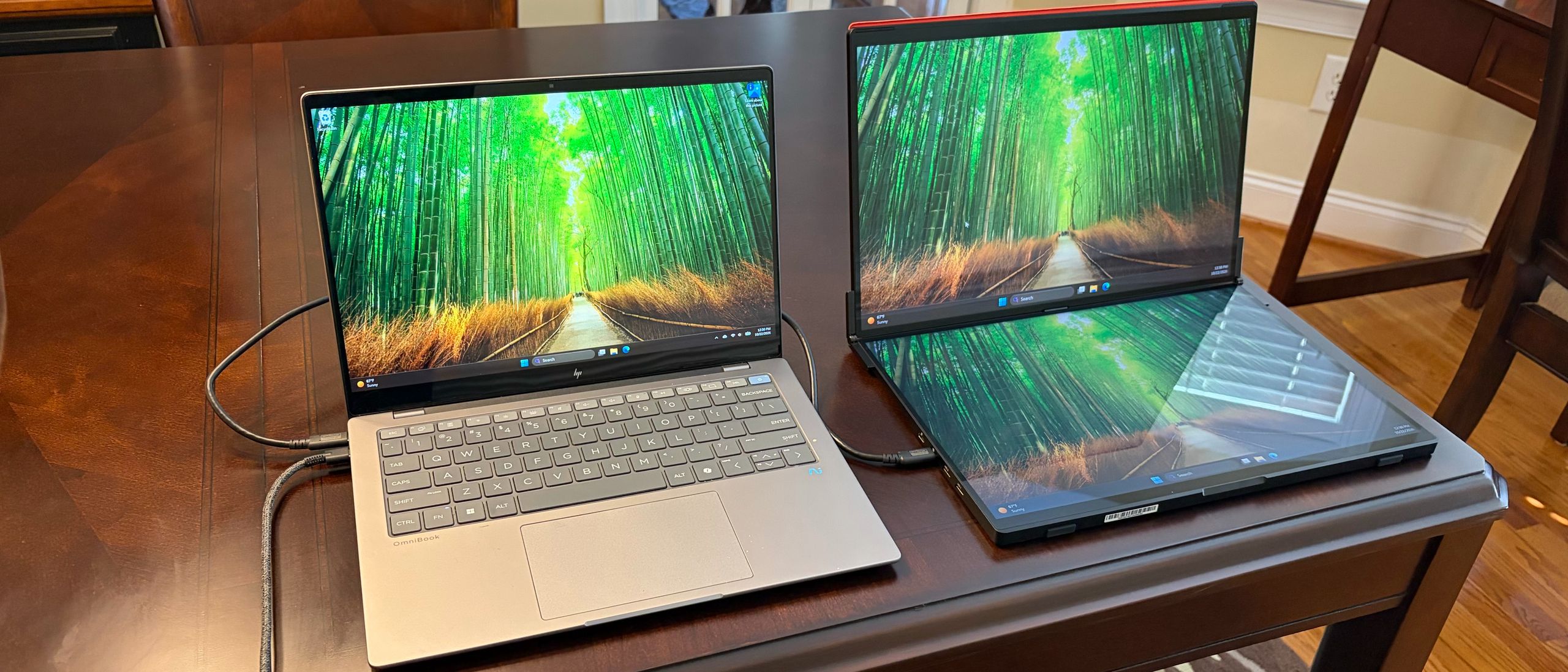
The JSAUX FlipGo is a dual-screen monitor solution designed to expand a user’s visual workspace significantly. Unlike traditional portable monitors that offer a single, thin panel, the FlipGo employs a folding mechanism that deploys two 16-inch IPS displays.
Key technical specifications include:
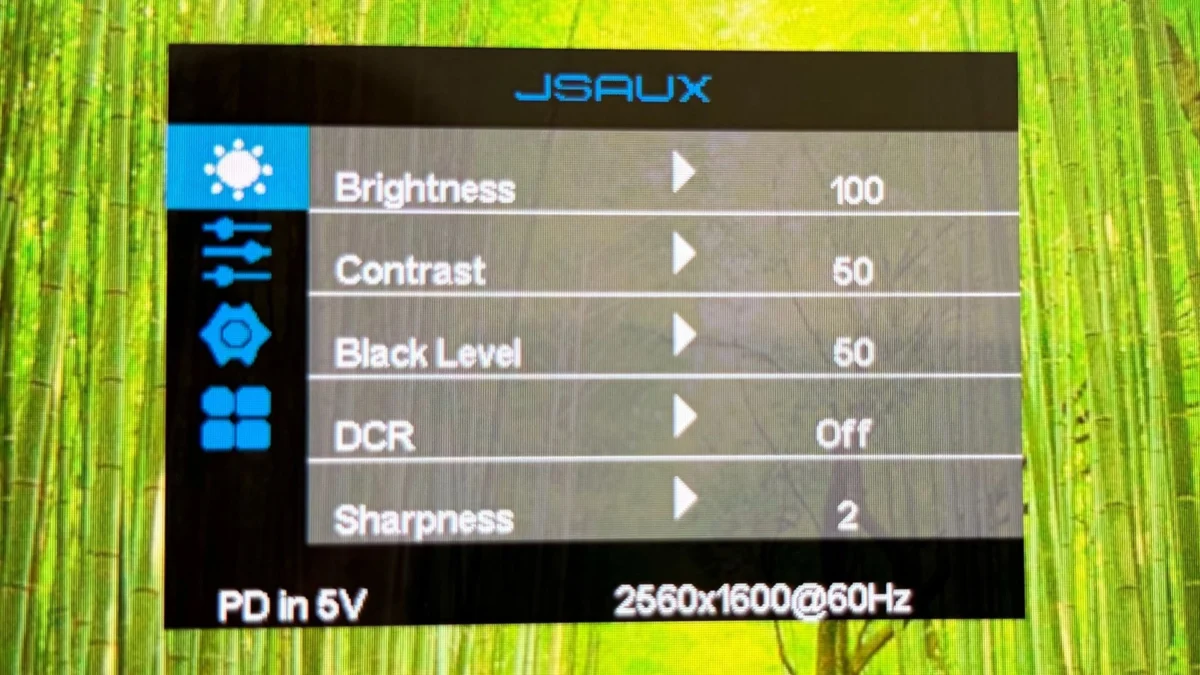
- Resolution: 2560 x 1600 (WQXGA) for both panels, providing sharp, high-fidelity imagery.
- Display Technology: IPS panels, ensuring wide viewing angles and consistent color reproduction.
- Touch Functionality: Native support for touch input on Windows systems, allowing for interactive workflows.
- Integrated Connectivity: A built-in USB hub featuring two USB-A ports and one USB-C port, effectively turning the monitor into a docking station for peripherals.
- Pricing: The unit retails for slightly under $500, positioning it in the middle of the premium portable monitor market.
The device is designed to provide a seamless "stacked" or "side-by-side" experience, depending on the configuration, effectively doubling the vertical or horizontal screen real estate for professionals working in spreadsheets, video editing, or multitasking environments.
Chronology: The Evolution of JSAUX’s Display Lineup
JSAUX, a brand traditionally associated with Steam Deck accessories and niche PC peripherals, has recently pivoted toward the monitor market with surprising speed.
- The Early Phase: JSAUX initially gained market share by creating high-quality docks and cases for handheld consoles. This gave the company deep insight into the needs of mobile gamers and professionals who demand compact, high-performance hardware.
- The Horizon Pro Launch: The company’s first major foray into displays was the FlipGo Horizon Pro. This model set the stage, introducing the unique folding hinge mechanism that defines the product line. It established the brand as a serious contender in the dual-screen space.
- The Current Iteration: The latest FlipGo model refines the vision of the Horizon Pro. It addresses feedback regarding color accuracy and touch-input responsiveness. By focusing on the integration of a USB hub, JSAUX has transitioned from selling a "screen" to selling a "mobile workstation."
Supporting Data: Performance and Ergonomics
To understand the value proposition of the FlipGo, one must look at how it performs under real-world stress tests. Our evaluation criteria for this device focused on three pillars: color accuracy, physical durability, and connectivity latency.
Display Performance
The 2560 x 1600 resolution on a 16-inch panel results in a high pixel density that is excellent for text clarity and detailed design work. In our tests, the IPS panels exhibited minimal backlight bleed, a common issue in portable monitors. While it may not replace a professional-grade color-calibrated studio monitor, it sits well above the average for portable hardware.
Connectivity and Hub Functionality
The inclusion of a built-in USB hub is the device’s "killer feature." By consolidating peripheral connections (mouse, keyboard, external drives) through the monitor itself, the FlipGo reduces the "cable clutter" that often plagues laptop setups. In our testing, the hub maintained stable data transfer speeds, though it is worth noting that the device requires a dedicated power source to drive both screens and the USB peripherals simultaneously, which slightly complicates the "plug-and-play" nature of the product.
The "Weight" of Portability
While the monitor is thin, its footprint is substantial. When folded, it retains the surface area of two 16-inch displays. This creates a dilemma for the mobile professional: while it fits inside a large messenger bag, it is not the lightweight, throw-in-your-backpack device that consumers might expect from the term "portable."
Official Responses and Market Positioning
JSAUX has marketed the FlipGo as a "Desktop Replacement." In communications regarding the product, the company emphasizes that their goal is to provide a "zero-compromise" display experience.
"We understand that modern professionals are no longer tethered to a desk," a JSAUX spokesperson noted in recent industry forums. "However, they should not have to compromise on their ability to see their entire workspace. The FlipGo is designed to make that workspace mobile."
From a competitive standpoint, the $500 price point puts the FlipGo in direct competition with single-screen OLED portable monitors. The trade-off is clear: the consumer must choose between the superior contrast and color depth of a single OLED panel or the raw productivity afforded by the FlipGo’s dual-screen real estate.
Implications: Is It Truly Portable?
The most critical takeaway from our analysis is the distinction between "portable" and "travel-ready."
The Desk-Centric Reality
The JSAUX FlipGo is, in essence, a desktop monitor that happens to fold. For users who commute between a home office and a corporate office, or for those who work in a "hot-desking" environment, the FlipGo is a revelation. It allows a user to pack up their entire dual-monitor setup in seconds and deploy it elsewhere with minimal fuss.
The Travel-Weary Reality
For the "road warrior"—the professional living out of a carry-on suitcase while traveling by plane or train—the FlipGo may prove cumbersome. The weight of two displays, combined with the necessity of external power, makes it less convenient than a lightweight, single-screen tablet-style monitor.
Conclusion: A Specialized Tool for a Specialized User
The JSAUX FlipGo is an impeccable piece of hardware for a specific demographic. It succeeds in its mission to bring dual-screen productivity to a non-traditional environment. The build quality is high, the software integration for Windows touch-support is robust, and the utility of the built-in USB hub cannot be overstated.
However, potential buyers should be wary of the marketing term "portable." If you are looking for a device to use on an airplane tray table or in a cramped coffee shop, this may be overkill. If, conversely, you are looking to maximize your screen space while working from different desks, or if you want a monitor that can be stowed away to reclaim your workspace at the end of the day, the FlipGo is currently one of the best solutions on the market.
JSAUX has successfully carved out a niche that sits between the stationary monitor market and the ultra-light portable monitor market. By prioritizing screen real estate and peripheral connectivity over sheer portability, they have created a product that solves the "two-monitor problem" for a significant portion of the remote workforce. As the industry continues to iterate on this form factor, the FlipGo stands as a testament to how far portable display technology has come in just a few short years.