The golden age of 16-bit gaming is often remembered through the lens of iconic mascots—Mario, Sonic, and Mega Man. Yet, for many who frequented the arcades and living rooms of the early 1990s, the true measure of a console’s worth was found in the vibrant, chaotic, and often bizarre world of Data East’s Joe & Mac. Now, thanks to Red Art Games, this prehistoric franchise is being exhumed for modern audiences. The Joe & Mac Retro Collection, arriving on digital storefronts on October 29, 2026, and in physical formats in 2027, offers a curated trip back to a time when cartoon violence, oversized dinosaurs, and bright, popping color palettes were the industry standard.
While the headline title, Joe & Mac: Caveman Ninja, is the primary draw for nostalgic players, the collection reveals that the true value lies in the evolution of the series. By bundling the original arcade-to-console conversion alongside its console-exclusive sequels, Congo’s Caper and Joe & Mac 2: Lost in the Tropics, Red Art Games has provided a fascinating window into how developers navigated the transition from simple arcade loops to more complex, exploration-heavy console experiences.

Main Facts: The Caveman Ninja Revival
The Joe & Mac Retro Collection is an emulation-based anthology priced at $19.99 (£19.99). It is currently available on Nintendo Switch and Switch 2, with ports also appearing on PlayStation 5, Xbox Series X/S, and PC. The collection does not merely dump ROMs into a menu; it includes quality-of-life enhancements—most notably, rewind functionality, save states, and a new "Boss Rush" mode—designed to mitigate the punishing difficulty spikes typical of the era.
At its core, the collection serves as a digital archive. It features both the Western and Japanese iterations of the games, providing a rare opportunity for Western players to experience the uncensored version of the original Caveman Ninja. Despite the polish applied to the presentation, the games remain true to their 16-bit origins: fast-paced, sometimes unforgiving, and deeply rooted in the aesthetic sensibilities of the early 90s.
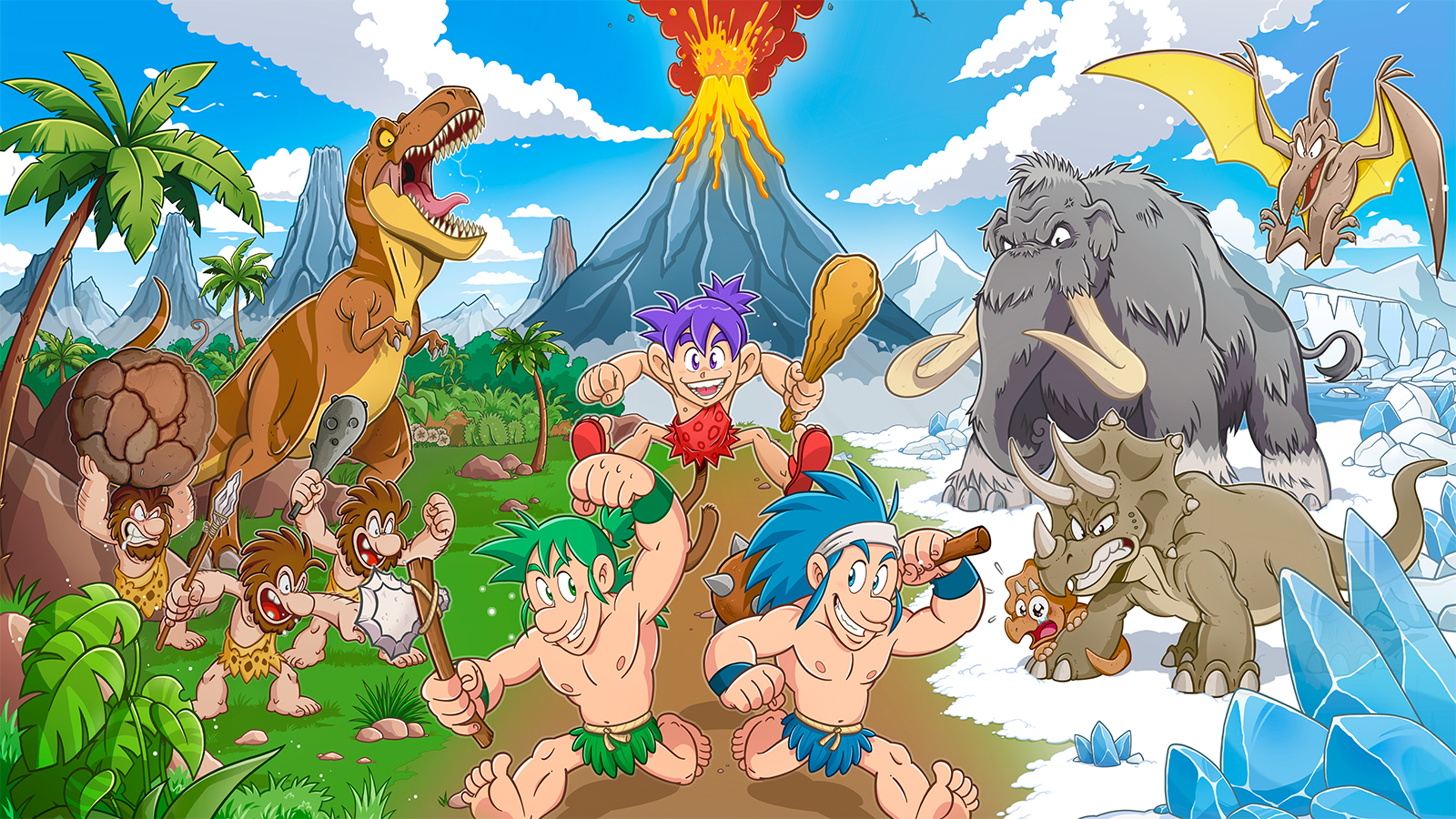
Chronology of a Prehistoric Franchise
The progression of these titles mirrors the shifting priorities of the 16-bit era.
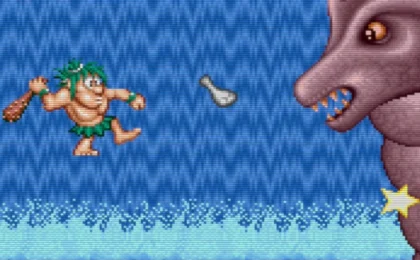
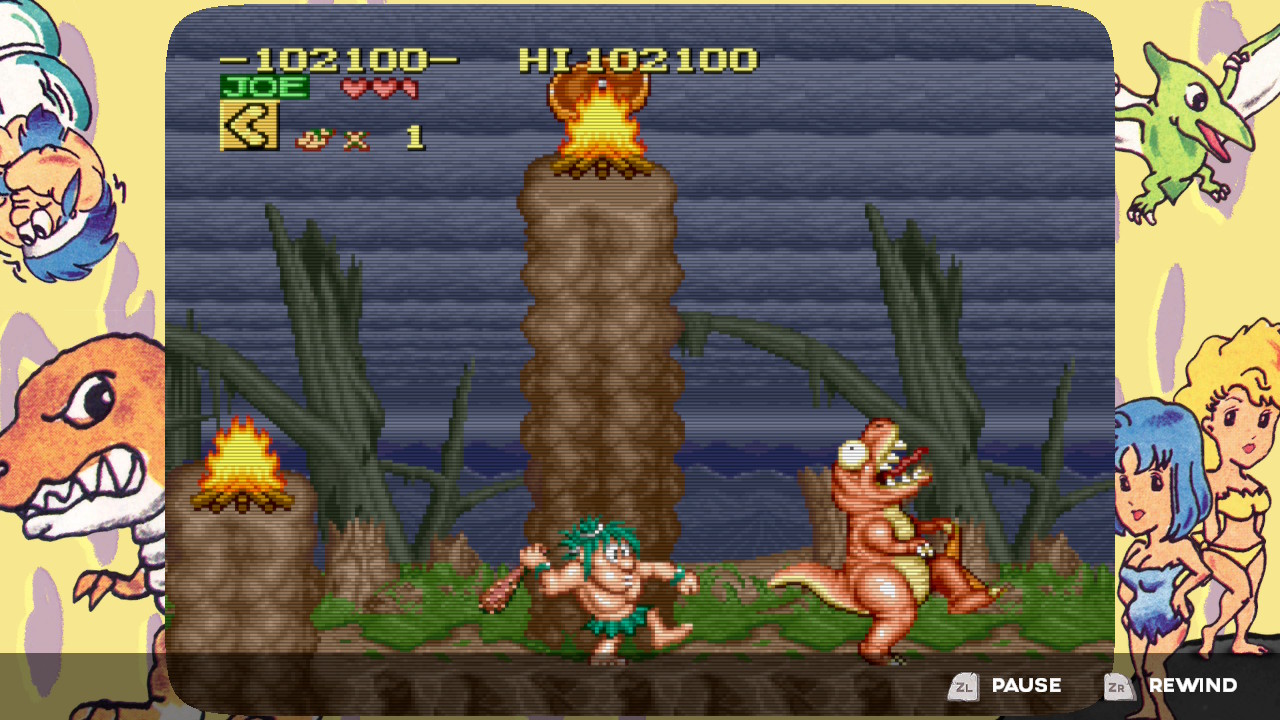
- Joe & Mac: Caveman Ninja: Originally an arcade title, this game defined the series’ identity. It is a linear, action-heavy romp. The player’s goal is simple: progress from left to right, defeat waves of prehistoric enemies, and conquer a boss. It established the series’ signature visual language—bulging eyes on dinosaurs, exaggerated character animation, and a vibrant, if slightly chaotic, color palette.
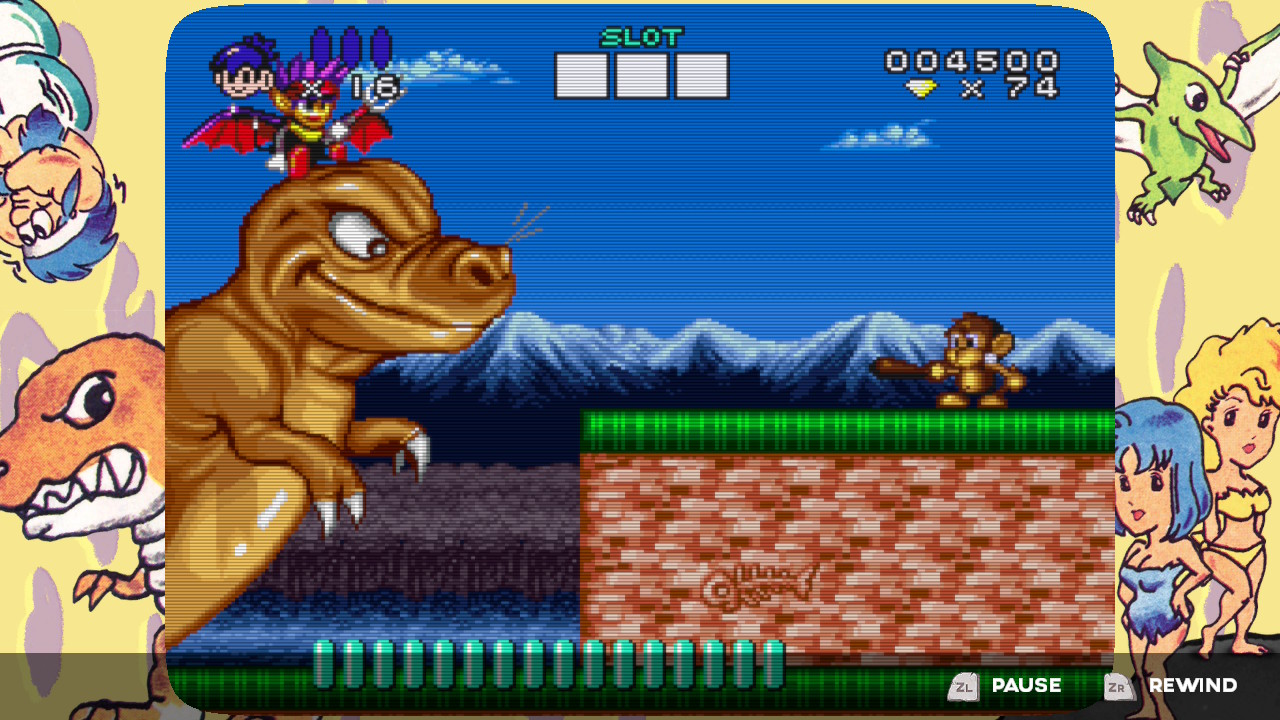
- Congo’s Caper: Diverging from the arcade template, this title shifted the focus toward platforming and exploration. Drawing inspiration from the likes of Sonic the Hedgehog and Kid Chameleon, it introduced secrets, hidden rooms, and a more deliberate pacing. Its inclusion in the collection highlights the experimental nature of developers at the time, attempting to make console experiences feel distinct from their arcade counterparts.
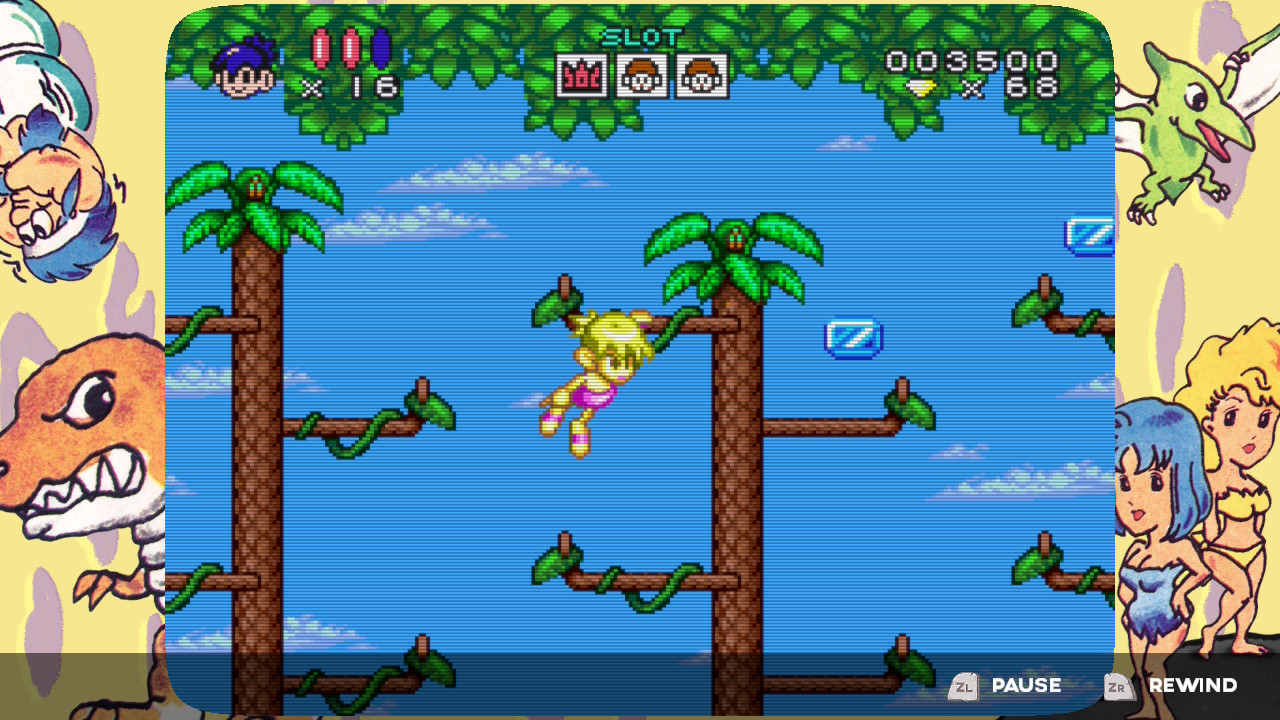
- Joe & Mac 2: Lost in the Tropics (Joe & Mac 3): Released as the final evolution in this specific lineage, the third game integrated an overworld map, village building, and light RPG elements, such as "wooing" cave women with collected currency. It represents the peak of the franchise’s ambition, blending the run-and-gun combat of the original with the adventurous spirit of Congo’s Caper.
Supporting Data: Why the Sequels Outshine the Original
While the original Joe & Mac holds a special place in gaming history, modern playability tests indicate that it has not aged as gracefully as its sequels. The original is a victim of its own arcade design: sudden enemy respawns, "cheap" deaths, and a reliance on rigid weapon pick-ups can make it a frustrating experience for the contemporary player.
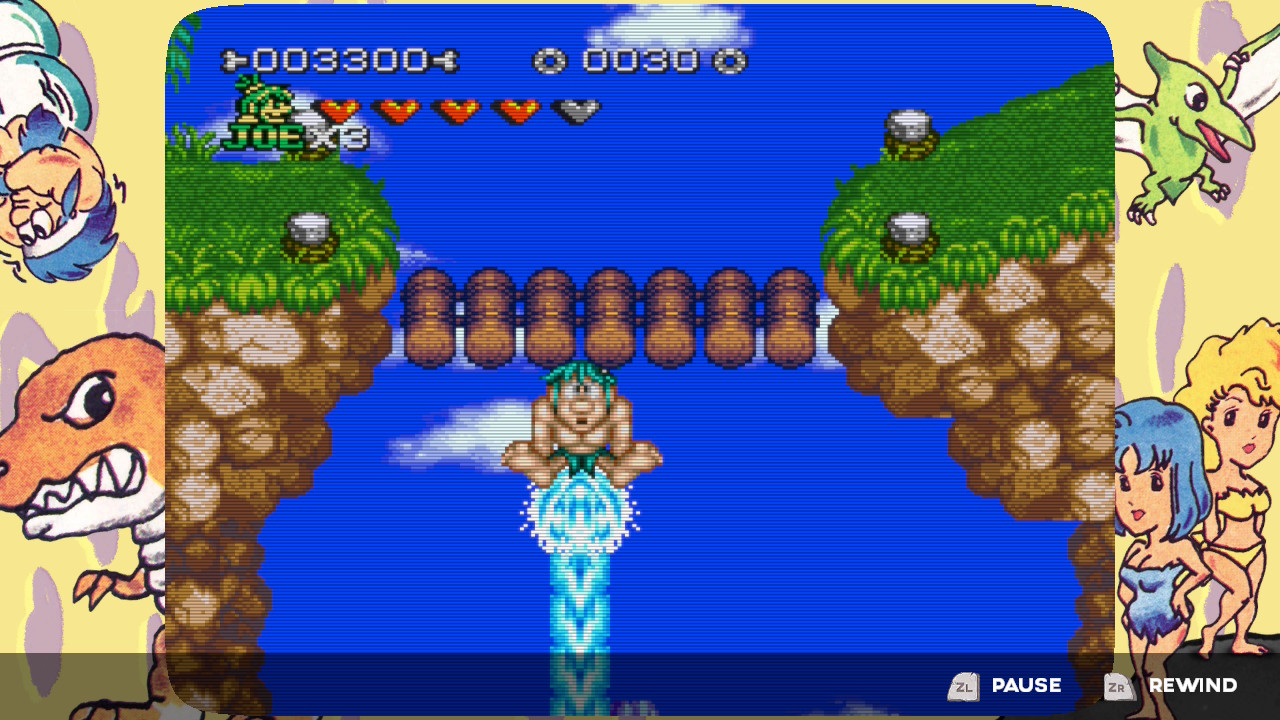
However, the sequels provide a more balanced experience. Congo’s Caper introduces verticality, with climbable vines and complex level designs that reward curiosity. Lost in the Tropics arguably provides the most "complete" experience, offering a sense of progression through its map-based structure and diverse gameplay mechanics. The addition of the "Boss Rush" mode, which allows players to skip the platforming segments to engage directly with the imaginative, head-heavy boss designs, further enhances the longevity of these titles.
Technically, the emulation is robust. The inclusion of CRT filters and custom frames allows players to simulate the look of the old monitors that originally displayed these games, helping to mask the sharpness of modern displays and restore the intended atmosphere of the 16-bit art style.
Official Responses and Preservation Efforts
Red Art Games has positioned this collection as a preservation project. Beyond the games themselves, the collection includes a "virtual unboxing" experience that allows players to inspect high-resolution scans of original SNES boxes, cartridges, and manuals. This digital curation is a significant nod to the physical history of the medium.
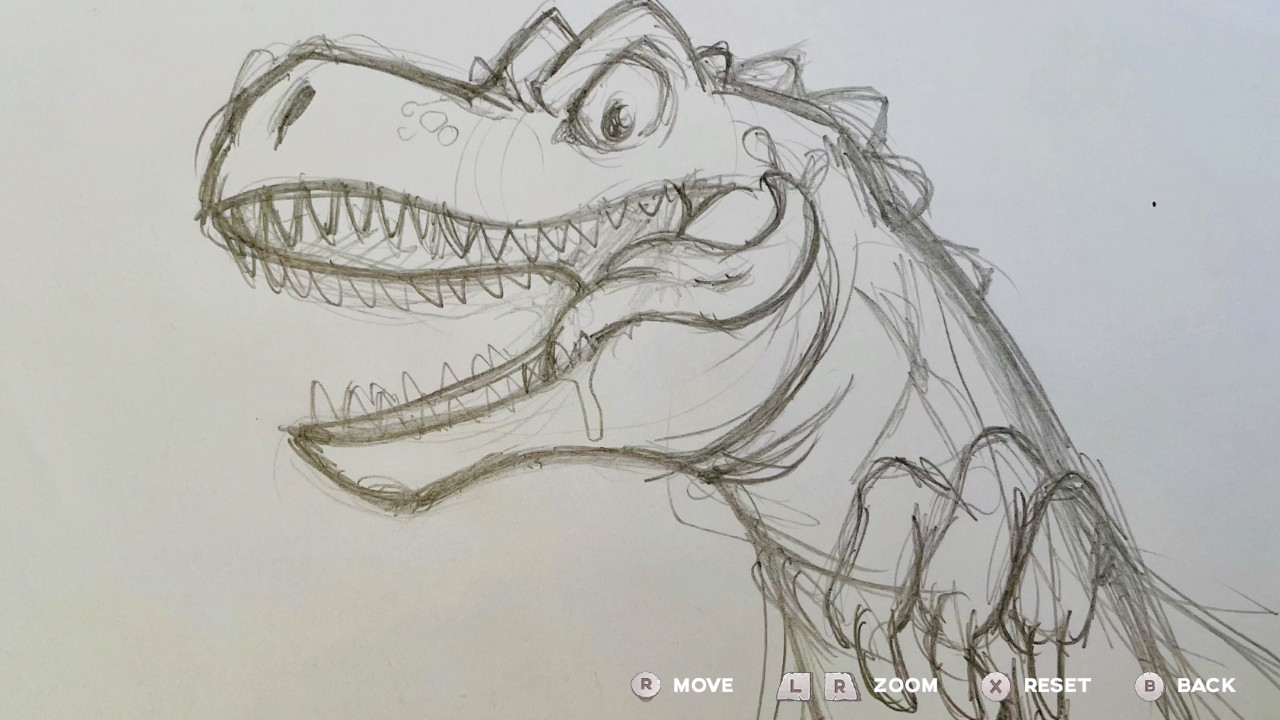
However, critics and enthusiasts have noted a missing piece in the puzzle: the human element. While the collection provides visual assets, it lacks the deep-dive, scholarly context provided by other publishers—such as Digital Eclipse’s recent work on the Toy Story franchise. There are no interviews with the original Data East developers, no oral histories, and little insight into the specific artistic choices behind the series’ iconic character designs. While the art gallery containing sketches and concept work is a welcome inclusion, it serves as a silent witness rather than a narrative guide.
Implications for the Retro Market
The release of the Joe & Mac Retro Collection carries several implications for the current gaming landscape:
The "Niche" is the New Mainstream
By focusing on a mid-tier, somewhat cult-classic franchise rather than industry giants, Red Art Games proves that there is a viable, profitable market for deep-cut retro titles. It suggests that collectors and younger players alike are becoming increasingly interested in the "middle-class" of gaming history—the titles that defined the library of a console rather than just the cover art.
The Value of Modern "Safety Nets"
The implementation of save states and rewind features is no longer a "luxury"—it is a necessity for modernizing retro titles. These tools are the bridge that makes a 30-year-old game accessible to a generation raised on generous checkpoints and instant respawns. Without these, the Joe & Mac collection would likely be relegated to a curiosity; with them, it becomes a playable, enjoyable game.
The Bar for Preservation
The collection sets a high bar for visual presentation, but a lower bar for historical documentation. As the industry moves toward digital-only futures, the demand for "interactive museum" experiences will grow. Publishers who want to lead this space will need to go beyond simply ensuring the software runs—they will need to tell the story of why these games matter, including the voices of the people who created them.
Final Assessment
The Joe & Mac Retro Collection is an essential purchase for anyone with a nostalgic connection to 16-bit platformers. For those coming to the series fresh, the original game may feel slight, but the sequels offer enough invention and charm to justify the entry price. While it lacks the narrative depth of more exhaustive retrospectives, it succeeds in its primary mission: keeping the spirit of the caveman ninja alive in the high-definition era. It is a charming, occasionally frustrating, but ultimately rewarding reminder of why we fell in love with these characters in the first place—bulging eyes, wobbling dinosaurs, and all.