In a landmark collaboration that bridges the cultural gap between Western comic book legacy and the explosive growth of South Korean digital media, Marvel Entertainment and the Korean web-portal giant Daum have joined forces. The result is Avengers: Electric Rain, an original webtoon series that not only brings Earth’s Mightiest Heroes to the streets of Seoul but introduces an entirely new character to the Marvel canon. Illustrated by the acclaimed Korean artist Younghoon Ko, the series represents a strategic pivot for Marvel as it seeks to deepen its footprint in the lucrative and technologically advanced South Korean market.
The Convergence of Worlds: An Overview of Electric Rain
Avengers: Electric Rain is not merely a translation of existing American comic books; it is a bespoke production tailored for the webtoon format—a manhwa-style digital comic serialized specifically for mobile and web consumption. Unlike the traditional page-turn layout of Western comics, Electric Rain utilizes the vertical-scrolling format that has defined the success of platforms like Daum.

The narrative centers on the Avengers operating within the unique cultural and urban landscape of Korea. By situating the action in Seoul, Marvel allows the story to deviate from the traditional New York-centric tropes of the franchise. The inclusion of a brand-new, original character—crafted specifically for this series—serves as an anchor for local readers, providing a fresh entry point into the Marvel Universe. For Marvel, this is an exercise in "glocalization": taking a global intellectual property and embedding it within a local context to create a product that feels authentic to its target audience.
Chronology: From Concept to Digital Serialization
The development of Avengers: Electric Rain followed a rigorous path of international negotiation and creative synchronization.

- Initial Partnership (2013-2014): Marvel and Disney Korea entered discussions with Daum to explore the potential of the webtoon market. Recognizing that traditional print distribution was less effective for reaching the tech-savvy South Korean demographic, the companies opted for a digital-first serialization model.
- Creative Development: Younghoon Ko was selected to lead the visual direction. Ko, already a respected figure in the Korean comic industry, was tasked with the challenging mandate of maintaining the "Marvel look" while adhering to the distinct, vibrant aesthetic of the manhwa tradition.
- Launch and Serialization: The series launched to significant fanfare on the Daum webtoon portal. The weekly release schedule was designed to build consistent reader engagement, a staple of the webtoon industry’s success.
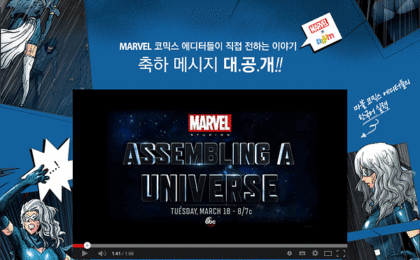
- Global Awareness Campaign: Marvel’s editorial team, including industry stalwarts like C.B. Cebulski, Axel Alonso, and Tom Brevoort, participated in promotional efforts to introduce the series to Western audiences, underscoring the importance of this cross-continental collaboration.
Supporting Data: The Power of the Webtoon Format
The choice of platform for Avengers: Electric Rain is supported by substantial market data. South Korea possesses one of the world’s most advanced mobile internet infrastructures, and the manhwa industry has evolved into a multi-billion-dollar digital juggernaut.
Webtoons—characterized by their long-strip, vertical scrolling format—have become the primary form of entertainment for a vast demographic of Korean youth and young adults. By choosing Daum, one of the top two platforms in the country (alongside Naver), Marvel gained immediate access to millions of daily active users.

Furthermore, the production value of Electric Rain reflects the high artistic standards expected by the Korean audience. Younghoon Ko’s work utilizes dynamic, high-contrast digital coloring and cinematic panel transitions that take full advantage of the smartphone screen. This digital-native approach contrasts sharply with the static, print-oriented panels of traditional American comics, making Electric Rain a case study in how heritage brands can evolve to remain relevant in a screen-first world.
Official Responses and the "Language of Collaboration"
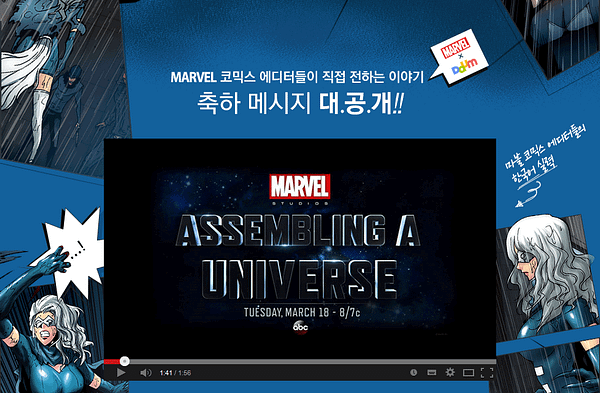
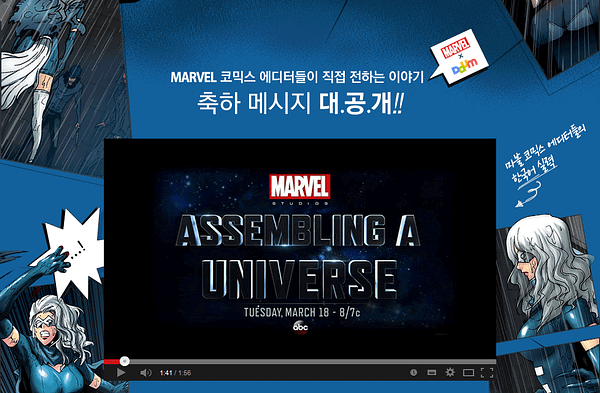
The promotional rollout for Electric Rain included a series of behind-the-scenes videos featuring key Marvel editorial figures, including Axel Alonso (former Editor-in-Chief), Tom Brevoort, and Nick Lowe. These videos offered fans a rare glimpse into the collaborative process between the American editorial team and the Korean production team.

While these videos were meant to bridge the distance, they also provided moments of levity. The Marvel editors, clearly out of their linguistic comfort zone, made earnest, albeit clunky, attempts to speak Korean. While these interactions were lighthearted, they highlighted the genuine challenge of the collaboration: the translation of creative intent across a significant language and cultural barrier.
In contrast, the spotlight on Younghoon Ko in subsequent promotional material was intended to ground the project in artistic expertise. By showcasing Ko’s process, Marvel sought to assure fans that despite the corporate nature of the partnership, the series maintained a high level of creative integrity. The "mutilation of the Korean language," as some fans jokingly described the editors’ attempts, served as a symbolic reminder that the project was a collaborative effort, requiring patience and humility from both parties.

The Implications for the Global Comic Industry
The success of Avengers: Electric Rain has far-reaching implications for the future of the comic book industry. It signals a shift away from the rigid, centralized model of comic production.
1. The Decentralization of Content
Marvel has demonstrated that it is willing to cede a degree of creative control to local creators to ensure a product resonates with a regional market. This suggests that in the future, we may see more "regional" Avengers titles, each with their own local artistic sensibilities and localized narrative threads.

2. The Dominance of Mobile-First Consumption
The webtoon format is undeniably more accessible to the modern reader than the traditional comic book shop model. Electric Rain proves that legacy brands can successfully pivot to digital-native formats without losing their core identity. This is a critical lesson for publishers struggling to capture the attention of younger generations.
3. Cultural Integration vs. Cultural Appropriation
The project walks a fine line between cultural integration and exploitation. By centering the story in Korea and utilizing a Korean artist, Marvel has avoided the common pitfall of simply "exporting" American content. Instead, they have created a hybrid product that respects the host culture’s media preferences. The success of this model will likely dictate how other Western media conglomerates approach the East Asian market in the coming decade.
4. A Template for Future Franchises
If Avengers: Electric Rain continues to perform well, it provides a blueprint for other Disney-owned properties. The integration of local talent to tell localized stories is a sustainable way to expand a brand’s reach. It is highly probable that other franchises—such as the X-Men or Spider-Man—will eventually receive similar treatment, tailored to different global markets like Japan, France, or Brazil.
Conclusion: A New Chapter for the Avengers
Avengers: Electric Rain is more than just a digital comic; it is a manifestation of the changing landscape of global entertainment. By embracing the unique technological and cultural preferences of the South Korean audience, Marvel has successfully expanded the mythos of Earth’s Mightiest Heroes into new territory.

While the project faced the expected hurdles of cross-cultural communication and stylistic adaptation, the end result is a vibrant, modern take on the Avengers that honors both the original source material and the innovative manhwa tradition. As digital platforms continue to dominate the media landscape, the collaborative spirit displayed by Younghoon Ko and the Marvel editorial team serves as a harbinger for the future of the medium: a global, mobile-first, and increasingly diverse narrative landscape where the boundaries of the comic book are defined not by the page, but by the screen.