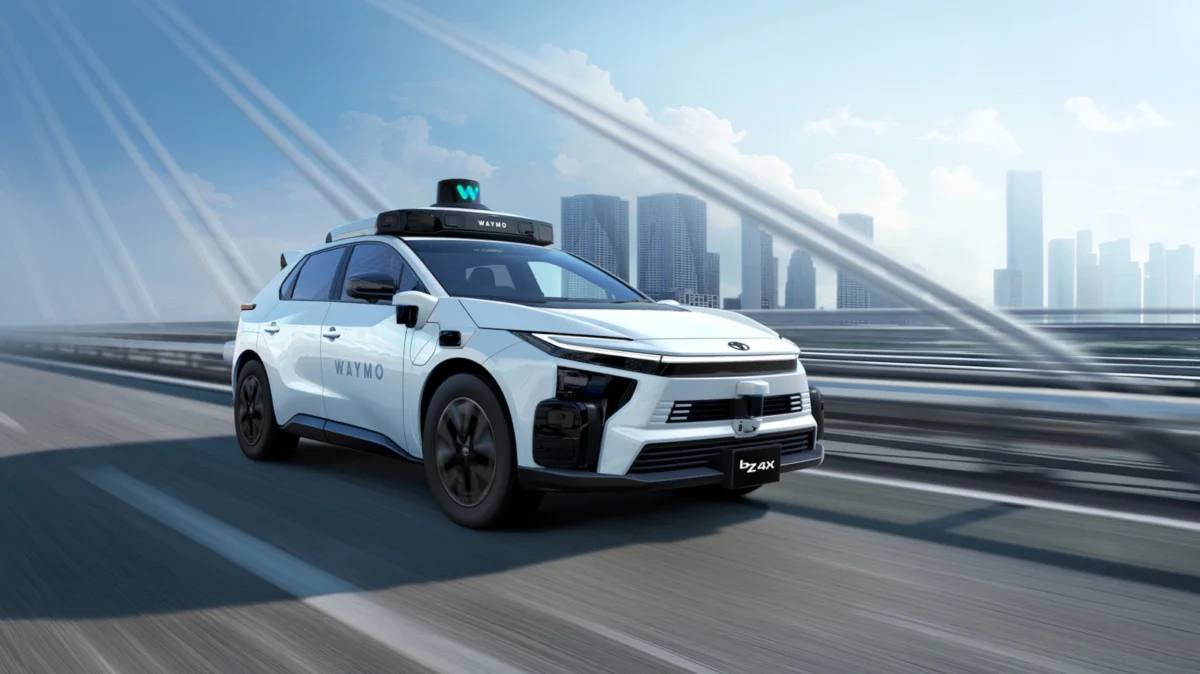
The landscape of autonomous transportation is undergoing a seismic shift as two industry titans, Toyota Motor Corporation and Waymo, deepen their strategic partnership. Following an initial agreement signed in April 2025, the companies have officially confirmed plans to integrate the Toyota bZ4X—the automaker’s flagship modern electric SUV—into Waymo’s autonomous ride-hailing fleet. This collaboration, which marks a significant milestone in Level 4 autonomous vehicle development, is set to debut in Japan in 2027, with subsequent expansions planned for the United Kingdom and other major right-hand drive markets.
The Core Partnership: Merging Manufacturing and AI
At the heart of this initiative is a synergistic blending of distinct corporate strengths. Toyota, the world’s largest automaker by volume, brings to the table its sophisticated e-TNGA (Toyota New Global Architecture) platform and unparalleled manufacturing precision. Conversely, Waymo, the Alphabet-owned autonomous driving pioneer, contributes the "Waymo Driver," a sophisticated suite of hardware and software designed to navigate complex urban environments without human intervention.
The vehicles intended for the robotaxi fleet will be produced at Toyota’s Takaoka plant in Aichi Prefecture. This facility will serve as the primary hub for the assembly of the bZ4X, but it will also play a critical role in the integration of Waymo’s proprietary sensor suites, lidar arrays, and compute modules directly on the production line. This "factory-fit" approach represents a significant departure from traditional retrofitting, promising higher vehicle reliability and a more streamlined path to mass-market scaling.
Chronology: A Roadmap to Autonomous Mobility
The trajectory of this partnership highlights a calculated, multi-phase approach to international deployment:
- April 2025: Toyota and Waymo announce a preliminary agreement to collaborate on a new autonomous vehicle platform, signaling a shift in Toyota’s stance toward high-level autonomy.
- 2025–2026: Waymo begins foundational testing in Tokyo, utilizing Jaguar I-PACE vehicles. These trials involve human drivers from the prominent Japanese taxi operator, Nihon Kotsu Co., to collect high-fidelity data and train the Waymo Driver on the nuances of Japanese traffic laws and dense urban driving behaviors.
- 2027 (Projected): The official launch of the fully autonomous ride-hailing service in Tokyo. This launch will likely feature the initial deployment of the Waymo-equipped bZ4X fleet.
- Post-2027: The companies plan to leverage the operational lessons learned in Japan to enter the United Kingdom and other international right-hand drive markets, creating a global blueprint for standardized autonomous transportation.
The Toyota bZ4X: A Foundation for Autonomy
The choice of the bZ4X as the primary vehicle for this endeavor is strategic. As Toyota’s first dedicated, mass-market battery electric vehicle (BEV), the bZ4X is built on a modular platform that offers the packaging flexibility required for the heavy compute stacks and cooling systems necessary for Level 4 autonomy.
By utilizing the e-TNGA architecture, Toyota ensures that the vehicle maintains the structural integrity and safety standards expected of a global automaker while accommodating the specialized needs of Waymo’s sensor integration. The Takaoka plant’s involvement is particularly significant; by embedding Waymo’s hardware during the assembly process rather than as an aftermarket modification, the companies are aiming to solve one of the biggest hurdles in the robotaxi industry: maintenance and scalability.
Official Perspectives: Aligning Vision and Safety
The collaboration is framed by both companies as a mission-critical effort to improve road safety and address global mobility challenges. In a joint statement, representatives from both firms noted: "By pairing Toyota’s global manufacturing and vehicle development expertise with Waymo’s fully autonomous technology, the companies will accelerate scaling safety-validated Level 4 autonomous vehicles globally."
Toyota’s pivot toward this partnership underscores a shift in their internal philosophy. While the company has historically favored a more cautious, incremental approach to automation, the collaboration with Waymo suggests a recognition that the "freedom of movement for all"—a core tenet of Toyota’s corporate mission—requires the rapid deployment of high-level AI-driven systems.
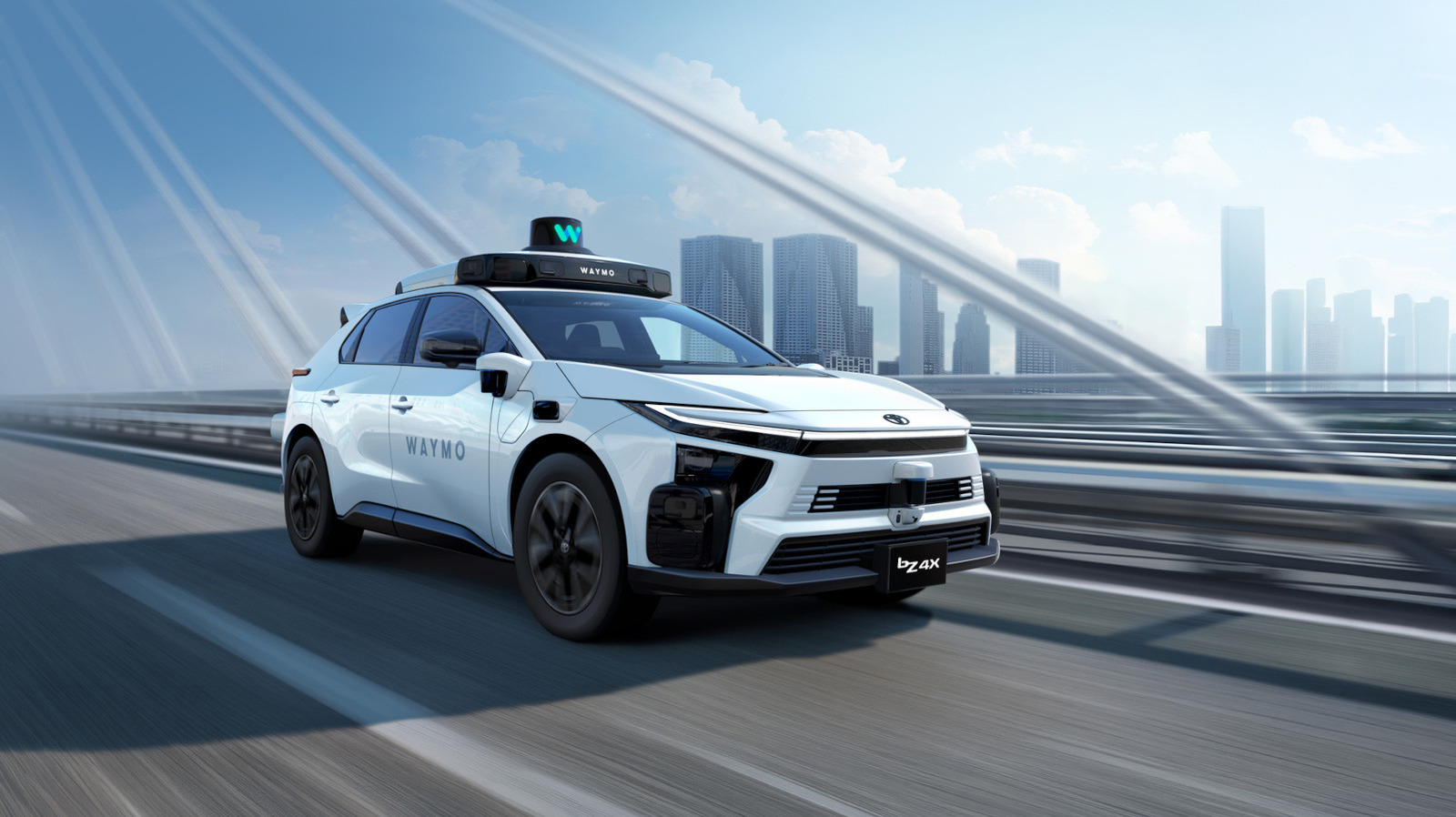
Waymo, for its part, views this as a vital step in diversifying its fleet. While the Jaguar I-PACE proved capable for initial testing, the high-volume manufacturing capacity provided by Toyota allows Waymo to transition from experimental pilot programs to a sustainable commercial model capable of serving millions of riders.
Implications for the Future of Urban Transit
The implications of this partnership extend far beyond the Japanese market. Several key factors highlight why this is a transformative development for the automotive sector:
1. The Right-Hand Drive Advantage
Historically, most autonomous development has been concentrated in the United States, which primarily utilizes left-hand drive vehicles. By focusing specifically on right-hand drive markets like Japan and the UK, Toyota and Waymo are addressing a significant geographic gap in the autonomous ecosystem. Mastering the complexities of driving on the "left" requires a fundamental redesign of perception software, as lane positioning, intersection logic, and pedestrian interaction vary significantly compared to North American norms.
2. Regulatory and Cultural Integration
The success of Waymo in Tokyo is highly dependent on its partnership with local industry players like Nihon Kotsu Co. By working with established Japanese taxi companies, Waymo is navigating the complex regulatory environment and cultural expectations of the Japanese transport sector. This "local-first" approach is likely to be the blueprint for their entry into the UK and other Commonwealth nations.
3. Economic Scalability
One of the greatest challenges to the "Robotaxi" business model has been the high cost of vehicle manufacturing and sensor maintenance. By integrating Waymo’s hardware into Toyota’s established supply chain, the per-unit cost of an autonomous vehicle is expected to drop significantly. This is essential for lowering the price of ride-hailing services to a level that can compete with, or eventually undercut, the cost of personal vehicle ownership.
4. Safety as a Competitive Moat
The promise of "safety-validated" technology is the bedrock upon which public trust will be built. Both companies are acutely aware that a single high-profile failure could set the industry back by years. Consequently, the testing phase—involving thousands of hours of data collection with human-monitored drives—is designed to ensure that the Waymo Driver is not just capable, but demonstrably safer than the average human driver in the specific, often challenging conditions of Japanese urban centers.
Conclusion: A Global Standard in the Making
As we look toward 2027, the Toyota-Waymo alliance stands as the most robust contender for setting the international standard for autonomous transit. By combining the legendary reliability and manufacturing scale of the world’s most successful automaker with the most advanced AI software currently in existence, the partnership is effectively building a "global vehicle" for the autonomous age.
The transition from the current testing phase in Tokyo to a full-scale commercial deployment will serve as the ultimate litmus test. If successful, it will prove that autonomous vehicles are not merely an experimental curiosity for a few US tech hubs, but a scalable, reliable, and safe solution for the world’s densest, most complex urban environments. The road ahead is long, but with the bZ4X, the path toward a driverless future has never been clearer.