In the modern digital ecosystem, the act of opening a social media application has become a paradoxical ritual. You reach for your phone seeking a momentary reprieve—a brief break from the monotony of the workday or a quiet interval during a commute. Yet, twenty minutes later, you find yourself trapped in a cycle of digital despair: embroiled in a contentious comment-section debate, anxious about a global crisis you weren’t aware of an hour ago, and suffering from the disorienting "Why did I pick this up?" malaise that follows an aimless scrolling session.
This phenomenon, widely recognized as "doomscrolling," has become a defining struggle of the smartphone era. However, a conscious shift in user behavior is emerging as a potent antidote. Enter "bloomscrolling": the intentional practice of curating and seeking out uplifting, calming, or inspiring content to restore balance to one’s digital diet.
The Anatomy of a Digital Pivot
Bloomscrolling is more than just "positive thinking"; it is an active, curated approach to consumption. While doomscrolling is passive—a surrender to the algorithmic whims of a feed designed to maximize engagement through outrage and fear—bloomscrolling is an act of agency. It involves navigating toward specific, nourishing destinations: perhaps a live stream of an Australian coral reef, the meticulous process of a master artisan, or the heartwarming updates from a beloved pet account.
The goal is not to cultivate ignorance. As neuropsychologist Sanam Hafeez emphasizes, bloomscrolling is not a mechanism for denial. "It does not mean pretending that bad things are not happening or completely avoiding the news," Hafeez explained in a recent interview with Real Simple. "It is more about creating a healthier balance so that everything you see online is not making you feel anxious, angry, or overwhelmed."
Chronology of the Doom vs. Bloom Dynamic
The evolution of the "scroll" has tracked closely with the sophistication of recommendation algorithms.
- 2010–2015: The Discovery Era: Social media feeds were primarily chronological. Users saw what their friends posted, leading to a sense of social connection, though the "fear of missing out" (FOMO) began to take root.
- 2016–2020: The Engagement Era: Platforms shifted to algorithmic feeds designed to optimize "time spent." Content that triggered high-arousal emotions—specifically anger and anxiety—began to dominate, as these emotions kept users clicking. This marked the peak of the doomscrolling epidemic.
- 2021–Present: The Curated Era: As mental health awareness grew, users began to push back against the relentless barrage of negative news. The term "bloomscrolling" emerged as a linguistic marker for the movement toward intentional, restorative consumption, aided by platform tools that allow users to reset their preferences.
Supporting Data: The Science of the "Cute" and the "Calm"
The shift toward bloomscrolling is backed by a growing body of psychological research suggesting that our visual environment has a tangible impact on cognitive function and stress levels.
The Nature Effect
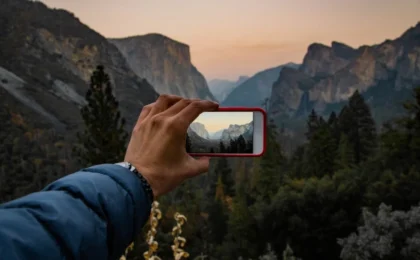
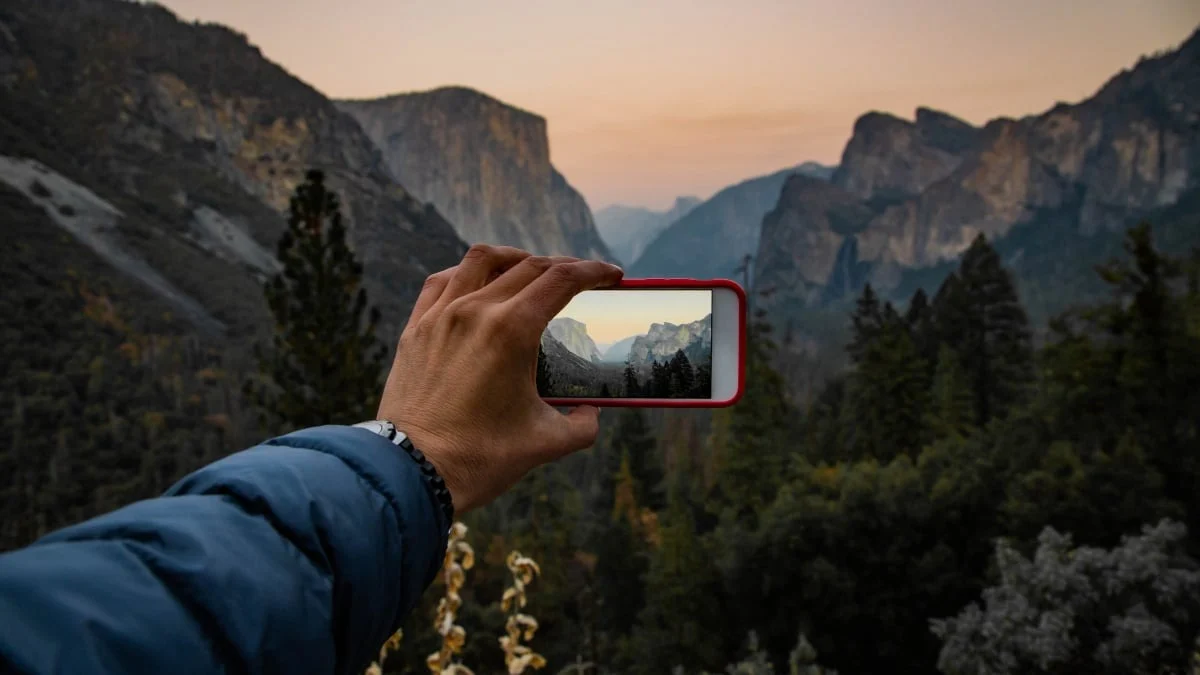
A pivotal 2021 study published in PMC explored the impact of digital exposure to natural versus built environments. Researchers recruited 30 young adults and tasked them with viewing images of natural scenery and urban landscapes for three minutes each. The results were telling: participants consistently reported feeling more comfortable and relaxed after viewing nature images. While the study noted that "vigor" did not necessarily increase, the reduction in stress markers was significant enough to suggest that short, intentional digital exposure to nature can act as a "micro-break" for the nervous system.
The "Kawaii" Factor
The benefits of curated content extend to the "cute" as well. A 2012 study published in PLOS One by researchers in Japan examined how viewing images of puppies and kittens influenced task performance. In a series of experiments, participants were asked to perform tasks requiring dexterity or visual focus. Those who viewed images of puppies and kittens showed marked improvements in their performance compared to those who viewed adult animals or neutral images.
These findings suggest that "bloomscrolling" isn’t merely a distraction; it is a cognitive intervention. By shifting the brain from a state of hyper-vigilance (the "doom" state) to one of comfort or focused appreciation, users may actually be resetting their capacity for productivity.
Official Perspectives and Expert Insight
Mental health professionals have begun to formalize the advice surrounding digital hygiene. The consensus is clear: total abstinence from social media is rarely feasible, but mindful consumption is essential.
"The brain is not wired to process the sheer volume of global crises we are presented with on a second-by-second basis," says Dr. Aris Thorne, a researcher in digital psychology. "When we doomscroll, we are constantly triggering our ‘fight or flight’ response. Bloomscrolling allows the parasympathetic nervous system—the ‘rest and digest’ system—to take over."
Experts point out that the danger of the modern feed is its lack of "closure." Because social media feeds are effectively infinite, they never provide the brain with a signal that a task is complete. This is where the strategy of "intentional destination" comes in. By deciding what you want to see before opening the app—and setting a timer to ensure you stop—you transform a loop into a task.
Implications for the Future of Social Platforms
The rise of bloomscrolling has put pressure on platform developers to rethink their engagement metrics. While these platforms have historically favored "time-on-site" above all else, there is a burgeoning "well-being" movement within the tech industry.
- Algorithmic Transparency: Features that allow users to reset their "interest" tags and curate feeds based on positive reinforcement are becoming standard, albeit underutilized.
- The "Slow Content" Trend: Creators are increasingly finding success by producing long-form, calming content—such as "day in the life" vlogs or educational deep dives—that encourages viewers to leave the app feeling informed or rested rather than agitated.
- Digital Wellbeing Tools: Third-party interventions, such as physical screen-time limiters (e.g., the Brick) or in-app "take a break" reminders, are signaling a cultural shift toward respecting the user’s time.
How to Bloomscroll Without Losing Your Day
Implementing a bloomscrolling habit does not require a total digital detox. It requires a strategy of replacement rather than subtraction.
1. Curate Your Input
Start by auditing your follows. If an account consistently leaves you feeling drained, angry, or inadequate, unfollow or mute them. Conversely, seek out "social good" creators. For example, accounts like those of Alexis Nikole Nelson (@alexisnikole) offer education and enthusiasm for the natural world, while Sam Bentley (@sambentley) focuses on verifiable progress in environmental and social justice—providing a necessary counter-narrative to the idea that the world is entirely in decline.
2. Define the Purpose
Before you unlock your phone, ask yourself: "What do I need right now?" If you are tired, look for nature footage or slow-living content (like the Arctic cabin routines of Cecilia Blomdahl). If you are bored, seek out a creative tutorial. If you are anxious, seek out positive news. By giving the session a purpose, you turn the device into a tool rather than a master.
3. Implement "Hard" Stops
Because the feed has no end, you must provide one. Use a physical timer, a digital screen-time app, or a device like a hardware screen-locker to ensure your break remains a break.
4. Bridge to Reality
The ultimate success of bloomscrolling is measured by how quickly you can put the phone down. Use the inspiration you find online to fuel your physical life. If you watch a cooking video, head to the kitchen. If you see a nature scene, go for a walk.
As we navigate an increasingly loud and chaotic digital landscape, bloomscrolling offers a path toward agency. It is a reminder that while we cannot control the state of the world, we can curate the small, vital window through which we view it. Sometimes, the most radical act of self-care is choosing to look at something beautiful, breathing, and then—crucially—returning to the world that exists outside the screen.