In a chilling evolution of cybercrime, security researchers at Cisco Talos have uncovered a sophisticated new breed of Windows-based infostealer that leverages artificial intelligence to streamline the process of victim exploitation. Dubbed "VOLTA-AUTODOXER," this malicious software does more than just harvest sensitive data; it acts as a digital forensic analyst, utilizing large language models (LLMs)—specifically Anthropic’s Claude—to prioritize its targets based on their financial and strategic value.
This development marks a significant shift in the threat landscape, signaling that attackers are no longer just casting wide nets; they are using AI to perform automated triage, ensuring that their efforts are focused on the most lucrative victims.
Main Facts: The Anatomy of a Digital Predator
The VOLTA-AUTODOXER malware is categorized as a "self-deleting" infostealer, a design choice intended to leave minimal forensic footprints on the victim’s machine. Once it has successfully exfiltrated its haul of data, the malware performs a cleanup operation to evade detection by standard antivirus solutions.
The AI-Driven Assessment
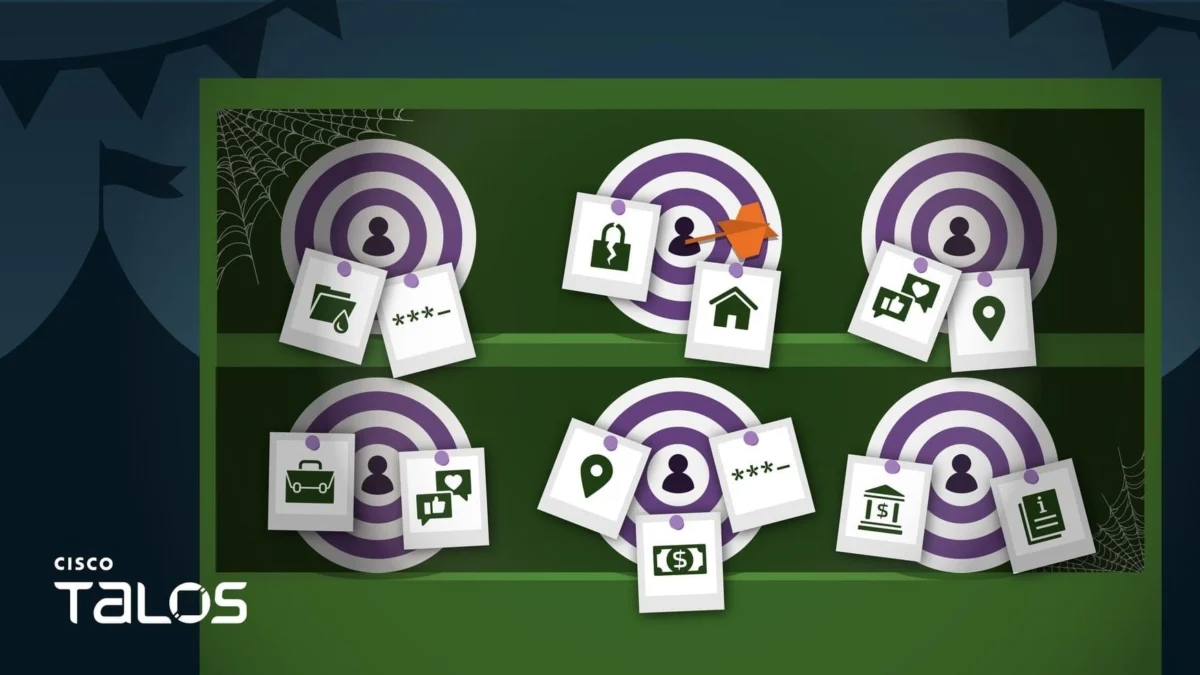
The most alarming feature of VOLTA is its integration with LLMs. After scraping a victim’s device, the malware constructs a structured "evidence bundle." This package includes everything from geolocation data and employer information to cryptographically sensitive credentials. Instead of manual sorting, the malware transmits this data to an AI model—configured to act as a "forensic intelligence analyst."
The prompt engineering behind this attack is sophisticated. The malware instructs the AI to be "blunt, specific, and accurate," tasking it with generating a prioritized list of the victim’s assets. By evaluating the stolen data, the AI assesses the potential "cash-out" value of the victim, effectively acting as an automated consultant for the cybercriminal. If one model refuses the prompt, the malware is programmed to cycle through other available models, or, if necessary, proceed without AI assistance, ensuring the attack remains resilient.
Chronology: From Infection to Exfiltration
The lifecycle of a VOLTA-AUTODOXER attack is a multi-stage operation designed for efficiency and maximum data extraction.
1. The Initial Compromise
Like many modern threats, VOLTA-AUTODOXER relies on social engineering and deceptive delivery methods. Recent campaigns have been linked to fake emulators—such as those promising the ability to run PlayStation 5 games on PC—which serve as the trojan horse. When users download these malicious packages, they are inadvertently granting the malware administrative-level access to their systems.
2. The Harvesting Phase
Once inside the system, the malware initiates a comprehensive sweep of the user’s digital footprint. It targets:
- Credentials: Browser passwords, cookies, and saved payment card information.
- Communications: Email profiles from Thunderbird and Outlook.
- Gaming and Identity: Roblox accounts and Microsoft OAuth tokens.
- Infrastructure: SSH keys and cloud-provider configuration files.
- Networking: Wi-Fi passwords, which are extracted in plaintext.
- Finance: Cryptocurrency wallets, which the malware attempts to crack locally before exfiltration.
3. The "Evidence Bundle" Creation
Once the data is gathered, the malware doesn’t simply dump it onto a server. It compiles a "dossier" on the victim. This includes metadata such as document authorship, employer domains, inferred birth years, and even partial payment card details.
4. AI-Driven Prioritization
This dossier is sent to the LLM. The AI analyzes the victim’s "wealth profile" and returns an assessment of what should be targeted first. This allows the attacker to distinguish between a casual home user and a high-value corporate employee, optimizing their time for maximum profit.
5. Self-Destruction
After the AI returns its assessment and the data is securely exfiltrated to the attacker’s command-and-control (C2) server, the malware deletes itself. This "hit-and-run" tactic makes post-incident investigation significantly more difficult for internal IT and cybersecurity forensic teams.
Supporting Data: What’s at Stake?
The sheer breadth of information harvested by VOLTA-AUTODOXER is staggering. By targeting OAuth tokens and cloud configurations, the malware essentially grants the attacker "keys to the kingdom."
The Value of the Bundle
- Cloud Configurations: Access to AWS, Azure, or Google Cloud credentials can allow attackers to deploy further ransomware or use the victim’s cloud resources for large-scale cryptomining, often resulting in massive financial costs for the victim’s employer.
- OAuth Tokens: These tokens allow attackers to bypass multi-factor authentication (MFA) in many scenarios, providing persistent access to email and enterprise accounts even if the user changes their password.
- Plaintext Wi-Fi Credentials: By capturing these, the attacker can potentially map the victim’s home network and pivot to other connected devices, including IoT cameras or smart home systems, increasing the potential for physical-world harassment or extortion.
Official Responses and Security Insights
Cisco Talos, in their comprehensive report, emphasized the danger of "AI-assisted triage." While LLMs have built-in safety guardrails, researchers noted that the prompts used by the malware are designed to bypass these ethical constraints by framing the request as a legitimate, objective intelligence analysis.
"The automation of victim prioritization represents a maturation of the cybercriminal business model," said a lead analyst at Talos. "They are moving from a ‘spray and pray’ model to a ‘curated exploitation’ model. By using AI to determine who is worth attacking, they are increasing their return on investment significantly."
Anthropic and other AI providers are constantly updating their safety protocols to detect and block malicious prompts. However, the cat-and-mouse game continues. As models become more powerful, their ability to parse complex data and provide actionable intelligence for criminals increases, necessitating more robust monitoring of API traffic by AI developers.
Implications: The New Frontier of AI-Orchestrated Crime
The emergence of VOLTA-AUTODOXER is a wake-up call for both the cybersecurity industry and the general public. It demonstrates that the same AI tools meant to drive innovation are being repurposed for destruction.
1. The Death of "Mass-Market" Malware
Historically, malware developers relied on the sheer volume of infections to make money. With AI, attackers can be more discerning. This means that a user might be targeted for a customized spear-phishing campaign based on the specific "valuation" the AI gave them, rather than a generic spam email.
2. The Challenge of Forensic Detection
Because the malware is self-deleting and the "brain" of the operation—the AI—is hosted on legitimate infrastructure, tracking the origin of the attack becomes increasingly difficult. Law enforcement agencies are struggling to keep pace with an architecture that spans across multiple global jurisdictions and leverages third-party AI services.
3. The Necessity of Identity-Centric Security
With the rise of token-stealing malware, traditional password-based security is effectively obsolete. Organizations must transition to hardware-backed security keys and zero-trust architectures. If a machine is compromised, the goal should be to limit the "blast radius" so that stolen tokens cannot be used from an unauthorized location or IP address.
4. A Future of "Automated" Adversaries
We are likely entering an era where cyberattacks will be entirely autonomous. Future malware may not just use AI for prioritization; it could use AI for autonomous lateral movement, vulnerability discovery, and real-time evasion of EDR (Endpoint Detection and Response) systems.
Final Recommendations
To protect against threats like VOLTA-AUTODOXER, users must exercise extreme caution when downloading software from non-reputable sources, especially "emulators" or "cracks." Organizations should implement strict endpoint controls, including:
- Application Whitelisting: Prevent unauthorized code from executing.
- Token Expiration Policies: Reduce the lifespan of OAuth tokens to mitigate the impact of theft.
- Behavioral Analysis: Deploy security tools that monitor for anomalous data exfiltration patterns rather than just relying on signature-based detection.
The VOLTA-AUTODOXER malware is a harbinger of a more intelligent, more efficient, and more dangerous threat landscape. As the barrier to entry for using AI in cybercrime continues to fall, the burden of defense rests heavily on the shoulders of software vendors, cloud providers, and individual users alike. We are no longer just fighting code; we are fighting a new form of digital, AI-augmented greed.