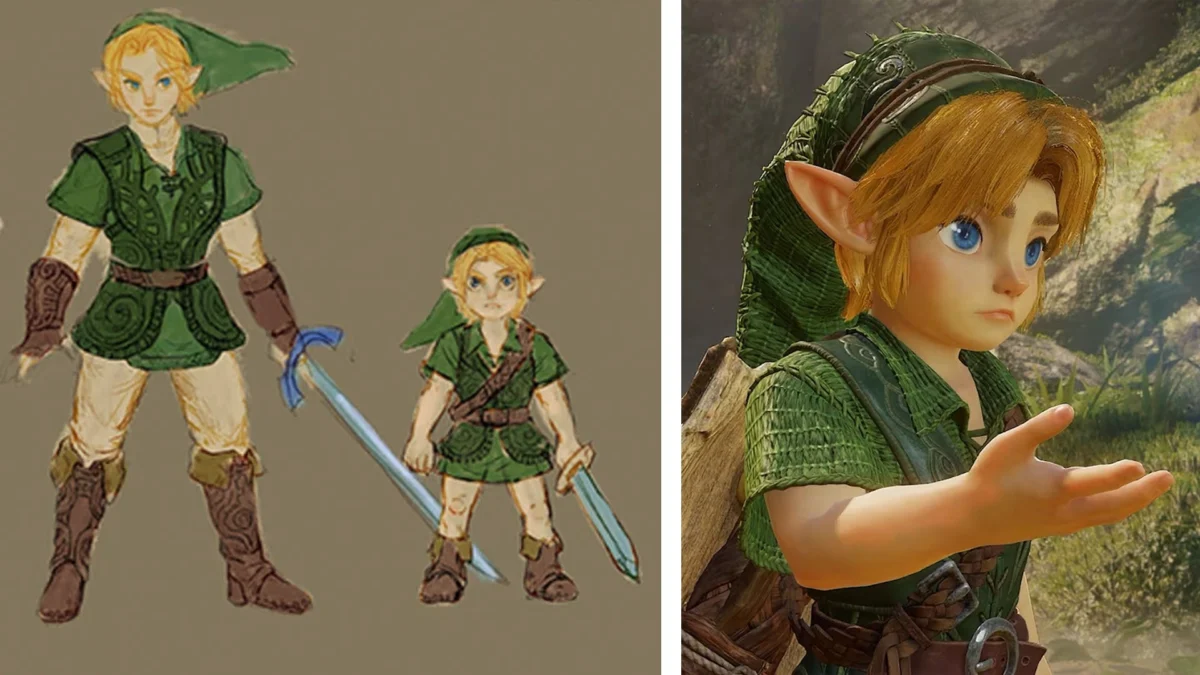
The announcement of a modern remake for The Legend of Zelda: Ocarina of Time initially sent ripples of apprehension through the gaming community. As one of the most revered titles in video game history, the 1998 classic carries a heavy burden of expectation. When the first teaser revealed a highly realistic art style, fans were polarized, fearing that Nintendo might strip away the whimsical, dreamlike soul that defined the original Hyrule. However, as hands-on previews emerge and the development team sheds light on their process, it is becoming clear that this is not merely a graphical facelift, but a thoughtful, surgical reconstruction of a legend.
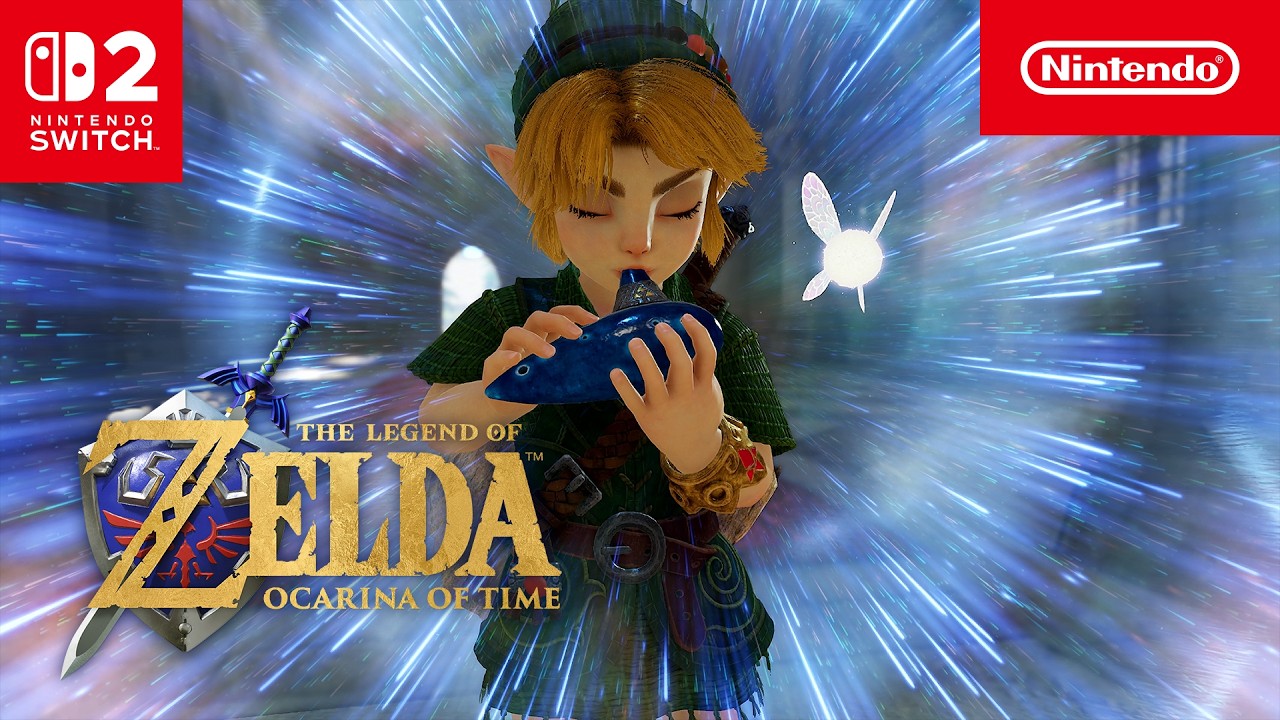
Launching on the Nintendo Switch 2 on November 5, 2026, the remake arrives as a testament to the enduring power of the series. By blending cutting-edge graphical fidelity with a deep reverence for the original’s design philosophy, Nintendo is attempting to bridge a 28-year gap, proving that while technology evolves, the magic of discovery remains timeless.
A Legacy Reimagined: The Main Facts
The Ocarina of Time remake represents a massive undertaking for Nintendo. This is not a simple port; it is a ground-up recreation that retains the original’s spatial geometry while populating it with modern, high-fidelity assets. Players can expect a comprehensive overhaul, including enriched, dense environments, revamped controls, additional dialogue, and fully voiced cutscenes that add a new layer of emotional depth to Link’s journey.
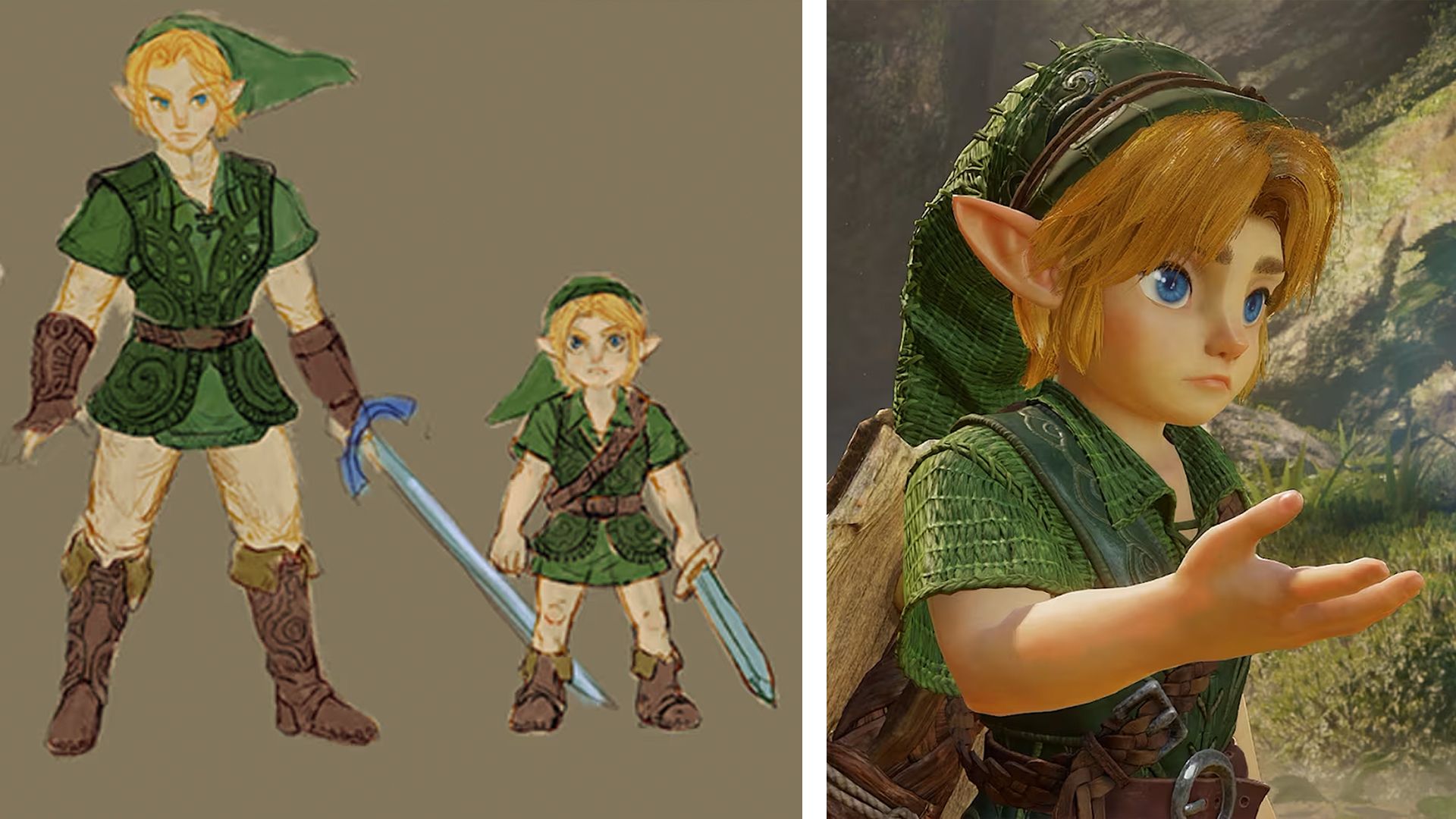
Crucially, the game addresses several technical "creakiness" issues that plagued the original hardware. While the N64 version was a miracle of engineering for its time, the remake brings fluid movement, improved camera stability, and a more intuitive interface. Despite these quality-of-life improvements, the core identity—the "heartbeat" of the game—remains tethered to the 1998 blueprint.
A Chronology of Development: From Concept to Reality
The journey toward this remake began as the franchise approached its 40th anniversary. According to series producer Eiji Aonuma, the project was born out of a desire for institutional learning. The goal was to have a new generation of developers grapple with the foundational structure of the Zelda series.
"By learning the game structure and development style behind the original Ocarina of Time, and by actually rebuilding it as a full remake, it may trigger new insights that they can carry forward into future development," Aonuma explained in recent interviews.
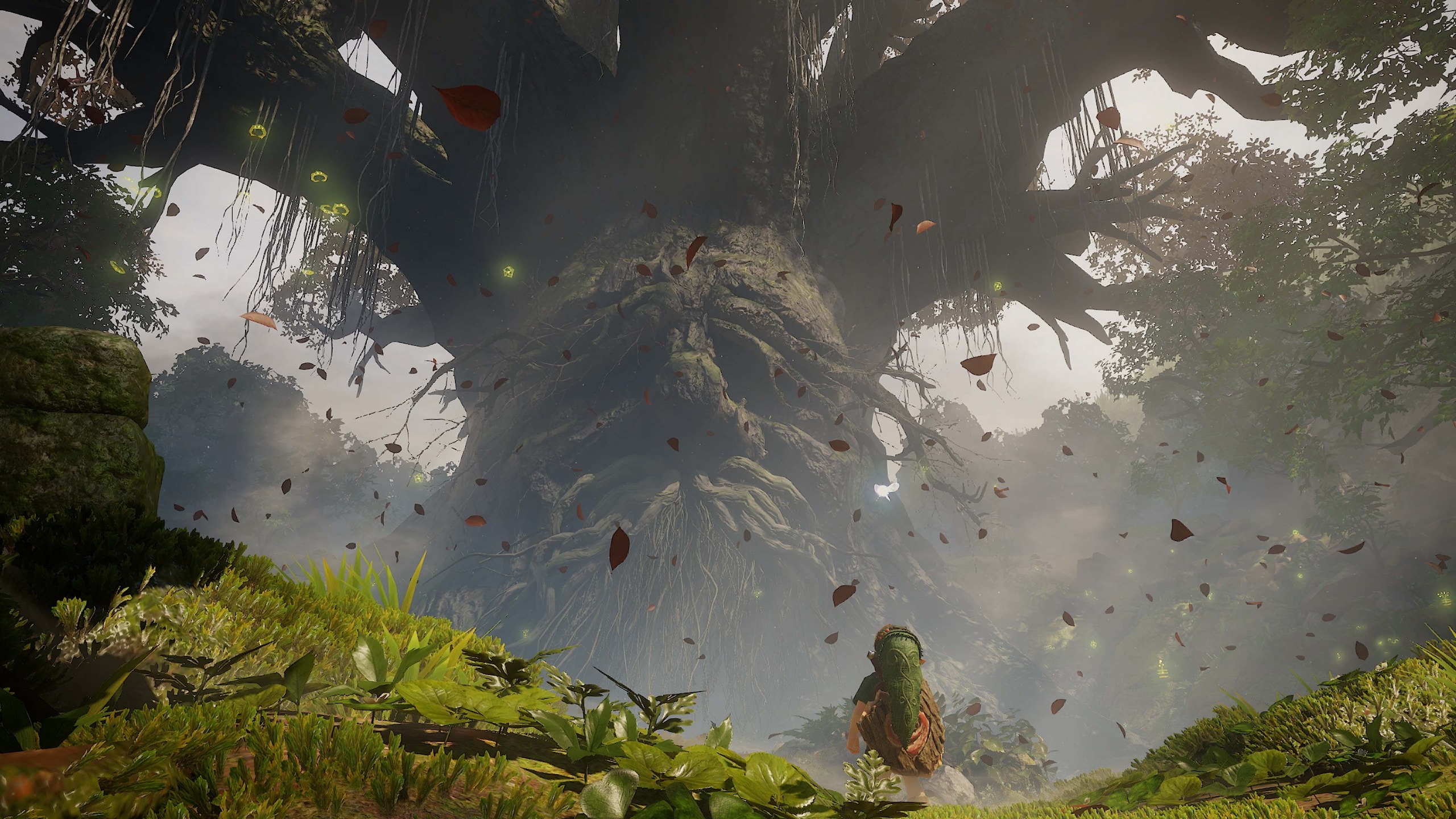
The development process was iterative and at times contentious. Early stages involved extensive research into the "feel" of the world. Art director Aya Shida and her team spent time analyzing materials in museums, experimenting with physical thread and fabric, and studying the aesthetic of practical effects in cinema to ensure that the textures of Link’s tunic and the wood grain of the Great Deku Tree felt "handmade" and believable rather than sterile and digital.
The decision-making process was equally rigorous. Several modernizations, such as the introduction of warp points similar to those found in Breath of the Wild, were implemented, playtested, and subsequently removed when the team realized they fundamentally undermined the joy of discovery that defined the original experience.
Supporting Data: The "Puppet-Show" Aesthetic
A core pillar of the remake’s visual identity is the deliberate avoidance of pure photorealism. In the Ask the Developer series, Aya Shida emphasized that the team aimed for a "puppet-show" feel—an aesthetic that mirrors the analog charm of practical effects films.
"Neither puppet shows nor practical effects films reproduce reality exactly as it is," Shida noted. "Even so, both create a convincing sense that the characters truly exist within their respective fantasy worlds."
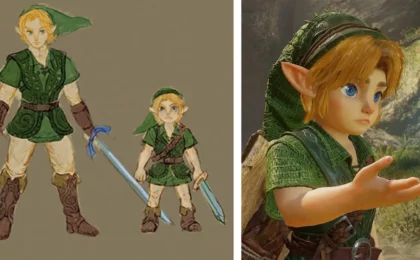
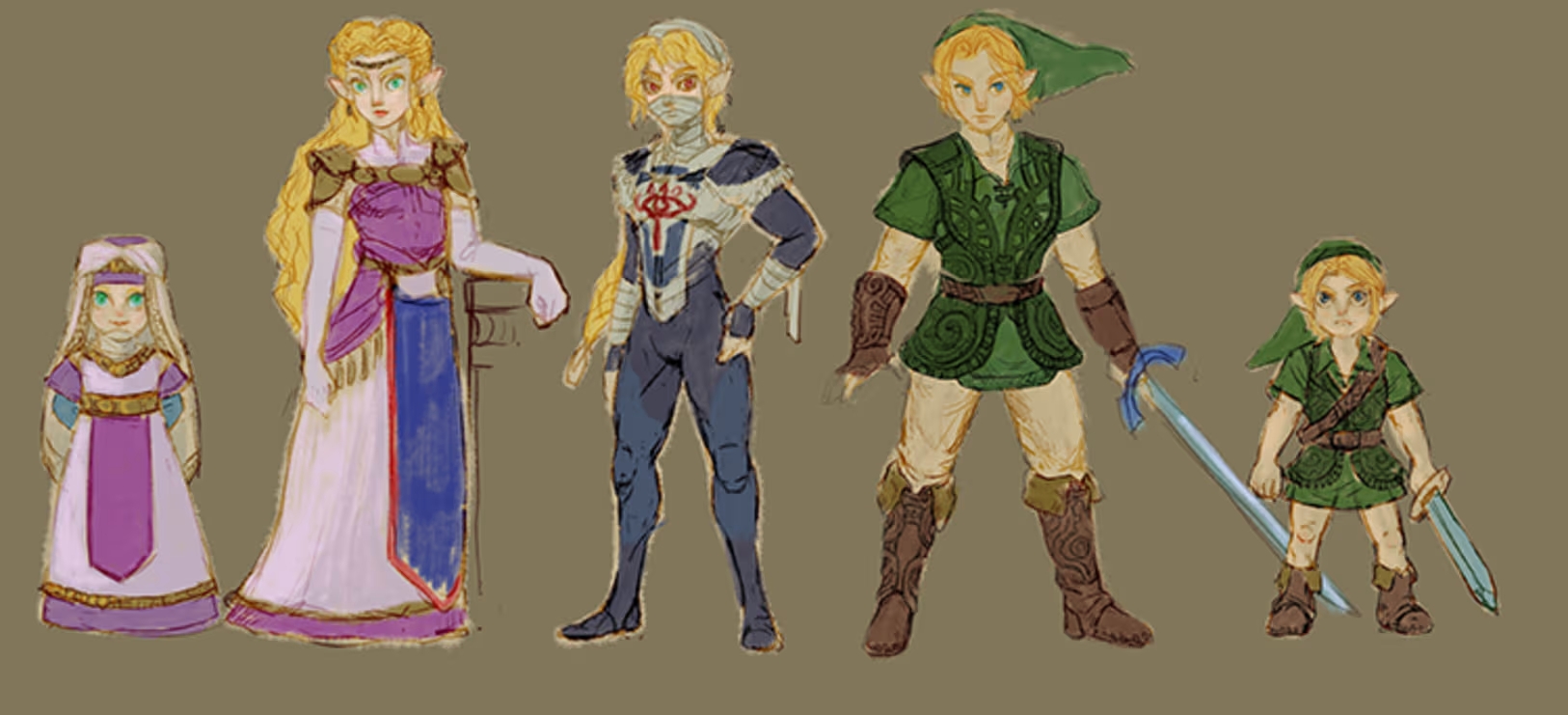
This design philosophy was applied to the characters themselves. While Link and Zelda feature far more detail than their low-polygon predecessors, the team maintained the exaggerated features of the N64 models. The objective was to ensure that even when viewed from a distance, players would instantly recognize the iconic silhouettes they have known for nearly three decades. This "familiarity-first" approach is a direct response to the community’s initial fear of a jarring, overly realistic visual shift.
Official Responses and Developer Philosophy
The development team has been transparent about the challenges of remaking a masterpiece. The most significant shift in gameplay is the addition of a dedicated jump button. In the original, Link would automatically hop off ledges, which occasionally led to frustration in precision-based scenarios. By introducing a manual jump, the developers have provided players with more agency, though they admit it requires a period of adjustment for veteran players accustomed to the original’s automated mechanics.
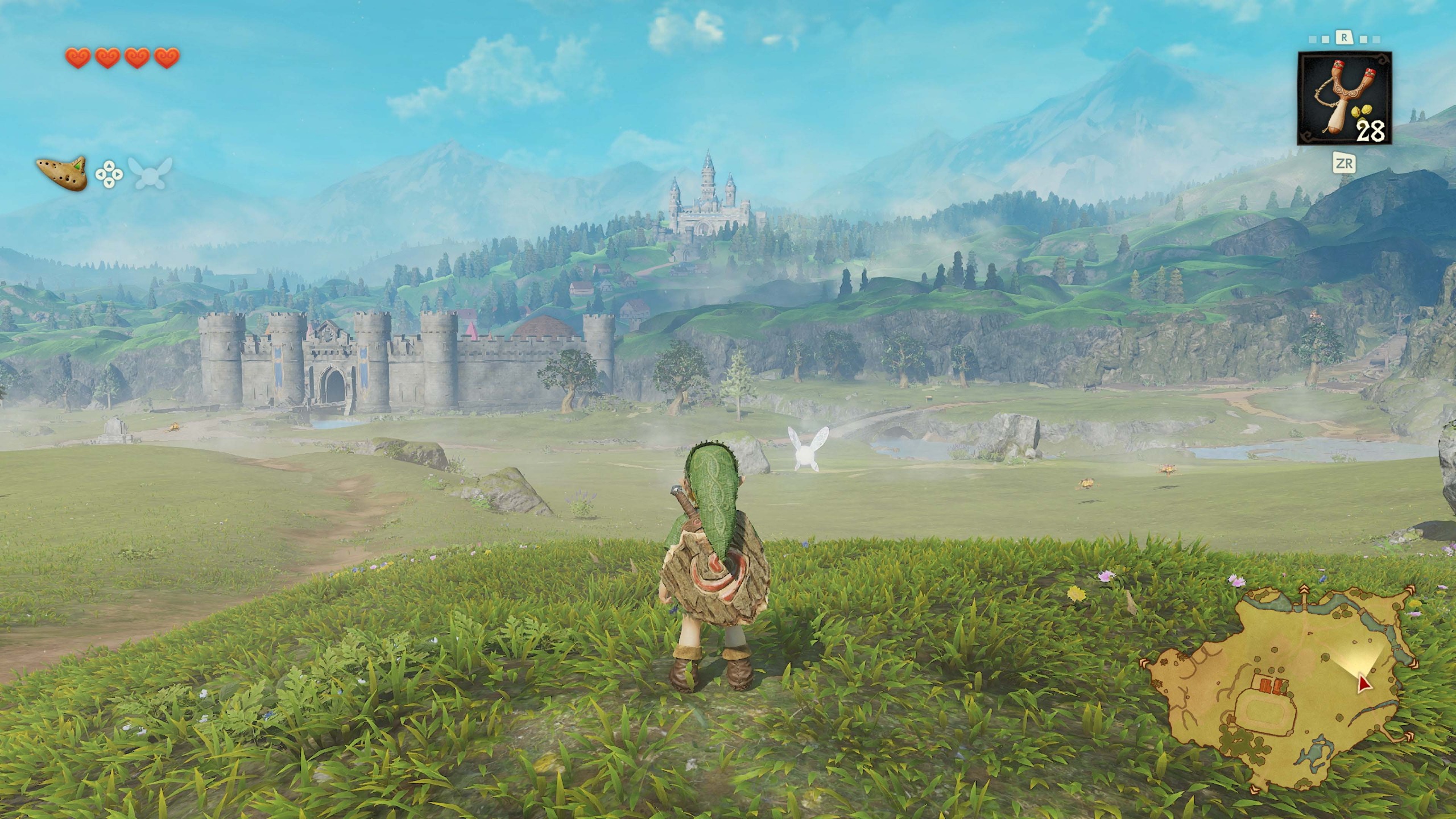
Eiji Aonuma’s reflection on the "rolling" mechanic provides a fascinating look into the developer’s mindset. In the original, players frequently "spammed" the forward roll to traverse Hyrule Field quickly. While the team considered adding fast-travel warp points to rectify this, they discovered that the act of traversing the terrain—the physical journey between locations—was a vital component of the game’s pacing.
"I thought we needed to address this in this new version," Aonuma said. "However, through this development process, we were reminded once again just how important those moments are to the very structure of the game. So even though I was the one who proposed adding warp points, they just weren’t working for me in the end."
This anecdote encapsulates the remake’s philosophy: every change was vetted against the original’s soul. If a feature didn’t enhance the core experience, it was stripped away, regardless of how "modern" or "convenient" it seemed.
Implications for the Future of Zelda
The implications of this project reach far beyond the release of a single game. By forcing a new generation of developers to deconstruct and rebuild Ocarina of Time, Nintendo is essentially conducting a masterclass in game design. The insights gained from this project are expected to influence the trajectory of future Zelda titles, potentially bridging the gap between the classic, linear dungeon-crawling experiences and the sprawling, open-ended freedom of the modern era.
This remake is not just a gift to fans of the original; it is a bridge between the past and the future. It demonstrates that the "Zelda formula"—a delicate balance of exploration, puzzle-solving, and emotional resonance—is not bound to the technical limitations of 1998, nor does it require the complete abandonment of tradition for the sake of modernization.
As the release date of November 5, 2026, approaches, the consensus among those who have had hands-on time with the game is one of cautious optimism evolving into genuine excitement. The game appears to be a rare example of a remake that respects its source material enough to know when to innovate and, more importantly, when to leave well enough alone.

For those who grew up in the shadow of the Deku Tree, the upcoming release is more than a chance to play a better-looking version of a favorite game; it is an opportunity to re-enter a world that has been carefully, lovingly preserved for a new generation. In an era where the industry is often criticized for a lack of original ideas or the soulless churning of remasters, The Legend of Zelda: Ocarina of Time on the Nintendo Switch 2 stands as a potential benchmark for how to honor the past while embracing the possibilities of the future.
As the industry watches, the question remains: Can the magic of 1998 capture the hearts of players in 2026? If the development team’s commitment to the "analog feel" and the sanctity of exploration is any indication, the answer is a resounding yes. Hyrule is not just being rebuilt; it is being rediscovered.