In the high-stakes world of cinematic storytelling, the environment is never merely a backdrop; it is a character in its own right. Few individuals have mastered the delicate balance of narrative architecture and visual spectacle as effectively as Christopher Glass. An award-winning production designer whose career traverses the expansive landscapes of blockbuster cinema, high-concept television, and world-class advertising, Glass has become a luminary in a field undergoing a radical transformation.
From the lush, digital-meets-practical forests of The Jungle Book to the gritty, imaginative sets of Boots Riley’s latest project, I Love Boosters, Glass has built a reputation for a "radically practical" approach to design. As the industry faces the existential pressures of generative AI and shifting production methodologies, Glass remains a staunch advocate for the tactile, the tangible, and the human element in storytelling.
The Architecture of a Career: A Chronological Overview
Christopher Glass’s trajectory in the industry is a testament to the power of "learning by fire." His career did not follow a conventional path of academic rigidity; rather, it was forged through the relentless pressures of on-set production, where quick thinking and artistic intuition are the primary currencies.
The Advertising Crucible
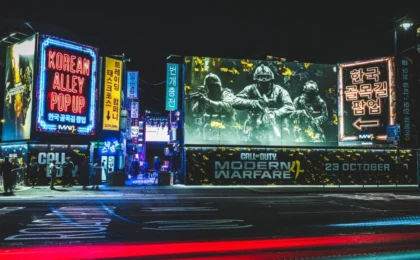
Early in his career, Glass cut his teeth in the advertising sector. This high-pressure environment demanded immediate visual impact—a skill that served him well when he eventually transitioned to feature films. By collaborating with industry titans such as Coca-Cola, Microsoft, Mercedes-Benz, and Apple, Glass mastered the art of "brand-space" design. He learned how to imbue a product with a personality through the strategic placement of light, texture, and geometry. These early projects for multinational giants provided him with the financial and creative autonomy to push the boundaries of what a commercial set could look like.
The Transition to Narrative Cinema
The move into long-form narrative storytelling was not an overnight success but a calculated evolution. As he moved from the 30-second spot to the feature film, Glass had to learn how to sustain a visual language over the course of two hours rather than thirty seconds. His work on major studio projects, including the live-action reimagining of The Jungle Book, showcased his ability to blend digital visual effects with physical, tangible set builds—a hybrid workflow that has become the gold standard in modern filmmaking.
Recent Projects and Continued Evolution
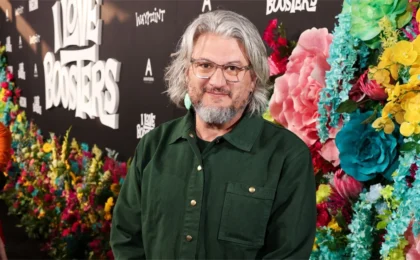
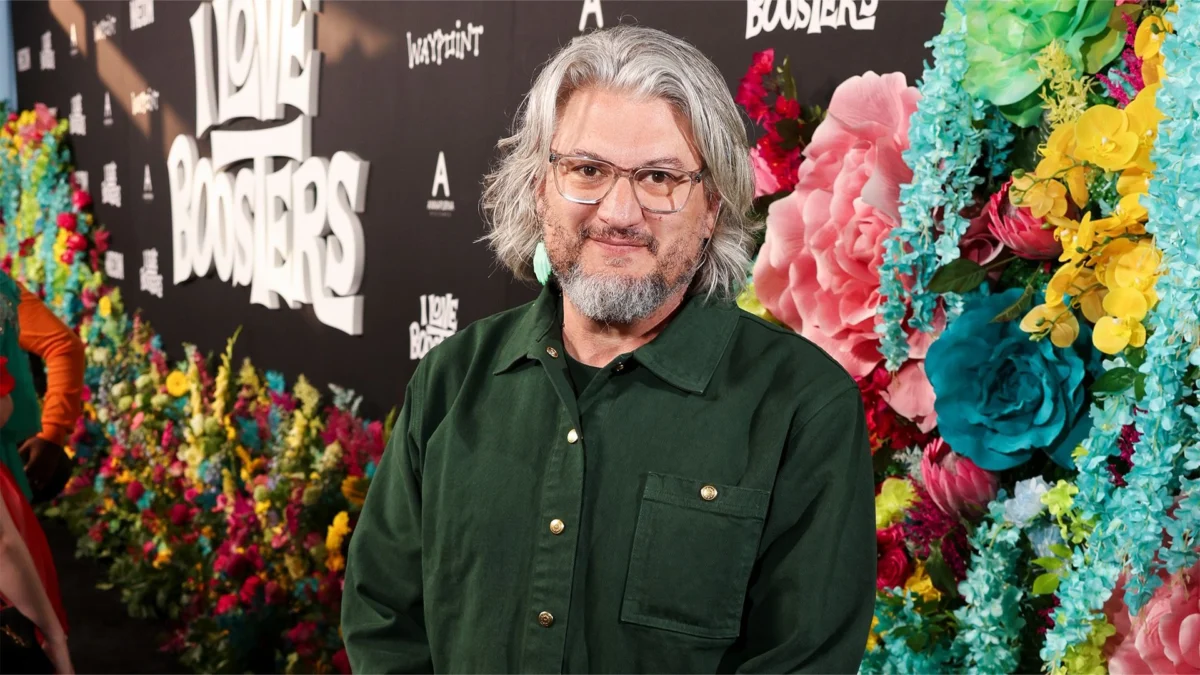
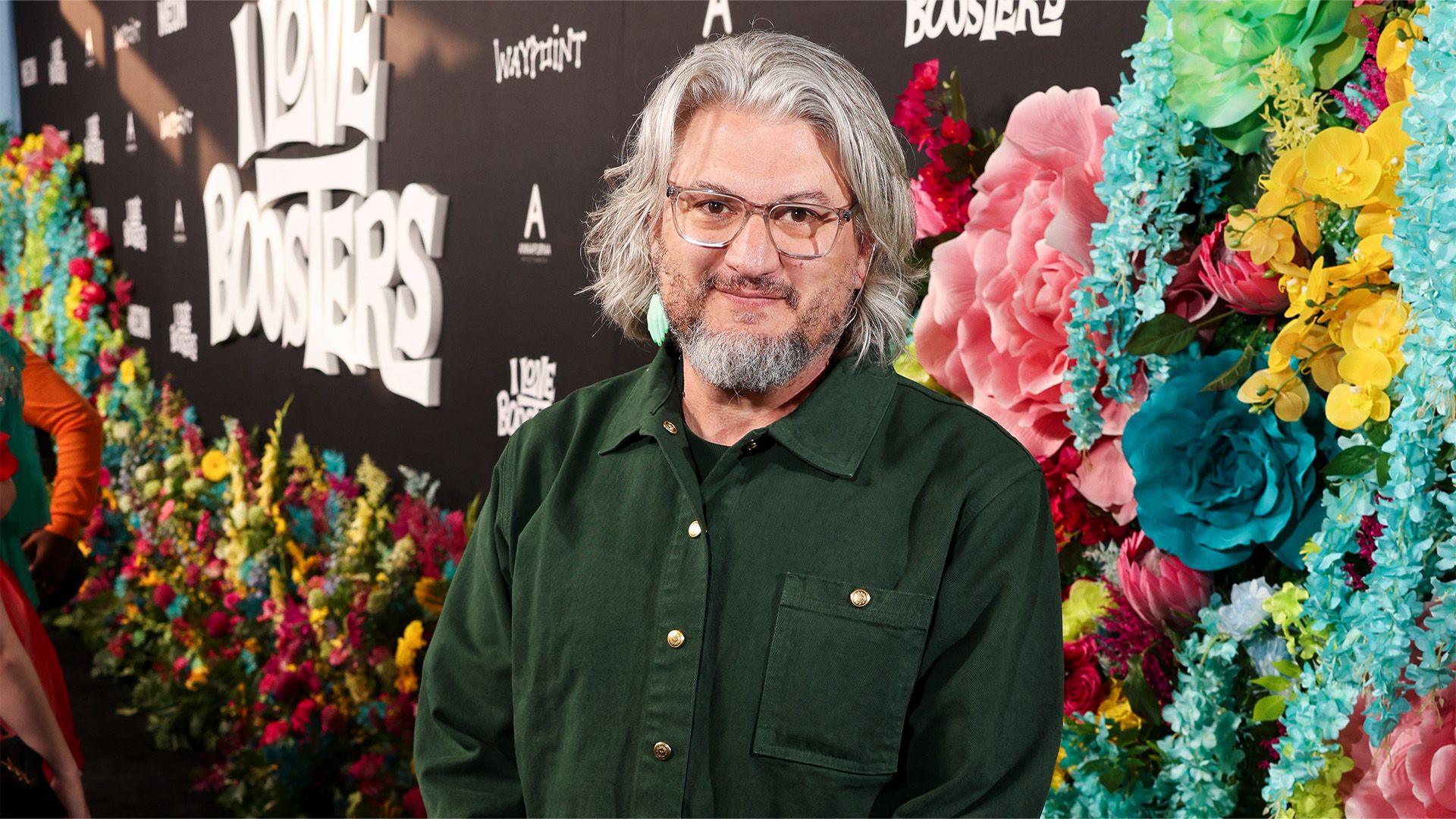
Most recently, Glass has garnered attention for his work on Boots Riley’s I Love Boosters. This collaboration highlights his versatility, moving away from the polished sheen of tech commercials toward the raw, stylized, and socially conscious aesthetic that defines Riley’s directorial voice. This project serves as a cornerstone of his current philosophy: that design must serve the soul of the story, not just the aesthetic requirements of the director.
The "Radically Practical" Philosophy
At the heart of Glass’s methodology is a resistance to the total digitization of the design process. In an era where AI-generated imagery can create photorealistic environments in seconds, Glass remains a proponent of the "radically practical."
The Tension Between AI and Reality
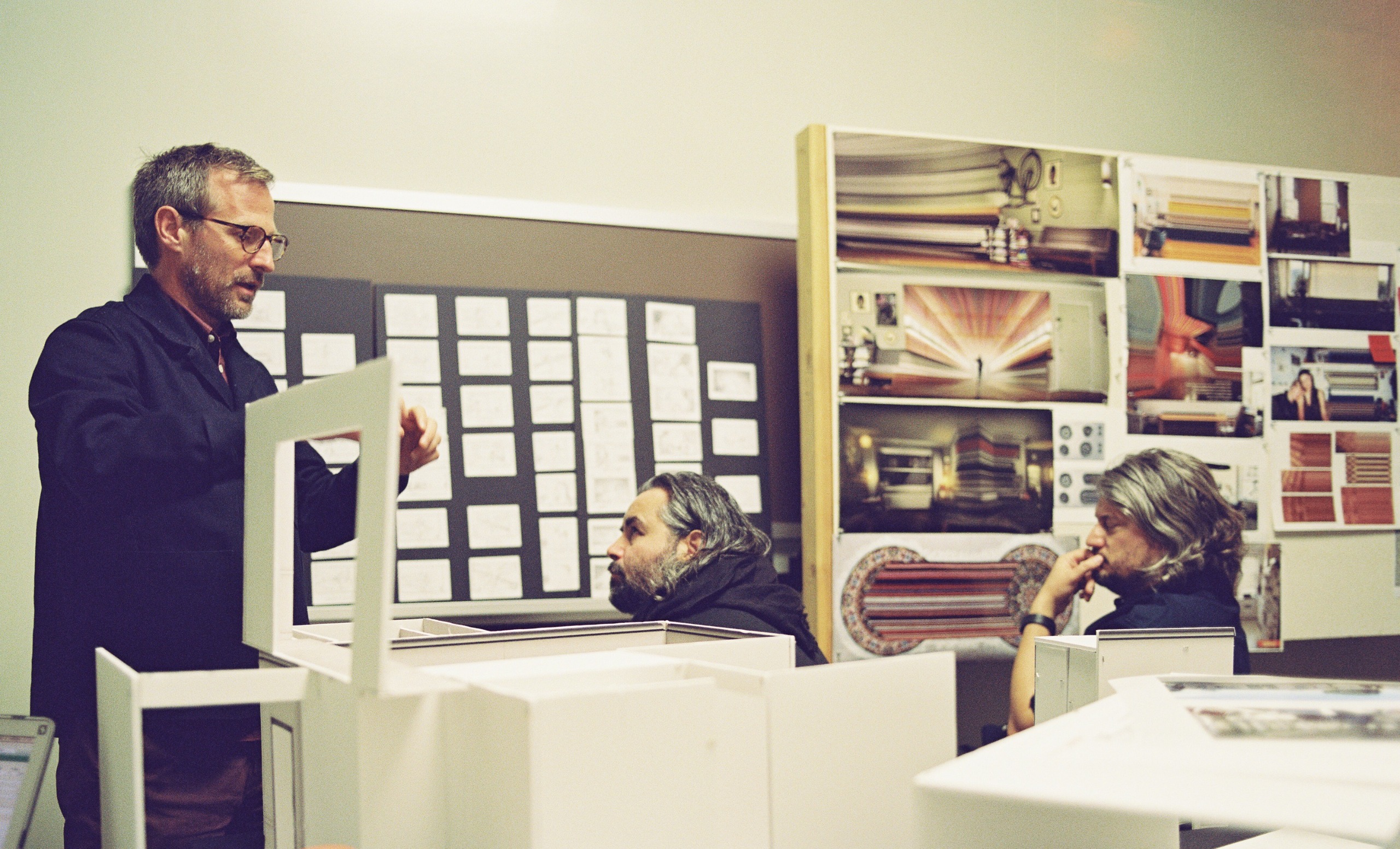
When asked about the rise of AI in production design, Glass views it as a tool rather than a replacement. However, he warns against the erosion of the physical set. "There is an energy in a room that is physically built that a computer-generated image simply cannot replicate," he notes. His process often involves extensive model-making and material sourcing, ensuring that the actors have something real to touch, interact with, and respond to. This tangible connection to the space informs the performances, creating a ripple effect of authenticity that permeates the final product.
The Role of Mentorship and Growth
Glass’s status as a two-time ADG (Art Directors Guild) award winner and a Gold Cannes Lion recipient is not the result of resting on his laurels. Instead, he maintains a posture of constant studenthood. His attendance at the Production Designers Collective Gathering in Greece—an event where he confessed to feeling a sense of imposter syndrome—demonstrates his commitment to the craft. By surrounding himself with peers he admires, he forces himself to stay humble and hungry, traits that prevent creative stagnation.
Imposter Syndrome and the Creative Mindset
One of the most humanizing aspects of Glass’s career is his open admission of imposter syndrome. Despite his accolades and his portfolio, the feeling of "WTF am I doing here?" remains a persistent shadow.
"I think if you don’t feel that occasionally, you aren’t pushing yourself hard enough," Glass reflects. During the Gathering in Greece, he found himself in the presence of heroes and industry legends. The juxtaposition of his own professional success against the intimidating talent in the room provided a moment of clarity: that everyone, regardless of their resume, is constantly navigating the unknown.
For Glass, the antidote to this self-doubt is simple: keep working. He describes his career as "Falling Up Stairs"—a poetic way of acknowledging that success is often a series of forward-moving stumbles rather than a calculated, linear climb.
Lessons from the Field: 5 Questions with Christopher Glass
In our exclusive "5 Questions" series, Glass offered a glimpse into the habits and pet peeves that shape his daily workflow.
1. On Advice:
Glass admits to having ignored the vast majority of traditional career advice. "I’ve learned by fire," he says. While he acknowledges this isn’t a strategy for everyone, it is the bedrock of his resilience. He suggests that formal education can only take a designer so far; the real lessons are found in the chaos of a live set, where budgets collapse, schedules shift, and plans are discarded.
2. On Creative Pet Peeves:
Every artist has their "trigger," and for Glass, it is the minute details of set dressing. "When set dressers lay out books and magazines on a table at weird angles," he notes with a wry smile. It is this obsessive attention to the "truth" of a space—where objects should look lived-in and logical—that separates good design from great design.
3. On Life Outside of Work:
When asked what creatives should do outside of the industry, his answer is expansive: "Everything they can." He believes that a designer who only looks at design will eventually become derivative. By engaging with life outside the studio—traveling, reading, and experiencing the world—one gathers the reference points that make a design feel authentic.
4. On the Future of the Craft:
As the industry continues to integrate AI, Glass suggests that the role of the production designer will shift toward that of an "editor of reality." The designer’s job is no longer just to build, but to curate and direct the digital and physical assets into a cohesive, believable world.
Implications for the Future of Production Design
The career of Christopher Glass serves as a blueprint for the next generation of filmmakers. He represents a bridge between the traditional, artisanal methods of the 20th century and the technological frontier of the 21st.
The Human Element in an AI-Driven World
The industry is currently grappling with how to value human labor in a landscape increasingly dominated by automated tools. Glass’s work suggests that the answer lies in the "human touch." Whether it is the specific choice of a fabric texture or the way a light source hits a dusty corner of a set, these small, intentional human decisions are what anchor the audience in a story. AI can generate imagery, but it cannot yet replicate the intentionality of a designer who understands the emotional weight of a space.
The Sustainability of Design
Beyond the screen, Glass’s emphasis on practical design also touches on the industry’s need for sustainability. Building physical sets, while labor-intensive, often allows for the repurposing and recycling of materials—a stark contrast to the waste sometimes associated with massive, fleeting digital productions. His approach is not just an artistic choice; it is a logistical one that favors long-term viability over short-term shortcuts.
Conclusion: Falling Up Stairs
Christopher Glass remains a pivotal figure in modern production design precisely because he has never lost his sense of wonder or his willingness to embrace the fire of the unknown. As he continues to work on groundbreaking films and innovative advertising campaigns, his legacy is being defined not just by the awards on his shelf, but by his steadfast commitment to the tangible.
In an era where technology promises to make everything easier, Glass reminds us that the most impactful work comes from the struggle. Whether he is dealing with the frustrations of an incorrectly angled magazine or the high-level pressure of a multi-million dollar film set, he approaches every task with the same philosophy: just keep falling up the stairs, and keep building the worlds that move us.
For more information on Christopher Glass and his ongoing projects, visit his official website at christopherglass.com.