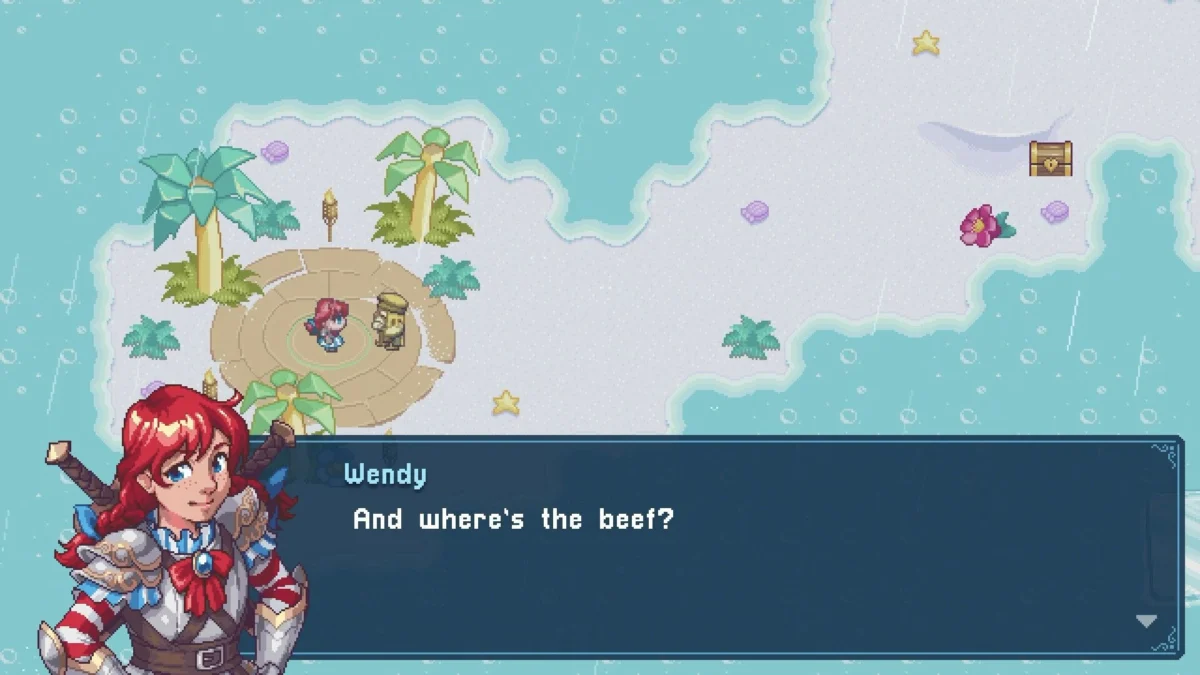
If you had predicted a decade ago that a global fast-food giant would release one of the most anticipated indie RPGs of 2026, you would likely have been laughed out of the boardroom. The intersection of corporate marketing and interactive entertainment was once a barren wasteland of low-budget, buggy promotional tools designed solely to move product. Yet, the landscape has shifted. We have arrived at the era of WendyQuest: Legend of the Four Corner Stones, a turn-based, pixel-art adventure that has managed the unthinkable: it is a branded game that people actually want to play.
The Main Event: WendyQuest and the Shift in Marketing Strategy
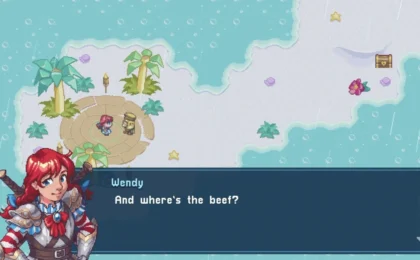
Developed by 81monkeys, an independent studio based in Port Moody, British Columbia, WendyQuest is not a cynical, low-effort cash grab. It is a fully realized, retro-inspired RPG that utilizes the iconic Wendy’s mascot to lead a party of "fast-food heroes" on a quest to save a kingdom.
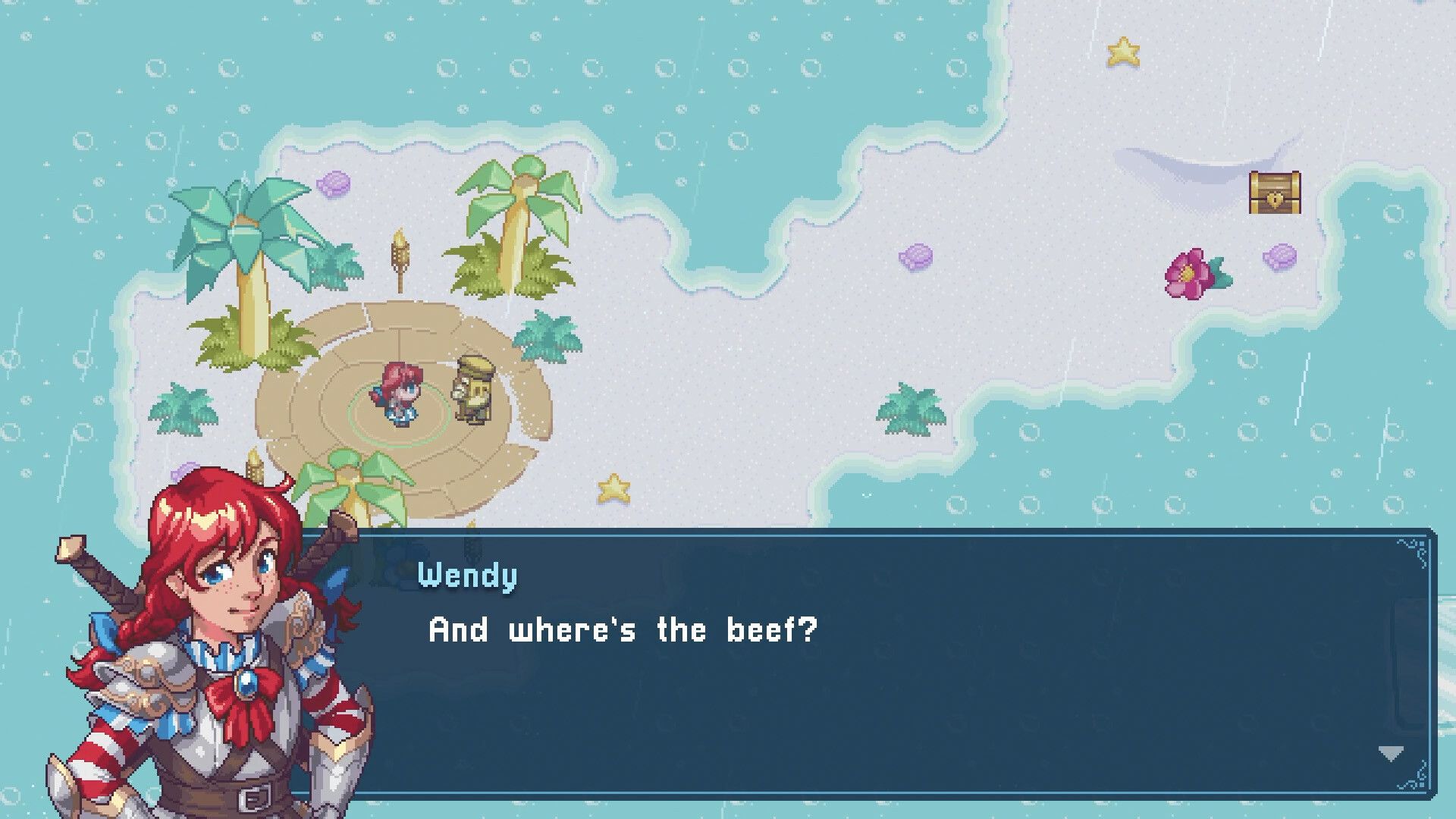
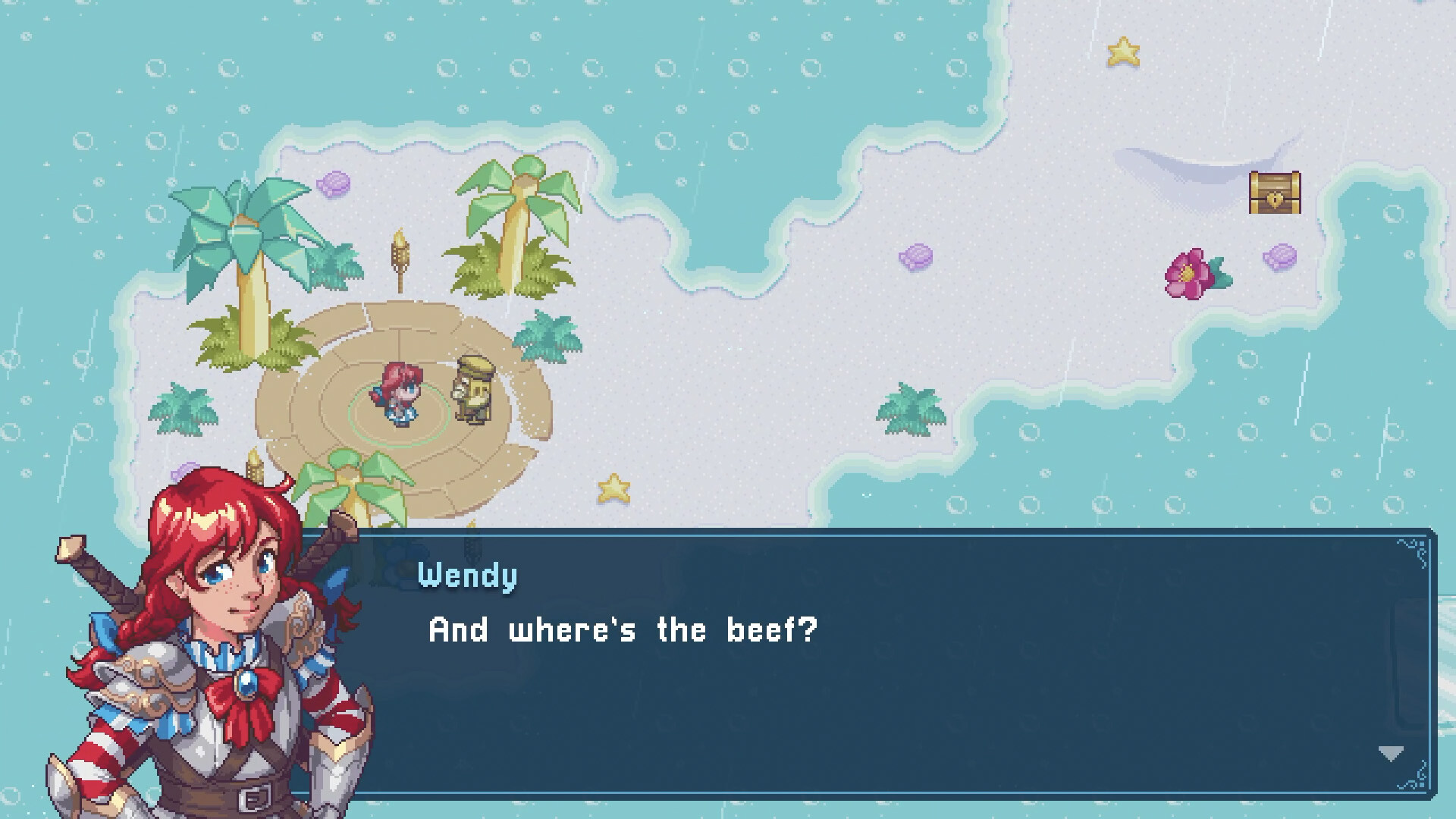
The game’s charm lies in its self-awareness and its refusal to take itself too seriously. It features tongue-in-cheek mechanics, such as a dialogue system where Wendy famously asks, "And where’s the beef?"—a direct, cheeky nod to the company’s legendary 1984 advertising campaign. Beyond the nostalgia, the game functions as a satirical critique of the fast-food industry itself. Players encounter enemies like "Frydusa," a terrifying, snake-like carton of French fries, and a nefarious gang known as the "Golden Archers," an unsubtle jab at McDonald’s.
Instead of being pilloried on social media for its corporate origins, the game has been met with genuine intrigue. Gamers are asking a surprisingly sincere question: Why does it look so good? The answer points to a broader trend in digital advertising, where brands are finding that "fun" is a far more effective engagement tool than traditional, intrusive banner ads.
A Chronology of Branded Gaming: From Noids to Colonels
To understand why WendyQuest matters, one must look at the history of "advergames." The phenomenon is not entirely new, but its quality and reception have fluctuated wildly over the last 40 years.
1989: The Genesis
The industry often cites Domino’s: Avoid the Noid as the foundational text of the fast-food tie-in. It was simple, arcade-style fun, but it established the premise that a brand mascot could serve as a viable protagonist for a video game.
The 1990s: The Golden Age of Platformers
During the 16-bit era, branding was synonymous with quality. McDonald’s Global Gladiators is still remembered as one of the best platformers of its time, featuring solid physics and inventive level design. Similarly, 7 Up’s Cool Spot—starring the red dot from their logo—was a genuinely brilliant 2D platformer that stood on its own merits, regardless of the sugary soda it represented.
1999: The Cult Classic
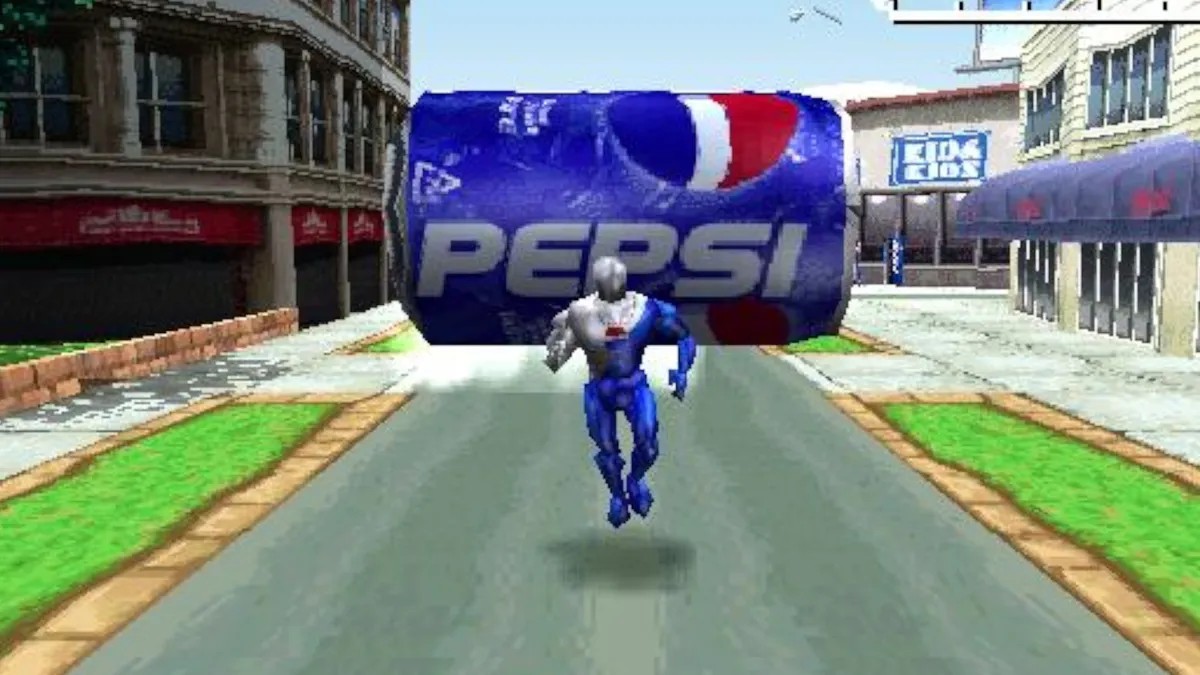
Perhaps the most beloved of all is the original Pepsiman. Released exclusively in Japan, this high-speed, obstacle-dodging game became a global cult hit. Its frantic, surreal energy captured the imagination of gamers, and today, original copies of the PlayStation title fetch hundreds of dollars on the secondary market.
2006: The Infamous Experiment
Burger King’s foray into the Xbox era was a mixed bag. The company released three games for $3.99 each—including the surreal stealth game Sneak King—provided customers bought a value meal. While they moved over 3.2 million copies, the games were often viewed as curiosities rather than masterworks.
2019: The Modern Pivot
KFC’s I Love You, Colonel Sanders! A Finger Lickin’ Good Dating Simulator marked the transition into the modern, self-aware meta-commentary style. Despite being a bizarre parody, it garnered a 91% positive rating on Steam, proving that gamers respond to humor and personality over sterile corporate messaging.
Supporting Data: Why Branded Games are Returning
The revival of the branded game is not accidental; it is a calculated response to the changing digital media landscape.
- The Nostalgia Multiplier: The generation that grew up playing Cool Spot and Pepsiman is now in their 30s and 40s—the prime demographic for discretionary spending. By tapping into this nostalgia, brands are building bridges to an audience that has money and a preference for retro-styled gaming.
- The Ease of Distribution: In the 2000s, Burger King had to manufacture and ship physical discs to thousands of locations. Today, a brand only needs a Steam page. The barrier to entry has plummeted, allowing developers to focus on the game itself rather than logistics.
- Ad-Blockers and "Ad-Fatigue": Traditional advertising is currently in a crisis. With ad-blockers and paid, ad-free streaming tiers becoming the standard, brands are struggling to reach consumers. A video game, however, is a "pull" medium; people seek it out, download it, and spend hours voluntarily immersed in the brand’s world.
The Human Element: An Anti-AI Statement
Perhaps the most significant factor in WendyQuest’s favorable reception is the current cultural climate regarding Artificial Intelligence. The Steam page for WendyQuest makes a point to state that the game is "100% fresh and 100% human-made."
In an industry currently flooded with AI-generated content—often derided by players as "slop"—handcrafted, indie-style pixel art has become a powerful signal of quality. By leaning into the "human-made" label, Wendy’s is aligning itself with the values of the indie gaming community, positioning itself as a supporter of the arts rather than a faceless corporation trying to automate its marketing.
Implications: The Future of Branded Entertainment
What does this mean for the future? We are likely to see more brands attempting to replicate the WendyQuest model. Pepsi, for instance, has recently flirted with the idea of returning to gaming. Last summer, when Pepsi asked on social media if it should make a new game, the response was overwhelming. Notably, Kotaro Uchikoshi, the director behind various celebrated visual novels and a veteran of the original Pepsiman project, chimed in, offering to reconnect the company with the original team.
However, the road to success is narrow. There is a fine line between a fun, engaging experience and a soulless marketing vessel. For every Global Gladiators that becomes a beloved classic, there is a Sneak King that ends up as a bargain-bin footnote.
The brands that will succeed in this space are those that treat the player as a participant rather than a target. They must prioritize gameplay mechanics, art direction, and narrative wit over aggressive product placement. If the game feels like a genuine attempt to entertain, players will forgive the brand’s logo on the splash screen. If it feels like an interactive commercial, it will be forgotten as quickly as a pop-up ad.

As it stands, WendyQuest represents a fascinating evolution. A burger chain has successfully leveraged the language of indie gaming to foster brand loyalty in a way that television commercials never could. Whether it remains a one-off hit or signals a new frontier for corporate-backed creative projects remains to be seen. But one thing is certain: in 2026, the battle for consumer attention is no longer being fought on billboards—it’s being fought in the dungeons and battlefields of our Steam libraries.