In the landscape of American nightlife, the lesbian bar is an endangered species. According to the Lesbian Bar Project, there are fewer than 30 dedicated lesbian bars remaining in the United States. This week, that number may have effectively shrunk by one. Last Ditch, a Western Massachusetts arts venue and lesbian bar that gained national notoriety last month, announced on Monday that it is ceasing operations, citing leadership burnout and a struggle to transition into a worker-owned cooperative.
The closure is being framed as a "soft" exit—a desperate plea for new ownership rather than a permanent shuttering. However, behind the bureaucratic language lies a turbulent story of community expectation, digital vitriol, and the profound exhaustion that comes with attempting to create a "safe space" in a world that is increasingly polarized over the ongoing realities of the COVID-19 pandemic.
The Chronology of a Viral Conflict
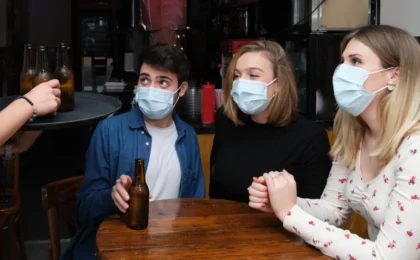
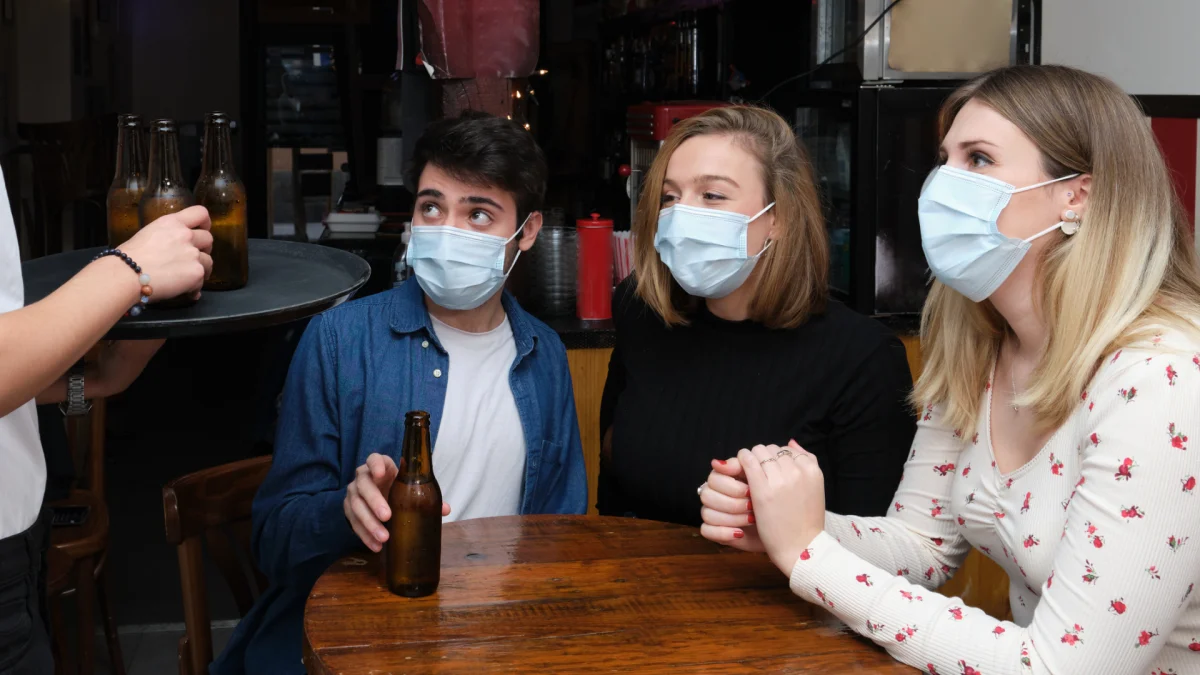
The descent of Last Ditch into the national spotlight began not with its mission, but with a mask. For much of its tenure, the venue functioned as a sanctuary for the immunocompromised, enforcing strict KN-95 masking policies to ensure that the LGBTQ+ community—a group historically marginalized in healthcare—could gather without fear of infection.
However, in late 2023 and early 2024, the venue’s leadership attempted to relax these policies to increase foot traffic and revenue. The reaction was swift and merciless. A Boston Globe exposé, published in February, brought the internal friction to the surface, detailing a chaotic environment where the attempt to balance public health with fiscal sustainability resulted in a collapse of trust.
Following the Globe article, the venue became a target for intense internet scrutiny. Critics accused the leadership of ableism, arguing that relaxing mask mandates abandoned the very people the bar claimed to protect. The discourse quickly moved beyond constructive criticism; leadership reported receiving threats of violence. As the online backlash intensified, the venue’s management team began to splinter. Public meetings, intended to serve as forums for reconciliation, reportedly dissolved into shouting matches and circular debates.
The situation was further complicated by the surreal nature of the reporting. Readers across the country became fascinated by the granular details of the venue’s internal operations—including reports that an owner had been enrolled in clown school while the business was hemorrhaging support. What began as a policy disagreement morphed into a viral spectacle, turning Last Ditch into a Rorschach test for the American left: Was this a failure of accessibility, or an impossible standard of perfection in an era of burnout?
The Anatomy of the Collapse
The "Last Ditch" model was built on a foundation of radical care, but that care required a level of labor that proved unsustainable. In their final announcement on Instagram, the owners made it clear that the closure was not merely the result of the viral scandal, but of a long-term inability to find the institutional support necessary to keep the doors open.
"We have put our lives on hold to foster networks of care, resources, and a home base for organizing," the statement read. "It’s time we pass it on. We’ve been fighting since the beginning to fill out the team, and we still don’t have a board or leadership to manage the worker-owned co-op transfer."
The transition to a worker-owned cooperative is a common strategy for small, community-focused businesses looking to ensure longevity, but it requires a dedicated pool of human capital—a resource that had been depleted by the previous months of infighting and harassment. The venue effectively found itself in a "leadership vacuum," where the emotional cost of running the space had far outweighed the professional rewards.
The Paradox of "Safe Spaces"
The controversy surrounding Last Ditch highlights a difficult paradox in contemporary queer organizing. The demand for "safe spaces"—a concept that includes both emotional safety and physical health—has become a cornerstone of modern LGBTQ+ advocacy. Yet, as the pandemic persists, the parameters of what constitutes a "safe space" have become increasingly contested.
For many patrons, the KN-95 mandate was the primary draw of Last Ditch. For others, the rigidity of these rules, combined with the administrative burdens of enforcing them, created a pressure cooker that made community-building nearly impossible.
The Boston Globe reporting, while factual, highlighted the absurdity of a small, underfunded venue attempting to navigate the intersection of public health policy and niche nightlife. The "clown school" detail, while trivial, served as a lightning rod for critics who felt the management lacked the professional acumen to sustain such a high-stakes experiment. This perception of incompetence, whether fair or not, eroded the venue’s credibility, making it difficult for the owners to recruit the board members they desperately needed.
Implications for the Lesbian Bar Landscape
The closure of Last Ditch is a cautionary tale for the broader queer community. As of 2024, the Lesbian Bar Project estimates that there are roughly 27 to 30 lesbian bars left in the U.S. These venues represent more than just a place to drink; they are repositories of history, sites of political mobilization, and essential hubs for social connection.
When a venue like Last Ditch fails, the impact is felt across the national landscape. It signals that even with the best intentions, the combination of economic strain, pandemic-era fatigue, and the "cancel culture" cycle can prove fatal to small businesses.
"We are losing the few physical spaces we have," says a community organizer who preferred to remain anonymous. "When we demand perfection from our organizers and our venues, we sometimes lose the space entirely. We have to ask ourselves: how much pressure can one small bar take before it breaks under the weight of our collective expectations?"
A Call for Saviors: What Happens Next?
Despite the immediate cessation of events, the "soft" nature of the closure offers a glimmer of hope. Last Ditch has issued an open invitation for individuals or collectives to step forward as new owners. The goal is to facilitate a handoff that would preserve the space’s core mission while introducing fresh leadership to manage the transition to a worker-owned structure.
Whether anyone will answer this call remains to be seen. The reputational damage sustained during the "viral" period, coupled with the immense difficulty of operating a high-overhead, low-margin business in a post-pandemic economy, makes the future of the venue look grim.
However, supporters of the venue argue that the space is too important to lose. Throughout the week, social media has been filled with tributes to the nights spent at Last Ditch, with many users lamenting that the focus on the controversy has obscured the genuine community-building that occurred within its walls.
Conclusion: The Cost of Community
The story of Last Ditch is a microcosm of the modern American experience. It is a story of well-meaning people attempting to create a better, safer, and more inclusive world, only to find themselves trapped by the limitations of funding, the complexity of public health, and the unforgiving speed of social media outrage.
As the doors of the Western Massachusetts venue remain closed, the LGBTQ+ community is forced to reckon with a difficult reality: safety and community are not self-sustaining. They require labor, compromise, and—perhaps most importantly—the grace to allow for human error.
The "Last Ditch" experiment may be coming to an end, but the lessons it leaves behind—regarding the sustainability of cooperative models, the volatility of digital discourse, and the precariousness of queer spaces—will likely influence the next generation of activists and entrepreneurs who seek to build a home for the community. Whether someone steps in to save the venue or the building is repurposed for something entirely different, the saga of Last Ditch will be remembered as a pivotal moment in the struggle to keep queer spaces alive in an age of constant crisis.