When Gearbox and Gunfire Games approached the renowned cosplay duo Kamui Cosplay to celebrate the launch of Remnant II, they weren’t just asking for a promotional costume; they were commissioning a high-fidelity bridge between the digital and physical worlds. The result is a masterclass in modern prop-making and costume design, bringing the game’s iconic Gunslinger—a high-damage, root-infused cowboy—to life through a blend of 3D modeling, traditional tailoring, and advanced electronics.
Main Facts: A Post-Apocalyptic Vision
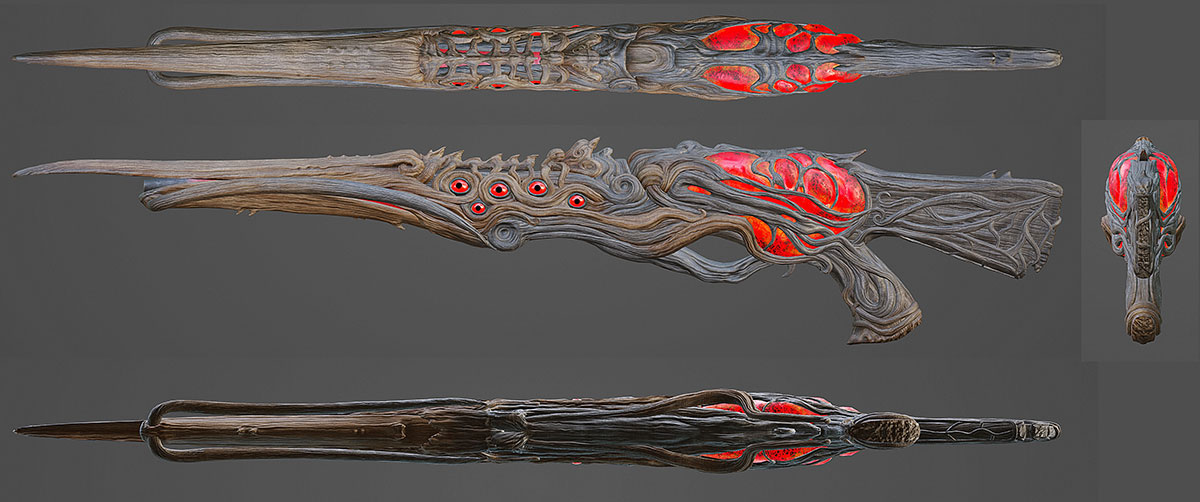
The Remnant II project centered on the "Merciless Blaster," a weapon defined by its organic, vine-like structure and pulsing, demonic aesthetic. The costume design required a strategic mix of techniques: repurposing off-the-rack garments to capture the lived-in, scavenger aesthetic of a post-apocalyptic survivor, and high-tech fabrication for the armor and weapon.

Key elements of the build included:
- Weapon Fabrication: A custom-sized replica of the Merciless Blaster featuring integrated LED electronics and a functional trigger mechanism.
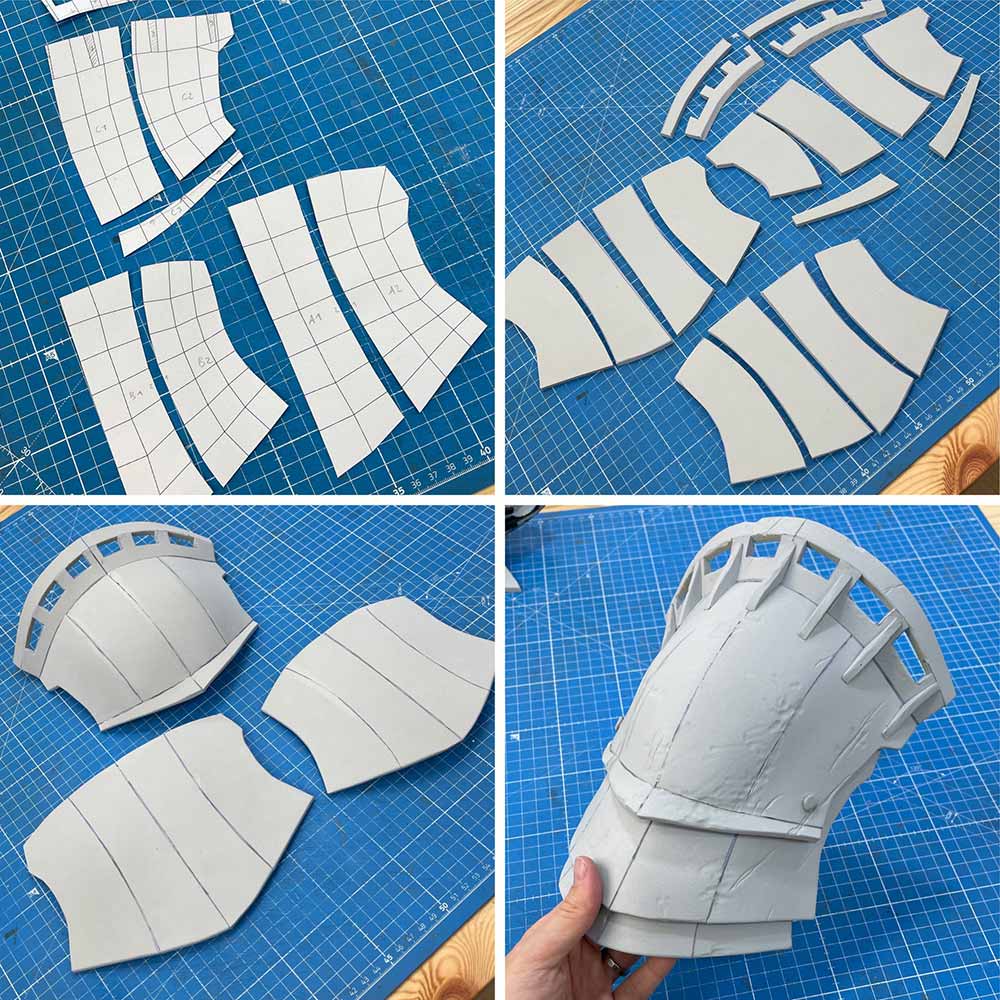
- Armor Construction: 3D-modeled foam plating designed for maximum mobility and visual accuracy.
- Fabric Weathering: A meticulous process of dyeing and distressing thrifted clothing to match the world-building of the Remnant universe.
The Chronology of Creation: Building the Blaster
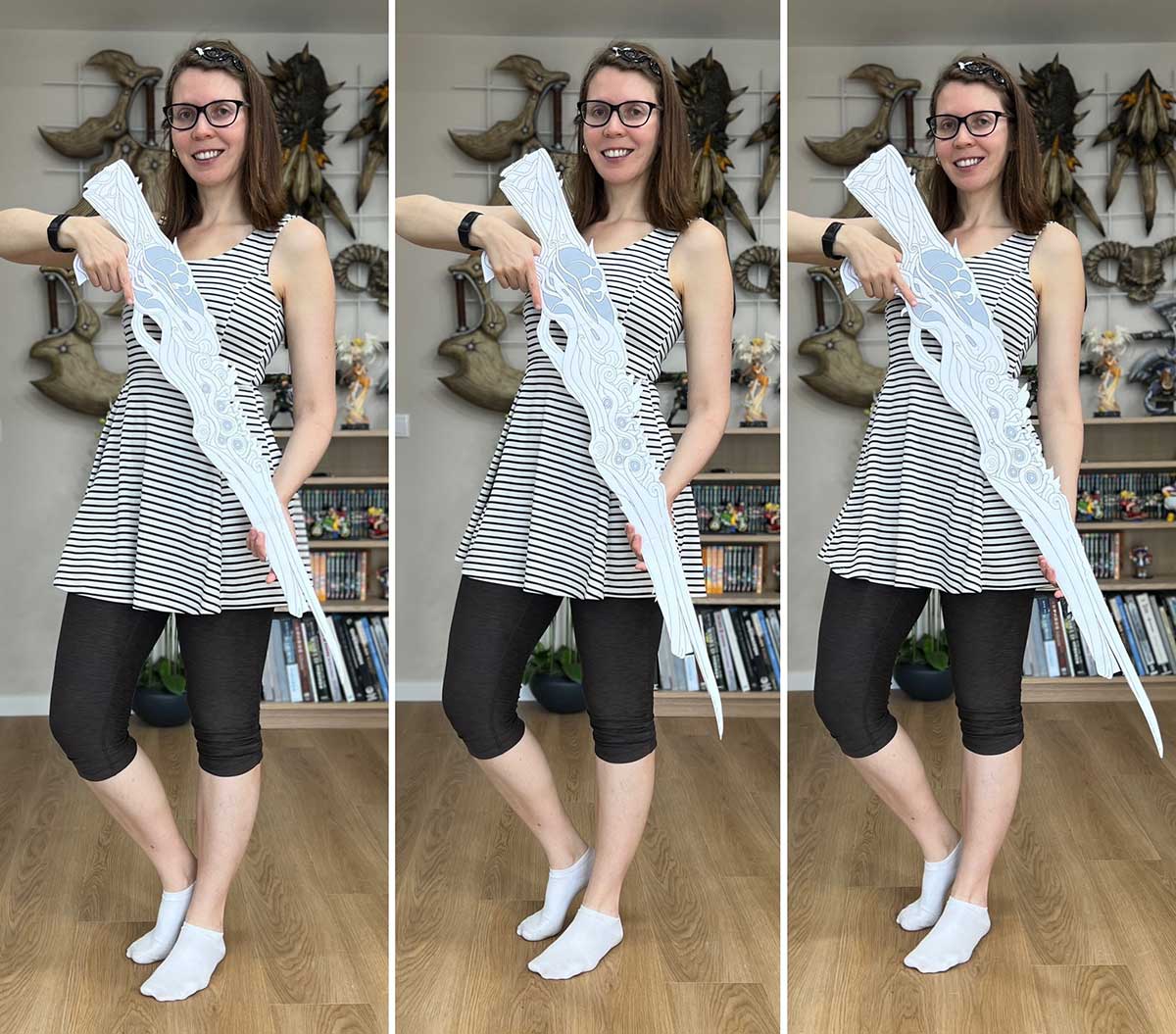
The construction began with the weapon, the centerpiece of the Gunslinger’s silhouette. To ensure the prop’s proportions were perfect, the team began with detailed blueprints, printing several paper "dummies" of different scales. This iterative process allowed them to test the weapon’s ergonomic feel against the human form before committing to foam.
Phase 1: The Foundation
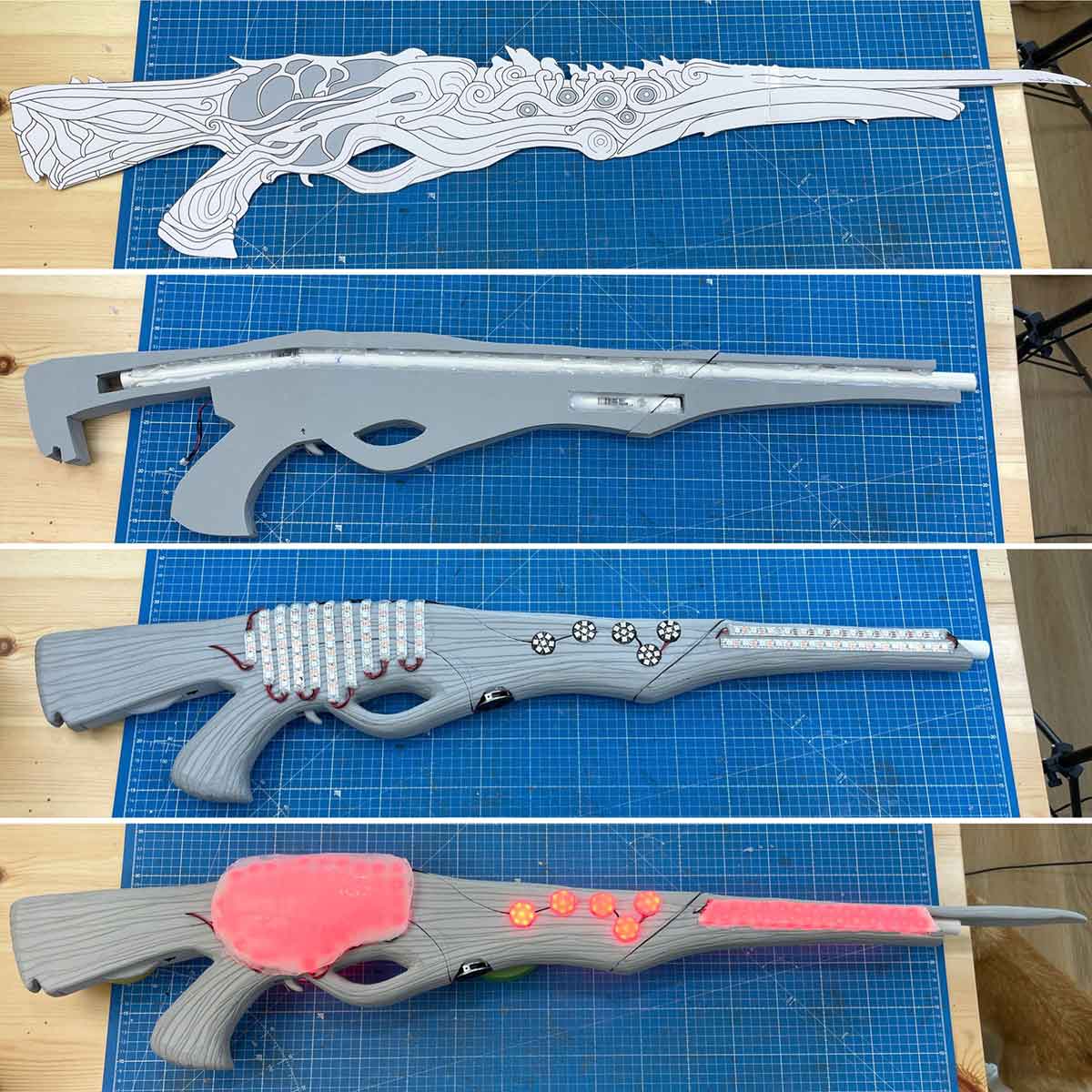
The core of the Merciless Blaster was built around a non-plasticized PVC pipe. This provided the necessary structural rigidity. Once heat-shaped, the pipe was encased in high-density EVA foam. The team relied on 3D blueprints to map out the thickness of the weapon, ensuring that the final build felt substantial rather than flimsy.
Phase 2: Electronics and Diffusion
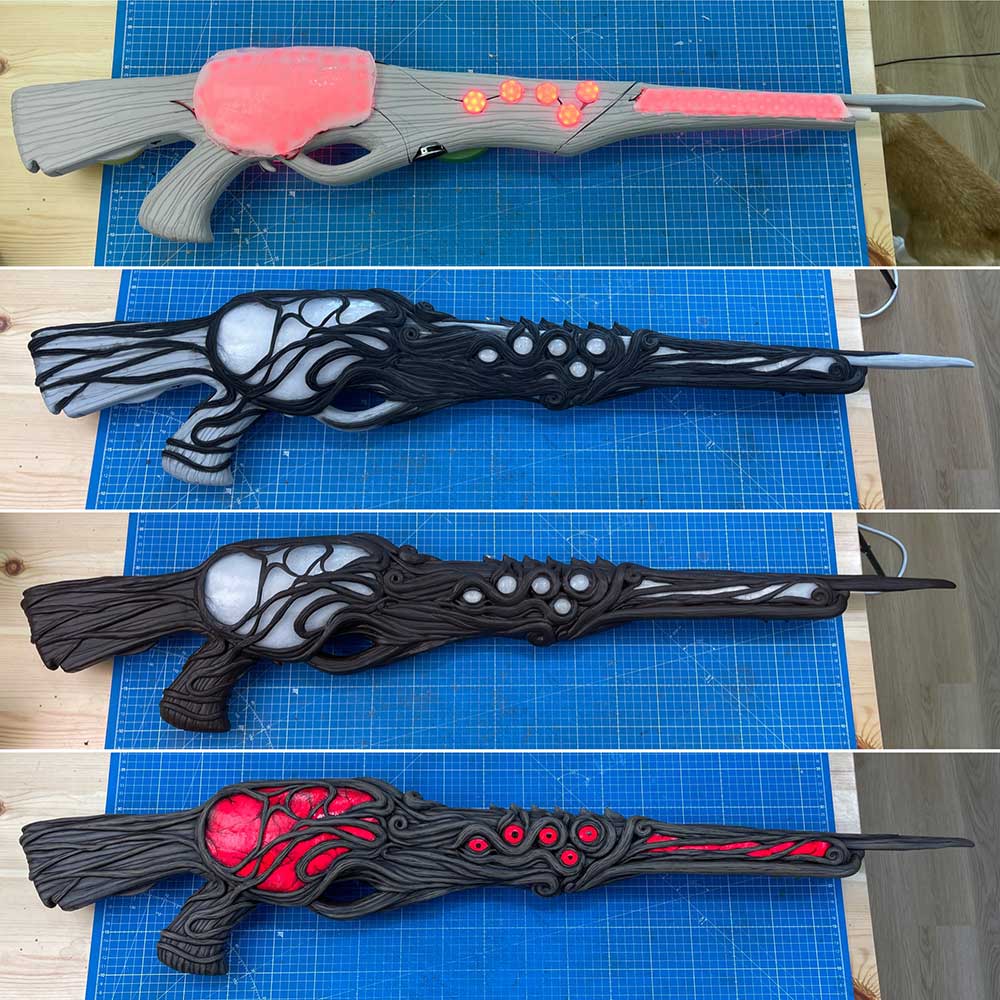
The defining characteristic of the Merciless Blaster is its pulsing, ethereal light. The team utilized 60-LED-per-meter strips, which they identified as the ideal balance between brightness and power efficiency. A significant challenge was diffusing the light through the "demon eyes" and the heart-like core of the weapon. By using translucent thermoplastic pallets, they achieved an organic, glowing effect that appears to emanate from within the weapon’s vine structure.
Phase 3: Sculpting and Priming
The organic, vine-like aesthetic was achieved using foam clay. By hand-sculpting "sausages" of clay and layering them piece-by-piece, the team created a texture that felt alive. Once the clay cured, the entire assembly was sealed with three layers of Flexbond, creating a smooth, durable surface ready for the final paint application.
Supporting Data: The Technical Edge of Modern Cosplay
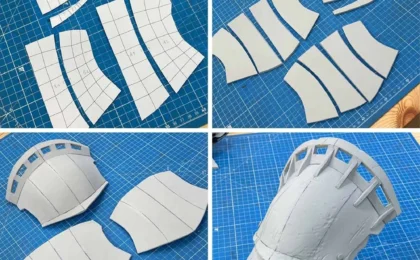
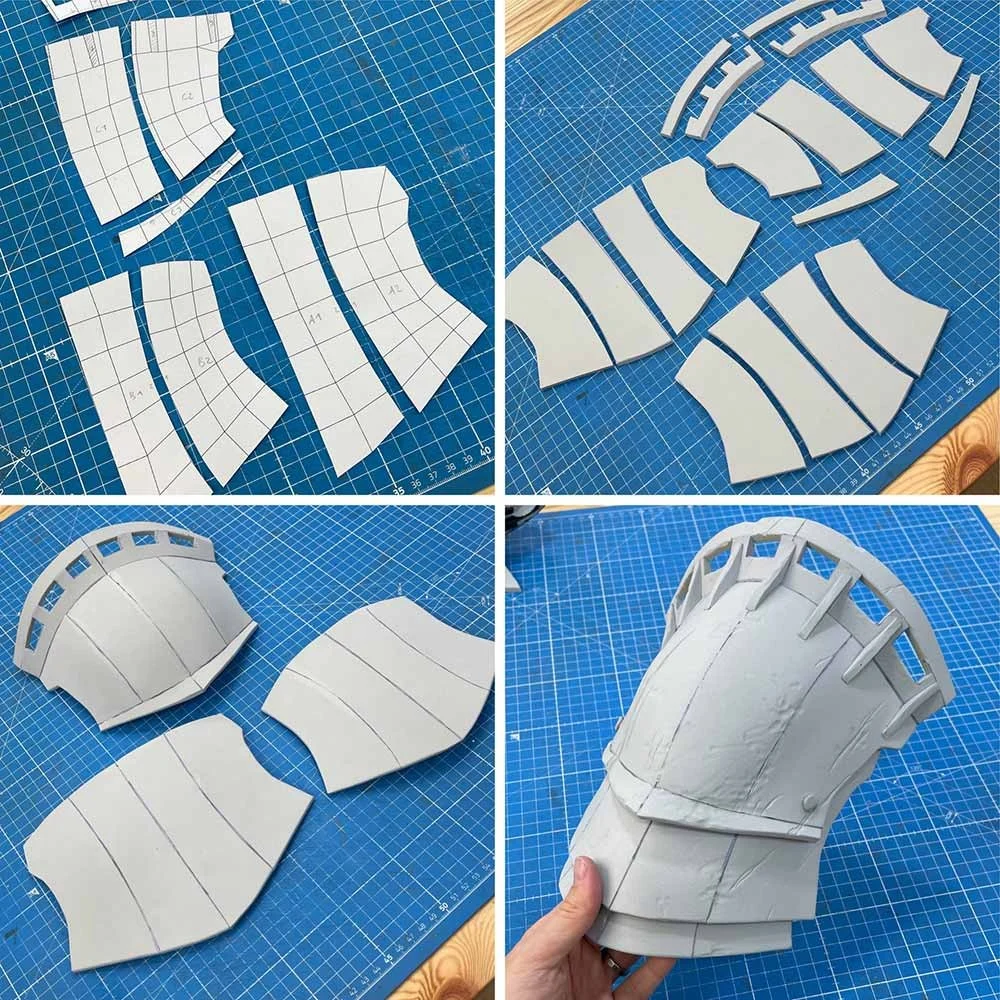
The evolution of the project highlighted the shift from purely manual crafting to a hybrid digital-physical pipeline. The armor construction, in particular, utilized software like Blender. By importing screenshots of the in-game armor, the team was able to create 3D models that were then flattened into 2D templates—a process similar to Pepakura—ensuring that every foam panel fit perfectly against the wearer’s body.
Weathering: The Art of Decay
The "rusty metal" aesthetic of the armor was not just a matter of paint; it was a layered chemical process. The team followed a rigorous sequence:
- Base Coat: A layer of bright silver paint.
- The Hairspray Method: Applying hairspray over the silver.
- Top Coat: A layer of dark silver and brown paint.
- Distressing: Using warm water and a metal sponge, they carefully removed the top layer of paint, exposing the "damaged" silver beneath.
- Final Polish: A custom mix of texture paste combined with orange, yellow, and brown acrylics was dabbed onto the surface to simulate genuine oxidation.
Official Responses and Creative Philosophy
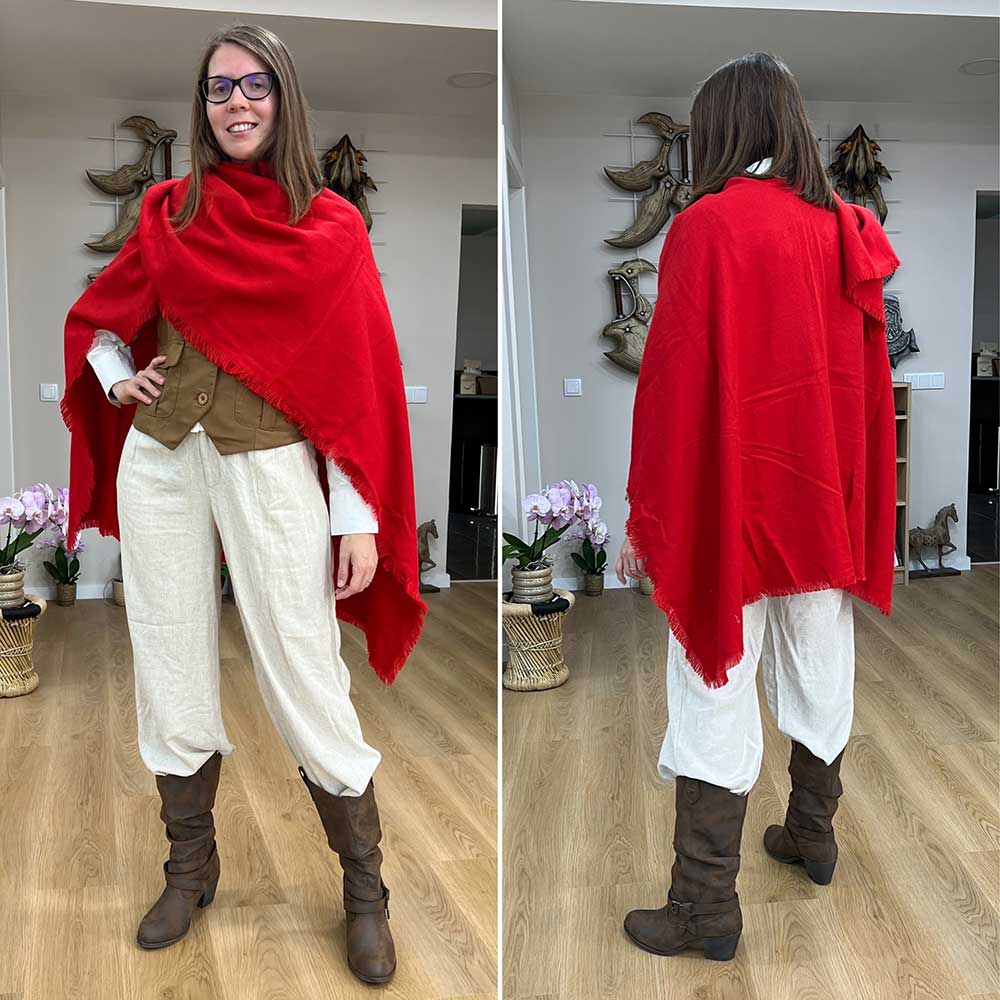
The philosophy behind this build was rooted in the concept of "repurposing." Rather than sewing a full costume from scratch, the team opted to source existing garments—a red poncho, a white blouse, wide-leg linen pants, and cowboy-style boots—to reflect the scavenger nature of Remnant II.
"I always avoid using the sewing machine if I can," the lead creator noted. In a post-apocalyptic setting, clothing should look found, not custom-tailored. By dyeing the fabric and applying aggressive weathering, they were able to bridge the gap between a store-bought item and a character-authentic garment.
Implications for the Cosplay Community
This project serves as a blueprint for the future of hobbyist craftsmanship. The integration of 3D modeling (Blender), foam engineering (EVA and foam clay), and advanced weathering techniques represents the current gold standard in high-end cosplay.
Furthermore, the project highlights the importance of the environment in character presentation. By scouting an abandoned fish farm on the island of Madeira, the team provided a backdrop that complemented the weathered, grimy aesthetic of the Gunslinger. The choice of location—a rusted, paint-chipped truck—provided a visual shorthand for the Remnant world, proving that a costume is only as effective as the environment in which it is presented.
The Role of Digital Integration
The use of 3D printing and modeling has effectively removed the guesswork from prop-making. As demonstrated by the Gunslinger project, the ability to iterate designs digitally before cutting into expensive materials saves time, money, and frustration. For the aspiring cosplayer, the lesson is clear: the barrier to entry for high-quality, professional-looking props is lowering, provided one is willing to master the intersection of digital design and traditional material manipulation.
Conclusion: A Masterpiece of Grit
The Remnant II Gunslinger project is more than just a promotional stunt; it is a comprehensive guide to modern character creation. By combining the technical precision of 3D modeling with the artistic soul of hand-sculpted clay and distressed fabric, the creators managed to pull a digital character into the real world.
Whether it is the pulsing LEDs of the Merciless Blaster or the carefully rusted foam armor, every detail serves a narrative purpose. As the gaming industry continues to produce more visually complex worlds, the techniques showcased here—mixing off-the-shelf scavenging with high-tech fabrication—will undoubtedly become the standard for the next generation of cosplayers. The final result stands as a testament to the fact that with enough creativity, even the most desolate post-apocalyptic vision can be recreated with striking, tangible beauty.