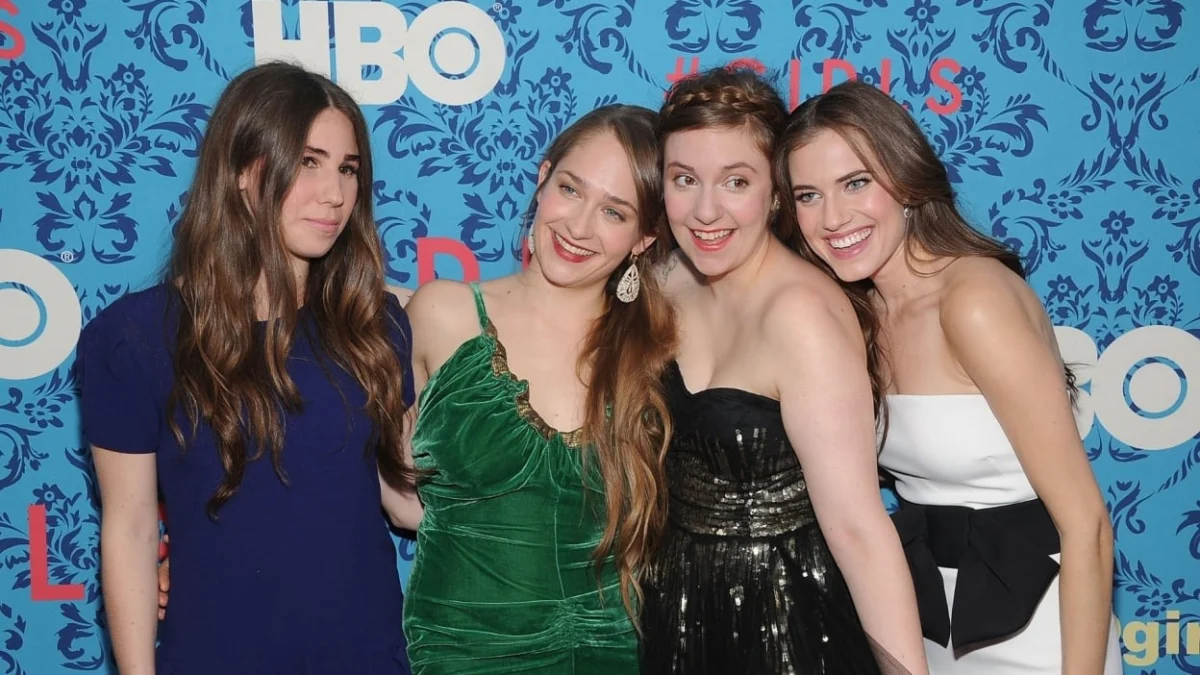
When Lena Dunham’s Girls first graced HBO in 2012, it arrived like a jagged shard of glass in the polished landscape of prestige television. It was the definitive chronicle of a specific breed of twenty-something: the over-educated, under-employed, and aggressively self-involved denizens of Brooklyn who were, at once, painfully relatable and deeply infuriating. Now, nearly a decade after the series finale in 2017, HBO has confirmed that the iconic quartet—Hannah, Marnie, Jessa, and Shoshanna—is returning for a limited five-episode revival.
For those of us who came of age alongside the show, this news is both a thrill and a warning. As the series prepares to re-enter our cultural consciousness, we are left to wonder: What happens when the "voice of a generation" realizes that the generation has moved on, evolved, or perhaps, simply become exhausted?
The Return of the Brooklyn Anti-Heroines
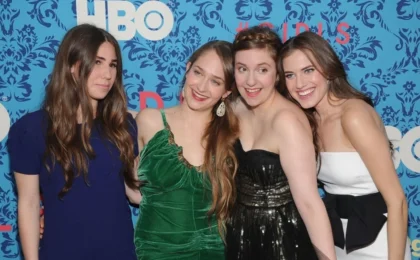
The revival, helmed once again by Lena Dunham, promises to reunite the core cast: Dunham, Allison Williams, Jemima Kirke, and Zosia Mamet. While specific plot details remain under lock and key, the premise suggests a "check-in" format. In an era where reboots are often nostalgic cash-grabs, the Girls revival faces the unique challenge of depicting a group of characters who were never designed to be "likable."
The original series was a masterclass in the art of the cringe. It captured the specific anxiety of the early 2010s—a time when we were convinced that our every internal monologue was worthy of a published essay. As we move into 2026, the question isn’t just "where are they now?" but rather, "how have they survived the digital age?"
A Chronology of Chaos: From 2012 to 2026
To understand the weight of this revival, we must look at the timeline of the characters’ evolution:

- 2012–2014: The Era of Self-Discovery. The characters navigated the wreckage of post-collegiate life. Hannah struggled with her writing career, Marnie grappled with her loss of identity, Jessa played the bohemian nomad, and Shoshanna attempted to navigate the social hierarchy of New York.
- 2015–2017: The Professional Awakening. The final seasons saw the characters begin to inch toward adulthood, albeit with significant setbacks. By the time the screen cut to black, the women were fragmented, bruised, and arguably more realistic than the caricatures they started as.
- 2017–2026: The "Lost" Years. The intervening nine years have seen massive shifts in social media, the gig economy, and the political climate. The revival promises to bridge the gap between their mid-twenties and their mid-thirties, a transition period characterized by a distinct "settling in" or "breaking down" of the millennial dream.
Supporting Data: The Millennial Cultural Landscape
The success of Girls was inextricably linked to the cultural zeitgeist of its time. According to industry analysts, the show’s legacy remains a case study in "niche relatability." During its initial run, the show sparked intense debates regarding privilege and the limitations of the "white, upper-middle-class" perspective in media.
As we look toward the 2026 revival, the cultural landscape has shifted toward a more critical examination of the "Girlboss" archetype and the rise of the creator economy. Statistical analysis of streaming trends shows that Gen Z audiences—who were children when the show premiered—have begun "discovering" the series through short-form video platforms, often recontextualizing the characters’ worst moments as viral memes. This intergenerational dialogue provides a rich, albeit treacherous, ground for the new episodes to explore.
Official Responses and Production Status
HBO has been tight-lipped regarding the production, though executives have confirmed that the project is intended as a closed-ended event series. "We wanted to see what happens when the dust settles," said a source close to the production. "These aren’t the same people they were in 2012, and the world they inhabit is fundamentally different."
Lena Dunham has alluded to the project on social media as a "reckoning." In a brief statement, she noted that the show was never about "having it all together," but rather about "the beauty of failing forward." The production has reportedly already wrapped filming in New York, with a focus on capturing the current state of Brooklyn—a neighborhood that has transformed from the gritty, artisanal hub of the early 2010s into a sanitized, high-rent district.
Implications: A Wishlist for the Revival
As the show returns, fans and critics alike have begun to speculate on the trajectory of the main characters. Here is a projection of the thematic beats that could define the upcoming episodes:

The Professional Evolution
- Jessa as the Wellness Grifter: It is almost inevitable that Jessa would pivot into the unregulated world of "holistic healing." Whether she is hawking raw milk or charging for silence-based retreats, the character is primed to capitalize on the modern obsession with self-optimization.
- Marnie’s "Mommy Blogger" Pivot: Marnie’s innate need for external validation makes her the perfect candidate for the current influencer economy. Imagine a podcast called Becoming Marnie, where she treats her divorce like a brand identity.
The Digital Reckoning
- Hannah’s TikTok Villainy: Hannah, the original over-sharer, would surely struggle with the performative nature of modern social media. A plotline involving a viral "cringe" moment or a public shaming on a short-form video platform would be a natural progression for her character.
- Shoshanna’s Corporate Dominance: As the most adaptable of the group, Shoshanna is likely the only one who has achieved genuine, if terrifying, success. Expect to see her as a high-level startup founder who speaks exclusively in LinkedIn buzzwords.
Supporting Character Arcs
- The Men of Girls: The return of Patrick Wilson as the enigmatic "hot doctor" remains the most anticipated cameo. Meanwhile, the prospect of seeing Ebon Moss-Bachrach’s Desi as a "men’s spirituality" influencer—complete with ayahuasca references—is almost too perfect for the current cultural moment.
- Generational Clashes: The revival must address the tension between these aging millennials and the Gen Z cohort. A scene where Hannah attempts to relate to twenty-somethings, only to be branded as "cringe," is not just a potential plot point—it is a necessity.
Why We Need This Now
Ultimately, the revival of Girls is about the confrontation between who we thought we would be and who we actually became. The beauty of the show was never in the characters’ moral superiority; it was in their ability to be wrong, to be selfish, and to be profoundly, deeply human.
In 2026, the stakes are higher. The world feels more urgent, and the distractions are more pervasive. By checking in on Hannah, Marnie, Jessa, and Shoshanna, we aren’t just revisiting a television show—we are auditing our own growth. If the revival manages to retain that original, unflinching gaze, it may very well prove that the "voice of a generation" still has something to say, even if that voice is now a bit more cracked, a bit more cynical, and a lot more tired.
As we prepare for the premiere, one thing is certain: we will be watching. Not because we want to see them succeed, but because we need to see if they, like us, are still trying to figure it out.