Introduction: A Deadline Born of Passion
In the world of high-end cosplay, two weeks is typically the duration of a minor detail adjustment or a simple prop repair. However, for world-renowned creator Kamui Cosplay, two weeks became the crucible for crafting a full-scale, professional-grade Necromancer costume from Blizzard Entertainment’s Diablo IV.
A Blizzard veteran who has been immersed in the company’s lore since World of Warcraft launched in 2005, Kamui has spent two decades bringing digital characters to life. With over 20 professional-grade armor designs under her belt, she was uniquely positioned—though arguably ill-timed—when the developers approached her to create a centerpiece costume for the Diablo IV launch. Amidst the chaos of an international relocation and a punishing schedule, she undertook the challenge, resulting in a project that serves as a masterclass in efficiency, material innovation, and creative problem-solving.
The Chronology of a Two-Week Sprint
Phase 1: Planning and Pre-Production
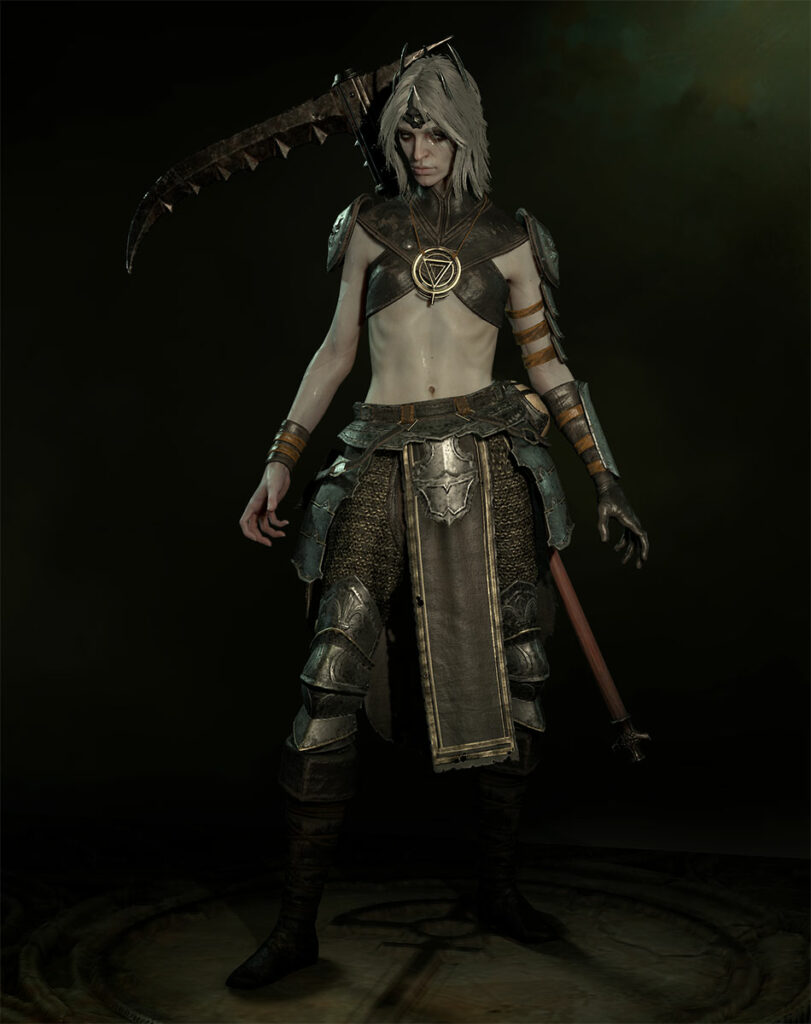
The project began with a rare privilege: direct access to the developers at Blizzard. Unlike most cosplayers who must rely on screenshots or grainy trailer footage, Kamui was provided with high-fidelity reference images, including specific armor, weapon, hair, and tattoo combinations.
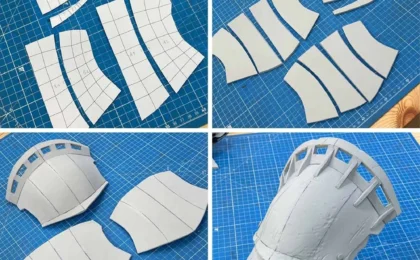
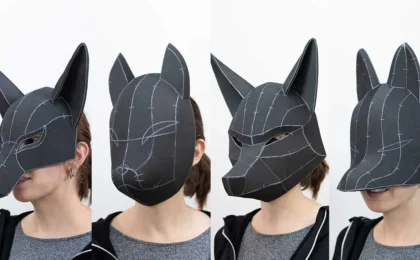
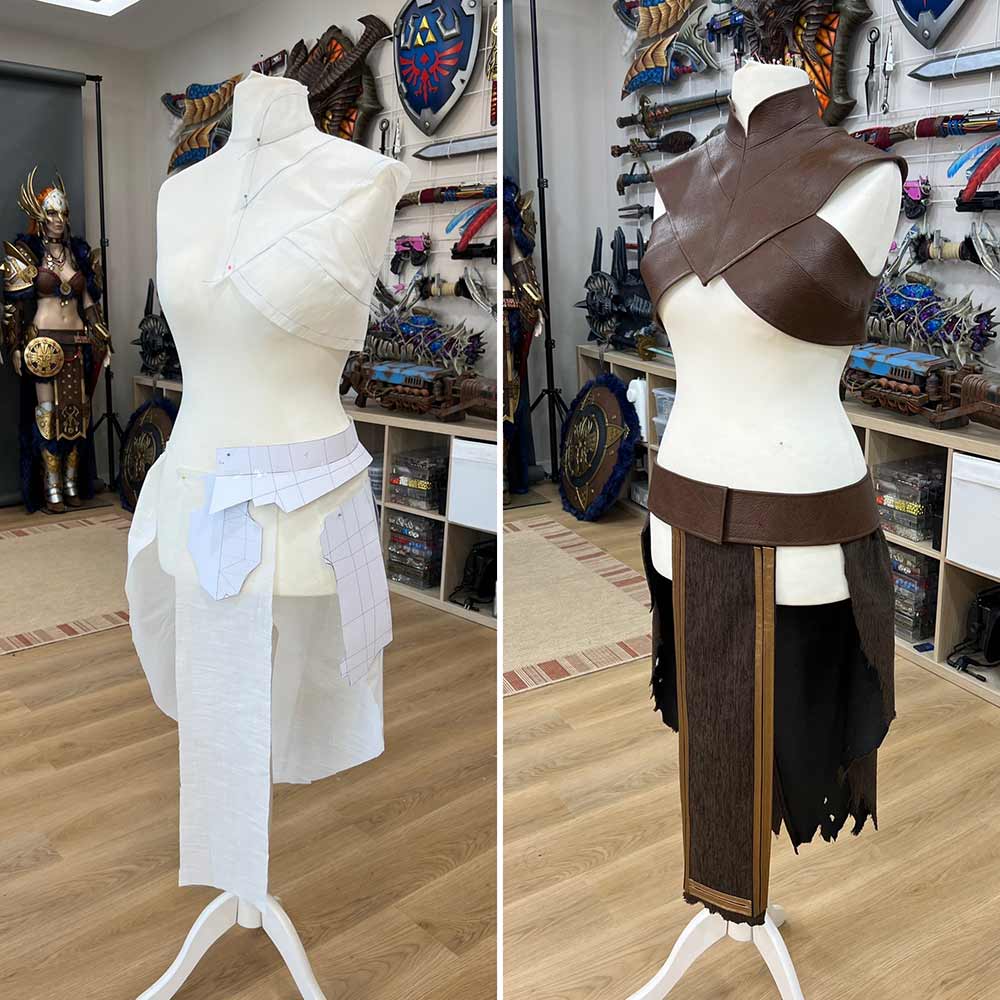
"Every cosplayer can only dream of such a service from a game studio," she notes. With the blueprints in hand, the logistical nightmare began. Working from a home that was effectively in the middle of being packed for a move to a new country, the planning phase had to be surgically precise. The team utilized paper dummies to map out the anatomy of the costume, allowing for rapid adjustments to scale and proportion before cutting into expensive raw materials.
Phase 2: The Fabric and Form Foundation (Days 1–5)
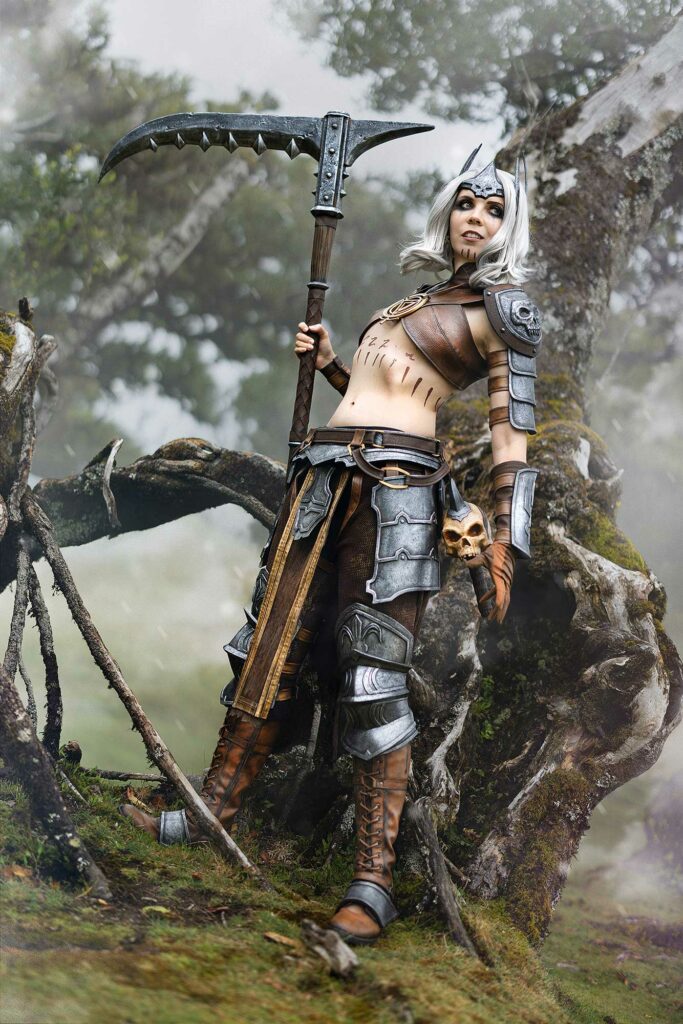
With the initial patterning complete, the hunt for materials moved to local fabric shops. The aesthetic of the Diablo IV Necromancer relies on a gritty, dark, and practical look. Kamui selected heavy brown furniture pleather to replicate the look of worn, battle-hardened hide, paired with heavy-duty curtain fabric to create the layered, flowing skirt characteristic of the class.
Simultaneously, her partner, Benni, utilized the 3D modeling software Blender to engineer custom patterns for the leg armor. These patterns were designed not only for the Diablo project but as reusable assets for future armor builds. By the end of the first five days, the foundational structure of the fabric components and the core of the armor were largely complete, a testament to the "lightning-speed" pace required to hit the launch deadline.
Phase 3: The Art of Aging and Assembly
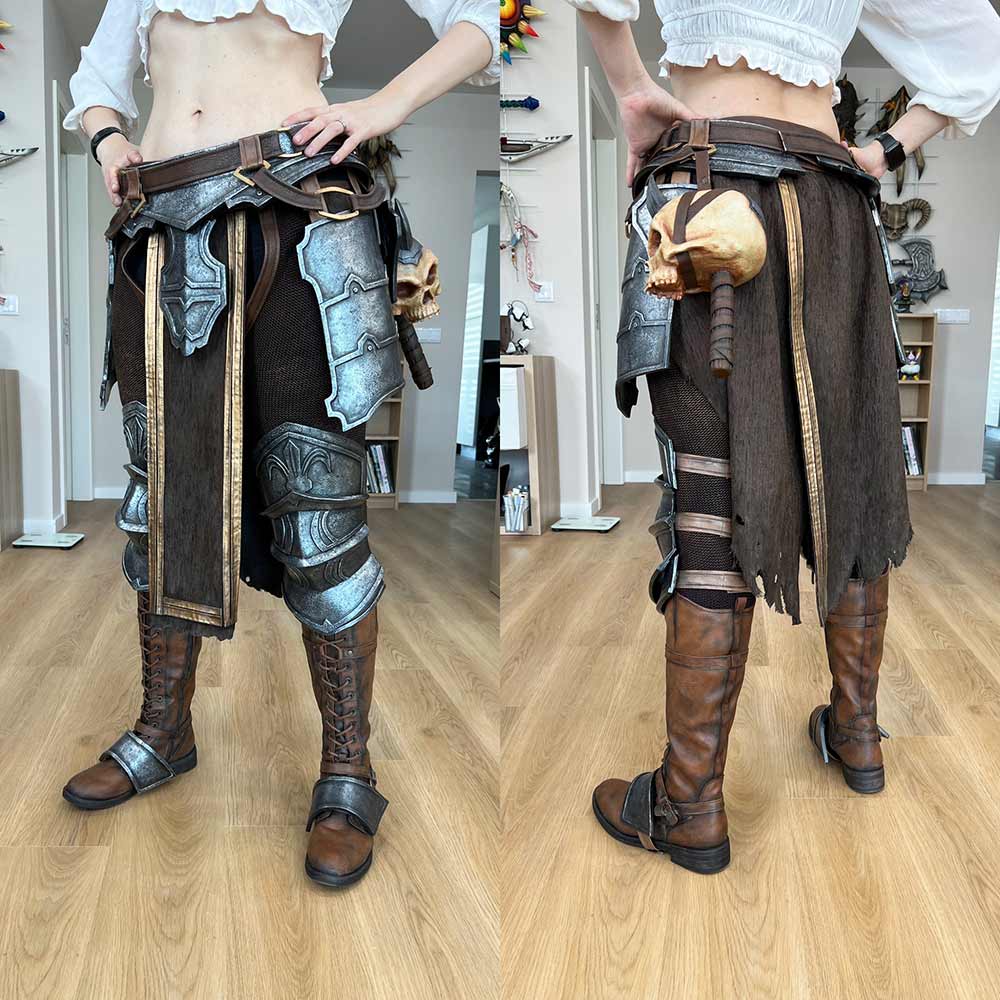
The visual identity of the Necromancer is defined by its weathered, macabre aesthetic. To achieve this, Kamui utilized 5mm EVA foam for the base armor, with 2mm detailing for added dimension. The priming process was a deliberate, multi-step operation:
- Priming: The foam was sealed with Flexbond mixed with black acrylics to provide a solid base.
- Texturing: By dabbing a specialized acrylic paste onto the surface, she created a rugged, organic texture that mimicked the look of weathered metal and bone.
- Finishing: A strategic application of "Rub ’n Buff" silver wax provided the final metallic shine, giving the pieces a realistic depth that would hold up under the scrutiny of high-resolution photography.
Phase 4: The 24-Hour Scythe Build
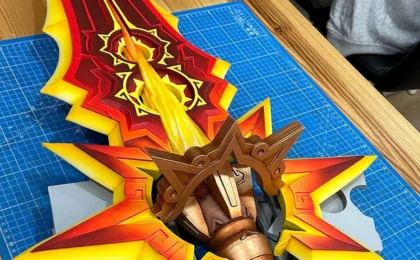
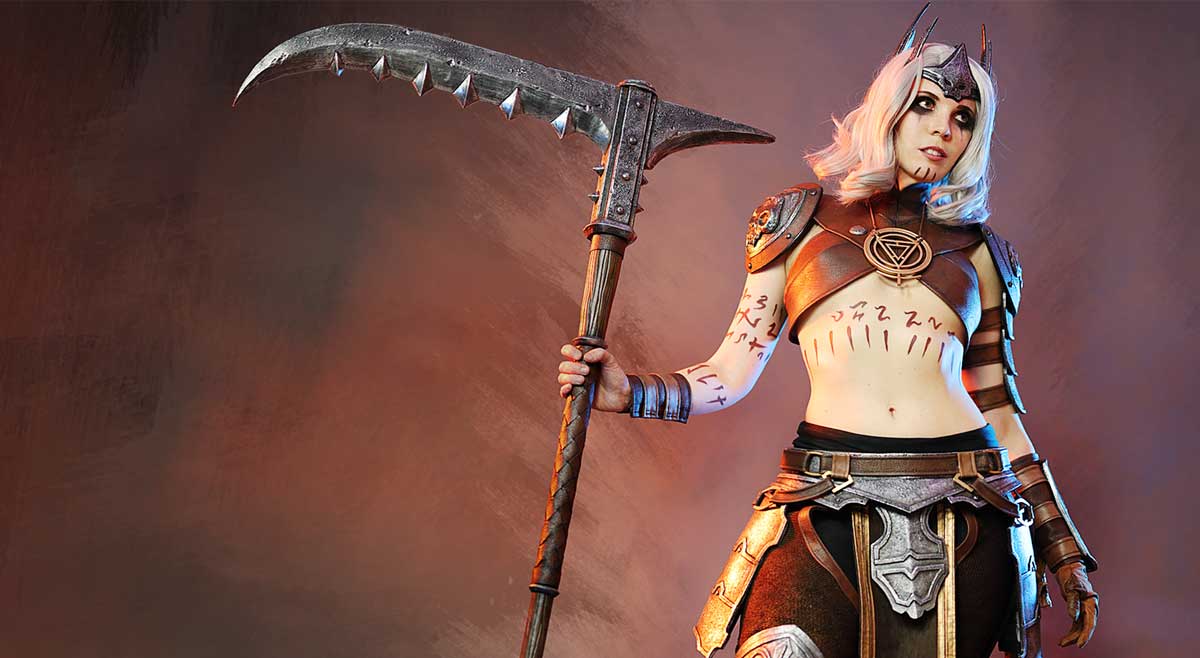
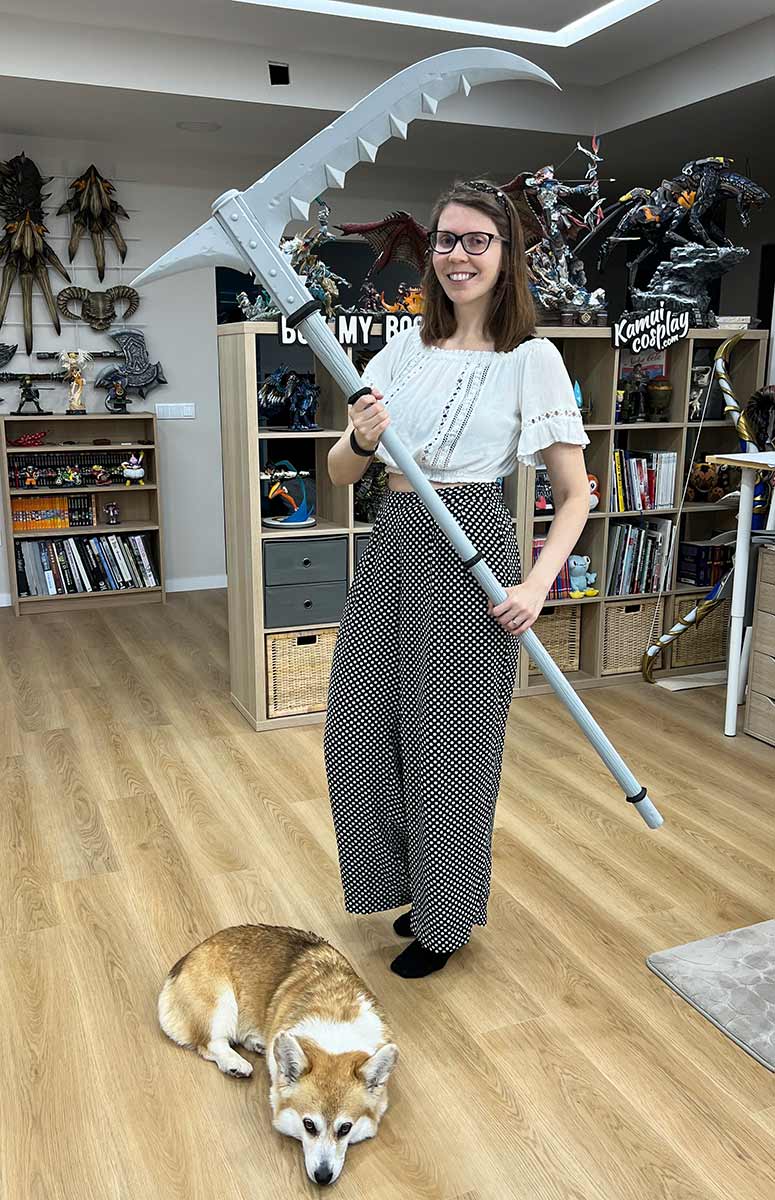
The final major component was the Necromancer’s signature scythe. To meet the deadline, the weapon was designed as a modular, detachable piece. Using PVC pipes of varying diameters as a spine, the scythe was broken into three segments connected by high-strength magnets. This design not only made the construction faster—allowing for easier priming and painting of individual parts—but also ensured the prop was transportable, a vital consideration for a professional traveling internationally. The weapon was then wrapped in foam, sculpted into its final form, and painted to match the metallic aesthetic of the armor.
Technical Specifications and Material Breakdown
The success of the build relied on a combination of traditional sewing, modern 3D printing, and high-quality foam fabrication. Below are the core technical components utilized in the construction:
Material Inventory
- Armor Base: 5mm and 2mm EVA foam.
- Textile Elements: Heavy-duty brown furniture pleather and thick curtain fabric for the skirt.
- Prototyping: Paper and duct tape for fit-testing.
- Weapon Base: PVC piping and high-strength neodymium magnets.
- Finishing Agents: Flexbond, black acrylic paint, and Rub ’n Buff (Silver).
- 3D Printed Elements: The character’s signature skull accessory, "Wilson," was 3D sculpted and printed by Benni.
Strategic Tooling
The workflow was streamlined by focusing on tools that allow for rapid iteration, including heat guns for foam shaping, precision craft knives for intricate detailing, and industrial-strength contact cements for assembly. For those looking to replicate these techniques, Kamui emphasizes the use of professional-grade foam armor manuals and 3D printing workflows as essential educational resources for intermediate to advanced cosplayers.
The Implications of Professional Collaboration
The collaboration between Blizzard Entertainment and Kamui Cosplay highlights a growing trend in the gaming industry: the formalization of the "Cosplay-as-Marketing" model. By providing official, high-resolution assets to creators, developers are able to generate high-quality marketing collateral that feels authentic to the fan base.
For the cosplayer, this relationship mitigates the guesswork often associated with recreating in-game assets. For the developer, it bridges the gap between digital fantasy and physical reality, providing a "living" representation of the game that can be used for press events, social media campaigns, and community engagement. The success of this project proves that when developers and creators align, the result is a promotional asset that resonates far more deeply than traditional advertisements.
The Final Reveal: A Location Fit for the Grave
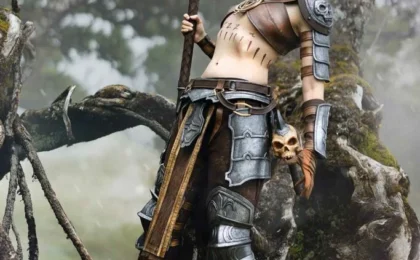
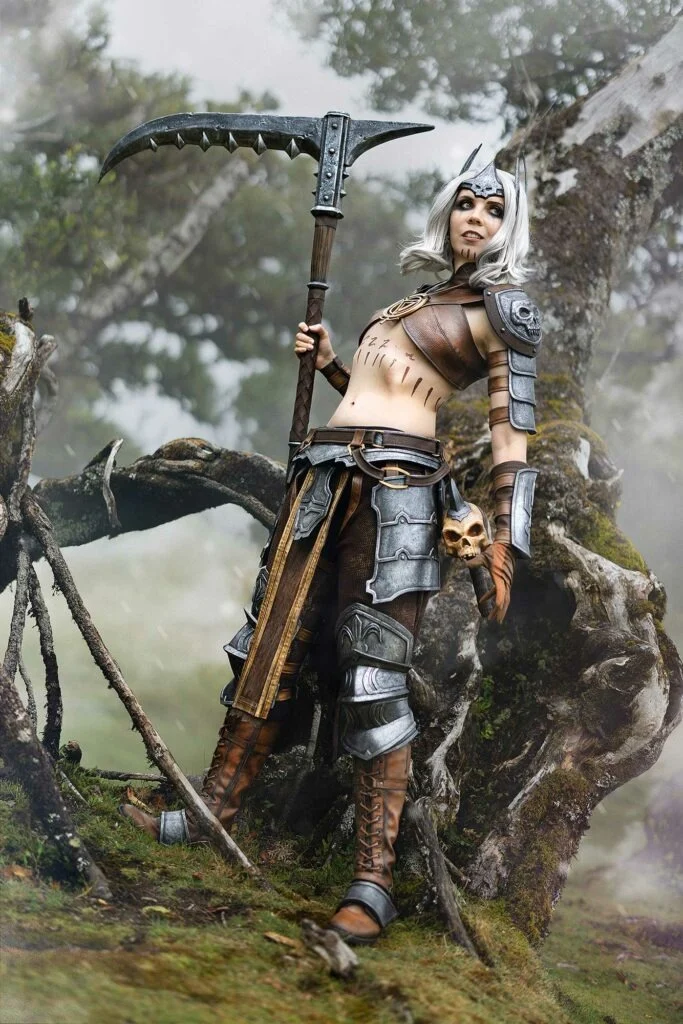
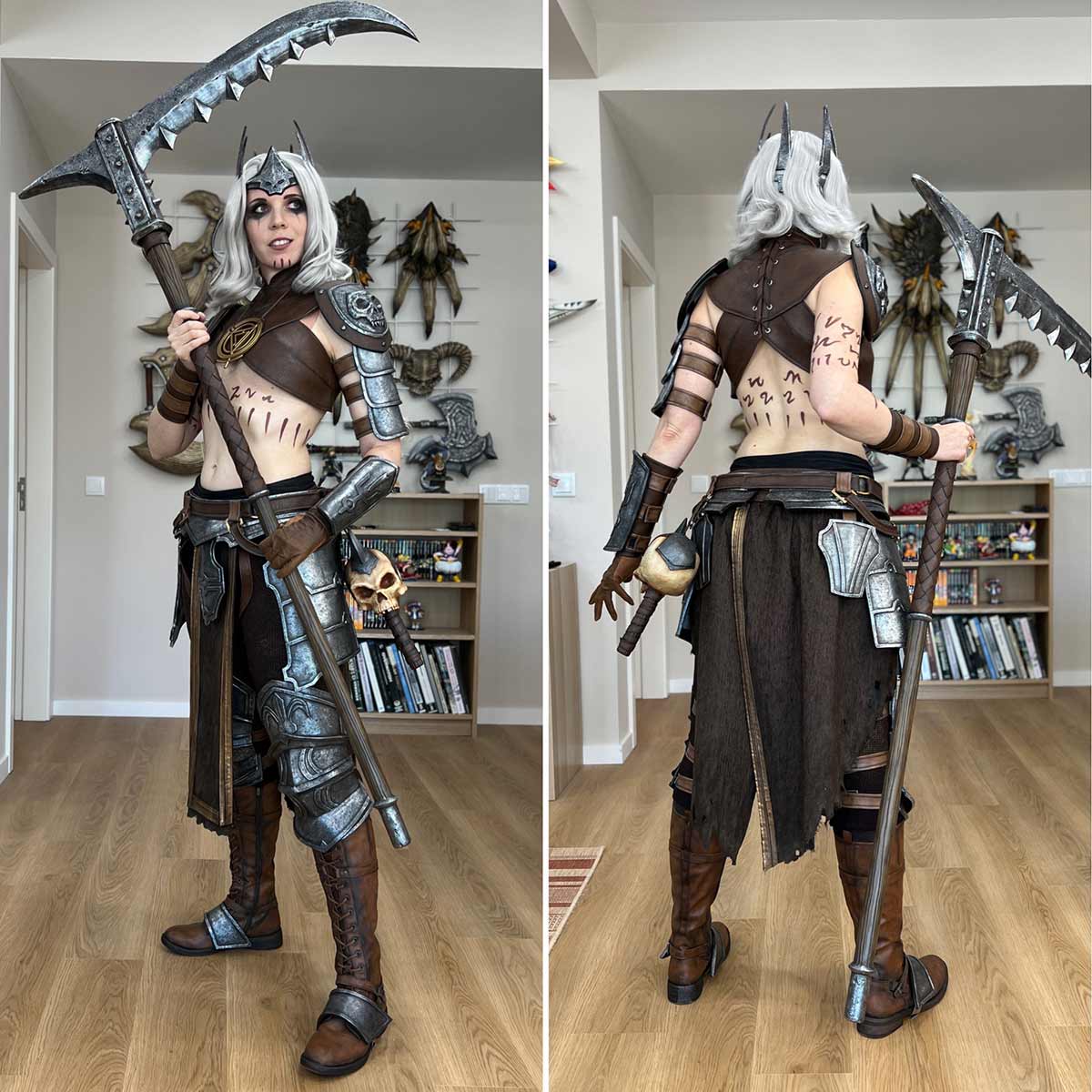
To capture the essence of the Diablo universe, the final photoshoot took place in the Fanal Forest on the island of Madeira. This ancient laurel forest, characterized by centuries-old, twisted trees and a persistent, ethereal fog, provided the perfect, haunting backdrop for the Necromancer.
The photoshoot itself was a technical challenge. Despite the natural atmosphere, the lack of heavy fog necessitated the use of digital post-processing by Benni to ensure the images maintained the dark, moody aesthetic of the Diablo franchise. Utilizing state-of-the-art Canon camera equipment, the team was able to produce a portfolio of images that look as though they were ripped directly from the game’s cutscenes.
Conclusion: A Masterclass in Crisis Management
Reflecting on the project, the primary takeaway is not just the technical prowess displayed in the foam work or the modularity of the scythe, but the discipline required to maintain quality under intense, external pressure.
Creating a full costume while undergoing an international move would be a breaking point for most, yet the finished product shows no signs of the chaos that surrounded its creation. It serves as a reminder that the heart of cosplay is not just the materials used or the hours logged, but the passion that drives a creator to solve impossible problems in record time. As the Diablo IV Necromancer continues to stand as a highlight in Kamui’s extensive portfolio, it remains a beacon for creators everywhere: with the right planning, the right tools, and an unwavering commitment to the craft, even the most daunting deadlines can be conquered.