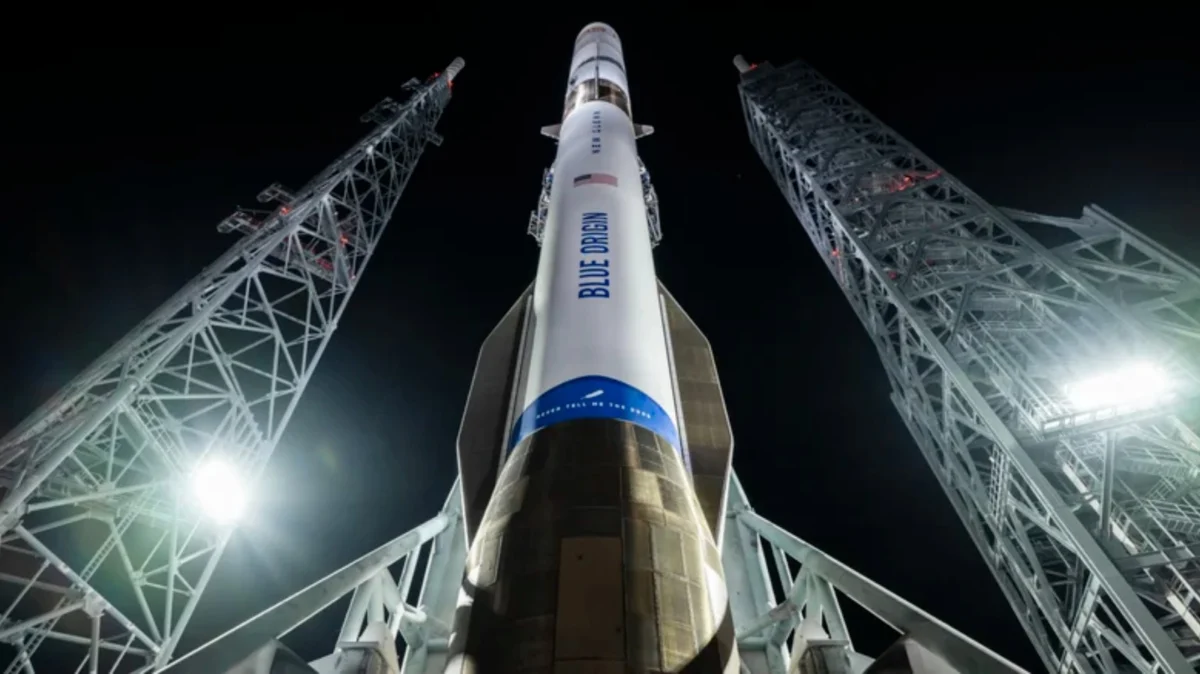
The ambitious trajectory of Blue Origin’s heavy-lift New Glenn rocket has encountered a significant obstacle. Following a catastrophic explosion during a ground-based "hot-fire" test this past May, the Jeff Bezos-founded space company has officially confirmed that its return to the launchpad will not occur until early 2027. This development marks a stark deviation from initial post-incident optimism and places immense pressure on the company as it attempts to establish its footprint in a rapidly crowding commercial space sector.
The Chronology of a Setback
The timeline of the New Glenn program has been characterized by high expectations followed by hard lessons in aerospace engineering.
The May 2026 Explosion
In May 2026, Blue Origin’s Cape Canaveral facility was the site of a dramatic failure. During a routine hot-fire test—a critical procedure where engines are ignited while the vehicle is secured to the launchpad—an anomaly occurred, resulting in an explosion that caused substantial damage to both the rocket hardware and the surrounding ground infrastructure. While no personnel were injured, the visual impact of the blast sent ripples of concern through the aerospace industry, casting doubt on the readiness of the heavy-lift vehicle.
Initial Optimism
In the immediate aftermath, Blue Origin’s leadership was quick to project confidence. CEO Dave Limp publicly stated that the damage was localized and that the repair phase would be rapid. At the time, the company maintained that it could address the technical shortcomings and restore the launchpad to operational status before the conclusion of 2026. This aggressive timeline was intended to signal to stakeholders, including NASA and Amazon, that the company’s "Step-by-Step, Ferociously" motto was more than just a corporate slogan.
The November Revision
By November 2026, the reality of the situation had shifted. In an internal memo shared with staff—and subsequently reported by the Financial Times—CEO Dave Limp acknowledged that the target for the next launch had been pushed to January 2027. The shift from a late 2026 goal to an early 2027 start indicates that the damage sustained during the May explosion was more systemic and harder to rectify than initial damage assessments suggested.
Infrastructure Reconstruction and Technical Hurdles
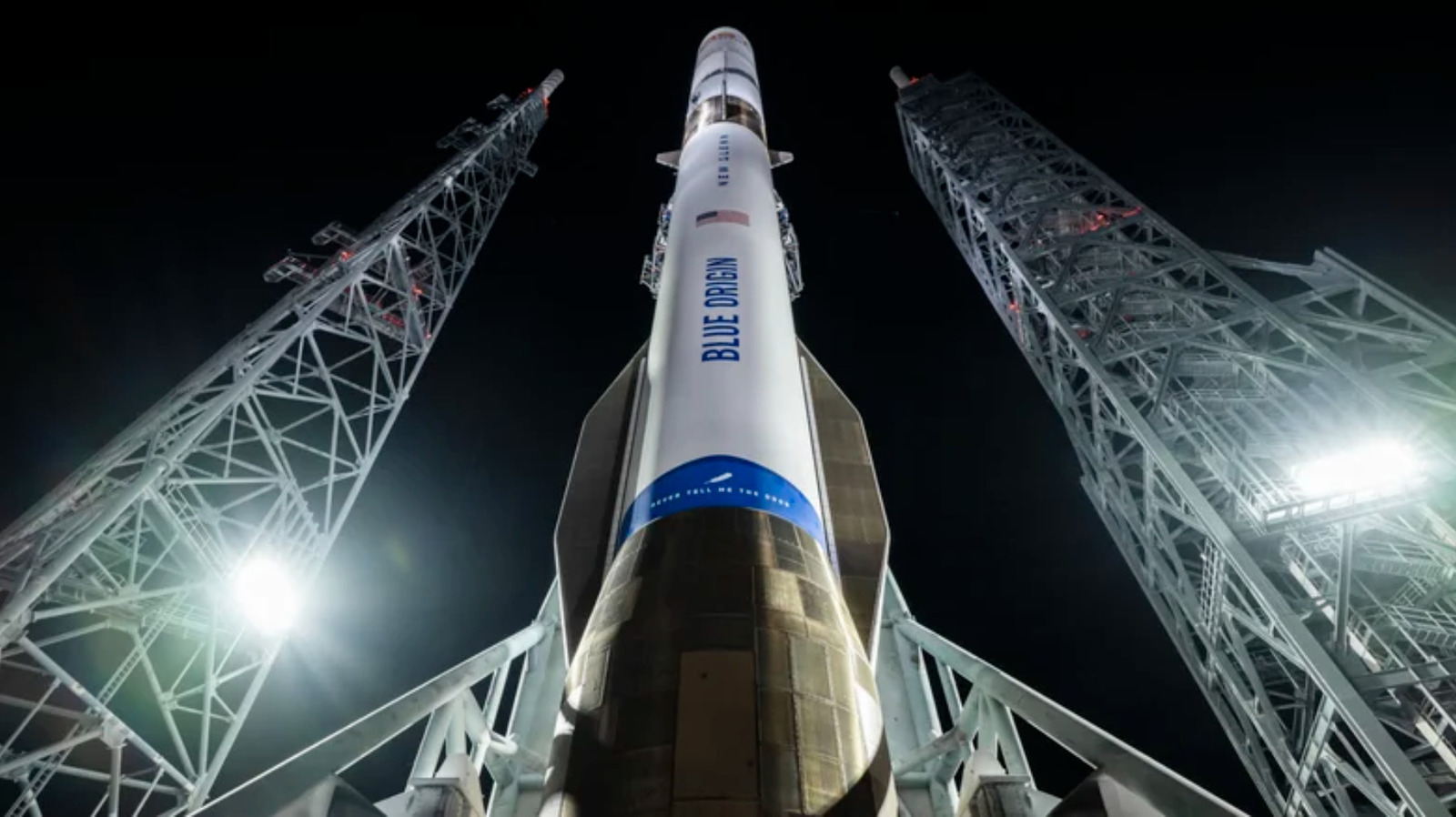
The recovery efforts have focused on two primary areas: the Vehicle Access Tower and the launch bridge. According to recent reports, both structures have been successfully restored and restacked, signifying that the physical environment is once again ready to receive the next flight-ready New Glenn vehicle.
However, the question remains: why did it take six months to reach this stage?
The Role of Environmental Challenges
In his communication to staff, Dave Limp specifically cited adverse weather conditions as a primary driver for the delay. Florida’s Space Coast is notoriously susceptible to extreme weather, including high winds and electrical storms, which can halt crane operations and delicate structural repairs. In the complex world of launch vehicle integration, safety protocols demand that sensitive hardware is not exposed to environments that could compromise structural integrity.
Engineering Resilience
Despite the delay, Limp expressed pride in the team’s performance. "Your collective work on our return to flight has been nothing short of remarkable," he wrote. "In just six months, Team Blue has accomplished what many thought would take years." The company is framing the recovery not as a failure, but as a demonstration of their ability to scale and respond to crises—an essential skill for any entity hoping to maintain a consistent launch cadence.
Supporting Data: Why New Glenn Matters
The importance of the New Glenn launch cannot be overstated. Unlike the smaller New Shepard suborbital vehicle, New Glenn is designed for orbital flight and high-capacity payload delivery. Its success is tethered to several multi-billion-dollar initiatives.
The Mars Telecommunications Contract
In September 2026, Blue Origin secured a major contract with NASA to develop a telecommunications and navigation network around Mars. This project is a foundational element of NASA’s long-term exploration goals, intended to provide high-speed data relay for future robotic and potentially human missions to the Red Planet. For Blue Origin, this represents a transition from a launch provider to a critical infrastructure partner for deep-space exploration.
The Amazon Leo (Project Kuiper) Connection
Perhaps the most immediate commercial pressure stems from Amazon’s Low Earth Orbit (LEO) satellite broadband service. As a sister company to Amazon, Blue Origin is the primary vehicle provider for the constellation’s deployment. With competitors like SpaceX’s Starlink currently dominating the market, every month that New Glenn remains grounded is a month that Amazon’s satellite deployment lags behind, potentially impacting the service’s global rollout and market share.
Implications for the Commercial Space Industry
The delay of New Glenn highlights the inherent risks of the "move fast and break things" philosophy when applied to heavy-lift rocketry.
The Competitive Landscape
The commercial space market is currently in a "golden age" of competition. SpaceX remains the dominant player, with a high launch frequency that is currently unmatched. Meanwhile, other players like ULA (United Launch Alliance) and various international startups are vying for a piece of the launch market. For Blue Origin, the 2027 delay means they will miss out on critical launch windows that were previously earmarked for commercial and government clients.
Financial and Investor Confidence
Jeff Bezos has historically funded Blue Origin through the sale of Amazon stock, providing the company with a significant financial runway. However, as the company matures, there is increased scrutiny regarding its ability to generate its own revenue. The delay forces the company to continue burning capital on remediation rather than generating income from payloads, which may lead to further questions from the board and investors about the speed of the company’s development lifecycle.
A Pivot to Safety
In the aerospace industry, delays are often a byproduct of a "safety-first" culture—a necessity in a field where a single failure can cost hundreds of millions of dollars and set a program back by years. While the May 2026 explosion was undoubtedly a failure of testing protocols, the decision to push the launch date to 2027 suggests a deliberate, cautious approach to the return-to-flight. The company appears to be prioritizing the integrity of the vehicle over the convenience of a calendar year.
Looking Ahead to 2027
As the industry looks toward January 2027, all eyes will be on the Cape Canaveral launchpad. The pressure on the engineering team to execute a flawless launch will be immense. A successful maiden voyage of the New Glenn would serve as a major vindication for Blue Origin, proving that the infrastructure repairs were robust and the design adjustments were sound.
However, the margin for error is razor-thin. If the 2027 launch encounters further technical difficulties, it could lead to a re-evaluation of the company’s entire launch architecture. For now, the narrative remains one of recovery and endurance. Blue Origin is positioning itself as a long-term player that is willing to endure short-term pain for long-term reliability. Whether that strategy will be enough to catch up to the momentum of their rivals remains the central question of the coming year.
In the final analysis, the New Glenn delay is a reminder of the unforgiving nature of orbital mechanics and high-pressure engineering. As humans look to expand their presence in space, the success of vehicles like New Glenn is essential. While the road has been bumpier than expected, the aerospace community will be watching with anticipation as the countdown begins again for 2027.