

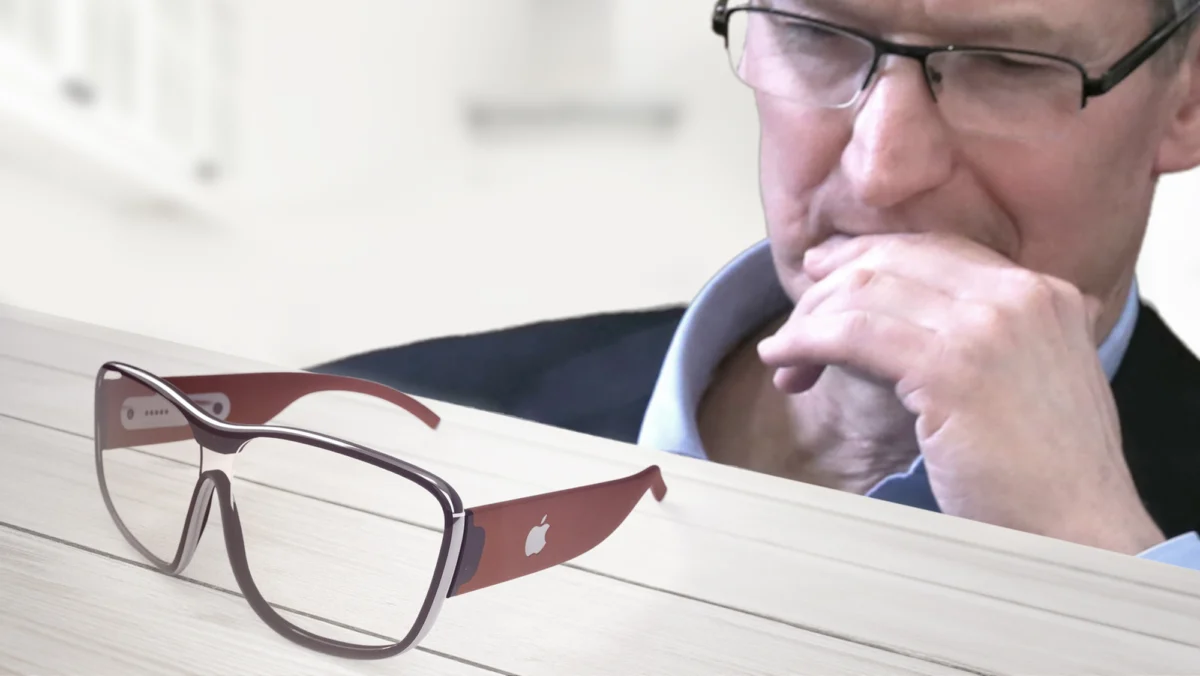
The consumer technology landscape is on the precipice of a significant shift. For over a decade, the smartphone has been the undisputed king of personal electronics, acting as the primary gateway to our digital lives. However, as innovation plateaus in the handheld market, tech giants are increasingly looking toward the face as the next canvas for computing. Apple, a company that has historically waited for technologies to mature before entering them, is now positioning itself to lead this transition. According to recent insights from Bloomberg’s Mark Gurman, Apple is deep in development on a line of smart glasses, a move that signals a long-term play to disrupt the multi-billion-dollar global eyewear industry.
The Strategic Vision: From Wrist to Face
Apple’s approach to the wearable market has always been methodical. When the Apple Watch launched in 2015, it was met with skepticism; critics argued that the world didn’t need another screen attached to the body. Yet, through iterative design, robust health-tracking features, and deep integration with the iPhone ecosystem, the Apple Watch evolved from a niche accessory into an essential health companion.
The company now intends to replicate this "Watch trajectory" with its smart glasses. The vision is to transform spectacles from a functional medical device—used primarily to correct vision—into a powerful, AI-driven wearable that acts as an ambient computing platform. While rumors of full-fledged Augmented Reality (AR) glasses have persisted for years, the reality is more nuanced: Apple is likely planning a phased rollout that begins with AI-assisted hardware before moving toward fully immersive optical displays.
Chronology: A Roadmap to 2027 and Beyond
The timeline for Apple’s entry into the smart glasses market is becoming clearer, though it is marked by the typical development hurdles that accompany high-end hardware.
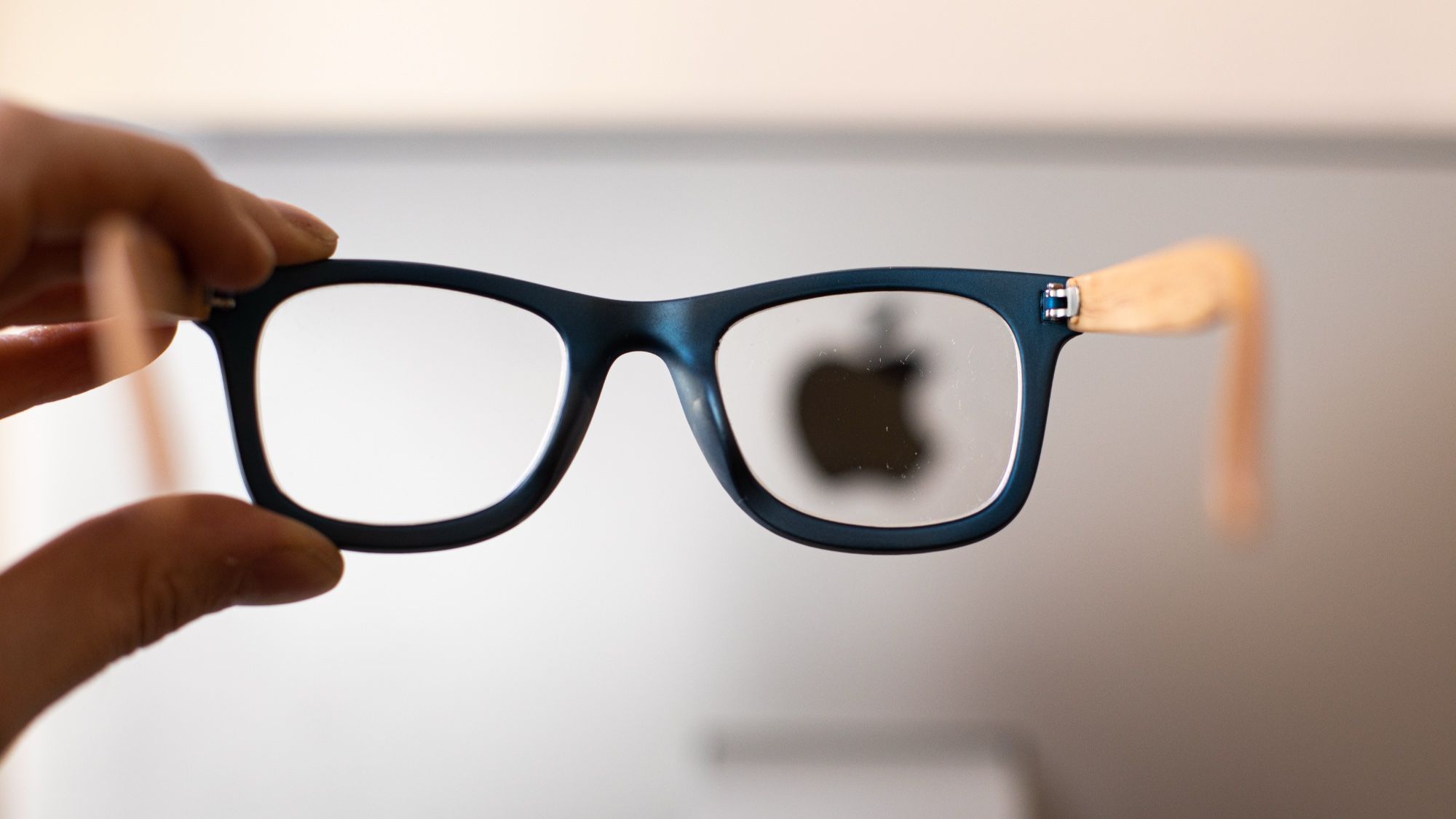
- 2024–2025: The Foundation Phase: Currently, Apple is refining the AI integration within its existing ecosystem. This period is dedicated to improving "Apple Intelligence" and exploring how these models can be offloaded to wearable hardware.
- Late 2027: The Expected Launch: Industry analysts, including Mark Gurman, suggest that the first iteration of Apple’s smart glasses will likely hit the market in late 2027. Unlike the Apple Vision Pro, these will not be bulky headsets but rather lightweight, aesthetically focused frames.
- The Interim Period: Before the glasses arrive, Apple is expected to introduce a more accessible, slimmed-down version of its Vision headset. This acts as a bridge, keeping the company relevant in the spatial computing space while the necessary miniaturization for optical glasses continues.
- 2030 and Beyond: The AR Horizon: Full-scale, high-fidelity AR glasses remain a longer-term goal. The challenge lies in shrinking batteries, processors, and optical waveguides into a form factor that feels indistinguishable from traditional prescription frames.
The $200 Billion Opportunity: Market Dynamics
The eyewear industry is a massive, fragmented market. The World Health Organization (WHO) estimates that approximately 2.2 billion people globally suffer from some form of vision impairment, fueling an industry valued at roughly $200 billion annually.
Apple is not just competing with other tech companies like Meta or Samsung; they are positioning themselves to take market share from traditional eyewear titans like Luxottica (the parent company of Ray-Ban). By introducing technology that feels like a natural extension of one’s fashion sense—offering various frame styles, colors, and designs—Apple aims to break the stigma often associated with "geeky" smart glasses.
The economic model is also compelling. By targeting the $200 to $500 price segment, Apple is hitting the "sweet spot" of the consumer eyewear market. While they are unlikely to disrupt the ultra-luxury segment—where consumers pay thousands for designer heritage brands—they could easily dominate the mid-tier market, where consumers are already accustomed to paying for premium frames and lenses.
Ecosystem Lock-in: The Apple Advantage
The success of Apple’s glasses will almost certainly hinge on the "Apple Ecosystem" effect. Just as the AirPods or the Apple Watch function best when paired with an iPhone, the upcoming glasses will likely serve as a peripheral for the handset.
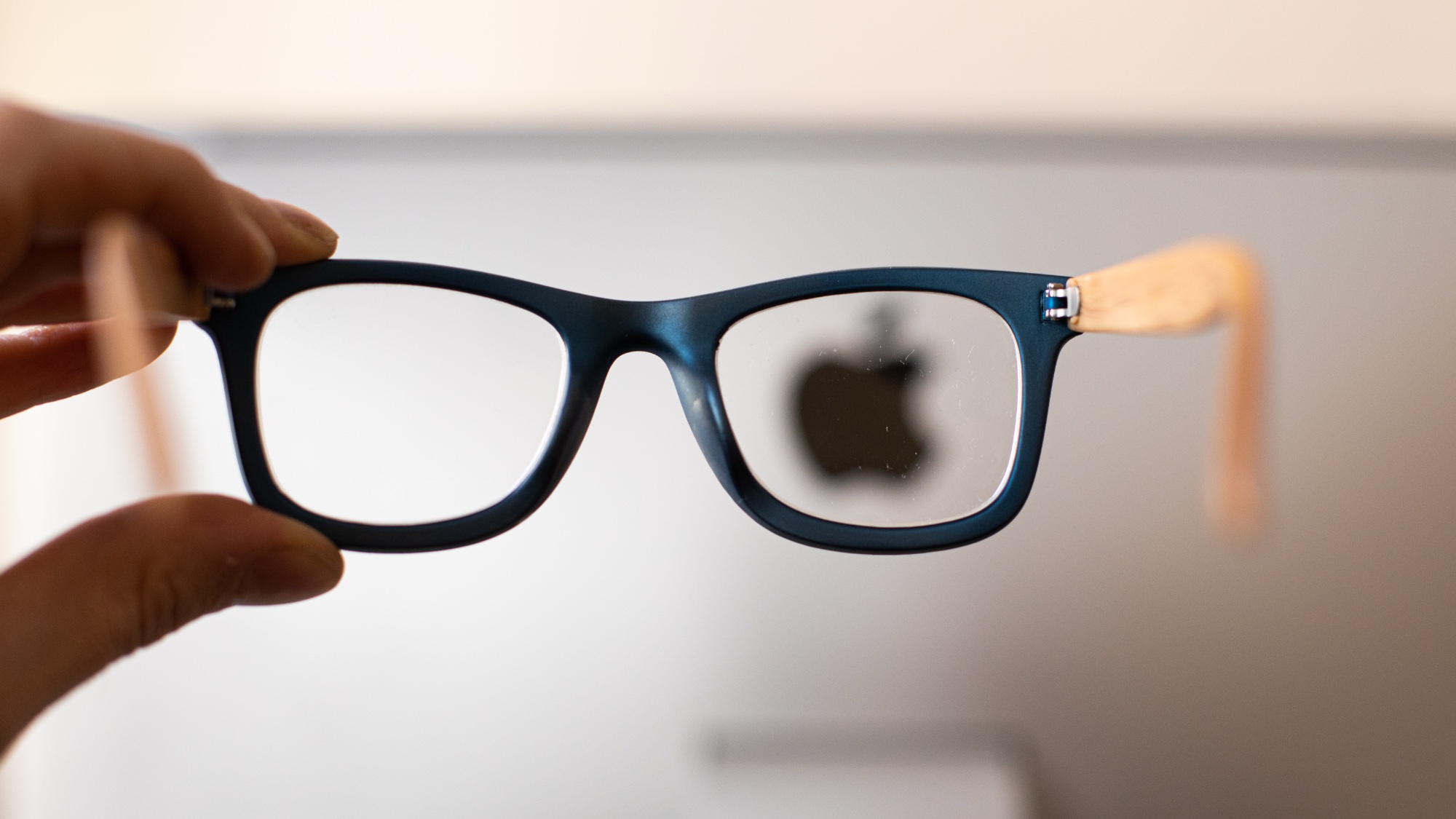
Features such as seamless handoff, Siri integration, and health data synchronization will likely be restricted to Apple users. If Apple follows its historical precedent, the glasses will not play nicely with Android, creating a high barrier to entry for non-iPhone users. This strategy serves two purposes: it incentivizes existing users to stay within the walled garden and provides a strong reason for Android users to switch, should the hardware offer features that are truly indispensable.
Technical Expectations: What to Anticipate
What will these glasses actually do? Based on current supply chain reports and industry trends, the first generation is expected to focus on:
- AI-Powered Cameras: Using outward-facing cameras to analyze the environment, identify objects, or provide real-time translation and guidance.
- Health Integration: Similar to how the Apple Watch monitors heart rate and oxygen levels, the glasses could track vitals or even aid in vision-related accessibility, providing real-time data overlays for those with specific impairments.
- Industrial Design: Apple is placing a heavy premium on aesthetics. Expect the glasses to be indistinguishable from "dumb" frames, with thin temples that house the battery and compute modules.
- No "Eye-Screen": The initial 2027 release will likely eschew a complex AR display in favor of an audio-visual AI assistant, prioritizing battery life and comfort over the high-drain requirements of full-screen AR.
The Challenges: Can Apple Change the Narrative?
Despite the excitement, significant hurdles remain. The first is the "Face-Computer" stigma. Google Glass failed in the mid-2010s largely because it felt invasive and socially awkward. Apple must navigate the privacy concerns of users being recorded, as well as the aesthetic vanity of the average consumer.
Furthermore, there is the issue of dependency. Can Apple convince the average person to wear a battery-powered device on their face for 12 to 16 hours a day? The device must be lightweight, thermally efficient, and stylish enough to pass as a fashion accessory. If the device feels like a gadget rather than an accessory, it will likely struggle.
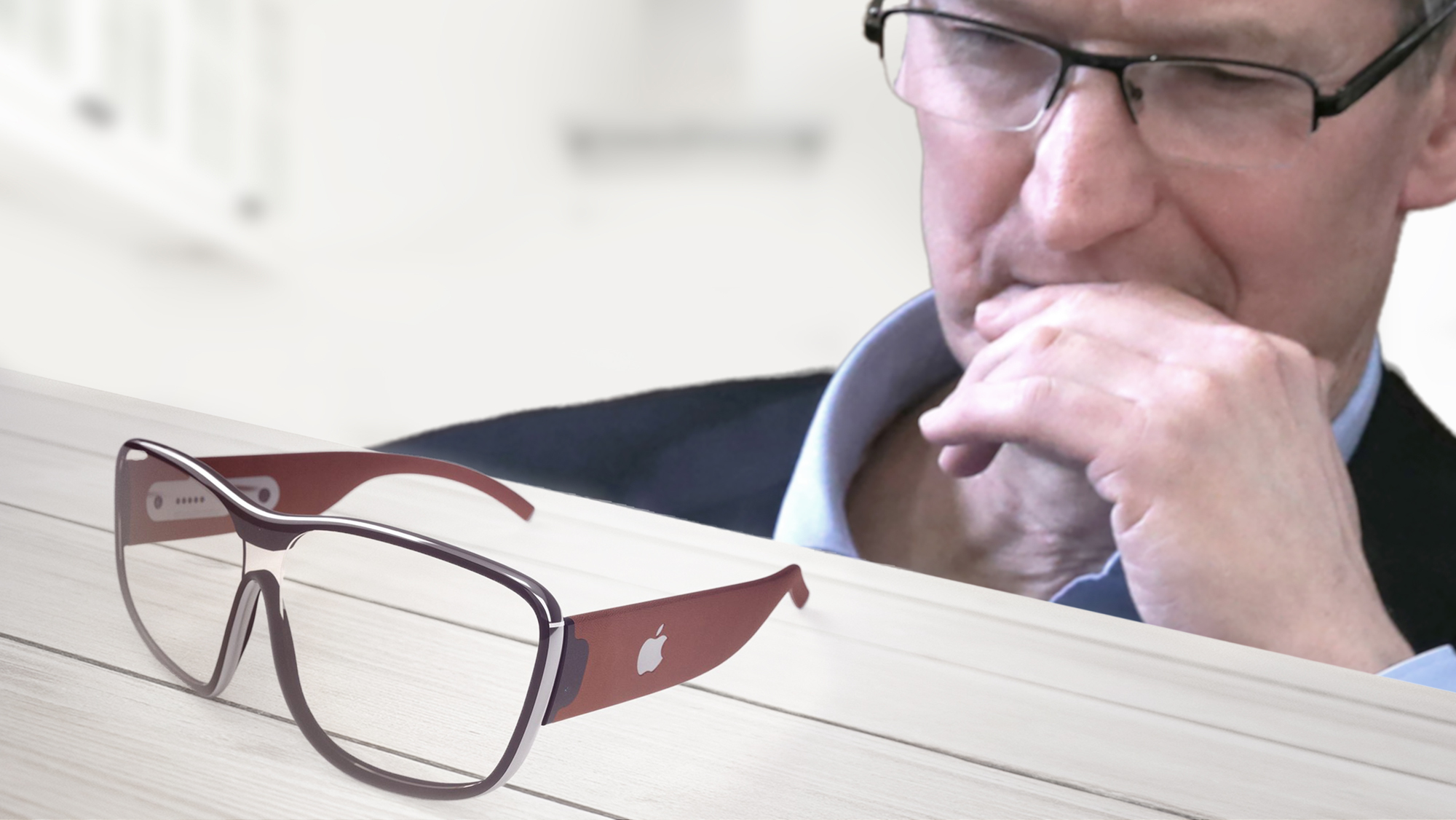
Lastly, there is the Android question. If Apple keeps its glasses exclusively tied to the iPhone, it limits its total addressable market to a fraction of the global population. Given that Android devices dominate the global market, this could be a strategic misstep—or it could be a deliberate move to maintain the premium, exclusive nature of the Apple brand.
Official Stance and Future Outlook
Apple has remained characteristically silent regarding specific product timelines, adhering to its policy of not commenting on unreleased hardware. However, the company’s aggressive patent filings and recent R&D spending on optical technologies speak volumes.
The implications for the broader tech industry are profound. If Apple succeeds, it will effectively turn the eyewear industry into a tech-adjacent sector, forcing competitors to scramble to catch up. For the consumer, it represents the next step in the "invisible computer"—where technology is no longer something we hold in our hands, but something we wear as a natural extension of our senses.
As we look toward 2027, the wait feels long, but for a company that prioritizes polish over speed, the delay is part of the process. Whether Apple can truly redefine what it means to wear glasses remains to be seen, but one thing is certain: the era of the smartphone is reaching its twilight, and the era of the face-mounted computer is just beginning.
Summary of Key Considerations:
- Integration: The glasses will likely act as a satellite to the iPhone, creating a symbiotic relationship that deepens ecosystem lock-in.
- Design: Apple’s pivot toward fashion-forward, lightweight designs aims to solve the "Google Glass" problem of social awkwardness.
- Health: By treating the device as a health monitor, Apple hopes to justify the price and the necessity of wearing the device all day.
- Market Disruption: The company is aiming for the mid-tier $200–$500 market, where the volume of sales can translate into massive revenue, even if they don’t replace the ultra-premium luxury eyewear market.












No comments yet. Be the first to join the conversation!