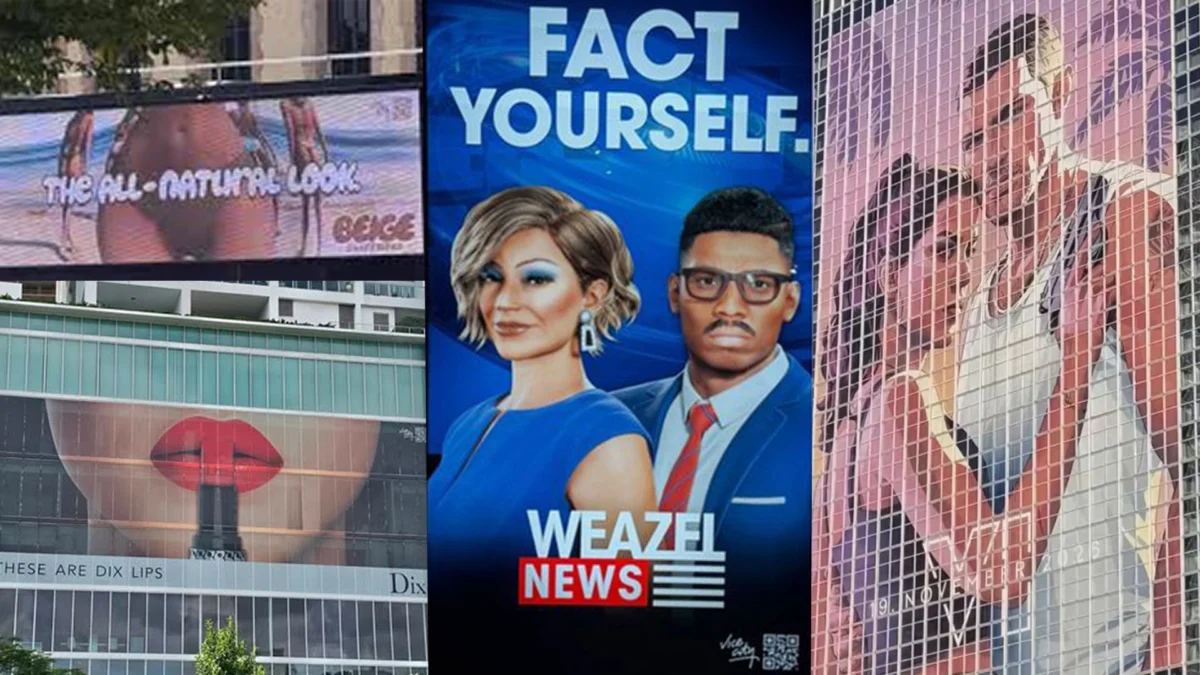
With less than two weeks remaining until the highly anticipated release of Grand Theft Auto VI on PlayStation 5 and Xbox Series X/S, Rockstar Games has embarked on what is arguably the most ambitious and sophisticated marketing campaign in the history of the medium. While traditional game launches rely on high-octane cinematic trailers and influencer partnerships, Rockstar has opted for a different, more immersive strategy: they are bringing the fictional, hyper-consumerist world of Vice City into our own reality.
Across major global hubs, from the neon-soaked streets of Miami to the urban landscapes of Brooklyn, the "GTA VI" branding has become inescapable. Yet, the most captivating aspect of this campaign isn’t the flashy key art featuring protagonists Lucia and Jason—it is the proliferation of fake, satirical advertisements that seem to have leaked from the game’s own universe into the physical world.
The Chronology of a Viral Takeover
The escalation of this marketing blitz began in earnest as the launch window moved within the one-month countdown. Early in the cycle, Rockstar focused on traditional—albeit massive—billboard placements and global digital displays. These early efforts served as a foundation, reminding the public of the game’s impending arrival.
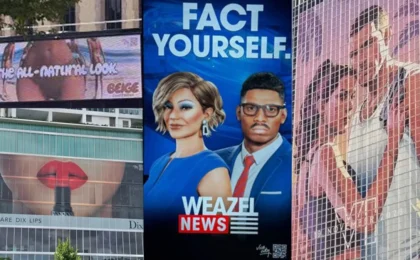
However, the strategy shifted into "meta-territory" roughly three weeks out. In Miami, the game’s primary inspiration for the fictional Vice City, residents began spotting city buses and public kiosks adorned with advertisements for brands that don’t exist: Vice City Narcos, Beige Shapewear, Crowex watches, and Taco Bomb.
The social media reaction was instantaneous. Platforms like Reddit and X (formerly Twitter) became hubs for cataloging these sightings. Users began to realize that Rockstar was not just advertising a game; they were curating a transmedia experience. By mid-October, these advertisements began appearing in high-traffic zones, including the Kaseya Center in Miami, where the fictional fast-food chains Burger Shot and Cluckin’ Bell were prominently featured, blurring the lines between corporate sponsorship and biting social commentary.
Supporting Data: The Anatomy of the $300 Million Blitz
Industry analysts estimate that Rockstar’s total global promotional spend for GTA VI could reach a staggering $200 million to $300 million throughout the full launch cycle. This figure, while massive, is reflective of the sheer scale required to move the needle for a product of this magnitude.
Crucially, Rockstar has largely eschewed standard product placement. Despite the temptation to "trendjack" through partnerships with real-world entities—a tactic many other publishers use—Rockstar remains famously selective. Instead, they invest that capital into their own internal brand ecosystem.
The effectiveness of this approach is measured not in clicks, but in cultural penetration:
- Brand Parody: Over 100 fictional brands have been integrated into the physical ad space, ranging from luxury goods like Crowex (a spoof of Rolex) to beauty products like Dix makeup.
- The "Double Entendre" Strategy: By utilizing slogans that mimic the aggressive, often vacuous nature of real-world advertising—such as the watch brand Kronos declaring, "Always come early," or a jewelry ad promising, "Suddenly You Are Big Enough"—Rockstar mocks the very advertising industry that is hosting their campaign.
- Engagement Metrics: While traditional ads see declining returns due to "ad fatigue," the GTA campaign benefits from a curiosity-gap. Passersby, confused by the lack of clear branding, scan QR codes on these posters, which lead to landing pages that deepen the world-building, creating a cycle of intrigue that keeps the game in the public consciousness without ever showing a single frame of combat or gameplay.
The Philosophy of Satire: A Mirror to Society
At its core, Grand Theft Auto has always been a savage satire of American consumer culture. By moving these ads into the real world, Rockstar is effectively holding a mirror up to the consumer.
Critics who initially suggested that Rockstar might "tone down" its humor for fear of modern sensitivities have been proven wrong. The campaign proves that the developer’s appetite for "unhinged" social commentary remains sharper than ever. The ads are designed to cut through the noise of real advertising by being more honest about the euphemisms companies use to sell products.
When a billboard in Miami advertises a product with a wink and a nudge, it isn’t just a marketing ploy; it’s an invitation to join in the joke. This is the "Rockstar touch"—the ability to make a multi-million dollar ad campaign feel like a subversive art project. By refusing to partner with real brands, Rockstar ensures that GTA VI remains a closed, self-sustaining universe, preventing the game from feeling like a platform for real-world corporate interests.
Official Responses and Industry Implications
While Rockstar Games has maintained its typical radio silence regarding the specific costs or strategic goals of the campaign, the implications for the wider gaming industry are profound.
The success of the "fictional brand" approach challenges the industry-standard reliance on celebrity endorsements and real-world tie-ins. It suggests that if a world is built with enough depth and personality, the IP itself is more valuable than any cross-promotional partnership.
Industry experts have noted that this strategy effectively inoculates the brand against "marketing fatigue." Because the advertisements are humorous and satirical, they are perceived as content rather than clutter. When a fan sees a poster for Weazel News or Sprunk, it serves as a "call to home"—an acknowledgment of the shared history between the player and the developer. For the newcomer, it is a point of curiosity; for the veteran, it is an inside joke that reinforces loyalty.
The Future of Global Entertainment Marketing
As we approach the final countdown to the launch, the GTA VI campaign serves as a masterclass in modern branding. By blurring the lines between the game world and our own, Rockstar has ensured that the "hype" is not just about the technical fidelity of the graphics or the scope of the map, but about the cultural presence of the game.
The decision to feature fictional brands like Macca & Friends—a cartoon set to air on the in-game network Weazel—proves that Rockstar is playing a long game. They are not merely selling a product; they are expanding a cultural phenomenon.
In a digital age where attention is the most valuable currency, Rockstar Games has found a way to win the battle for our minds by simply pretending that their world is as real, as chaotic, and as absurd as our own. Whether it’s a hand-painted mural in Brooklyn or a digital kiosk in Miami, the message is clear: Grand Theft Auto VI isn’t just coming to our consoles; it’s already here.