In the ever-evolving landscape of smartphone design, Apple has long been a company that prides itself on minimalism and the “less is more” philosophy. However, recent reports from the supply chain and leaker communities suggest that Cupertino is planning a significant hardware consolidation that could alter how users interact with their devices. The latest buzz indicates that the beloved Action Button, a staple of the iPhone 16 series, may soon be phased out, with its functionality folded into the touch-sensitive Camera Control button.
For many users, this news is not merely a technical update; it is an emotional and functional shift. The Action Button, which replaced the classic Ring/Silent switch, offered a level of customization that felt uniquely "Apple"—simple yet powerful. The prospect of losing this dedicated physical control has sparked a debate about the balance between innovation and user-friendly ergonomics.
The Main Facts: What is Changing?
According to insights provided by the prolific industry leaker known as "Instant Digital," Apple is evaluating a design roadmap that eliminates the standalone Action Button. Instead, the company is reportedly exploring a "unified" interface where the touch-capacitive Camera Control button—introduced to widespread fanfare with the iPhone 16—would absorb the tasks currently assigned to the Action Button.
The Action Button currently allows users to trigger various shortcuts, including opening the flashlight, launching specific apps, recording voice memos, or activating Focus modes. By merging these capabilities into the Camera Control, Apple would essentially be creating a "Swiss Army Knife" button. While the move aligns with the company’s desire for a sleek, port-less, and button-free future, it raises questions about whether a single, multifunction touch surface can truly replace the tactile reliability of a dedicated, physical button.
A Chronology of Apple’s Button Evolution
To understand the weight of this potential change, one must look back at the history of Apple’s interface design.
- The Home Button Era (2007–2017): The physical Home Button was the heart of the iPhone for a decade. Its removal with the iPhone X marked the first major "mourning period" for Apple loyalists, yet it paved the way for the edge-to-edge displays we now take for granted.
- The Ring/Silent Switch (2007–2023): For sixteen years, this simple toggle was the only physical control that remained largely unchanged, representing a tactile tether to the iPhone’s origins.
- The Action Button Debut (2023): Introduced on the iPhone 15 Pro, the Action Button replaced the mute switch. It was hailed as a win for power users, offering a programmable interface that finally gave users agency over their hardware.
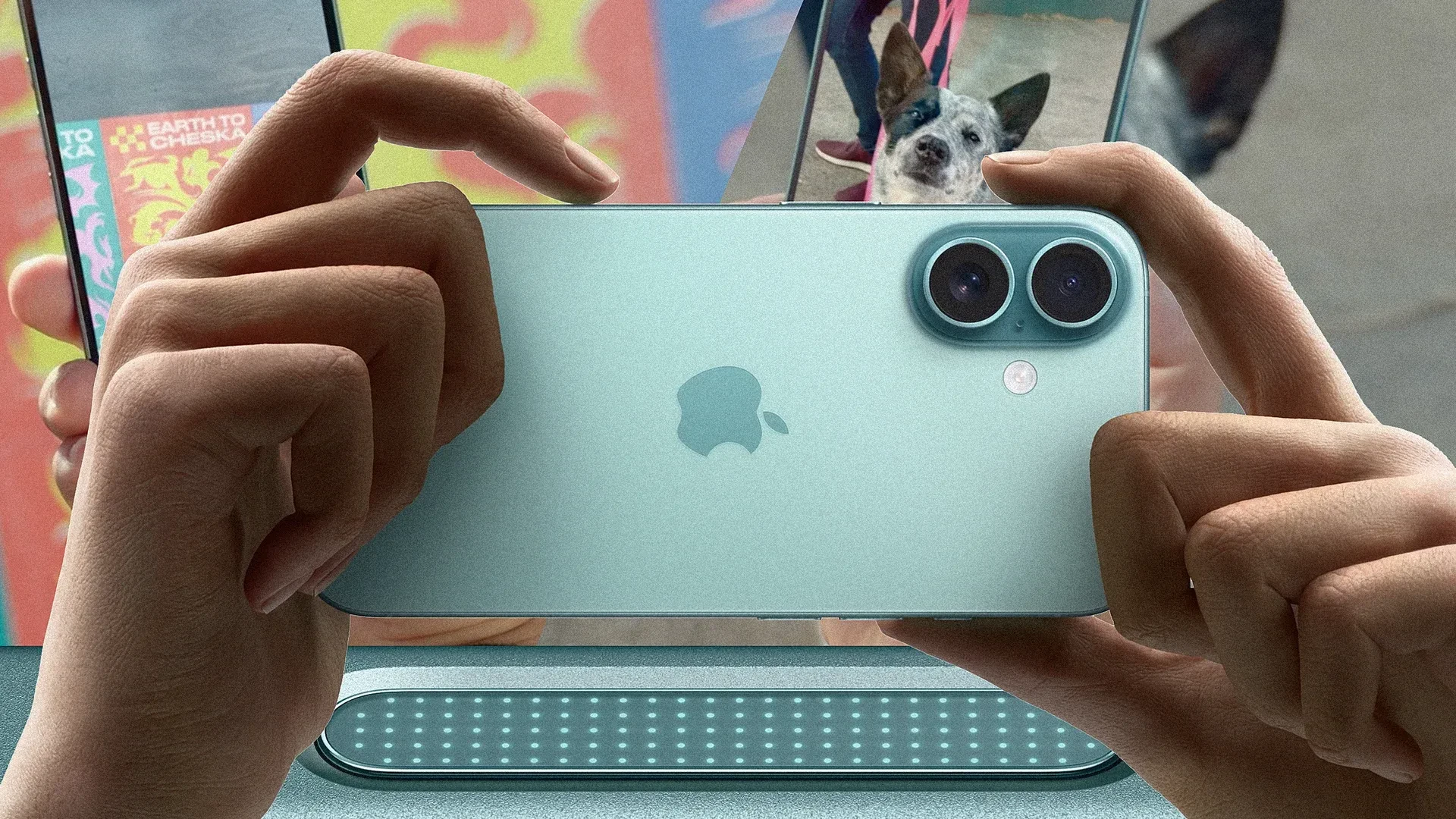
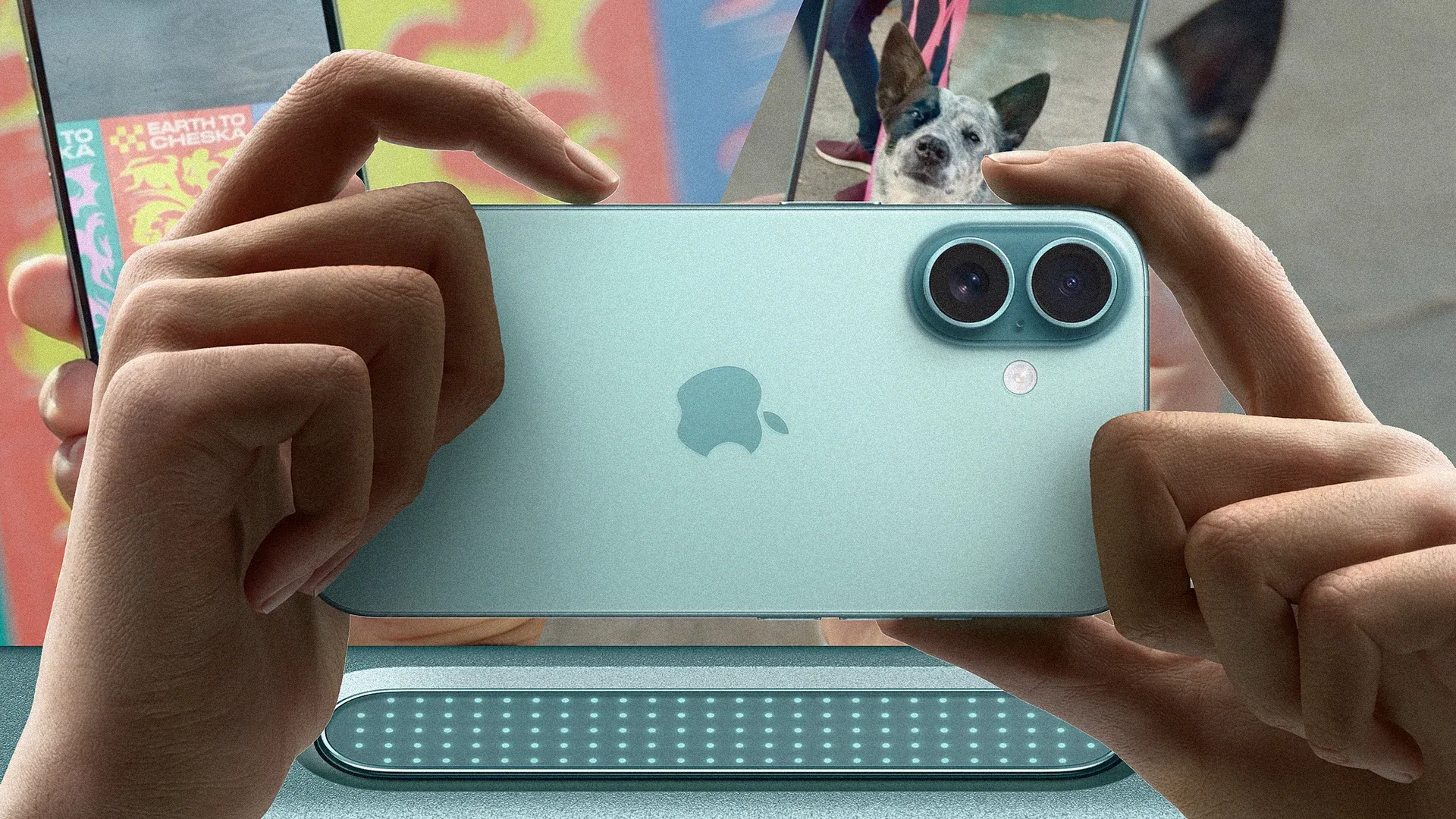
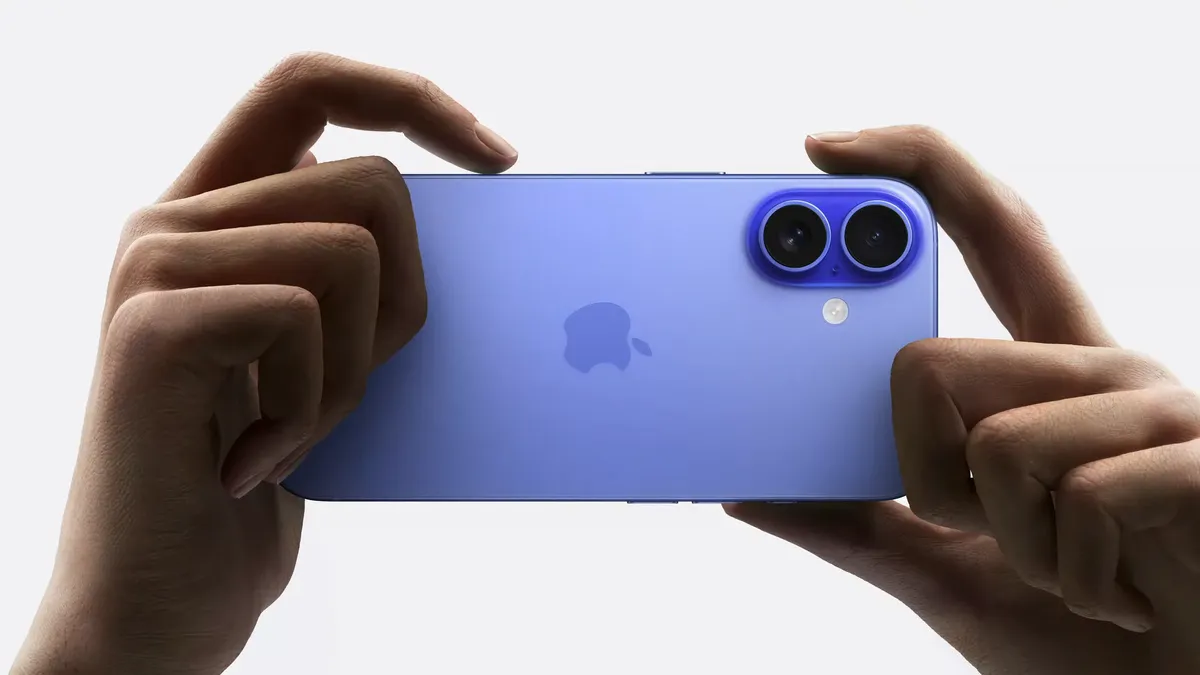
- The Camera Control Introduction (2024): With the iPhone 16, Apple pushed the envelope further, adding a touch-capacitive surface designed to make mobile photography feel like using a DSLR.
- The Potential Consolidation (2026/2027?): If rumors hold, we are entering the era of "Button Convergence," where multiple input points are sacrificed for a cleaner chassis.
Supporting Data and User Sentiment
The reception to the Camera Control button has been, at best, polarized. While the tech is undeniably impressive—allowing for granular control over zoom, exposure, and depth of field—it suffers from a learning curve that can be unforgiving in real-world scenarios.
The Ergonomic Challenge
User feedback suggests that while the Camera Control is excellent for controlled environments (like a photo shoot), it is less intuitive for casual, "in the moment" photography. Attempting to navigate touch-sensitive sliders while juggling a beverage or walking through a crowd at a concert has led to significant frustration.
Conversely, the Action Button is a "press-and-go" solution. Its haptic feedback provides a reassuring sense of completion. Data suggests that users rely on the Action Button for non-camera tasks far more frequently than they use the sophisticated sliders of the Camera Control. By merging the two, Apple risks creating a "jack of all trades, master of none" scenario where the user must navigate complex sub-menus on a tiny surface just to toggle the flashlight or silence their phone.
The Implications for Future iPhone Design
If Apple proceeds with this merger, the implications for the iPhone’s design philosophy are profound.
1. The Quest for the "Solid State" Phone
Apple has long chased the dream of a "seamless slab" of glass and metal. Removing physical buttons is the final frontier. By condensing two buttons into one, the company reduces the number of holes drilled into the frame, theoretically increasing structural integrity and water resistance.
2. Software-Driven Hardware
The move suggests that Apple is shifting from hardware-defined features to software-defined ones. If the Camera Control button becomes the sole point of interaction, its success will depend entirely on Apple’s ability to refine the Haptic Engine and the UI software. If the touch sensitivity is not perfected, the device will feel clunky rather than "magical."
3. Accessibility Concerns
For many users, particularly those with motor skill impairments, the physical click of the Action Button is an essential accessibility feature. A touch-sensitive surface requires a level of precision that may be difficult for some to master. This change could force Apple to innovate on the software side, perhaps offering "ghost" touch zones or software-based remapping that mimics the feel of a physical button.
Official Responses and Industry Outlook
As of this writing, Apple has not issued an official statement regarding the potential removal of the Action Button. In true Cupertino fashion, the company remains tight-lipped about future product iterations. However, industry analysts suggest that Apple’s decision-making is often driven by data collected from the "Usage Patterns" of their current user base.
If, as many suspect, the majority of iPhone 16 users are not utilizing the full breadth of the Camera Control’s features, Apple may be looking to simplify the hardware to reduce costs and complexity.
Conclusion: Will We Miss It?
The loss of the Action Button would undoubtedly be met with a wave of nostalgia. It has become a symbol of a more flexible, customizable era of iPhone design. However, as with the removal of the headphone jack and the Home Button, Apple has a history of betting that users will eventually trade their old habits for the "next big thing."
Whether this consolidation will be viewed as a stroke of genius or a step too far remains to be seen. For now, users who value the tactile, simple joy of a dedicated Action Button should perhaps cherish it while it remains on their device. The future, it seems, is touch-sensitive, whether we are ready for it or not.
For those interested in the broader ecosystem, it is worth noting that while hardware changes often dominate the conversation, the real evolution is happening in the software that powers these buttons. As Apple continues to refine its interface, the distinction between "hardware" and "software" will continue to blur. For more insights on the latest Apple developments, keep an eye on our ongoing coverage of the Mac and iPhone product lines, and explore our guides on how to optimize your current device for the tasks that matter most to you.