For decades, the “Apple Event” was the pinnacle of tech journalism. It was a pilgrimage to Cupertino, a tightly controlled stage where weary tech reporters would vie for a seat, hoping to extract a soundbite from executives while scrutinizing every pixel of a new product launch. But as of late 2026, the industry’s center of gravity has shifted.
When Apple announced its "Pro and Tell" event, the guest list did not exclusively feature the veteran tech analysts of yore. Instead, it was bolstered by a new class of digital royalty: creators, influencers, and lifestyle personalities. From all-expenses-paid business class travel to intimate, high-end dinners with C-suite executives, tech companies are fundamentally restructuring how they launch products. They are moving away from the skeptical inquiry of the press room and toward the curated, brand-aligned endorsement of the creator economy.
The Evolution of the "Apple Event"
The transition has been subtle but decisive. Historically, an invitation to an Apple event was the highest badge of honor for a journalist. Today, that exclusivity is being shared—and in some cases, eclipsed—by creators. According to reports from Bloomberg’s Power On podcast, Apple has begun offering influencers comprehensive "white glove" service, covering travel and hotel accommodations for its Los Angeles-based "Pro and Tell" experience.
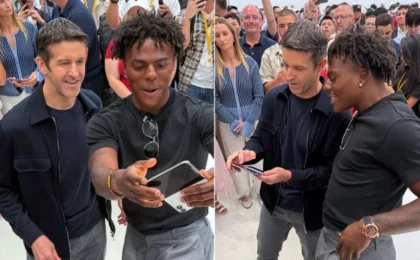
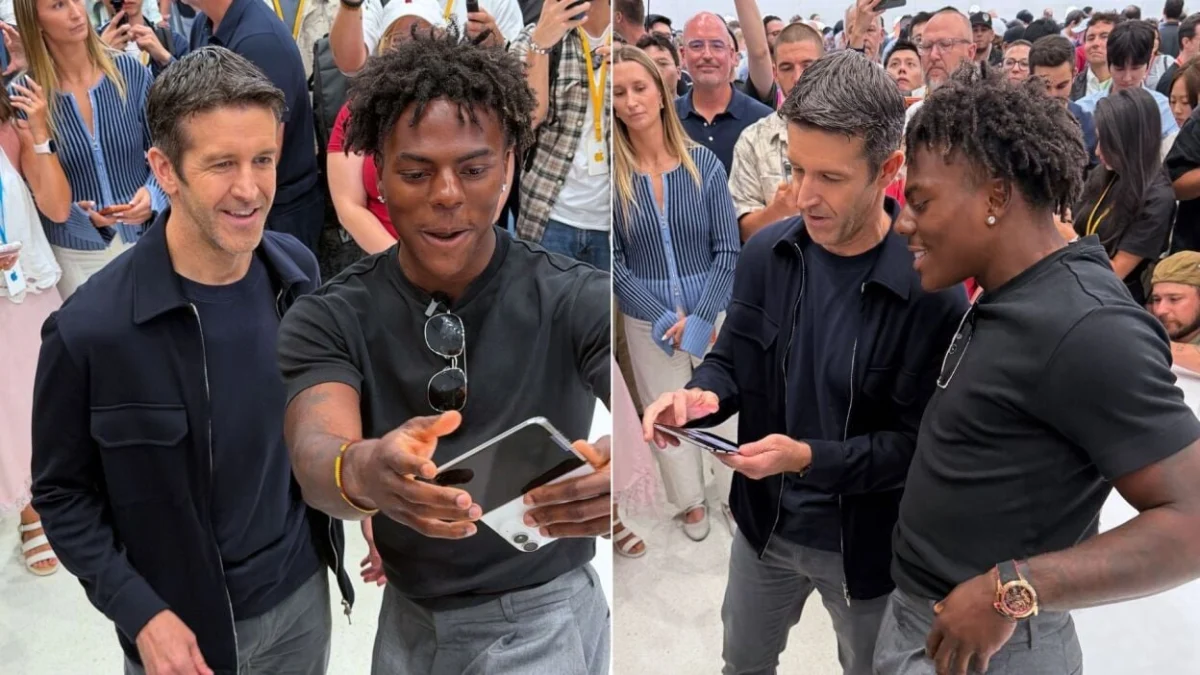
This isn’t an isolated experiment; it is a recurring strategy. In March 2025, the company hosted a group of student creators at what attendees dubbed "Apple University." By January 2026, the trend had matured into the "Apple Experience," a multi-day event tied to the launch of the Apple Creator Studio. The shift was made visually undeniable during the September 2026 iPhone launch, where livestreamer IShowSpeed performed a backflip in front of CEO John Ternus—a viral moment that garnered over 6 million views, dwarfing the reach of traditional keynote coverage.
Chronology: From Press Corps to Creator Class
The timeline of this transition highlights a deliberate strategic pivot by the tech sector:

- Pre-2025: Tech launches remain the domain of journalists and industry analysts. Exclusivity is maintained through restrictive press access.
- March 2025: Apple introduces the "Apple Campus" concept, targeting student creators and influencers, signaling a shift in audience demographics.
- January 2026: Samsung hosts 140 influencers from 35 countries for its Galaxy S26 launch in San Francisco, setting a high bar for "creator-first" product cycles.
- February 2026: OpenAI hires Charles Porch, a former Instagram partnerships executive, as VP of global creative partnerships, cementing the industry’s commitment to influencer marketing.
- September 2026: The IShowSpeed iPhone stunt proves that organic viral reach is now considered more valuable than traditional news reporting.
- October 2026: The "Pro and Tell" event confirms that creator-focused hospitality is now the industry standard, not an anomaly.
The Economic Engine: Why Brands Are "Buying In"
The rationale behind this shift is grounded in cold, hard data. According to a September 2026 analysis by Deloitte, approximately 60 percent of U.S. consumers have made a purchase in the last six months specifically due to a creator’s recommendation or sponsorship. Furthermore, the loyalty factor is immense: 70 percent of consumers who engage with creators report returning to the same personalities for product advice.
For tech giants, the ROI is clear. Journalists are trained to ask questions about supply chains, privacy, environmental impact, and hardware defects. Influencers, conversely, are incentivized to provide a "lifestyle" context that feels authentic and aspirational. As journalist Jason Snell noted on MacBreak Weekly, companies can maintain more control over their messaging when working with creators who prioritize brand-aligned content over adversarial scrutiny.
The AI Industry’s "Trust Gap"
If Apple is using creators to build excitement, AI companies like OpenAI and Anthropic are using them to build survival. The AI sector faces a unique existential crisis: a skeptical public, fear of job displacement, and intense environmental criticism.
To combat this, firms like Anthropic have hosted "supper clubs" at trendy, high-profile venues, while Microsoft Copilot utilized fashion influencers at the Super Bowl to showcase its utility in mundane, relatable scenarios. OpenAI’s decision to host a retreat at the luxury Wildflower Farms resort in the Hudson Valley was designed to humanize the company. However, the move backfired. When influencers posted photos of their monogrammed pajamas and picturesque cabins, they were met with a firestorm of backlash. Critics pointed to the irony of promoting energy-intensive AI models in a nature-filled setting, with Reddit and X users questioning the creators’ ethical alignment.
Implications: The Moral Dilemma of the Influencer
The influx of corporate cash creates a complex reality for creators. Business creator Grace McCarrick, who attended the OpenAI retreat, argued that being "in the room" allows creators to understand the technology shaping their future. "It’s well within my moral system," she stated.

Yet, the financial incentives are staggering. With sponsorships for top-tier creators ranging from $5,000 to over $30,000 per deal, the pressure to maintain a "brand-friendly" posture is high. Some creators have begun to push back; circus performer Jack Lepiarz, for instance, turned down a $20,000 deal over concerns regarding how generative AI impacts artistic livelihoods.
This creates a new fault line in digital culture. On one side, companies are effectively outsourcing their PR departments to creators who bring their own captive, trusting audiences. On the other, those creators risk losing the very trust that makes them valuable if they appear to be "selling out" for a luxury brand trip.
The Future of Tech Journalism
The shift toward creator-led events does not necessarily spell the end of tech journalism, but it does signal a bifurcated future. Traditional media will likely remain the arbiter of technical accuracy and investigative accountability, while the "creator-first" model becomes the primary engine for marketing and mass-market adoption.
As the lines between news, advertising, and entertainment continue to blur, the power balance has shifted. Companies are no longer looking for people who will report on their products; they are looking for people who will experience them. Whether this leads to a more informed public or simply a more sanitized, brand-controlled narrative remains to be seen. What is certain, however, is that the red carpet of the tech world is now firmly occupied by the content creator, and the old guard of the press room is being forced to adapt to a landscape where a backflip at an event can hold more cultural currency than a thousand-word product review.
Disclosure: Ziff Davis, the parent company of Mashable, filed a lawsuit against OpenAI in April 2025, alleging the company infringed upon Ziff Davis’s copyrights in the training and operation of its AI systems.