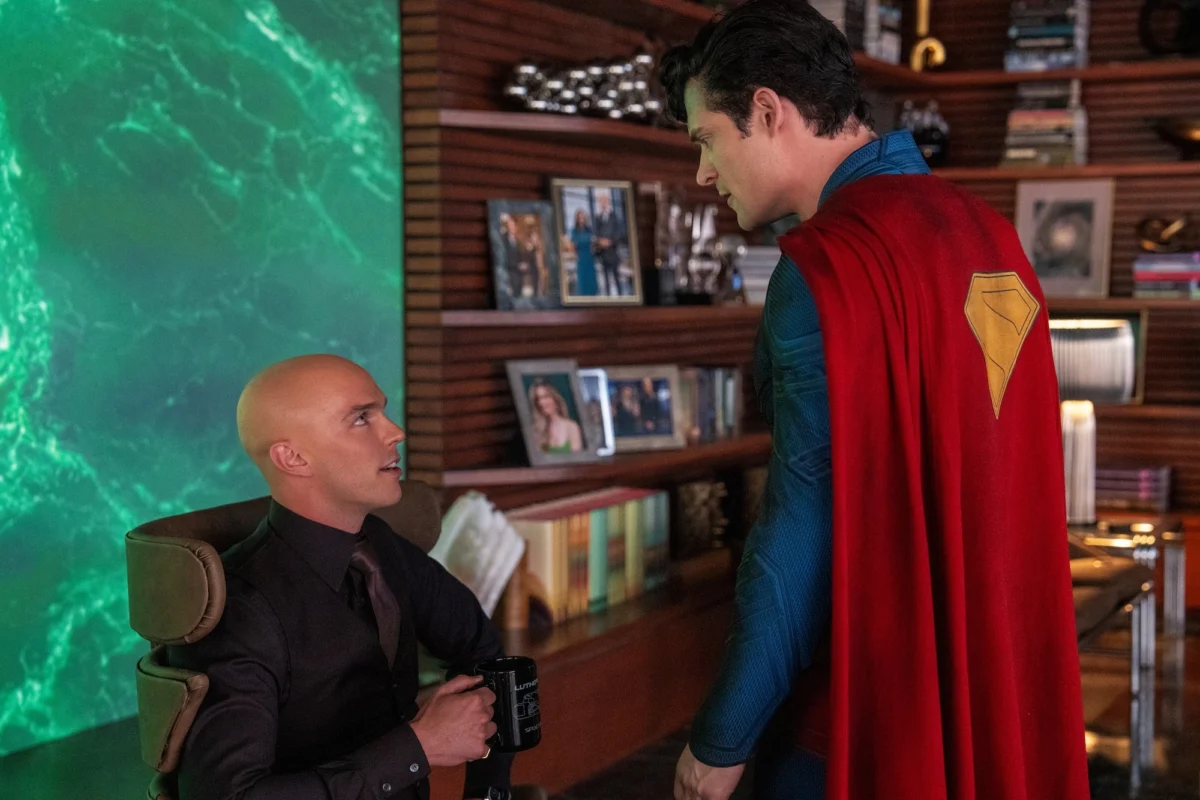
The landscape of modern entertainment was irrevocably altered this week as the news broke regarding the departure of James Gunn and Peter Safran from their roles as co-CEOs of DC Studios. While executive turnover is a staple of the volatile Hollywood studio system, the sudden exit of the duo tasked with architecting the "DC Universe" (DCU) carries weight that extends far beyond the boardroom. It signals a potential pivot in the strategy of Warner Bros. following its complex corporate entanglement with Paramount, suggesting that the industry may be entering a new era of consolidation and creative re-evaluation.
To view this development merely as a shuffling of a production slate—a list of movies and shows—is to miss the forest for the trees. This is a foundational shift in how intellectual property is managed, monetized, and brought to the screen. As the dust begins to settle, the industry, investors, and fans alike are left grappling with a singular, daunting question: What happens to the DC Universe now?
A Chronology of Uncertainty: The State of the Slate
The DC Studios pipeline, once touted as a cohesive, interconnected roadmap designed to rival the longevity of the Marvel Cinematic Universe, has been plunged into a state of suspended animation. The following breakdown assesses the current status of the most prominent projects that were greenlit or developed under the previous leadership.
The Anchor Points: Projects with Definite Timelines
Despite the leadership vacuum, two major pillars of the DC catalog appear to be weathering the storm, largely due to their distance from the central DCU creative nexus.
Man of Tomorrow (July 9, 2027)
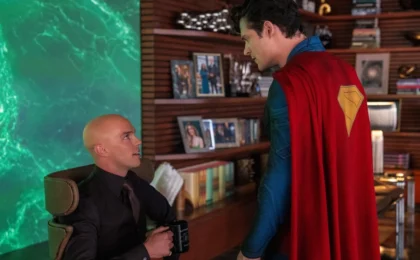
Serving as the primary engine for the DCU’s future, Man of Tomorrow remains the most critical project in the studio’s portfolio. Because the film is reportedly in advanced post-production, it is functionally "locked." James Gunn has indicated his continued commitment to the project, and with the heavy lifting of principal photography behind it, this film is the most likely to reach the screen in its intended form. It represents the "Point of No Return" for the new DC leadership; they must now decide whether to nurture this vision or attempt a creative course correction in the editing room.
The Batman Part II (February 18, 2028)
Operating under the "Elseworlds" label, Matt Reeves’ The Batman Part II remains insulated from the DCU’s structural issues. The production, currently under the stewardship of Steven Soderbergh during director Matt Reeves’ personal leave, is functioning as an independent entity. Its release date remains fixed, and its status as a standalone prestige franchise provides the studio with a commercial safety net that does not rely on the success or failure of the broader, interconnected universe.
The Limbo List: Projects in Active Development
The majority of the DC slate, however, exists in a precarious gray area. These projects, ranging from live-action spectacles to animated ventures, now face the scrutiny of a new administrative team.
- The Brave and the Bold: Conceived as the introduction of the DCU’s primary Batman, this project now faces an identity crisis. The studio must determine if it still intends to juggle two distinct live-action Batmen—Pattinson’s "Elseworlds" version and the proposed DCU iteration. Without a script or director attached, this is arguably the most vulnerable project on the slate.
- Dynamic Duo: This animated exploration of the Robin legacy (Dick Grayson and Jason Todd) was a passion project for the previous regime. While animation is often more cost-effective, its unconventional premise makes it a target for a new executive team looking to streamline operations toward more "proven" commercial archetypes.
- Wonder Woman: Rumors of a debut in Man of Tomorrow have created a logistical knot. If the character is already woven into the fabric of the upcoming Superman sequel, the new leadership may find themselves "locked in" to a creative path they did not choose, forcing them to inherit a casting and character trajectory that may not align with their long-term vision.
- Teen Titans & The Bane/Deathstroke Project: Both projects remain in the "conceptual" phase. With no directors, casts, or firm dates, these films serve as the primary candidates for cancellation or total creative rebooting. They represent the "high-risk, high-reward" style of the Gunn-Safran era that may be discarded in favor of safer, more recognizable franchises.
- Swamp Thing: James Mangold’s involvement provides a layer of protection. As a standalone, genre-heavy piece, it mirrors the successful, isolated model of Joker. Its future will likely depend on the studio’s appetite for "auteur-driven" content rather than "universe-building" content.
Supporting Data: The Economic Reality of the Reset
The economic implications of this transition are stark. Warner Bros. is not merely dealing with creative choices; they are managing a massive portfolio of assets that require high-level coordination. The "cost of transition"—the money spent on scripts, pre-production, and development for projects that may never be filmed—is a significant line item.
Industry analysts note that the shift away from the Gunn-Safran "interconnected" model could lead to a significant devaluation of certain IP if the studio fails to establish a consistent brand identity. Conversely, a pivot toward standalone, director-led films could reduce the "franchise fatigue" that has plagued the industry for the last three years. The challenge is that the studio has already sunk millions into setting up a shared universe (as seen in the world-building in Creature Commandos). Writing off those investments is a luxury few media conglomerates can afford in the current fiscal climate.
Official Responses and Corporate Strategy
The official communication from the studio has been deliberately vague, focusing on "continuity of operations" and "ensuring the highest quality of storytelling." However, the appointment of new leadership—most notably the emphasis on Jeremy Latcham’s role as President and Chief Creative Officer—points toward a shift in philosophy.
Sources within the studio suggest that the mandate is no longer "build a universe at all costs," but rather "ensure profitability through strategic development." This is a pivot from the maximalist approach of the previous two years. The mention of The People v. Gorilla Grodd as an "expected" 2027 release in official announcements acts as a signal to the industry: the studio intends to finish what is already "in the can," but anything in the "ideation" phase is subject to a brutal audit.
Implications: A New Industry Paradigm?
The ripple effects of the DC Studios shake-up are likely to be felt across the entire entertainment sector.
1. The End of the "Shared Universe" Obsession?
For over a decade, Hollywood has chased the "Marvel Model." The potential dismantling of the DCU suggests that studios are finally acknowledging the limitations of the shared-universe strategy. The success of standalone, R-rated, or auteur-driven comic book movies indicates that audiences are increasingly seeking variety over continuity.
2. Corporate Consolidation and Creative Control
As Warner Bros. navigates its post-Paramount landscape, the move to replace the DC architects suggests that the studio is prioritizing executive control over creative autonomy. This could lead to a more homogenized slate of films, where high-risk, experimental projects are sidelined in favor of "four-quadrant" hits that appeal to the broadest possible global audience.
3. The "Elseworlds" Protectionism
We may see a significant increase in "Elseworlds"-style storytelling. By branding films as existing outside of a central continuity, studios can attract high-profile talent—directors and stars who are unwilling to commit to multi-picture, ten-year contracts. This "standalone prestige" model is increasingly looking like the most sustainable path forward for DC.
Conclusion: The Road Ahead
The departure of James Gunn and Peter Safran marks the end of a specific, ambitious chapter in DC history. The DCU, as envisioned, was a bold, risky, and highly publicized endeavor. Its fragmentation leaves a power vacuum that will dictate the flow of hundreds of millions of dollars in production capital over the next five years.
As we look toward 2027 and beyond, the studio finds itself at a crossroads. It can attempt to salvage the remains of the Gunn-Safran vision, or it can execute a "hard reset" that clears the board entirely. Given the current financial realities of the entertainment industry, the latter seems increasingly unlikely—too much has been built, and too many contracts are signed. Instead, we are likely to see a "soft evolution": a hybrid model where the interconnected elements are minimized, and the studio leans heavily into the strength of its individual characters.
The DC Universe is not dead, but it is undoubtedly changing. The "shock" of this week’s news will eventually give way to the pragmatic, often cold, realities of production. For fans and industry observers, the coming months will be a masterclass in corporate pivot strategy. Whether this reset results in a more robust and creative studio or a period of prolonged creative stagnation remains the defining question for the future of DC.