

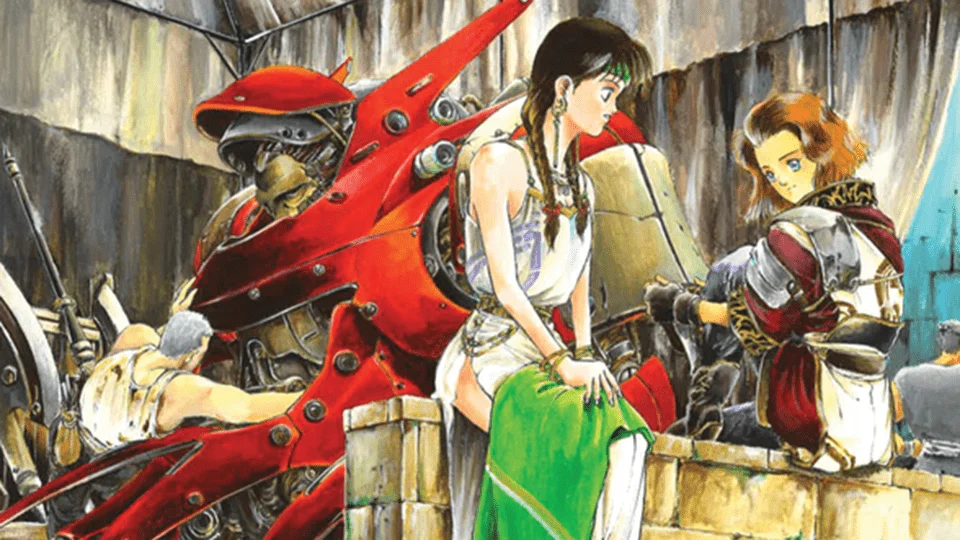
In the vast landscape of tabletop role-playing games (TRPGs), the intersection of high-fantasy aesthetics and industrial-grade mecha is a subgenre that has long felt underserved in Western markets. That, however, is changing. LionWing Publishing, a titan in the localization of Japanese tabletop experiences, has officially launched its highly anticipated crowdfunding campaign for Wares Blade.
The campaign, which went live on August 29, 2025, represents more than just another translation project; it is the resurrection of a historical pillar of Japanese gaming. For enthusiasts who have long clamored for a system that bridges the gap between the tactical precision of mecha combat and the high-stakes drama of spellcasting, Wares Blade promises to be a defining release.
The Genesis of a Legend: A Chronology of Wares Blade
To understand the significance of Wares Blade, one must look back to 1989. In the late 80s, the Japanese gaming market was undergoing a seismic shift. While Western Dungeons & Dragons was finding its footing, Japanese designers were busy crafting a unique identity for the medium, blending the narrative weight of anime with the crunchy mechanics of board games.
Wares Blade emerged as the first major commercial mecha TRPG in Japan. It arrived during a golden age of mechanical design, providing a framework for players to pilot "Ryude"—magical mecha units that function as both armor and conduits for arcane power.
Over the decades, the game didn’t just sit on a shelf; it evolved. It spawned a sprawling ecosystem of tie-in novels, supplemental rulebooks, and specialized scenarios that kept the game relevant through the 90s and into the 21st century. Despite its massive footprint in Japan, it remained largely inaccessible to English-speaking audiences—until now. LionWing’s acquisition and localization efforts represent the first time the global market will have a faithful, English-language version of this vintage classic, bringing nearly four decades of history to a new generation of players.
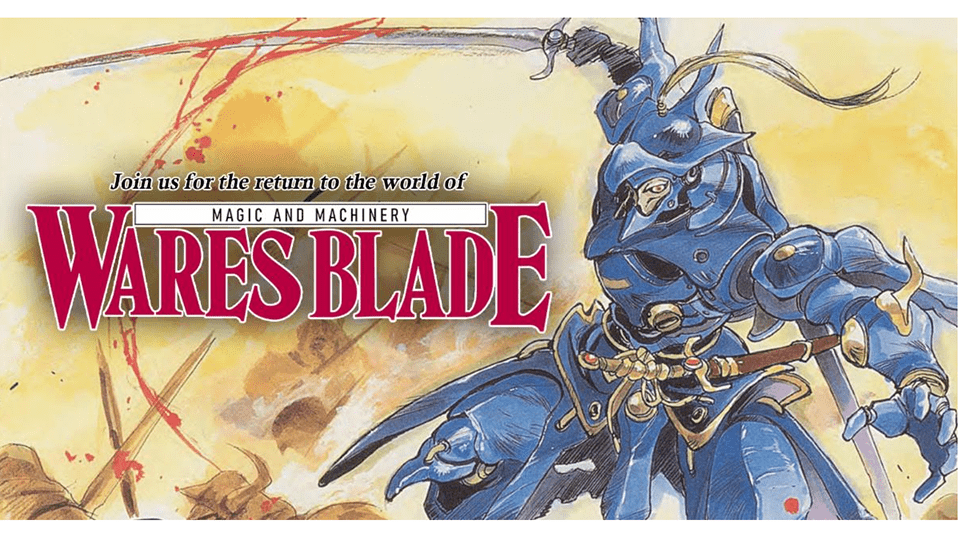
The LionWing Philosophy: Curating the Japanese TRPG Experience
LionWing Publishing has effectively become the bridge between the Japanese tabletop scene and the West. Their trajectory is marked by a series of successful, hyper-targeted campaigns that treat niche Japanese titles with the prestige usually reserved for blockbuster board games.
Previous Successes as a Barometer
Their track record speaks for itself. Before Wares Blade, LionWing brought the dark, evocative world of Kedamono Opera to Western tables. Their portfolio is a "who’s who" of high-concept design, including:
- Convictor Drive: A high-octane, Kamen Rider-inspired system that emphasizes fast-paced transformation mechanics.
- Eldritch Escape: Tokyo: A two-player, claustrophobic survival experience that channels modern Soulsborne sensibilities.
- Shin Megami Tensei III: Nocturne – Tokyo Conception: A monumental effort that brought the iconic RPG franchise’s brutal, demon-filled world to the tabletop format.
LionWing’s strategy is simple but effective: they do not merely translate text; they translate culture. By including high-quality bonus art, bespoke scenarios, and physical artifacts—such as custom-engraved dice and premium GM screens—they transform a rulebook into a collector’s item. This approach has led to their campaigns frequently reaching their funding goals within hours, a testament to the pent-up demand for these authentic Japanese experiences.
Core Mechanics: Mastering the Ryude
At its heart, Wares Blade is a game of calculated risk. It is designed for those who appreciate the tactical depth of games like Warhammer Fantasy but crave the aesthetic sensibilities of The Vision of Escaflowne.
The Systemic Backbone
The game utilizes a d10-based system, known for its intuitive probability curves. Combat is structured in rapid, two-second "ticks," which forces players to make split-second decisions that feel immediate and consequential.

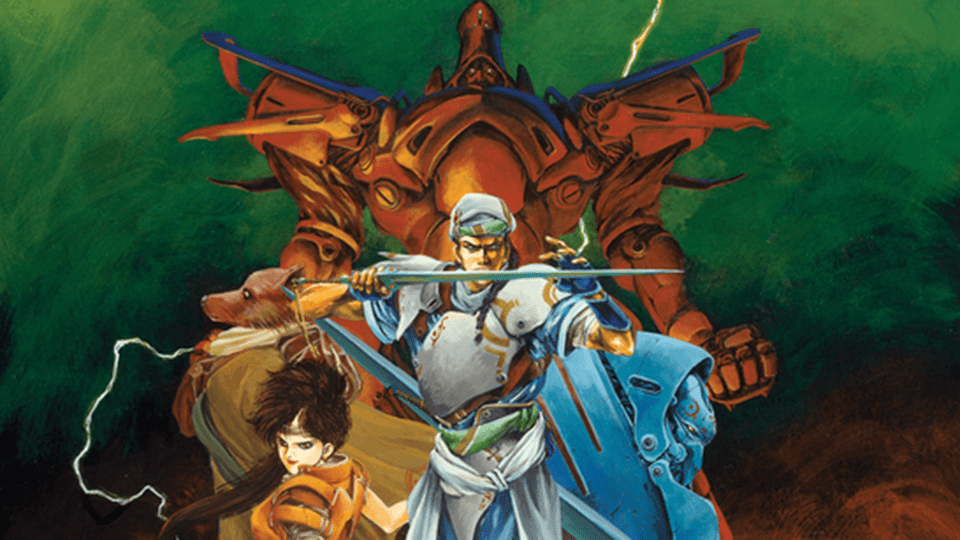
The standout feature, however, is the Ryude system. Players choose from 40 distinct magical mecha, each with unique loadouts and magical affinities. The interplay between physical hardware and magical prowess is the game’s "hook." Much like classic high-fantasy systems, the magic in Wares Blade is not "free." It carries the risk of backlash, ensuring that even the most powerful pilot is always one bad roll away from catastrophe.
The Luck Mechanic: A Double-Edged Sword
One of the most intriguing aspects of the Wares Blade rule set is the "Luck" dice pool. Players can augment their odds by tapping into this pool, effectively gambling on their own performance. However, the system is designed to be self-correcting: the more you rely on luck to tip the scales in your favor, the more you draw attention to yourself. In Wares Blade, standing out is a tactical liability; success often brings a target onto the player’s back, forcing a constant shift between aggression and evasion.
Market Implications and Supporting Data
As of the current writing, the crowdfunding campaign has exceeded its initial funding goal by more than seven times. This is not merely "hobbyist success"—it is an indicator of a shifting market.
Tabletop gaming is undergoing a "globalization" phase. Where once the market was dominated by a handful of Western titans, players are increasingly seeking out diverse mechanics from international markets. The success of Wares Blade demonstrates that English-speaking players are hungry for the specific "anime-flavored" crunch that Japanese designers have perfected over the last 40 years.
The Reward Tiers
LionWing has structured the tiers to accommodate everyone from casual readers to dedicated collectors:
- Entry Level ($30): Provides a digital copy of the core rulebook, perfect for those testing the waters.
- Mid-Tier ($75-$100): Introduces physical components, including custom dice sets and supplemental scenario books.
- Collector’s Tier ($150+): The "all-in" experience. This includes a premium hardbound collector’s edition, bespoke acrylic standees of the Ryude, and a professional-grade GM screen designed to keep the chaos of the battlefield organized.
Official Responses and Developer Insights
In promotional materials released alongside the launch, the team at LionWing emphasized that Wares Blade is intended to be a "living" game. While it honors the 1989 source material, the translation is designed to be accessible to modern gamers.
"We wanted to ensure that the spirit of the original—the tension of the mecha combat and the beauty of the magical systems—remained intact, while streamlining the barriers to entry," noted a representative from the publishing team. By focusing on high-quality layout and inclusive design, LionWing is positioning this release as the definitive way to experience the Wares Blade universe.
Why This Matters: The Future of the TRPG Space
The success of Wares Blade on Kickstarter is a signal that the "niche" is becoming the "new mainstream." By bringing such a specific, historically rich title to the West, LionWing is validating the efforts of international creators.
For the players, the implications are clear: the era of waiting years for a fan-translation PDF is coming to an end. We are entering an era of professional, high-fidelity localizations that preserve the integrity of the original work while providing the high-quality physical components that modern tabletop players expect.
As the campaign heads toward its conclusion on September 18, the momentum behind Wares Blade suggests that it will become a staple in the libraries of GMs who want to add a little more steel and sorcery to their game nights. Whether you are a fan of classic mecha anime or simply a seeker of innovative game design, Wares Blade offers a unique, high-stakes experience that is unlikely to be replicated by any other system on the market.
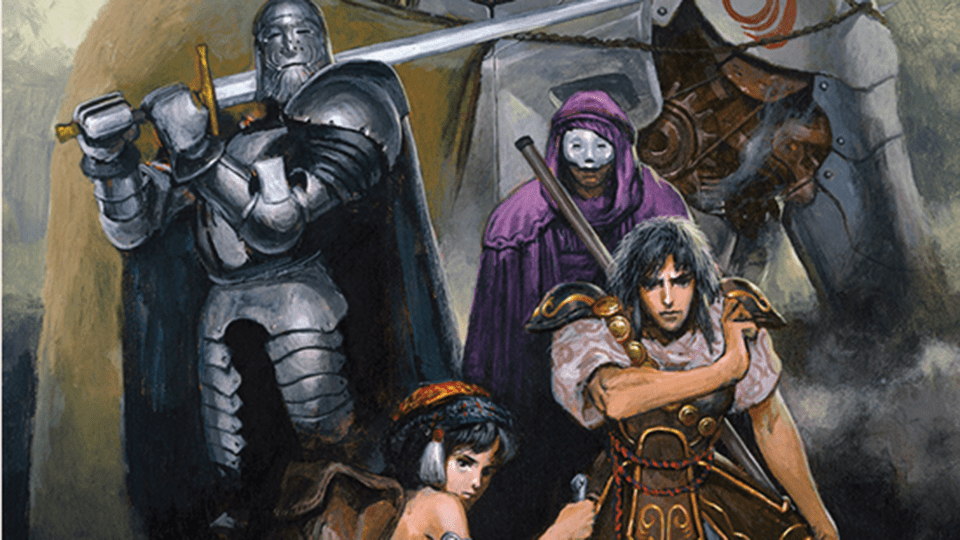
Backers are encouraged to join the campaign before the September 18 deadline to ensure they secure their copy of this piece of gaming history. In a landscape crowded with generic fantasy, Wares Blade stands out as a titan—and it is finally ready to march.












No comments yet. Be the first to join the conversation!