Azzam Bilal Chamdy
TOKYO, Japan – Nintendo Co., Ltd. has concluded a monumental fiscal year, reporting astounding growth in net sales and profits, largely propelled by the unprecedented success of its new console, the Nintendo Switch 2. The platform holder unveiled its full-year financial results for the period ended March 31, 2026, showcasing a powerful launch for its next-generation hardware. However, this period of triumph is tempered by strategic price revisions for the Switch 2 across key global markets and a conservative forecast for hardware sales in the upcoming fiscal year, signaling a careful navigation of market dynamics and supply chain pressures.
The company’s robust performance saw dedicated platform sales skyrocket by an impressive 106.7%, reaching a staggering ¥2.2 trillion (approximately $14 billion USD at current exchange rates) from a combination of hardware, software, and accessories. This surge is directly attributable to the Nintendo Switch 2, which launched in June 2025 and rapidly established itself as the fastest-selling Nintendo console in history. Despite this, Nintendo has announced price increases for the Switch 2 in Japan, the US, Canada, and Europe, citing "changes in market conditions" driven by ongoing memory component shortages and other macroeconomic factors. Similar price adjustments are also being applied to the original Switch lineup in Japan and Nintendo Switch Online subscriptions.
Nintendo’s forecast for the fiscal year ending March 2027 incorporates these new price points and reflects a deliberate anticipation of a hardware sales decline for the Switch 2, even as software sales are projected to continue their upward trajectory. This strategic outlook underscores Nintendo’s confidence in the console’s long-term ecosystem, even as it manages the natural lifecycle of hardware adoption post-launch and adapts to evolving global economic conditions.
Main Facts: A Dual Narrative of Triumph and Adjustment
Nintendo’s latest financial report paints a picture of a company at the zenith of its hardware transition, while simultaneously making pragmatic adjustments to its market strategy. The headline figures are dominated by the exceptional launch of the Switch 2, which has not only met but exceeded internal expectations, setting new benchmarks for Nintendo console debuts.
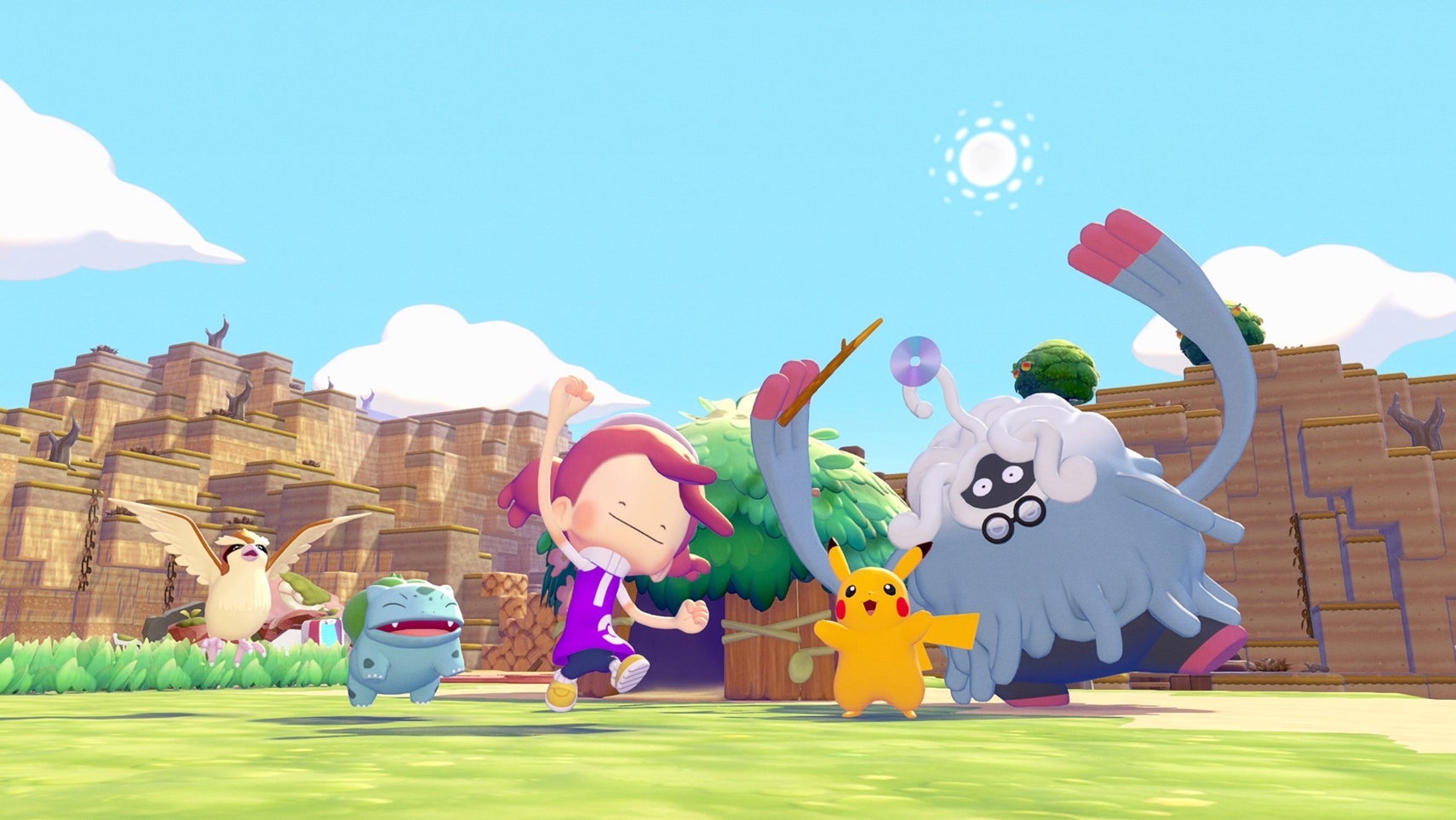
The Nintendo Switch 2, launched in June 2025, has demonstrated an unparalleled market penetration, achieving the highest global sales of any Nintendo platform within its first four months. By the close of the fiscal year on March 31, 2026, the console had sold a remarkable 19.86 million units. This figure not only outpaced the launch year performance of the original Nintendo Switch but was significantly boosted by the highly anticipated release of Pokémon Pokopia in March 2026, illustrating the undeniable power of first-party flagship titles to drive hardware adoption. Software sales for the Switch 2 were equally impressive, reaching 48.71 million units, with launch titles like Mario Kart World (14.7 million units) leading the charge.
However, this celebratory announcement is juxtaposed with the immediate implementation of price increases for the Switch 2 across major territories including Japan, the United States, Canada, and Europe. Nintendo explicitly attributed these revisions to "changes in market conditions," primarily citing persistent memory component shortages and broader inflationary pressures impacting manufacturing costs. This move, while potentially impacting consumer affordability in the short term, is presented as a necessary measure to maintain profitability and ensure supply stability. The original Switch models in Japan and Nintendo Switch Online subscriptions are also subject to these price adjustments, reflecting a comprehensive strategy across Nintendo’s platform services.
Looking ahead, Nintendo’s FY27 forecast outlines a calculated shift. The company anticipates a 16.9% decline in Switch 2 hardware sales, projecting 16.5 million units for the fiscal year ending March 2027. Conversely, Switch 2 software sales are expected to surge by 23.2% to 60 million units. This forecast signals a mature understanding of console lifecycles, where initial hardware frenzy gives way to sustained software ecosystem growth. For the aging original Switch, hardware sales are projected to fall by 47.4% to 2 million units, with software sales decreasing by 23.3% to 105 million units, indicating a gradual but definite phase-out as the company prioritizes its new flagship.
Chronology of a Transitional Year: From Launch to Market Adjustments
The fiscal year ending March 31, 2026, has been a period of intense activity and significant milestones for Nintendo, marked by a successful console launch and subsequent strategic market recalibrations.
- June 2025: The highly anticipated Nintendo Switch 2 officially launches worldwide. The console immediately garners critical acclaim and strong consumer demand, quickly establishing itself as a powerhouse in the gaming market. Alongside the hardware, Mario Kart World is released, often bundled with the console, becoming an instant best-seller and crucial launch title.
- July 2025: Donkey Kong Bananza is released for the Switch 2, further bolstering the console’s nascent software library with another strong first-party offering. Its strong initial sales contribute to the early momentum.
- October 2025: Pokémon Legends: Z-A – Nintendo Switch 2 Edition hits the market. This release highlights Nintendo’s strategy of bringing enhanced versions of beloved franchises to the new hardware, leveraging the Switch 2’s capabilities while maintaining continuity with popular IP.
- Throughout FY26 (April 2025 – March 2026): The Nintendo Switch 2 continues its impressive sales run, consistently exceeding expectations and setting new company records for initial console adoption. Digital sales revenue sees a significant uplift, driven by downloadable versions of new Switch 2 titles and the resurgence of classic Pokémon titles like Pokémon FireRed and LeafGreen.
- March 2026: Just before the fiscal year concludes, Pokémon Pokopia is released. Its immediate success provides a substantial boost to Switch 2 hardware sales, demonstrating the enduring appeal of the Pokémon franchise and its ability to act as a powerful sales driver for new consoles. Also, Tomodachi Life: Living the Dream, a new title for the original Switch, launches and quickly surpasses 3.8 million units sold in just two weeks, showcasing continued interest in the older platform and its diverse library.
- March 31, 2026: The fiscal year officially closes, allowing Nintendo to compile and report its full-year financial results, which reflect the extraordinary success of the Switch 2’s launch year.
- April 2026: The Super Mario Galaxy Movie is released, continuing Nintendo’s expansion into cinematic ventures. Its rapid global success further diversifies Nintendo’s revenue streams and strengthens its IP presence beyond gaming.
- Post-FY26 Reporting: Following the compilation of results, Nintendo announces price increases for the Switch 2 across multiple regions and for the original Switch lineup in Japan, along with Nintendo Switch Online subscriptions. This announcement is made in conjunction with the full-year financial results and the company’s forecast for the fiscal year ending March 2027, integrating these market adjustments into its forward-looking projections.
This timeline illustrates a carefully orchestrated launch followed by responsive market adjustments, reflecting Nintendo’s agile approach to managing its console lifecycle and broader entertainment portfolio.
Supporting Data: Unpacking the Financial and Sales Performance
The raw numbers from Nintendo’s latest financial report provide concrete evidence of a transformative year, characterized by the explosive entry of the Switch 2 and the strategic management of its extensive IP library.
Financial Highlights (Full Year Ended March 31, 2026)
- Total Dedicated Platform Sales: Soared to ¥2.2 trillion ($14 billion USD), marking a phenomenal 106.7% year-over-year increase. This figure encompasses revenue from hardware, software, and accessories, underscoring the comprehensive nature of the Switch 2’s impact.
- Net Sales and Profits: While specific net profit figures were not detailed in the provided snippet, the "substantial growth" reported suggests a significant boost to the company’s bottom line, driven by the high-margin nature of new console sales and associated software.
Nintendo Switch 2 Performance: A Record-Breaking Debut
The Switch 2’s launch year performance has set a new standard for Nintendo hardware:
- Hardware Units Sold (FY26): 19.86 million units. This figure is particularly impressive, surpassing the original Switch’s first full fiscal year sell-through and solidifying the Switch 2 as the fastest-selling Nintendo console in its initial four months. The release of Pokémon Pokopia in March 2026 played a critical role in accelerating sales towards the end of the fiscal year.
- Software Units Sold (FY26): 48.71 million units. This strong attach rate (approximately 2.45 games per console) indicates a healthy ecosystem of engaged users.
- Mario Kart World: 14.7 million units sold (including bundles). This reiterates the enduring appeal of the Mario Kart franchise as a system-seller.
- Donkey Kong Bananza: 4.52 million units sold. A strong showing for a beloved, albeit less frequently seen, Nintendo IP.
- Pokémon Legends: Z-A – Nintendo Switch 2 Edition: 3.94 million units sold. This demonstrates the effectiveness of re-releasing popular titles with enhancements for the new hardware. Nintendo clarified that sales of downloadable versions of Z-A and other "Switch 2 Edition" titles are integrated into total Nintendo Switch software sales, indicating a consolidated approach to tracking software across the ecosystem.
Original Nintendo Switch Performance: Graceful Decline
As expected with the advent of new hardware, the original Switch lineup saw a significant but managed decline:
- Hardware Units Sold (FY26): 3.80 million units, a substantial 64.8% decrease year-over-year. This includes:
- Switch OLED: 1.72 million units (down from 5.86 million).
- Switch Lite: 940,000 units (down from 1.95 million).
- Despite the decline, Nintendo emphasized that the system, entering its 10th year since launch, "demonstrated a level of continued demand," particularly for its established library.
- Total Switch Software Sales (FY26): 136.91 million units, down 11.9% year-over-year. This figure includes software for both the original Switch and Switch 2, leveraging the backward compatibility and cross-generational appeal.
- Evergreen Titles: Mario Kart 8 Deluxe and Nintendo Switch Sports maintained steady sales, highlighting their enduring popularity. Switch 2 editions of titles like Super Mario Party Jamoboree and Animal Crossing: New Horizons also performed well, showcasing the dual-platform strategy.
- Tomodachi Life: Living the Dream: A notable success on the original Switch, selling over 3.8 million units in two weeks. Interestingly, 40% of its player base were Switch 2 owners, illustrating the cross-ownership and continued engagement across both platforms.
Digital Sales and IP-Related Business: Diversification and Growth
- Digital Sales Revenue: Increased by a robust 25% year-over-year. This growth was primarily fueled by downloadable versions of packaged software such as Pokémon Pokopia and Pokémon Legends: Z-A. The digital release of Pokémon FireRed and LeafGreen, selling over four million units in its first six weeks, also contributed significantly, indicating strong demand for classic titles through modern distribution.
- IP-Related Business: Generated ¥73.5 billion in sales, a 9.7% decrease year-over-year. This dip was attributed to lower revenue from the original Super Mario Bros. Movie compared to its peak performance in the previous fiscal year.
- Super Mario Galaxy Movie: Launched in April 2026, it quickly grossed over $800 million worldwide in its first four weeks, demonstrating the continued cinematic appeal of the Mario franchise. The overall Mario animated film franchise has now surpassed $2 billion in total revenue, showcasing Nintendo’s success in leveraging its iconic characters beyond gaming.
These detailed figures underscore a company that is not only excelling in its core gaming business but also strategically diversifying its revenue streams through digital content and multimedia ventures.
Official Responses: Navigating Challenges and Projecting the Future
Nintendo’s official communications accompanying its financial results provide crucial insights into its strategic thinking, particularly regarding the price increases and its forward-looking forecasts. The company’s statements emphasize adaptability in a dynamic market and a clear vision for the Switch 2’s lifecycle.
Justification for Price Revisions
Nintendo explicitly cited "changes in market conditions" as the primary driver behind the price increases for the Switch 2, the original Switch lineup in Japan, and Nintendo Switch Online subscriptions. The company specifically pointed to "ongoing memory component shortages and other factors" as contributing to these market shifts. This response is consistent with broader industry trends where global supply chain disruptions, inflationary pressures, and increased raw material costs have necessitated price adjustments for various electronic goods. By directly attributing the increases to these external economic factors, Nintendo aims to convey that these are not arbitrary decisions but rather necessary recalibrations to maintain financial health and ensure the continued availability of its products. This transparency, while potentially unpopular with consumers, frames the decision as a pragmatic business response to an evolving global economic landscape.
Outlook for FY27: A Measured Approach to Growth
Nintendo’s forecast for the fiscal year ending March 2027 reflects a nuanced understanding of console market dynamics, particularly in the wake of a record-breaking launch year.
-
Switch 2 Hardware Sales Decline: The projected 16.9% decline to 16.5 million units for Switch 2 hardware sales in FY27, despite the console’s strong initial momentum, was carefully explained. Nintendo acknowledged that "sales units generally tend to be higher in the second fiscal year after launch." However, they highlighted that the Switch 2 "launched at a time when many consumers were continuing to enjoy the Switch." This implies a scenario where a significant portion of early adopters were already engaged with Nintendo’s ecosystem, leading to an exceptionally strong first year.
- The company elaborated: "Against this backdrop and other factors, launch-year sales reached a level we had not experienced with any of our previous hardware systems." This suggests that the initial surge was so robust that a subsequent moderation, even if a decline, is still considered within healthy parameters for a console’s second year.
- Furthermore, Nintendo explicitly stated: "In light of the strong sales performance in the first year following launch and price adjustments, we expect unit sales for the fiscal year ending March 2027 to decline year-over-year." This links the projected decline not just to the natural tapering of initial hype but also directly to the newly implemented price increases, acknowledging their potential impact on consumer purchasing decisions.
- Crucially, Nintendo maintained an optimistic stance: "That said, we view this as a healthy level of sales for the Switch 2 in its second year after launch, and we continue to anticipate further growth in its installed base." This indicates that while the pace might slow, the overall trajectory for Switch 2 adoption remains positive and aligned with long-term strategic goals.
-
Software Sales Growth: The forecast for a 23.2% increase in Switch 2 software sales to 60 million units in FY27 reinforces Nintendo’s confidence in its content pipeline and the growing installed base of the new console. This is a common pattern in console lifecycles, where software sales accelerate as more hardware is sold and the library expands.
Broader IP Strategy and Consumer Engagement
Beyond console sales, Nintendo reiterated its commitment to expanding its intellectual property (IP) presence globally. Regarding its successful ventures into film, the company stated: "This movie is part of an initiative that is unique from our dedicated video game platform business, and we believe it is very significant in that it moves beyond the framework of video games, creating opportunities for even more people to experience Nintendo IP." This statement underscores a strategic diversification, aiming to reach a broader audience that might not traditionally engage with video games.
Nintendo concluded its forward-looking statements by emphasizing its overarching goal: "Going forward, we will continue to create points of contact with consumers by promoting various initiatives that utilise Nintendo IP, working to convey the appeal of Nintendo to people of all ages around the world." This holistic approach signifies a company focused not just on selling hardware and software, but on cultivating a global brand loyalty across multiple entertainment mediums.
Implications: Market Dynamics, Consumer Impact, and Future Trajectory
Nintendo’s latest financial report and strategic announcements carry significant implications for the global gaming market, consumers, developers, and the company’s long-term trajectory.
Market Dynamics and Competitive Landscape
The phenomenal success of the Switch 2’s launch positions Nintendo as a dominant force in the current console generation. Its record-breaking initial sales figures indicate a powerful competitive advantage, potentially putting pressure on rivals like Sony and Microsoft to innovate and differentiate their offerings. The Switch 2’s early lead suggests a strong installed base that will be highly attractive to third-party developers, potentially securing exclusive or timed-exclusive titles that further solidify its market position.
However, the announced price increases introduce a new variable. While necessary for Nintendo’s profitability amidst rising component costs, they could impact the console’s affordability and potentially slow the rate of new adoption, especially in price-sensitive markets. Competitors might choose to maintain current pricing or even offer promotions to capitalize on any perceived value gap created by Nintendo’s adjustments. The "healthy level of sales" projected for FY27, despite a decline, indicates Nintendo is prioritizing sustainable profitability and managed growth over chasing unsustainable peak sales.
The continued, albeit declining, sales of the original Switch also highlight Nintendo’s unique ability to manage a dual-platform strategy, allowing a longer tail for its older hardware while transitioning users to the new system. This backward compatibility and cross-generational software strategy soften the blow of a new console launch for existing users and provide a broader library from day one for Switch 2 owners.
Consumer Impact and Accessibility
For consumers, the Switch 2’s strong performance means a vibrant and expanding ecosystem of games. The rapid accumulation of 48.71 million software units in the first year, coupled with the projected increase to 60 million in FY27, promises a rich library of titles. The success of new first-party games like Mario Kart World and Pokémon Pokopia, alongside Switch 2 editions of existing hits, ensures a diverse gaming experience.
The price increases, however, will be a direct financial burden for potential buyers. While Nintendo’s justification points to external economic pressures, consumers will ultimately face higher entry costs for the new console and potentially increased subscription fees for online services. This could deter some prospective buyers or delay their purchase, especially in an environment where discretionary spending is often scrutinized. The impact will vary by region, with currency fluctuations and local economic conditions playing a significant role in how these price adjustments are perceived and absorbed. For current Nintendo Switch Online subscribers, the increased fees might necessitate a re-evaluation of the service’s value proposition.
The cross-compatibility of games, allowing Switch 2 owners to play original Switch titles, is a major win for consumers. This feature preserves existing game libraries and provides a seamless transition, encouraging continued engagement with Nintendo’s vast catalog. The anecdote about Tomodachi Life: Living the Dream attracting 40% Switch 2 owners demonstrates the power of this interoperability.
Developer Opportunities and Challenges
For game developers, the Switch 2’s immense installed base presents a lucrative opportunity. The console’s rapid adoption and high attach rate for software signal a highly engaged audience eager for new content. Third-party developers will likely prioritize the Switch 2 for new releases, given its proven market penetration and the potential for enhanced performance over the original Switch.
However, the continued relevance of the original Switch, even in decline, presents a challenge for developers in terms of optimization and resource allocation. Deciding whether to develop exclusively for the Switch 2, create cross-generational titles, or continue supporting the original Switch with new releases will require careful strategic planning. Nintendo’s own approach with "Switch 2 Editions" and simultaneous releases (like Tomodachi Life) provides a template for managing this transition. The strong performance of digital sales, including classic titles, also highlights the potential for evergreen content and digital-only releases.
Long-Term Outlook and IP Diversification
Nintendo’s long-term strategy appears to be a dual-pronged approach: solidify the Switch 2 as the dominant gaming platform while aggressively expanding its intellectual property into other entertainment mediums. The success of the Super Mario Galaxy Movie, following the original Super Mario Bros. Movie, validates Nintendo’s cinematic ambitions and its commitment to "creating points of contact with consumers" beyond video games. This diversification insulates the company somewhat from the cyclical nature of the console market and broadens its appeal to a global, multi-generational audience.
The forecast for declining Switch 2 hardware sales in FY27, offset by robust software growth, indicates a mature understanding of the console lifecycle. Nintendo is not chasing infinite hardware growth but rather focusing on building a sustainable ecosystem. The company’s careful management of its hardware production, including the impact of memory component shortages, suggests a pragmatic approach to supply chain management and profitability. As the Switch 2 matures, the focus will likely shift even more towards exclusive software, digital services, and continued IP expansion, ensuring Nintendo’s continued relevance and financial strength in the dynamic entertainment industry.


 Lina Irawan
 Sagoh
Sagoh