Nana Wu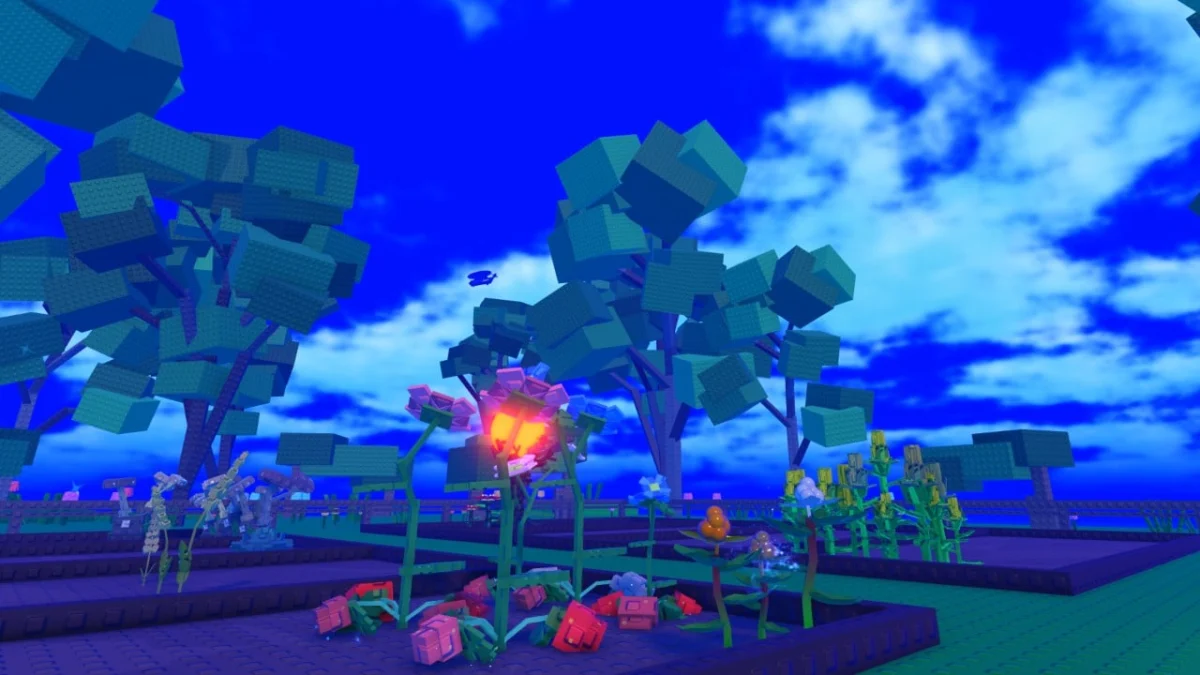
Stardew Valley meets a cosmic twist, Garden Horizons emerged as a promising new entry in the life simulation genre. Yet, despite a flurry of post-launch updates and a successful console debut, the game’s vibrant world now faces an unsettling quiet. Developer Ymir’s recent, brief message has left its growing community in a state of hopeful anticipation mixed with growing concern, casting a shadow of uncertainty over the future of this charming gardening simulator.
Main Facts: A Budding Success Story Hits a Crossroads
Garden Horizons, a whimsical life simulation game focused on cultivating fantastical gardens and exploring a serene, star-dusted world, launched to a warm reception in late February 2026. Players were quickly drawn to its unique blend of resource management, intricate crafting, and the soothing rhythm of virtual horticulture, especially during its visually striking "Starfall" events, where meteors rain down, offering rare resources and a spectacular backdrop.
Following its initial release, developer Ymir maintained an impressive pace of updates, swiftly addressing bugs, introducing quality-of-life improvements, and delivering its first major content expansion in early March. This culminated in a successful console launch on March 7, 2026, significantly broadening the game’s reach and player base. The rapid succession of patches and content drops initially fostered strong community trust and excitement, painting a picture of an actively supported and evolving title.
However, this period of prolific communication and development has recently given way to an unexpected silence. The last official communication from Ymir dates back to April 19, 2026, a terse message acknowledging "a quiet month" and promising "More from me soon." This brevity, following such an active period, has sparked widespread speculation and anxiety among players, highlighting the precarious nature of independent game development and the critical importance of transparent communication. The once-clear path for Garden Horizons now appears obscured, leaving its future content and long-term viability in question.
Official Responses: A Glimmer of Hope or a Warning Sign?
The solitary developer message from Ymir, posted on April 19, 2026, has become the focal point of community discussion. The full statement reads:
“Hi lovely people. It’s been a quiet month. I appreciate you all immensely for sticking through it. More from me soon.”
While seemingly innocuous, this message carries significant weight in the context of the game’s previously rapid development cycle. For a title that received daily patches and multiple major updates within its first two weeks, a full month of silence, punctuated only by this brief acknowledgement, is a stark departure.
The ambiguity of "More from me soon" has fueled various interpretations. Optimistic players hope it signals a major content drop or a significant announcement that requires extended development time, explaining the silence. They point to the appreciation expressed for player loyalty as a sign of continued commitment. However, a more cautious segment of the community views the message with trepidation. The phrase "quiet month" could imply unforeseen development hurdles, personal challenges for the developer, or even financial constraints that often plague smaller studios. The lack of specific details – no mention of upcoming features, development timelines, or even an estimated date for the "soon" – only exacerbates the uncertainty.
This limited communication leaves the community without a clear roadmap, forcing them to rely on speculation rather than concrete information. In an industry where regular developer engagement is crucial for maintaining player interest and trust, Ymir’s silence, however brief, has become a source of considerable concern.
Chronology: A Rapid Bloom Followed by Abrupt Stillness
The initial weeks following Garden Horizons’ launch were characterized by an extraordinary pace of updates, demonstrating Ymir’s dedication to refining the game and expanding its content. This timeline illustrates the trajectory from rapid development to the current period of uncertainty:
March 2026: Expansion and Consolidation
March 7, 2026 – Version 1.2.0: Console Launch and Multi-platform Horizons
This marked a pivotal moment for Garden Horizons, bringing the charming gardening sim to a broader audience on consoles. This major update was not merely a port but integrated several enhancements to ensure a smooth transition and optimized experience for controller input.
- New Features:
- Console Optimization: Full controller support with intuitive UI navigation redesigns for seamless console gameplay.
- Cross-Save Functionality (Beta): Introduction of an experimental feature allowing players to transfer save data between PC and console versions, catering to a modern, multi-platform player base.
- Enhanced Accessibility Options: New customizable text sizes, colorblind modes, and remappable controls to improve inclusivity across all platforms.
- Rebalances:
- Early Game Economy Rework: Adjusted seed prices and plant yield rates to provide a more balanced progression curve, particularly for new console players.
- Tool Durability: Minor tweaks to tool degradation rates, making early-game tools slightly more resilient.
- Fixes:
- Performance Stability: Significant improvements in frame rates and load times, especially noticeable on less powerful console hardware.
- Multiplayer Desync (PC): Addressed various issues causing desynchronization during co-op gardening sessions on PC.
- UI Scaling Bugs: Resolved instances where UI elements appeared incorrectly scaled on certain monitor resolutions or TV displays.
March 4, 2026 – Version 1.1.2: Iterative Refinements and Stability
A smaller, yet significant, patch focusing on polishing recent additions and improving overall game stability.
- Changes:
- Recipe Book Rework: Enhanced the in-game recipe book interface, making it easier to search, filter, and track discovered crafting recipes.
- Improved NPC Pathfinding: NPCs navigate the garden and town areas more efficiently, reducing instances of getting stuck or taking circuitous routes.
- Rebalances:
- Crop Growth Speed Adjustments: Minor rebalances to the growth cycles of specific high-tier crops, ensuring they align better with their rarity and profitability.
- Fixes:
- Quest Marker Glitches: Resolved issues where quest markers would sometimes disappear or point to incorrect locations.
- Audio Desync: Fixed instances where background music or sound effects would occasionally desynchronize with in-game actions.
- Collision Detection: Addressed several minor collision bugs in various garden structures and decorative items.
March 3, 2026 – Version 1.1.1: Quality of Life Enhancements

This update focused on player comfort and streamlining daily gardening tasks.
- Changes:
- Expanded Storage Options: Introduced new storage chests and organizational features, allowing players to manage their ever-growing inventory more effectively.
- Quick-Planting Functionality: Added an option to rapidly plant multiple seeds of the same type in a designated area.
- Improved Tool-Tip Information: Enhanced tool-tips for plants and items, providing more detailed information on growth cycles, uses, and market value.
- Rebalances:
- Energy Consumption: Slight reduction in energy cost for repetitive actions like watering large plots, making long gardening sessions less taxing.
- Fixes:
- Visual Artifacts: Corrected minor graphical glitches affecting certain plant models and environmental textures.
- Controller Input Delay: Addressed reports of slight input lag when using specific gamepads.
- Memory Leak Optimizations: Improved memory management to reduce instances of performance degradation during extended play sessions.
March 1, 2026 – Version 1.1.0: The First Major Content Bloom
This was the first substantial content update post-launch, bringing exciting new elements to expand the core gardening experience. It was met with considerable enthusiasm from the community.
- New Seeds:
- Stardust Bloom: A rare, bioluminescent flower that only blossoms during Starfall events, producing shimmering pollen used in high-tier crafting.
- Sunpetal Vine: A climbing plant that can be trained on trellises, providing aesthetic appeal and a new type of fiber for crafting.
- Moonberry Bush: A nocturnal berry plant yielding fruits with unique properties, often used in recipes to boost nighttime activities.
- New Tool:
- Aetheric Sprinkler: An advanced irrigation tool capable of watering multiple plots simultaneously, significantly reducing manual labor for large gardens.
- New Seed Pack:
- Celestial Collection: A premium seed pack available for purchase (in-game currency), containing rare seeds like the Stardust Bloom and unique decorative cosmic mushrooms.
- New NPC:
- Elara, the Wandering Botanist: A mysterious new character who appears periodically in the town square, offering unique quests, selling rare seeds, and sharing lore about the game world’s fantastical flora.
February 2026: Laying the Foundations – A Flurry of Patches
The initial launch period saw Ymir rapidly deploying numerous small patches, primarily focused on bug fixing and minor quality-of-life improvements, crucial for stabilizing a new game.
- February 26, 2026 – Patch V1.0.14
- Features: Added minor decorative items like new fence types and garden gnomes. Implemented an in-game suggestion box.
- Fixes: Addressed several UI overlap issues and minor localization errors.
- Patch V1.0.13
- Fixes: Further performance optimizations for lower-end PCs.
- February 25, 2026 – Patch V1.0.12
- Changes: Minor adjustments to crafting station UI for better clarity.
- Patch V1.0.11
- New Structure: Introduced the "Basic Trellis," allowing players to grow climbing plants.
- Fixes: Resolved issues with object placement snapping and improved save game reliability.
- February 24, 2026 – Patch V1.0.10
- Fixes: Corrected bugs related to NPC dialogue triggers and quest progression.
- Patch V1.0.9
- Fixes: Fixed various visual bugs, including flickering textures and incorrect lighting effects.
- Patch V1.0.8
- Fixes: Addressed a rare crash occurrence during specific crafting actions.
- Changes: Clarified tutorial prompts for new players.
- February 23, 2026 – Patch V1.0.7
- Fixes: Rectified issues with item stacking and inventory management.
- Improvements: Enhanced loading screen tips and visual feedback for harvesting.
- Patch V1.0.6
- Fixes: Resolved several reported audio glitches and missing sound effects.
- Improvements: Minor graphical enhancements for environmental details.
- Patch V1.0.5
- Fixes: Fixed a bug causing certain achievements not to unlock correctly.
- Patch V1.0.4
- Fixes: Addressed minor input conflicts when using a keyboard and mouse simultaneously.
- Patch V1.0.3
- Fixes: Corrected issues with dynamic weather effects not displaying properly.
- Patch V1.0.2
- Fixes: Resolved a bug preventing players from interacting with certain objects after loading a save.
- Patch V1.0.1
- Fixes: Addressed critical launch bugs, including startup crashes and major graphical errors.
- Improvements: Refined the initial tutorial flow and user onboarding experience.
- Balance Changes: Minor adjustments to early-game resource drops to smooth out initial progression.
This detailed chronology reveals a dedicated developer committed to refining and expanding Garden Horizons. The stark contrast between this intense period of activity and the subsequent month of silence is what makes the current situation so perplexing for the community.
Supporting Data: Community Sentiment and Industry Parallels
The Garden Horizons community, primarily active on dedicated forums and social media, has been a vibrant space since the game’s launch. Initial reactions to the rapid-fire updates were overwhelmingly positive, with players praising Ymir’s responsiveness and transparency. The introduction of Elara, the Wandering Botanist, and the Aetheric Sprinkler in V1.1.0, for instance, were particularly well-received, seen as meaningful additions that deepened gameplay without relying on aggressive monetization. The console launch was also celebrated as a significant milestone, opening the game to a wider audience.
However, the recent silence has gradually shifted the sentiment from celebratory anticipation to cautious concern. Discussions now frequently revolve around potential reasons for the lack of updates:
- Burnout: Many speculate that the intense development pace post-launch might have led to developer burnout, a common issue in indie game development.
- Technical Roadblocks: Others fear a major technical hurdle has been encountered, requiring extensive, silent work.
- Financial Constraints: The financial viability of indie studios is always a concern, and a sudden halt in communication can sometimes precede difficulties.
- Small Team Dynamics: Given Ymir appears to be a very small, possibly solo, development team, any personal or professional challenge can directly impact game development and communication.
Drawing parallels to other indie games, a pattern emerges: initial rapid success and frequent updates can sometimes be unsustainable for small teams. Titles like Stardew Valley had a solo developer (Eric Barone) who famously worked for years in relative silence before releasing major updates, but Garden Horizons had already established a precedent of frequent interaction. More recently, games like Core Keeper or Slime Rancher have maintained consistent, albeit less frenetic, communication, highlighting the industry’s evolving expectations for post-launch support.
The lack of supporting data from Ymir (e.g., development diaries, progress reports, or even a simple "we’re still here, just heads down") means the community is left to interpret a single, vague message. This vacuum of information inevitably leads to speculation, which, if prolonged, can erode player trust and enthusiasm, regardless of the quality of the game itself.
Implications: Cultivating Patience in Uncertain Times
The current uncertainty surrounding Garden Horizons carries significant implications for its player base, the game’s long-term trajectory, and the reputation of developer Ymir.
For the players, the primary implication is the need for patience. Having grown accustomed to a steady stream of updates and communication, the sudden halt is disorienting. Long-term engagement in life simulation games often hinges on consistent content additions and community interaction. Without a clear indication of future plans, players might slowly drift away, seeking more actively supported titles. The vibrant community that Garden Horizons cultivated could fragment, leading to a loss of collective enthusiasm and shared experiences. Moreover, players who invested time and money, especially with the recent console launch, are now left wondering if their investment will continue to be nurtured.
For Garden Horizons itself, prolonged silence could stifle its potential. The game has a strong foundation and unique aesthetic, particularly highlighted by events like Starfall. However, without new content, challenges, or social features, even the most dedicated players will eventually exhaust what’s available. The life-sim genre thrives on expansion—new crops, tools, NPCs, areas, and seasonal events—to maintain freshness and replayability. If Ymir cannot resume a steady development pace, Garden Horizons risks becoming another promising indie title that faded due to a lack of sustained post-launch support.
From Ymir’s perspective, the implications are equally critical. While a small development team might face genuine, unavoidable reasons for a "quiet month," the perception of silence can be damaging. In an increasingly crowded market, developer transparency and consistent communication are paramount for building and maintaining trust. A prolonged period without updates or clear explanations could lead to a loss of goodwill, making it harder to attract new players or secure funding for future projects. Should Ymir eventually reappear with a major update, the challenge will be to not only deliver compelling content but also to re-engage a potentially jaded community and rebuild confidence.
Ultimately, the situation underscores the inherent risks and challenges of independent game development. While the rapid initial success of Garden Horizons was commendable, the current pause serves as a stark reminder that even the most promising digital gardens require continuous tending—both in terms of code and communication—to truly flourish and withstand the test of time. The community now waits, cultivating patience, hoping that Ymir will soon break the silence with news that will allow their beloved Garden Horizons to bloom once more.


 Lina Irawan
 Sagoh
Sagoh