

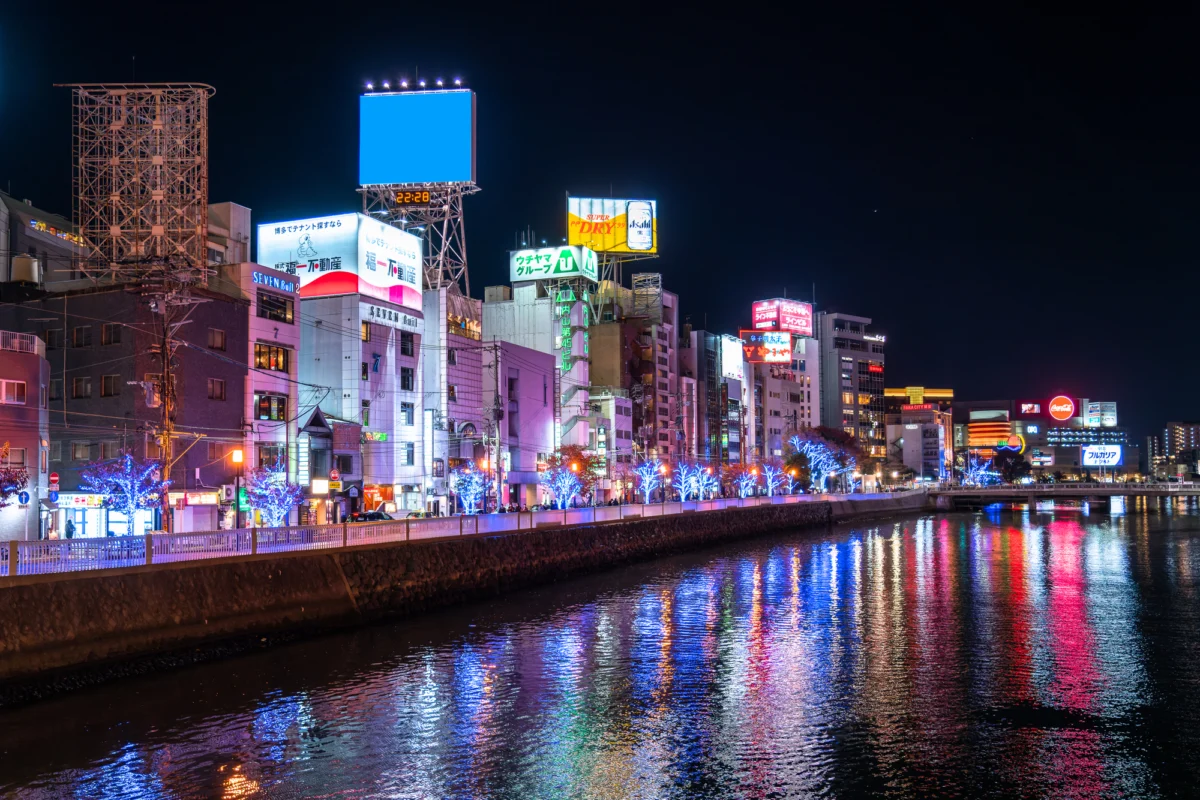
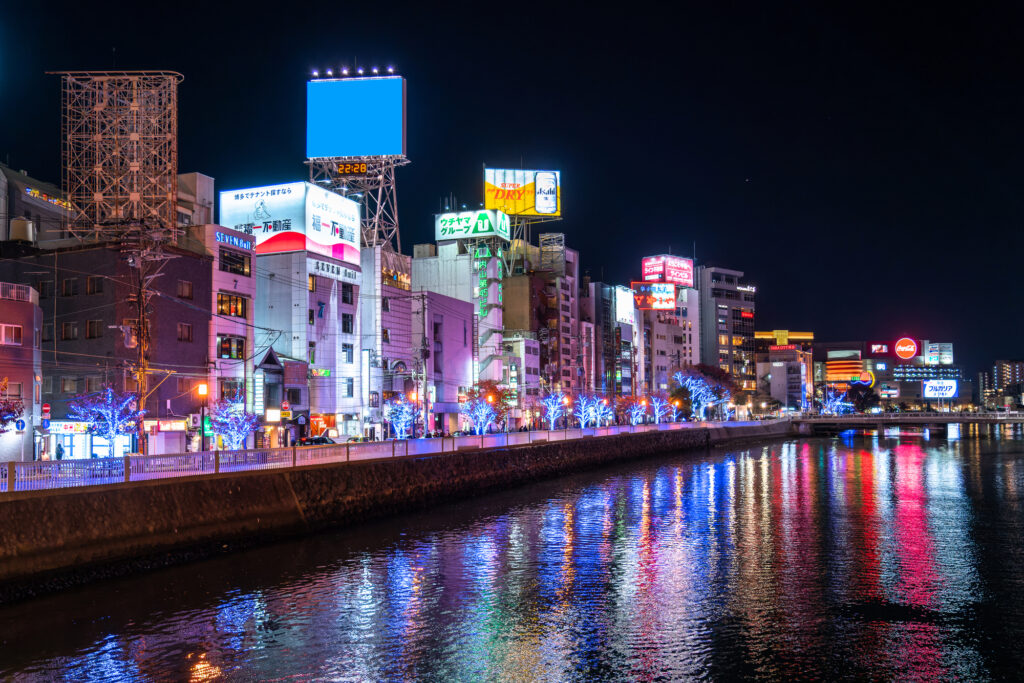
While the historic alleys of Kyoto groan under the weight of "tourism pollution" and the sprawling megalopolis of Tokyo contends with record-breaking visitor numbers, a quieter, more calculated revolution is taking place on the island of Kyushu. Fukuoka, a vibrant port city known for its resilience and culinary innovation, has emerged as Japan’s most compelling case study in urban tourism management.
By balancing rapid infrastructural development with a commitment to preserving the "soul" of its street culture, Fukuoka is successfully managing a massive surge in popularity. As foreign arrivals reach historic peaks, the city is proving that a destination can grow fast without necessarily feeling overwhelmed.
The Statistical Surge: A New Tourism Benchmark
The numbers are staggering. In 2024, Fukuoka recorded 3.9 million foreign arrivals via its airport and the historic Hakata Port—a figure that comfortably eclipses both 2019 pre-pandemic levels and the 2023 recovery trajectory. This surge is not limited to day-trippers; foreign overnight stays in Fukuoka Prefecture climbed by an impressive 37.3% year-on-year, totaling nearly 6.92 million.
This growth has solidified Fukuoka’s status as the sixth most visited prefecture in Japan. However, unlike other regions that have been caught off guard by the post-pandemic travel boom, Fukuoka’s ascent appears to be built on a foundation of proactive urban planning and a deliberate strategy to distribute foot traffic.
A Chronology of Strategic Growth
Fukuoka’s current success is not an accident of geography; it is the result of a decade of municipal intervention.
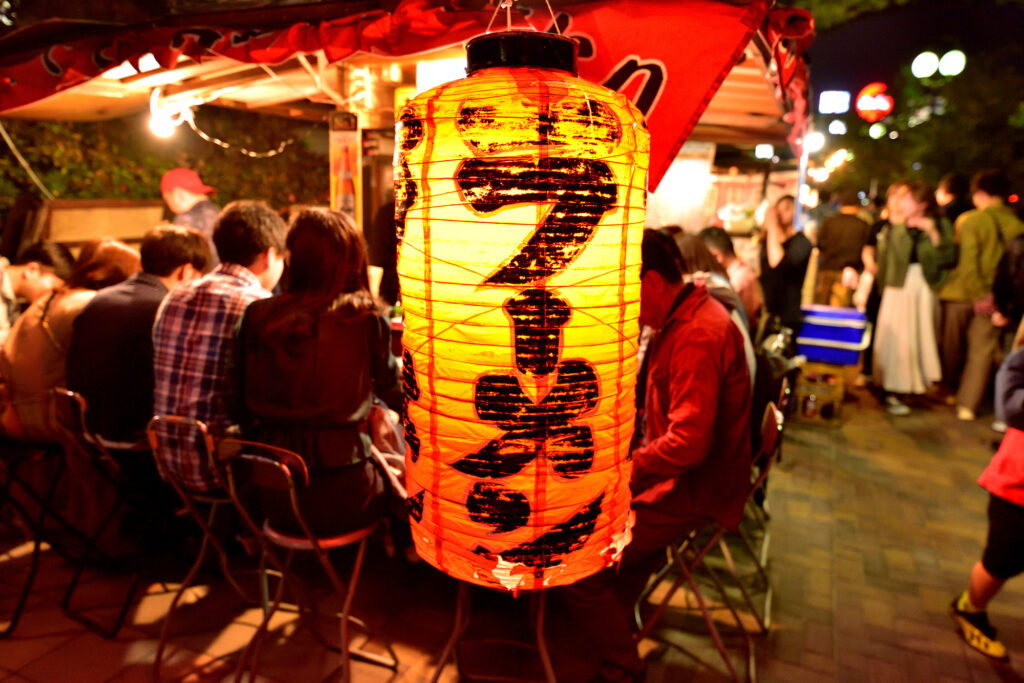
- 2013: The Yatai Ordinance. Recognizing that its iconic open-air food stalls (yatai) were dwindling, the city passed a landmark municipal ordinance. This regulation was not meant to stifle the stalls but to formalize their existence, setting standards for safety and hygiene while protecting their cultural identity.
- 2016: The Recruitment Shift. Facing the aging out of original yatai owners, the city launched a public recruitment system. This allowed new, younger entrepreneurs to enter the trade, injecting modern flair—ranging from Italian fusion to boutique Japanese regional cuisine—into the traditional stall format.
- 2019–2024: The "Tenjin Big Bang" and "Hakata Connected." These two massive redevelopment initiatives were launched to modernize the city’s urban core. By relaxing building height restrictions and incentivizing the construction of high-end hotels and modern retail spaces, the city effectively prepared its infrastructure for the incoming surge of international visitors.
- 2025: Global Recognition. The city’s efforts were validated when the yatai management system earned a spot on the "Good Design Best 100" list, signaling that Fukuoka’s blend of tradition and policy is a model for other urban centers.
Supporting Data: Infrastructure and Accessibility
Fukuoka’s rise is underpinned by one of the most efficient logistical layouts in the world. Fukuoka Airport (FUK) is unique in its proximity to the city center; a subway ride from the terminal to the central business hub at Hakata Station takes a mere five minutes.
This accessibility is a primary driver for the city’s popularity among travelers from South Korea, Taiwan, and Southeast Asia. Currently, over 78% of all foreign visitors to the Kyushu region enter through Fukuoka. The city has positioned itself as the primary gateway to the island, using its status as a regional transport hub to funnel tourists into other parts of the prefecture. By facilitating easy movement via the Shinkansen and regional rail, the city discourages the "bottleneck" effect seen in places like Arashiyama or Gion, where visitors are forced to congregate in a single, confined space.
The Yatai: A Buffer Against Overtourism
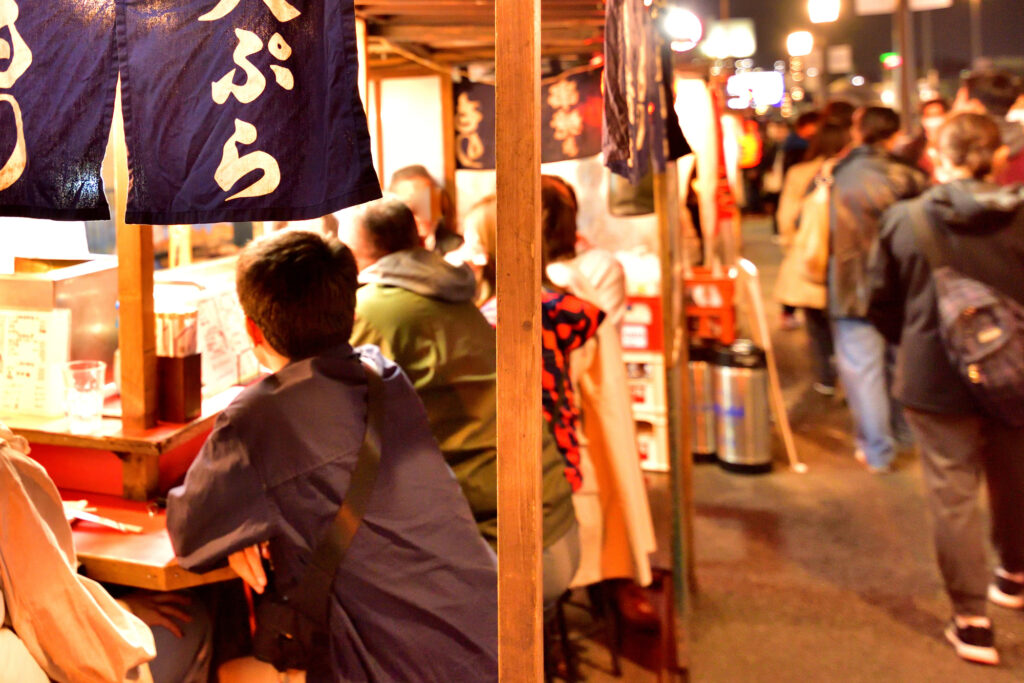
The yatai are more than just a culinary tradition; they are a spatial management tool. In many Japanese cities, tourists crowd into brick-and-mortar restaurants, creating long queues that frustrate locals and disrupt the flow of daily life.
In Fukuoka, the culture of eating at yatai is inherently transient. Diners sit shoulder-to-shoulder, consume their meal, and move on. This creates a high turnover rate that prevents the "restaurant queue" phenomenon common in other tourism hotspots. By offering an authentic, affordable (with ramen often priced around ¥800) experience that feels both intimate and communal, the city satisfies the tourist’s desire for "local immersion" without pushing residents out of their favorite dining spots.
Official Responses and Policy Shifts
Despite its successes, the city is not immune to the frictions of global tourism. As foot traffic increases, municipal authorities have begun to implement subtle, necessary policy adjustments.
The introduction of a ¥300 entry fee at Nanzoin Temple—specifically for foreign visitors—is a significant, if minor, bellwether. While the fee is intended to cover maintenance and security for the temple’s massive reclining Buddha, it reflects a broader national trend toward "two-tier pricing" and specialized tourist levies.
City officials have also expressed concern regarding the concentration of tourists in specific zones like Itoshima, a coastal area that has seen a sudden spike in popularity on social media. Learning from the "Kyoto Lesson," where overtourism became an existential threat to the city’s quality of life, Fukuoka’s planners are now focusing on "dispersal strategies." They are actively promoting secondary sightseeing spots to prevent the saturation of the city’s downtown core.
Implications: A Window of Opportunity
Fukuoka currently sits at a rare crossroads. It possesses the world-class infrastructure of a major metropolis like Tokyo, yet it maintains the manageable scale of a regional hub. For the traveler, this offers a unique window of opportunity.
However, the city faces a "tourism bingo card" of challenges. A lack of comprehensive multilingual support in certain hospitality sectors remains a gap that the city must bridge. Furthermore, the reliance on neighboring Asian markets means that any shift in regional economic or geopolitical stability could impact the city’s growth.
The long-term success of the "Fukuoka Model" will depend on whether it can maintain its identity while scaling its services. Can it continue to offer the "breathing room" that currently defines its appeal, or will the inevitable pressure of 10 million+ annual visitors force it to adopt more restrictive measures?
For now, the city’s strategy of blending heritage (the yatai), modernization (the Tenjin Big Bang), and seamless connectivity suggests that it is better prepared for the future than most. As Japan continues to grapple with the complexities of being a premier global destination, Fukuoka stands as a testament to the fact that with enough foresight, a city can be both a tourist destination and a livable home.
Key Takeaways for the Future
- Infrastructure First: Future tourism growth must be preceded by building capacity, as seen in the Tenjin and Hakata redevelopments.
- Cultural Preservation as Policy: The yatai ordinance shows that when traditions are protected through clear, modernized regulations, they become a source of strength rather than a victim of progress.
- Managing Flow: Fukuoka’s ability to act as a "gateway" ensures that visitors are not concentrated in one place, effectively diluting the potential for local resentment.
- The "Third-Way" Pricing: As seen with Nanzoin Temple, selective entry fees may become a necessary tool to fund the upkeep of cultural sites that are increasingly popular with non-residents.
Fukuoka is not just growing; it is evolving. By prioritizing balance, it has set a standard that other Japanese cities, struggling under the weight of their own fame, would do well to study.











No comments yet. Be the first to join the conversation!