Asro
Asro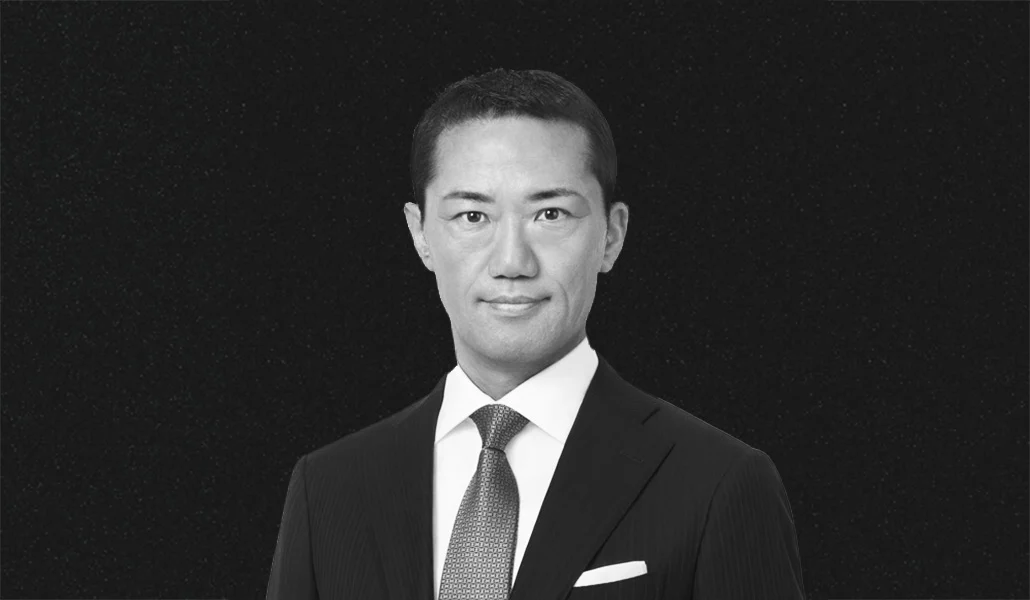
By Michael Bürgi | May 11, 2026
The first six weeks of a CEO’s tenure are often defined by internal restructuring, high-level meetings, and the inevitable "listening tour." For Takeshi Sano, who ascended to the role of global CEO of Dentsu at the end of March 2026, those six weeks have been a high-stakes baptism by fire. Tasked with steering a global holding company that has spent years in a state of stagnation, Sano is attempting to rewrite the Dentsu playbook in real-time.
His arrival comes at a critical juncture for the Japanese advertising giant. The company has faced a prolonged period of reputational drift, marked by a failure to secure strategic partnerships and a perceived inability to keep pace with the aggressive expansion of its global rivals. Yet, as Sano navigates his first major wins and losses, the industry is watching closely: Is Dentsu finally ready to compete, or is it merely holding the line?
The Main Facts: A Mixed Bag of Outcomes
Sano’s opening chapter has been characterized by a stark contrast between client retention and high-profile loss. On Friday, May 8, Heineken provided a significant vote of confidence in the new leadership by renewing its global media business with Dentsu. The review, which covered media, production, and creative, saw Dentsu successfully defend its media account, while the creative portion of the business was dispersed among Publicis, WPP, and Stagwell.
However, this victory was tempered by a major setback: the loss of Microsoft. The software titan, considered a top-three client for Dentsu, opted to move its massive account to Publicis. Industry insiders suggest the move was incentivized by Publicis’s aggressive integration of proprietary AI capabilities into their operational workflow—a "sweetener" that Dentsu, in its current state of transition, struggled to match.
For an agency leader, these outcomes present a diagnostic challenge. While the Heineken win validates Dentsu’s existing service model, the Microsoft departure highlights a structural vulnerability: the need for a more compelling, technology-forward value proposition that can compete with the industry’s most aggressive digital transformation players.
Chronology: The First 45 Days
- Late March 2026: Takeshi Sano officially assumes the role of global CEO of Dentsu, inheriting an organization reeling from the lack of a clear long-term strategy during the tenure of his predecessor, Hiroshi Igarashi.
- April 2026: Sano initiates a global tour, conducting town halls in New York, London, and Tokyo. The strategy is clear: break the perception of the "distant Tokyo CEO."
- Late April 2026: Reports emerge of Sano’s direct, hands-on involvement in major client pitches—a departure from the hands-off approach previously associated with Dentsu’s executive suite.
- Early May 2026: Dentsu loses the Microsoft account to Publicis, a blow that reverberates across the holding company landscape.
- May 8, 2026: Heineken announces the retention of Dentsu for its global media business, providing a much-needed morale boost and a testament to Sano’s early influence.
- June 23, 2026 (Upcoming): Sano is scheduled to take the main stage at the Cannes Lions Festival of Creativity for an interview with CNBC’s Julie Boorstin, marking his first major public address to the global industry.
Supporting Data: The Competitive Landscape
Dentsu currently sits in the middle of the holding company hierarchy—a position of "defensive stability." While it has avoided the catastrophic client exoduses that have plagued other firms, it has failed to demonstrate the aggressive growth seen at competitors like Publicis and Omnicom.
According to recent industry analysis, Dentsu’s 2025 performance was neither abysmal nor exemplary, leaving it in a "doldrums" state. The challenge is clear: winning new business. While the firm remains a formidable defender of its existing roster, the lack of new, high-value client acquisitions has stalled its momentum.
Furthermore, a recent report by Chicago-based Big Chalk Analytics challenges the reliance on consumer sentiment data—a staple of agency planning. The study reveals that sentiment data from the University of Michigan and the Conference Board has become increasingly unreliable as a predictive tool for economic behavior since the pandemic. With a correlation to consumer spending dropping to as low as 0.115 after a 12-month lag, the findings suggest that agencies like Dentsu must pivot toward more granular, behavioral data if they hope to provide value to their clients.
Official Responses and Industry Sentiment
While Dentsu declined to comment on the record for this report, the industry consensus regarding Sano’s approach is one of cautious optimism.
"It shows how intentional he is being about wanting to shift that perception of the Dentsu CEO being just stuck in Tokyo," said one anonymous consultant who has worked with the holding company. "Since he’s taking the reins, he has been very intentionally reaching out to clients, involving himself in some of these processes, and making himself available to staff, which is precisely what Dentsu needs."
Ruben Schreurs, CEO of Ebiquity, notes that the loss of Microsoft cannot be laid solely at Sano’s feet, given the timing of his arrival. However, he emphasizes that the next 12 months are critical. "He needs to be setting out a clear strategy, reinforcing that, and presenting to the market a very credible fourth or fifth option for clients," Schreurs noted.
The comparison to Arthur Sadoun (Publicis) and Cindy Rose (WPP) is inevitable. Both have established highly visible, high-impact leadership styles characterized by frequent client engagement and a clear articulation of their firm’s stance on critical issues like AI and automation.
Implications: The Road Ahead
The path forward for Sano involves three distinct pillars:
1. The "Human-First" Pivot
Sano’s physical presence is not merely optics; it is a tactical necessity. By engaging with staff and clients globally, he is attempting to foster a sense of "accountability and confidence." For a firm that has been viewed as insular, this cultural pivot is the foundation for all other changes.
2. Operational Consolidation
Sano has already begun streamlining regional operations, such as the recent decision to fold the iProspect and Carat brands in Australia into a singular "Dentsu Media" entity. This suggests a broader intent to reduce complexity and present a more unified, agile front to clients. Whether this becomes a global standard for the firm remains the subject of intense speculation.
3. The Cannes Test
The upcoming Cannes Lions Festival of Creativity serves as the true litmus test for Sano’s leadership. It is the venue where he must define what "The New Dentsu" looks like. As the industry gathers, stakeholders will be looking for a coherent value proposition that distinguishes Dentsu from its peers. In an environment dominated by questions about AI, automation, and the future of creative talent, Sano’s ability to articulate a vision will be paramount.
4. Navigating the "Vulnerability Window"
Dentsu remains in a vulnerable position. Rivals, sensing an opening, are aggressively courting the firm’s legacy clients, including powerhouses like General Mills, Kraft-Heinz, and Procter & Gamble. Sano’s primary objective in the next year will be to convert his current "listening tour" into long-term contract renewals and, eventually, significant new business wins.
The era of the "invisible CEO" at Dentsu appears to be over. Whether Takeshi Sano can translate his early visibility into a sustainable competitive advantage is a question that will define the next chapter of the global advertising landscape. For now, he has secured his seat at the table; the coming months will determine if he can lead the conversation.

 Neng Nana
 Ammar Sabilarrohman