Rifan Muazin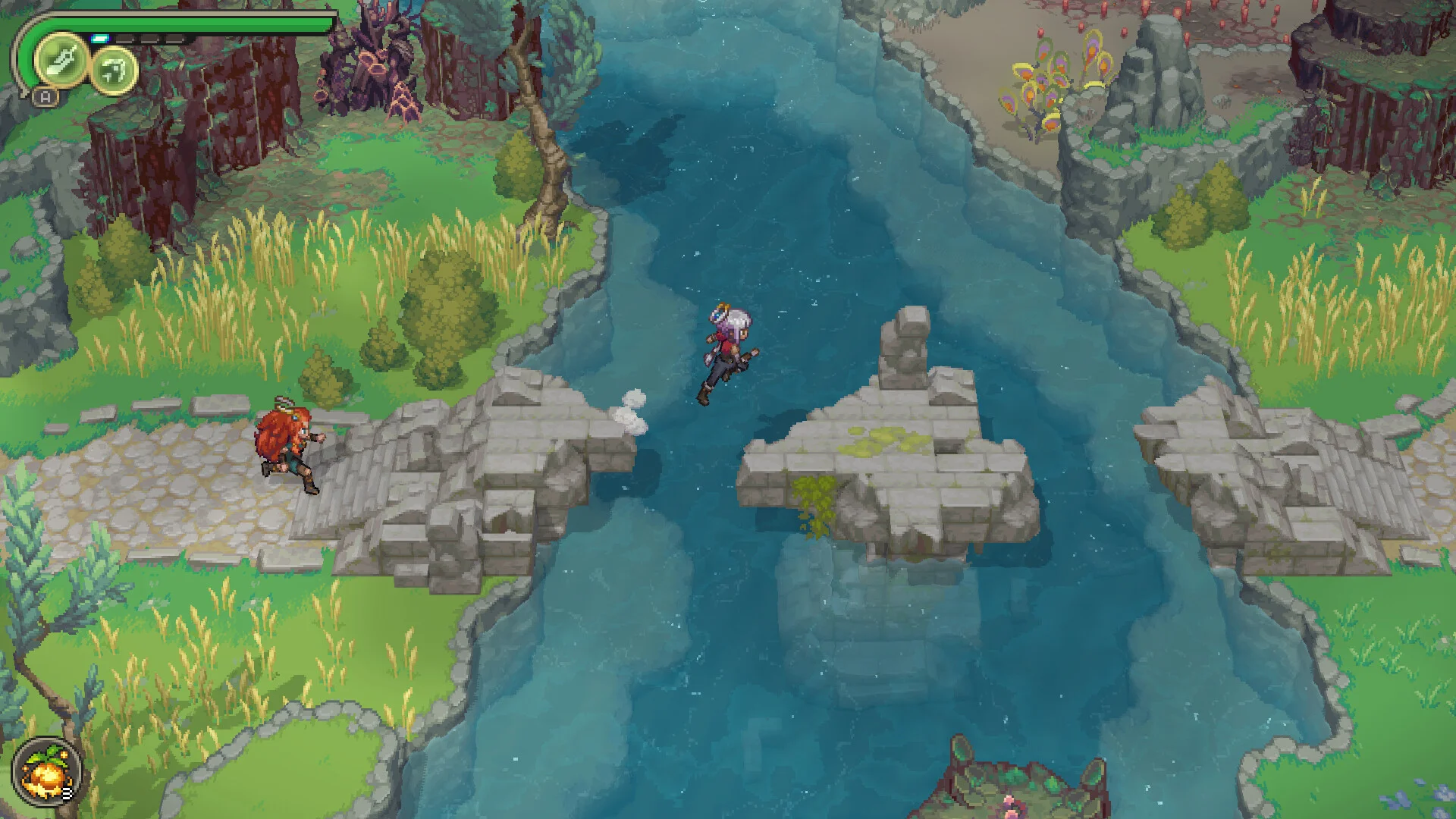
For decades, the gaming industry has been obsessed with chasing the ghost of the 16-bit era. Developers have consistently attempted to recapture the lightning-in-a-bottle magic of the 1990s through pixel-perfect art styles, chiptune-inspired soundtracks, and classic top-down mechanics. Yet, "retro done right" remains a deceptively difficult mountain to climb. Too often, projects lean too heavily on nostalgia, recycling dated design philosophies that modern audiences have long since outgrown.
However, Radical Fish Games—the studio behind the critically acclaimed CrossCode—has returned to prove that the past can be not only preserved but evolved. Their latest project, Alabaster Dawn, has officially hit early access, and it represents a masterclass in blending the aesthetic charm of the past with the fluid, rigorous design sensibilities of the present.

The Premise: A World Under Siege
Alabaster Dawn opens with a narrative hook that is as harrowing as it is cinematic. The story introduces a seemingly utopian society forced to seek refuge underground as meteors rain down from the sky. These are no ordinary celestial bodies; they are harbingers of destruction, bringing with them the "Nuemera"—monsters summoned by the malevolent force known as Nyx. These creatures render the surface world infertile and hostile.
To combat this existential blight, the gods appoint twelve "Chosen" to reclaim the surface. The player steps into the boots of Juno, a protagonist whose journey begins in the wake of this cataclysm. The first ten minutes of the game serve as an emotional gauntlet; the storytelling is tight, impactful, and genuinely moving, proving that Radical Fish Games has not lost their knack for weaving high-stakes narratives into their sprite-based worlds.
Chronology and Gameplay Loop: The Architecture of Adventure
The game’s structure is built on a reliable, if familiar, skeleton. After the intense introduction, the player is introduced to the core gameplay loop:
- Exploration: Navigating the surface to uncover secrets and reclaim lost territory.
- Purification: Engaging in combat to cleanse the land of Nuemera infestations.
- Restoration: Aiding the underground society as they tentatively return to the surface.
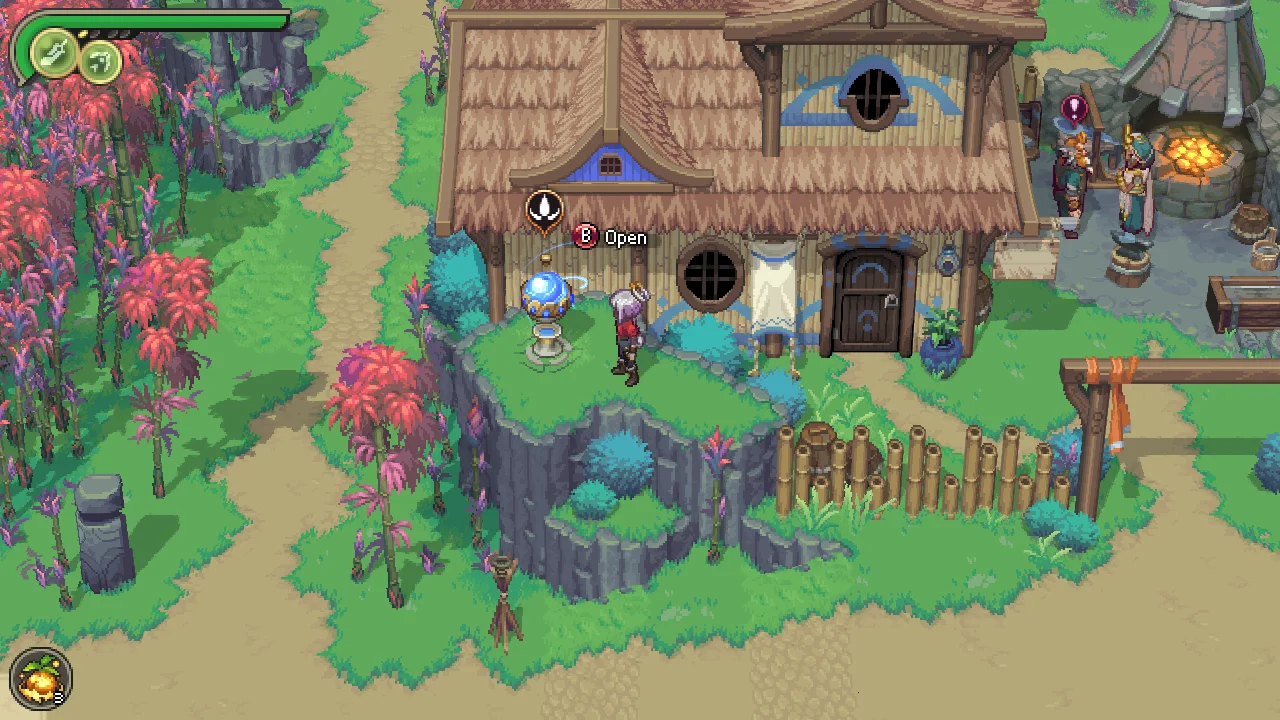
- Community Integration: Completing side quests and odd jobs to build rapport with NPCs before moving on to the next major settlement.
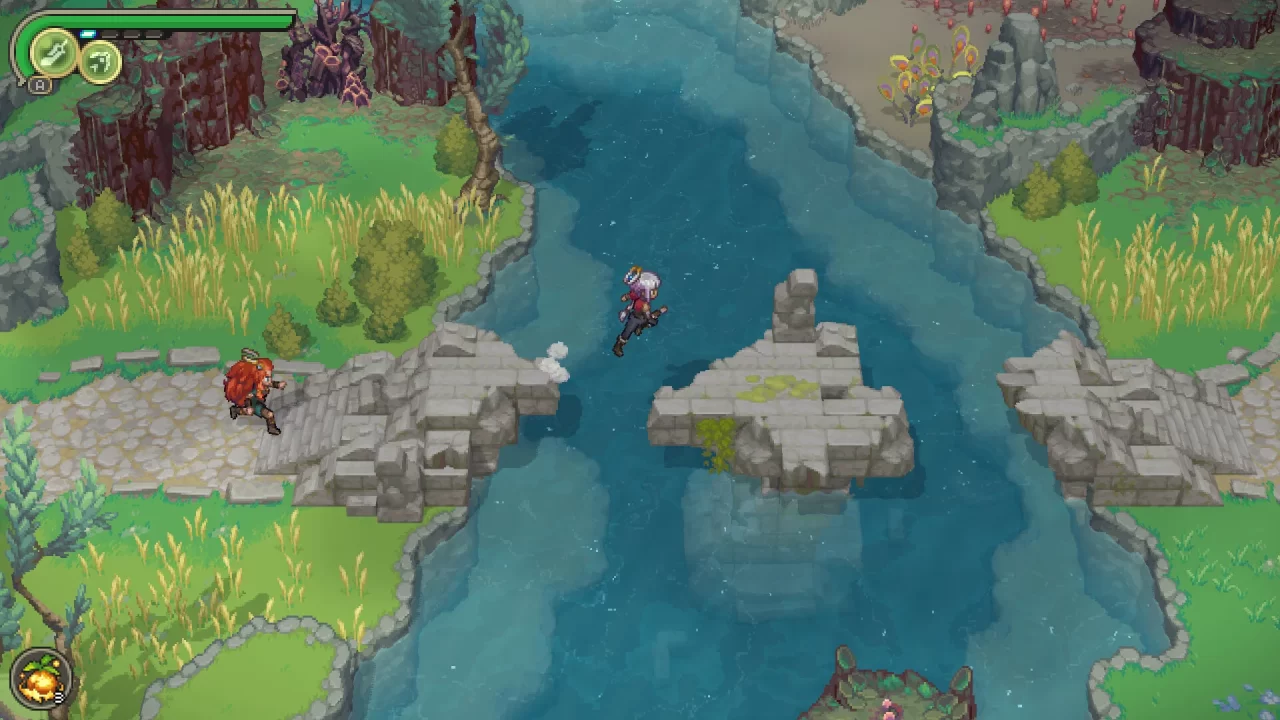
While this flow might sound formulaic, the execution is anything but. In my initial seven hours with the early access build, the pacing felt deliberate, offering a perfect rhythm between high-octane combat encounters and slower, atmospheric moments of exploration. The game respects the player’s time while constantly dangling the carrot of new, mysterious discoveries just over the horizon.
Supporting Data: Mastering the Combat System
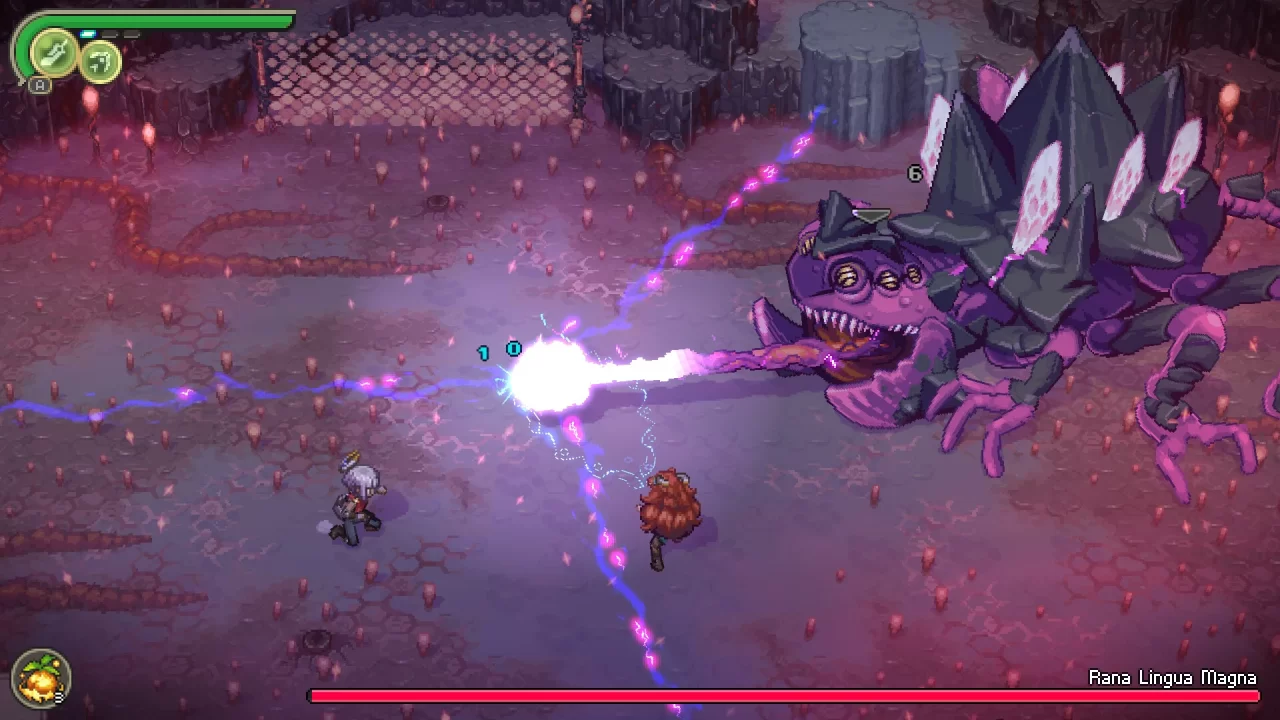
For the uninitiated, Alabaster Dawn is a classic top-down action RPG. It features a sprite-based protagonist exploring large, interconnected maps. However, beneath the 16-bit aesthetic lies a combat system with surprising depth and complexity.
Beyond Button Mashing
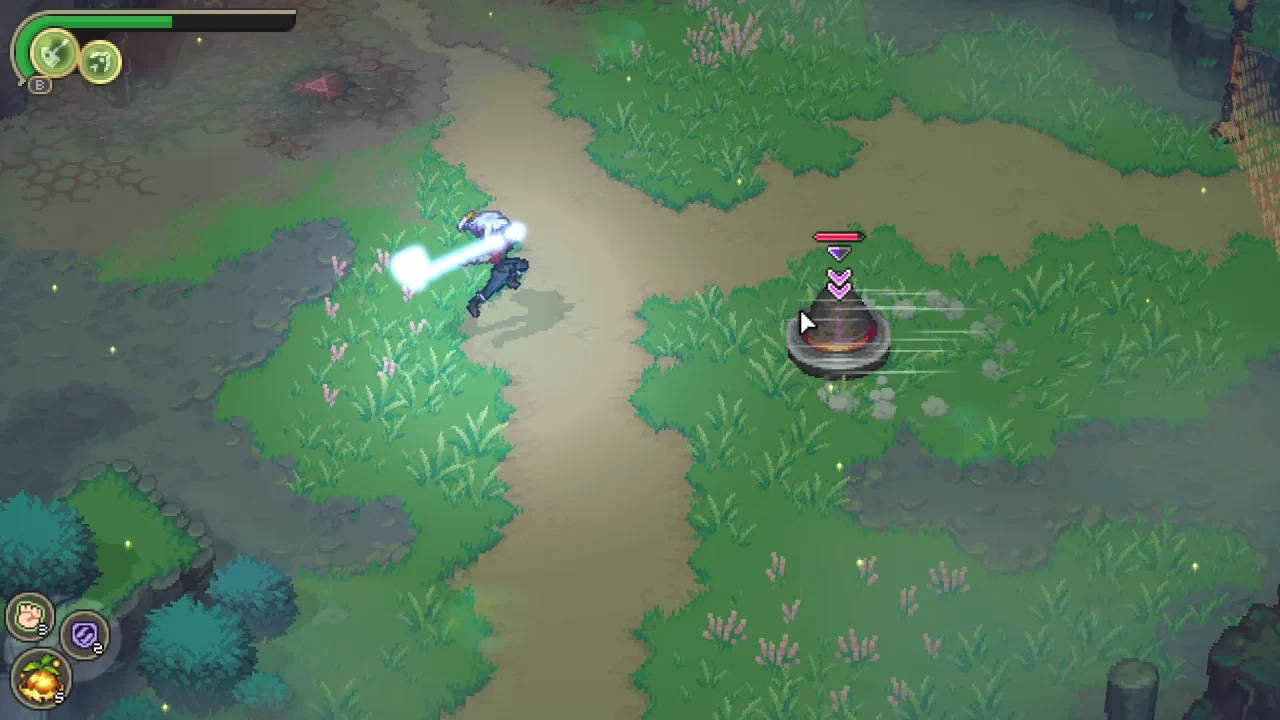
Early on, players might be tempted to rely on basic attack strings. However, as the difficulty ramps up, the game demands more from its users. The combat system relies heavily on timing and nuance:
- Combo Modification: By holding down the attack button mid-string, players can alter the finishing move of a combo.
- Delayed Inputs: Timing your presses can change the trajectory and effect of attacks, allowing for a higher skill ceiling.
- Elemental Vulnerabilities: As the journey progresses, Juno gains access to new weapons and elemental types. Mastering which tool to use against specific enemy types is essential, as the game moves away from "one-size-fits-all" solutions.
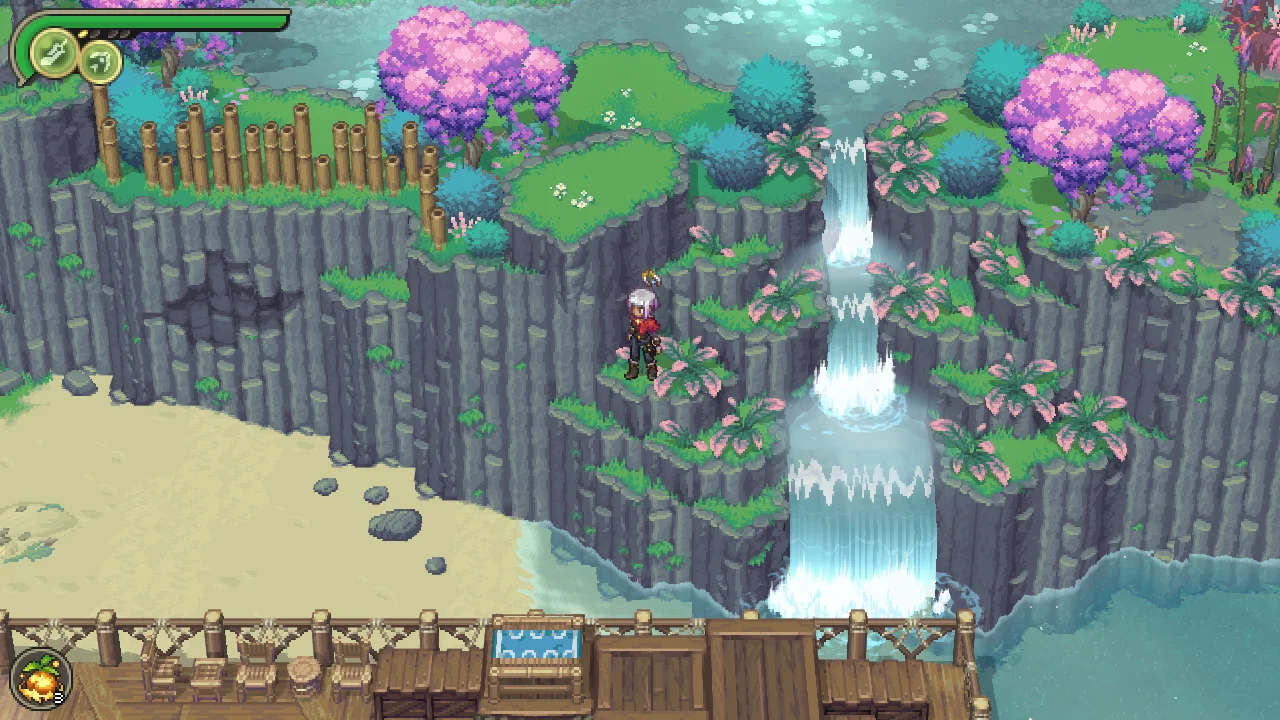
The enemy design is perhaps the most impressive aspect of the combat. While the core mechanics are familiar, the variety of enemy placements and the complex, varied attack patterns ensure that even repetitive battles remain engaging. The environmental integration—where terrain affects movement and combat flow—adds a layer of tactical decision-making that keeps the experience fresh.
Systems and Customization
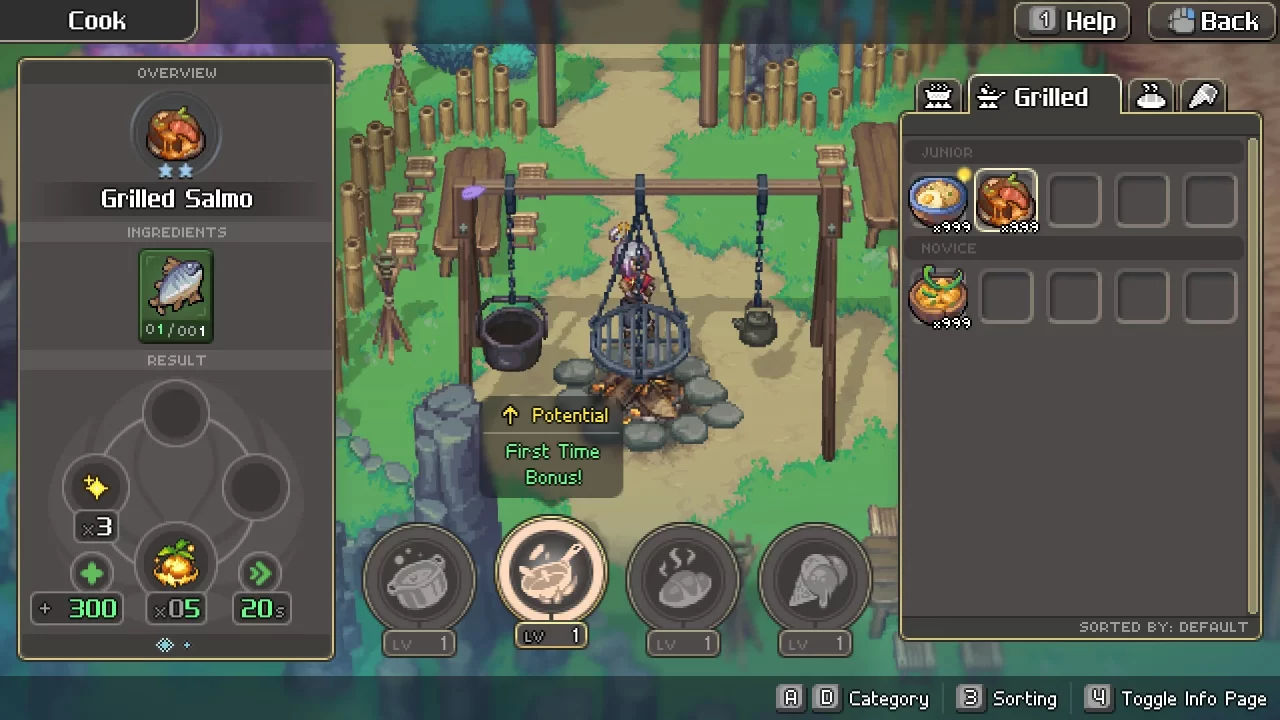
The gameplay is bolstered by a robust set of RPG systems:
- Skill Trees: Allows for build customization to match individual playstyles.
- Accessory System: Provides stat boosts that can turn the tide in challenging encounters.
- Cooking: A staple of the genre that returns here, offering buffs and health restoration.
While the first few hours are accessible and relatively gentle, the later stages of the current build introduce boss fights that provide a legitimate challenge, forcing players to truly "git gud" and master the game’s deep combat mechanics.
Official Perspectives and Technical Craft
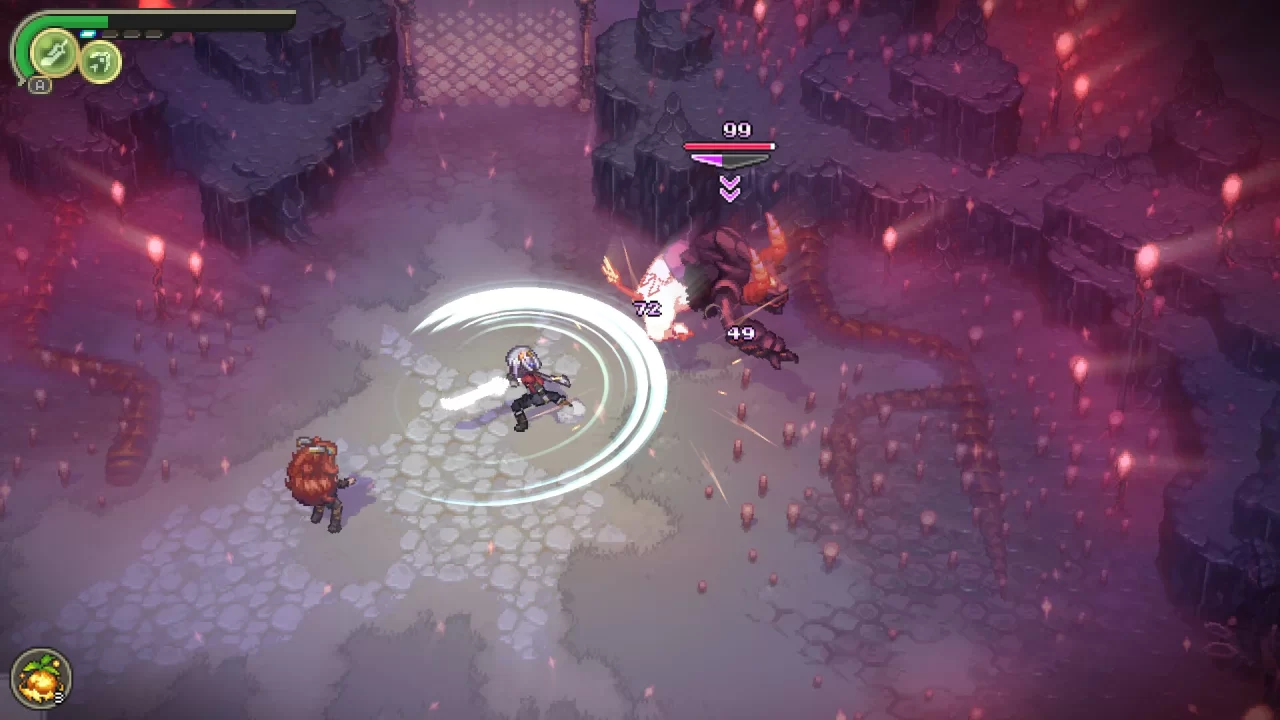
Radical Fish Games has clearly taken the feedback from their work on CrossCode to heart. Alabaster Dawn is, in many ways, a significant facelift to the design philosophy they perfected in 2018. The pixel art is among the best in the industry, characterized by crisp, instant controls and fluid animations that make moving through the world a tactile delight.
The developer’s attention to detail is evident in the camerawork and environmental storytelling. The way the camera shifts during pivotal narrative moments elevates the emotional stakes, turning simple scenes into cinematic events.
The Return of Deniz Akbulut
No discussion of a Radical Fish title would be complete without mentioning the audio. Composer Deniz Akbulut, who was instrumental in defining the sonic landscape of CrossCode, returns to score Alabaster Dawn. From the moment the main menu loads, his signature style is recognizable—perfectly balancing tranquil, atmospheric melodies with the high-energy, percussive tracks required for intense boss battles. His work reinforces the game’s identity: a title that wears its retro heart on its sleeve while utilizing modern, sophisticated production values.
Implications for the Future of the Genre
The release of Alabaster Dawn into early access is a significant moment for the indie RPG scene. It serves as a proof-of-concept for the idea that "retro" is not a constraint, but a foundation. By refining the pacing, tightening the combat, and focusing on high-quality animation and music, Radical Fish Games is setting a new standard.
The primary implication of this release is that there is still massive, untapped potential in the classic top-down RPG format. Many developers fall into the trap of imitating the look of 90s games without understanding the feel. Radical Fish understands both.
If this seven-hour vertical slice is any indication, the full version of Alabaster Dawn is poised to stand shoulder-to-shoulder with the greatest action RPGs of the last decade. It offers a promise to the player: that the journey ahead is full of twists, emotional payoffs, and mechanical evolution.
For those who find the wait for the final release unbearable, the studio’s previous work, CrossCode, remains a mandatory play. It serves not only as a precursor to Alabaster Dawn but as a testament to the fact that this team is one of the few in the industry capable of delivering a "modern classic."

Alabaster Dawn is not just a game about saving a world from space monsters; it is a game about saving the soul of a genre. By honoring the past and iterating on the present, Radical Fish Games is ensuring that the golden age of RPGs never truly ends—it just keeps getting better.


 Asro
Asro
 Muslim