Suro Senen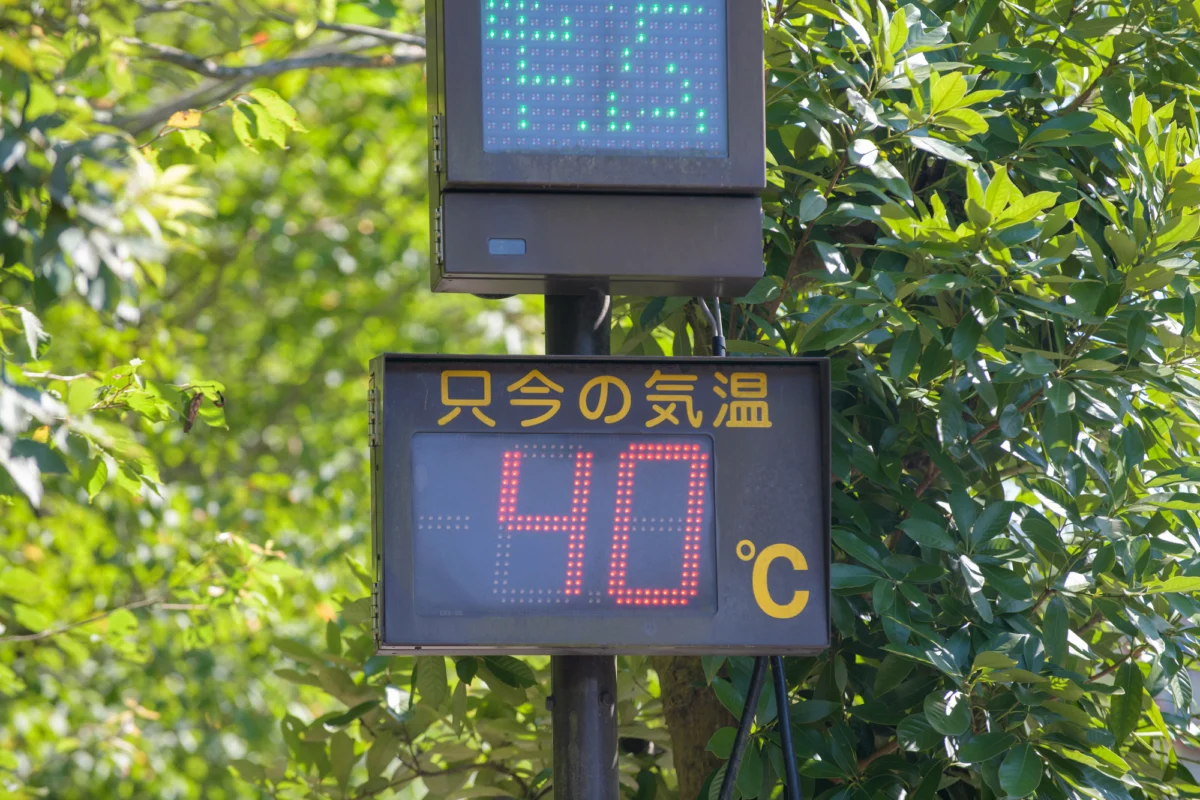
As the spring blossoms fade and the rainy season—tsuyu—recedes, Japan transforms into a landscape defined by an unforgiving, atmospheric weight. For many international travelers, summer represents the only viable window for a dream vacation. Lured by the promise of vibrant festivals like Kyoto’s Gion Matsuri or the allure of mountain escapes, visitors often arrive with a common, dangerous misconception: that heat is a universal constant. They assume that if they have navigated the sun in Florida, Texas, or the Mediterranean, Japan’s summer will be a familiar experience.
In reality, the Japanese summer is a different beast entirely. It is a season of profound, oppressive intensity that demands more than mere tolerance—it requires a strategic, almost clinical approach to survival.
The Anatomy of the Japanese Summer: Why It Feels Different
The discomfort of a Japanese summer is not merely a product of the thermometer reading; it is a complex synthesis of geography, urban planning, and extreme humidity.
The Humidity Factor
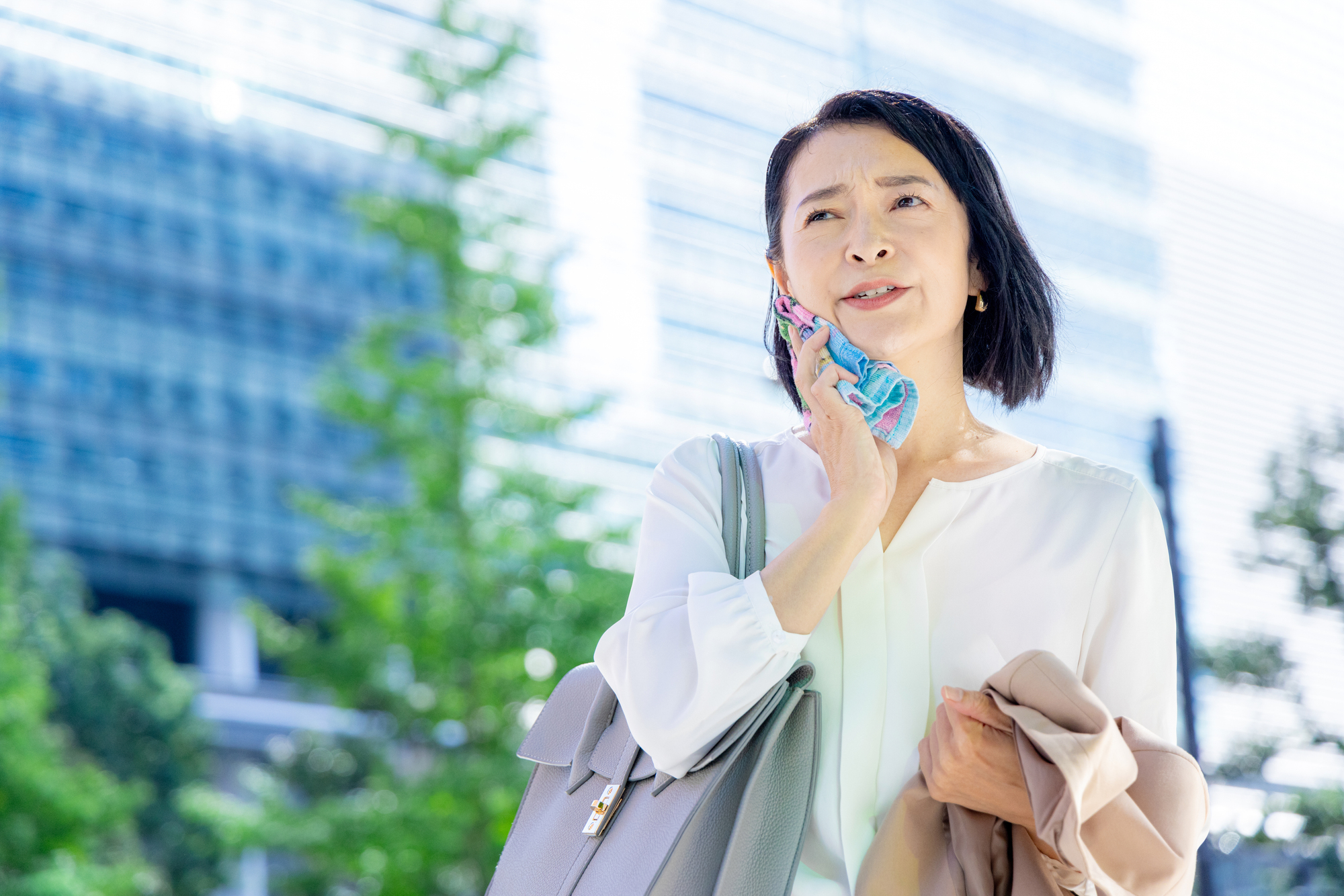
Japan’s high humidity is the silent antagonist of any summer itinerary. When humidity levels soar, the body’s primary cooling mechanism—the evaporation of sweat—becomes profoundly inefficient. Even when the mercury hits a "moderate" 30°C (86°F), the real-feel temperature can be significantly higher. This damp, heavy air creates a physical barrier that prevents heat from escaping the body, leading to rapid exhaustion, dizziness, and the onset of heatstroke far faster than in arid environments.
The Concrete Jungle and the "Basin Effect"
Urban centers, particularly those along the "Golden Route" (Tokyo, Nagoya, Osaka), function as massive heat islands. The vast expanse of concrete and asphalt absorbs solar radiation during the day and radiates it back into the streets well into the night, preventing the city from cooling down.
Kyoto serves as the most striking example of this phenomenon. Nestled in a basin and surrounded on three sides by mountains, the city acts as a natural furnace. Airflow is restricted, and the trapped heat has nowhere to go. While coastal cities might benefit from a sea breeze, inland hubs like Kyoto are often left to stew in their own stagnant, blistering air.
Chronology of the Crisis: A Growing Public Health Concern
The escalation of heat-related incidents is not a modern anomaly, but it has reached a critical threshold. In recent years, Japan has witnessed record-breaking temperatures, with the Japan Meteorological Agency (JMA) now frequently issuing warnings for temperatures exceeding 40°C (104°F).
- The Early 2020s: Heat-related hospitalizations began to climb steadily as tourism post-pandemic reached pre-2019 levels. The surge in visitors unfamiliar with the local climate placed an unprecedented strain on emergency medical services.
- The 2025 Milestone: Last year, Japan and South Korea recorded their hottest summers in history. This marked a turning point in public discourse, shifting the conversation from "how to stay cool" to "how to survive."
- The 2026 Outlook: As the nation prepares for another sweltering summer, the government has preemptively tightened its regulatory and advisory framework, emphasizing that the heat is a public health crisis rather than a mere seasonal inconvenience.
Supporting Data: The Science of Sustenance
The prevailing myth among tourists is that hydration is a matter of water intake alone. However, scientific consensus in Japan—backed by the Ministry of Health, Labour and Welfare—stresses that water is insufficient when the body is losing vital electrolytes through profuse sweating.
The Electrolyte Requirement
The Ministry recommends beverages containing approximately 0.1 grams of salt per 100 milliliters of water. This precise ratio is vital for maintaining fluid balance and preventing hyponatremia, a condition caused by drinking too much water without adequate sodium replacement.
Popular Japanese beverages such as Pocari Sweat, Aquarius, and Green DA・KA・RA are formulated specifically for these conditions. They are not merely "sports drinks" to be consumed during exercise; they are functional beverages essential for anyone navigating the urban environment.
Strategic Consumption
During peak summer, these drinks fly off the shelves. Veteran travelers and locals alike engage in "pre-emptive buying." When entering a convenience store (konbini), it is standard practice to pick up electrolyte tablets or salt candies. These are easily identified by the terms nesshōshō yobō (heatstroke prevention) and enbun hokyū (salt replenishment).
Official Responses: Government Initiatives and Infrastructure
Japan’s government has moved aggressively to mitigate the impact of rising temperatures through the Climate Change Adaptation Act.
The "Cool Share" Initiative
The Tokyo Metropolitan Government, alongside other regional authorities, has spearheaded the "Cool Share" program. This initiative encourages residents and tourists alike to visit designated "Cooling Shelters"—public buildings, shopping malls, and community centers equipped with powerful air conditioning—to escape the peak heat. Maps of these locations are provided by the government to ensure that no one is ever more than a few blocks away from a climate-controlled sanctuary.
Public Awareness and Digital Alerts
The Ministry of the Environment has integrated technology into its survival strategy. Their official LINE account provides real-time heatstroke alerts and daily heat index updates. Furthermore, the Wet Bulb Globe Temperature (WBGT) map, available in English, provides a scientific index of the heat’s severity, allowing travelers to adjust their daily plans based on objective risk levels rather than personal feelings of "toughness."
Implications for the Modern Traveler: Changing the Approach
The most critical takeaway for any visitor is that the Japanese summer is a test of preparation, not endurance. To approach the season with the mentality of "powering through" is to invite disaster.
1. The Midday "Dark Period"
Between 12:00 and 15:30, the solar intensity in Japan is at its most lethal. The most prudent course of action is to avoid outdoor activities entirely during this window. This is the time for museum visits, long lunches in air-conditioned establishments, or a mandatory siesta at the hotel. If you find yourself outdoors at 11:30, it is time to seek shade.
2. Strategic Dress Codes
The "business-casual" aesthetic of many tourists is often ill-suited for the humidity. Lightweight, breathable materials are essential. Uniqlo’s AIRism line is a local staple for a reason: it wicks moisture and promotes airflow. Furthermore, the use of UV-blocking parasols is not a fashion statement but a functional tool, offering a portable canopy of shade that lowers the ambient temperature around the user by several degrees.
3. Culinary Adaptation
Japanese summer cuisine is designed to mitigate heat. Sōmen (chilled thin wheat noodles) and kakigōri (shaved ice) are not just desserts; they are traditional methods of body-temperature regulation. Even simple, street-side snacks like chilled cucumbers provide a necessary infusion of salt and hydration.
4. Diversifying the Itinerary
If your schedule allows for flexibility, consider looking beyond the Golden Route. While Tokyo and Kyoto are iconic, they are also the most oppressive during the summer. Northern prefectures like Aomori and Miyagi, or the elevated terrain of the Japan Alps, offer significantly milder climates. A shift in destination can turn a grueling battle against the heat into a comfortable and restorative experience.
Conclusion: Adapting to the Environment
Japan’s summer is a profound sensory experience, but it is one that demands respect. The heat is a tangible, atmospheric force that has shaped the nation’s culture, architecture, and public policy. By adopting the local mindset—prioritizing electrolyte intake, respecting the midday sun, and utilizing the robust network of cooling infrastructure—travelers can enjoy the beauty of the season without becoming a casualty of it.
The goal is not to endure the heat, but to adapt to it. Those who learn to work with the climate, rather than against it, will find that Japan in the summer is not an impossible dream, but a masterclass in resilience and mindful travel.


 Neng Nana
 Asro
Asro