Raul Delapena Setiawan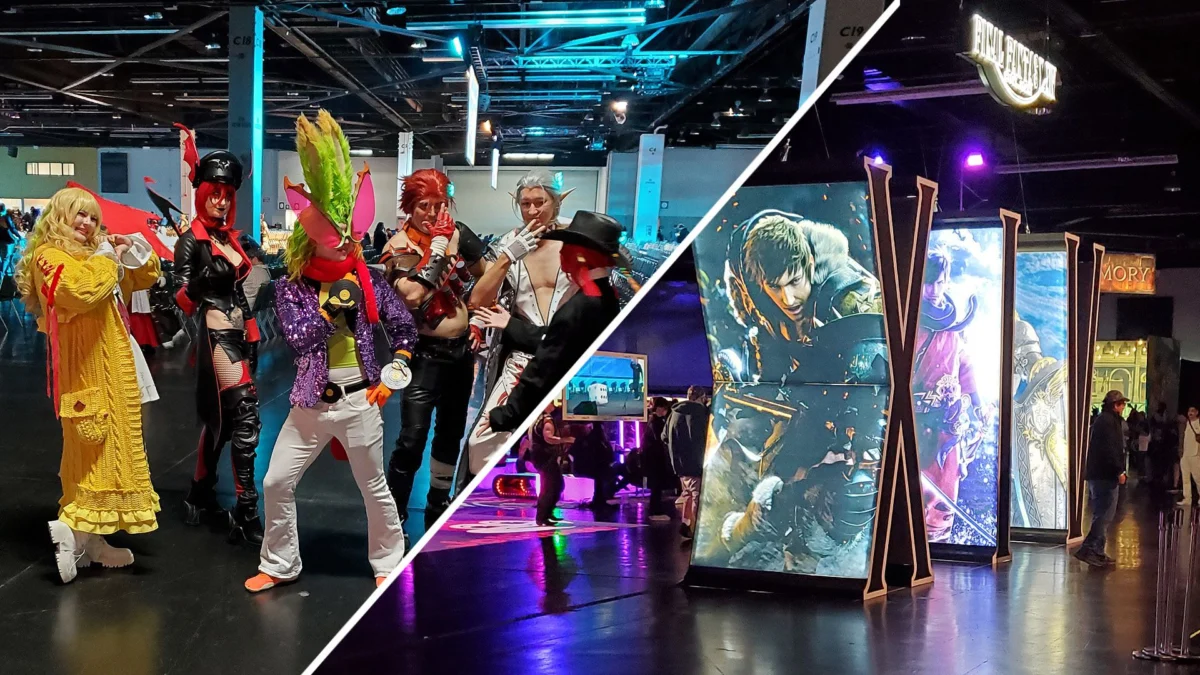
By Adam Beck
Published May 12, 2026
The history of Final Fantasy XIV is one of the most remarkable redemption arcs in the annals of interactive entertainment. From its infamously catastrophic 2010 launch to its transformation into one of the most critically acclaimed and commercially successful MMORPGs in history, Square Enix has consistently demonstrated an ability to listen to its player base. That dedication was on full display this past weekend at the 2026 North American Fan Festival in Anaheim, California. As the developer looks toward the future, the event served not just as a celebration of past achievements, but as a bold manifesto for the game’s next decade.
The Evolution of the Venue: Why Anaheim Won Over Las Vegas
For those who have attended previous iterations of the North American Fan Festival, the transition from the Las Vegas Convention Center to the Anaheim Convention Center was a significant upgrade. While Las Vegas provided a centralized hub for gambling and nightlife, it often proved hostile to attendees in terms of climate and accessibility.
The 2023 festival, held in the sweltering heat of a Nevada summer, saw temperatures climb to a staggering 43 degrees Celsius (110°F). For a community that thrives on cosplay and physical movement, the extreme heat turned simple transit between venues into an endurance test. By contrast, Anaheim offered a temperate, 20-degree Celsius (68°F) climate, allowing for a more organic social atmosphere. The presence of food trucks, outdoor social zones, and proximity to tourist-friendly locations like Disneyland transformed the event from a confined indoor convention into an immersive, city-wide experience.

Chronology of the 2026 Experience
The festival kicked off with an electric keynote that set the tone for the entire weekend. Following the mixed reception of the Dawntrail expansion, there was a palpable tension regarding the future direction of the game. Square Enix arrived in Anaheim with a clear objective: to prove that Final Fantasy XIV is not merely maintaining its status quo, but actively reinventing its core mechanics.
Throughout the weekend, the schedule was packed with a variety of programming. Highlights included:
- The Opening Keynote: The unveiling of the next expansion, Evercold, which shifted the narrative focus to a new, frozen Reflection.
- The Concert Series: A dual-act performance featuring the ethereal piano arrangements of Keiko Osaki and vocalist Amanda Achen, followed by the high-energy spectacle of The Primals.
- Community Engagement: Interactive booths, most notably the "Dancing Green" challenge, provided a venue for fans to showcase their engagement with the game’s recent raid content.
- Competitive Play: The PvP tournament, which saw the team "Big Goat City" secure a hard-fought victory, underscored the growing legitimacy of the game’s competitive scene.
The "Evercold" Announcement: A Shift in Narrative and Mechanics
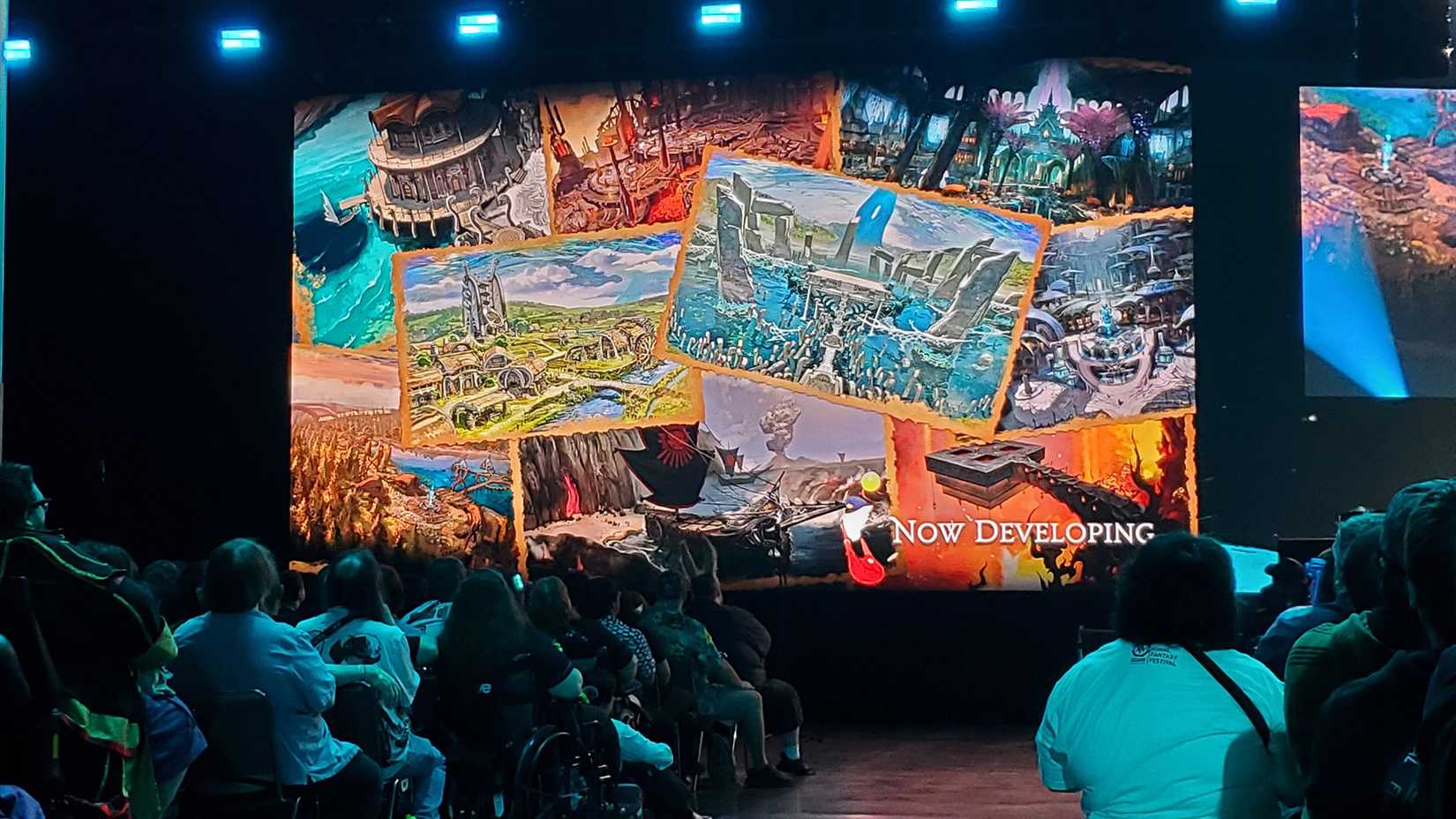
The centerpiece of the event was undoubtedly the announcement of Evercold. Set for a January 2027 release, the expansion promises to move away from the "vacation" narrative of Dawntrail and return to a darker, more atmospheric tone reminiscent of Shadowbringers.
The trailer, which heavily utilized Norse-inspired motifs and themes of perpetual winter, was met with thunderous applause. However, the true significance of the keynote lay in the technical announcements. Square Enix signaled a massive structural overhaul to the game’s combat and job identity systems. For a game that has operated on a relatively static "patch-cycle" formula for over a decade, this represents the most significant shift since the game’s initial reboot as A Realm Reborn.
The developers emphasized that these changes are not merely cosmetic. They are designed to address long-standing complaints regarding job homogenization, aiming to restore a sense of uniqueness to each playstyle while ensuring the game remains accessible to newcomers.
Supporting Data: Infrastructure and Accessibility
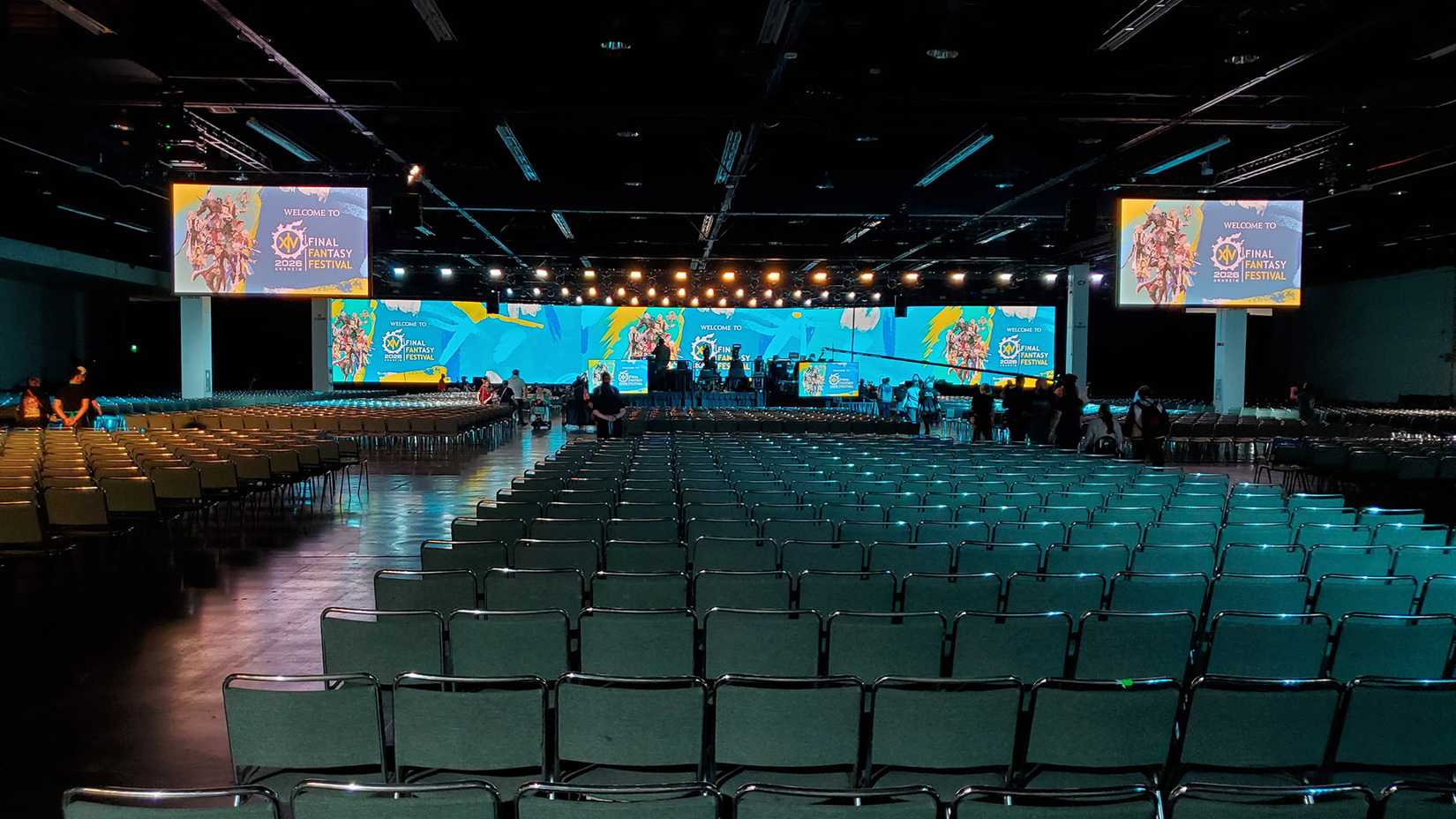
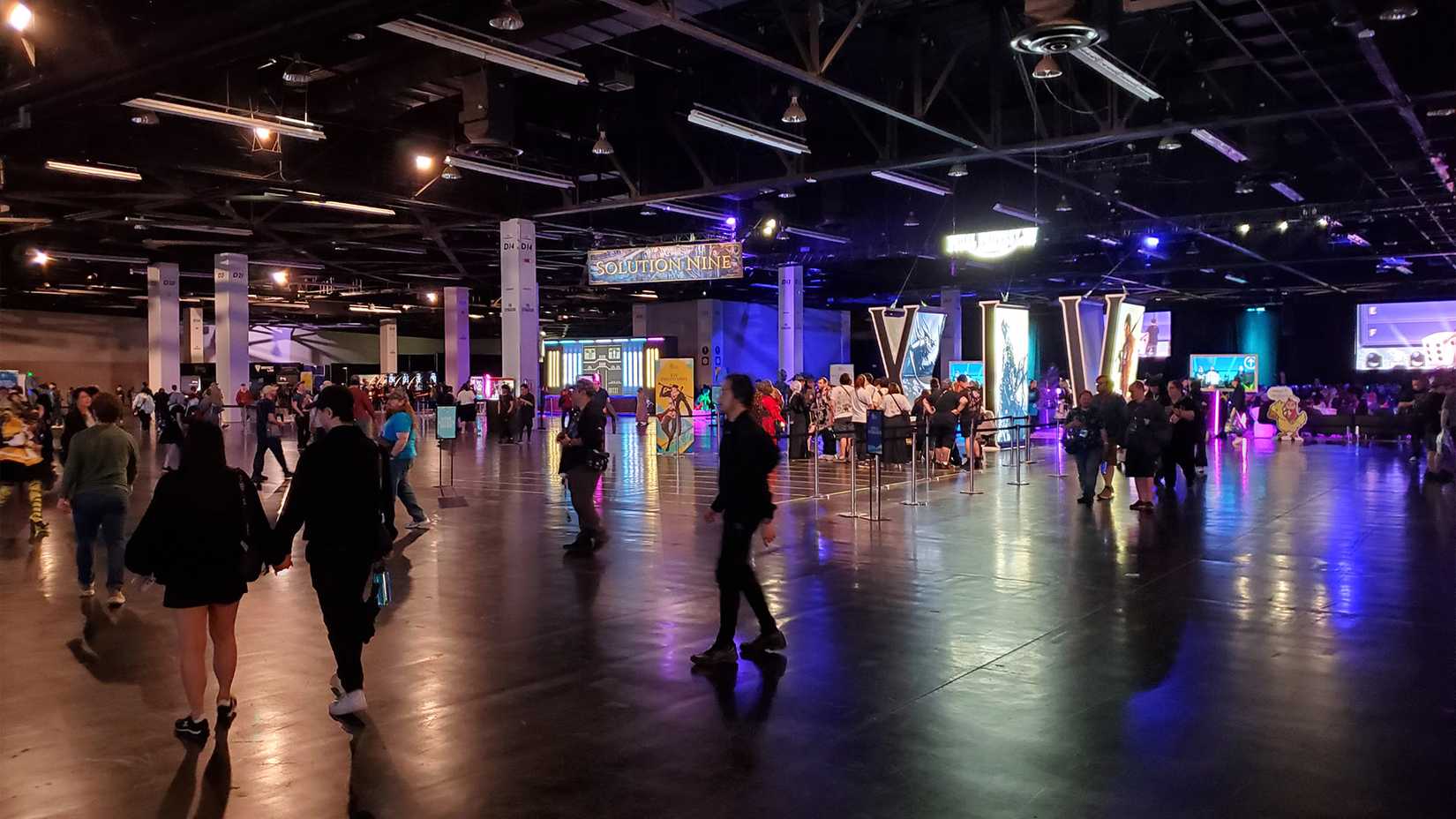
While the logistical improvements in Anaheim were undeniable, the event was not without its growing pains. The floor space was significantly more expansive, allowing for better crowd flow and reduced congestion compared to previous years. However, the auditorium configuration presented a double-edged sword.
While the new layout allowed for significantly more ADA-compliant seating—a major improvement over 2023—the elongated nature of the hall meant that fans seated in the rear were reliant on monitors rather than direct line-of-sight to the stage. For a keynote that relies on the "palpable energy" of a live crowd, this created a slight disconnect for those further back.
Merchandise queues also remained a point of contention. Despite the implementation of a digital app-based appointment system, many attendees reported technical difficulties linking their tickets. While a stand-by line was available, wait times at peak hours reached four hours. It is clear that for the 2029 Fan Festival, a more robust pre-order and remote pickup service will be required to meet the community’s demand for physical memorabilia.
Official Stance and Community Reception
Square Enix’s presence at the festival was marked by a surprising level of transparency. During various Q&A panels, the development team acknowledged the feedback regarding the Dawntrail post-release cycle. By validating player concerns rather than dismissing them, the studio effectively bolstered goodwill.
The inclusion of guest appearances, most notably VTuber Ironmouse, showcased the developer’s awareness of the modern digital landscape. Ironmouse’s choreographed musical performance was a standout moment of the weekend, bridging the gap between traditional gaming culture and the burgeoning VTuber community. This integration speaks to Square Enix’s broader strategy: evolving Final Fantasy XIV into a platform that transcends the traditional boundaries of an MMORPG.

Implications for the Future of FFXIV
The implications of the 2026 Fan Festival are profound. By moving to Anaheim and refining their logistical approach, Square Enix has demonstrated a commitment to long-term sustainability. The pivot toward Evercold suggests that the studio is not afraid to iterate on their successful formula, even when it risks alienating those comfortable with the status quo.
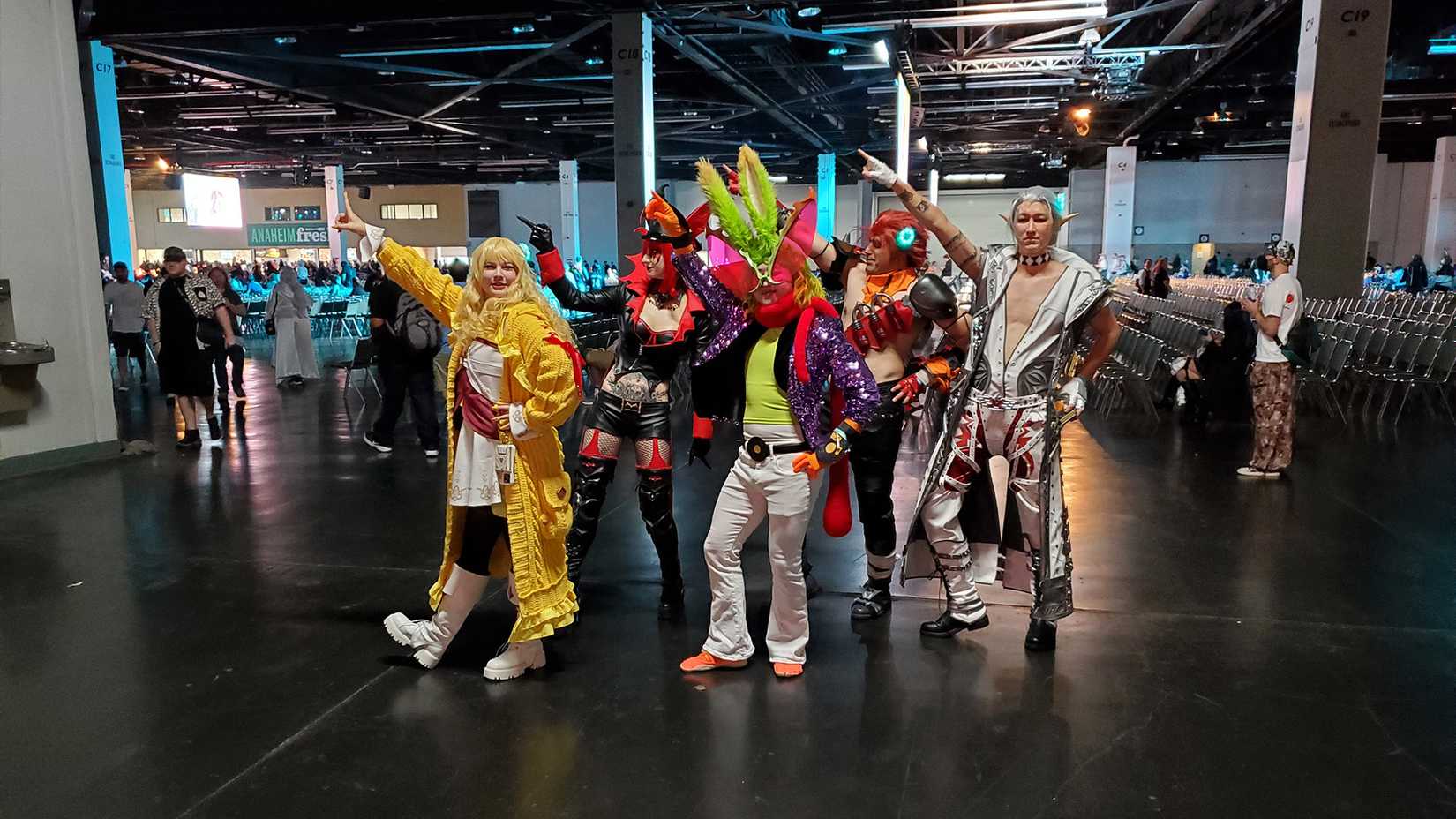
The most important takeaway, however, is the social utility of the event. As the developer noted, the Fan Festival is less about the announcements themselves—which can be consumed via a live stream—and more about the community. In an era where digital isolation is common, the ability for thousands of players to congregate, exchange stickers, and share their love for Eorzea in a physical space is the game’s greatest asset.
Conclusion
Is the Fan Festival worth the price of admission? If you are a solo player looking for deep insights, perhaps not. But if you are part of a Free Company, a static group, or a community of friends who have spent thousands of hours in the digital realm, the Fan Festival is an essential experience.
Square Enix has succeeded in building a "home away from home." As we look toward the launch of Evercold in 2027, the message from Anaheim is clear: Final Fantasy XIV is not slowing down. It is entering a new, frost-bitten chapter, and it is bringing its entire, dedicated community along for the ride. The road ahead may be cold, but for the millions of players who call Eorzea home, the future has never looked brighter.


 Asro
Asro
 Muslim