Suro Senen
For nearly three decades, the Dead or Alive (DOA) franchise has stood as a polarizing pillar of the 3D fighting game genre. Since its arcade debut in 1996, the series has been defined by its high-speed "triangular" combat system, its penchant for interactive, multi-tiered stages, and, perhaps most infamously, its aggressive marketing and aesthetic choices that often overshadowed its technical merits. As we reach the mid-2020s, Team Ninja and Koei Tecmo have attempted to revisit this legacy with Dead or Alive 6: Last Round. However, the release arrives not as a revolutionary evolution, but as a reminder of a franchise struggling to find its footing in a modern landscape that has largely moved on.
The Chronology of a Cult Classic
The journey to Last Round is one marked by iterative stagnation. The original Dead or Alive 6 launched in 2019 to a lukewarm reception. While critics praised the refinement of the core combat mechanics—specifically the introduction of the "Break Gauge" and "Fatal Rush" systems—players were quick to point out the game’s lack of substantial post-launch support and a narrative mode that felt increasingly disconnected from the high-octane action expected of modern fighters.
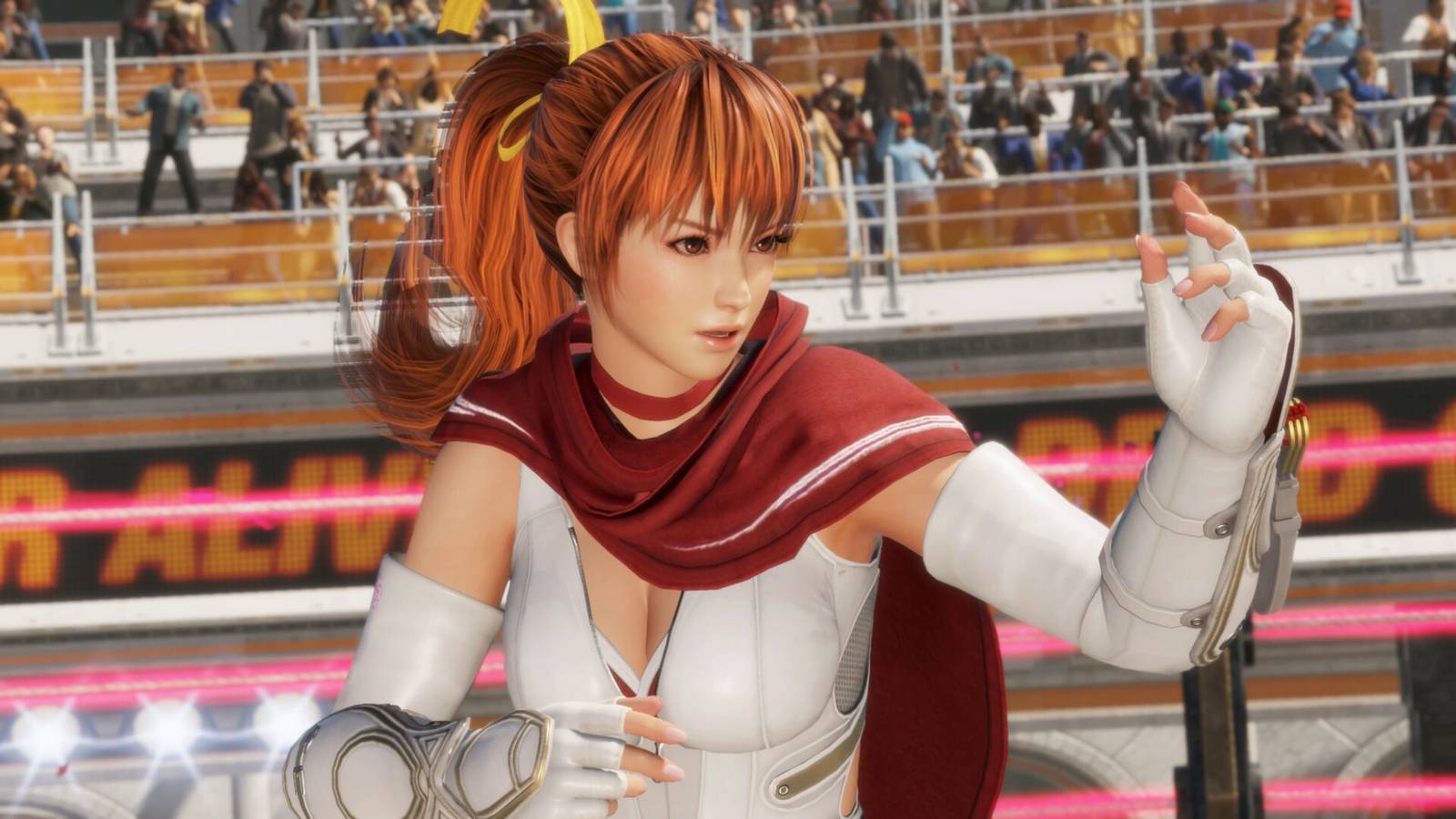
By the time Last Round was announced for a June 2026 release, fans had hoped for a "definitive edition" that would rectify the technical debts and content drought of its predecessor. Instead, the release serves as a repackaged iteration of the 2019 title. It includes the base roster, several previously released DLC characters—such as Nyotengu, Phase-4, Momoji, Rachel, and Tamaki—and a new Photo Mode. Yet, for veterans of the series, the lack of substantial new gameplay modes or engine overhauls makes the package feel less like a celebration and more like a final attempt to monetize an aging product.
The Mechanics: A Solid Foundation in Need of Modernization
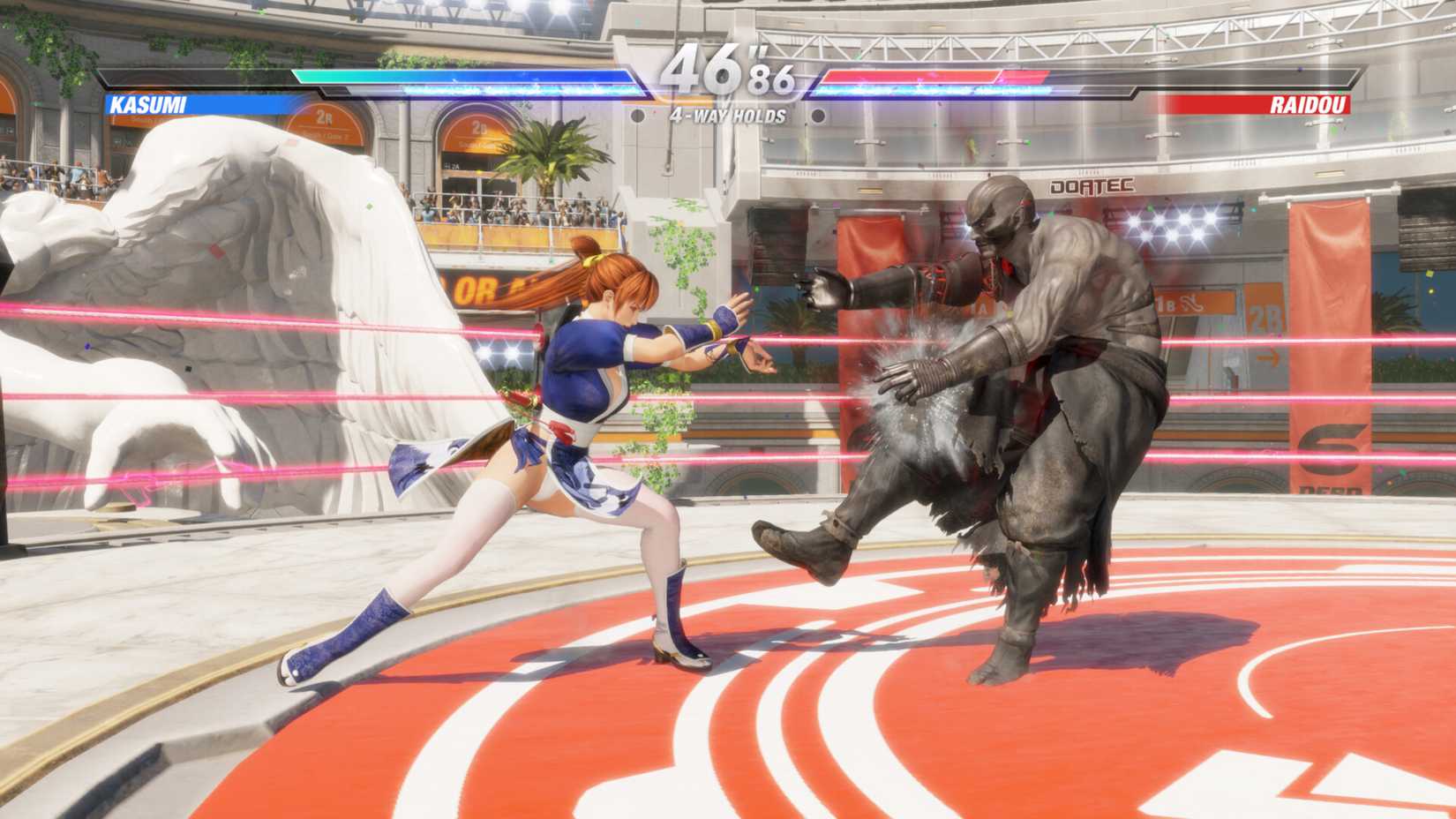
At its core, Dead or Alive 6: Last Round remains a technically sound, albeit dated, experience. The fundamental "Rock-Paper-Scissors" mechanics—where Strikes beat Throws, Throws beat Holds, and Holds beat Strikes—remain as intuitive as ever. This system continues to offer a high skill ceiling for those willing to master the timing of counter-holds, which remains the most satisfying aspect of the franchise’s identity.

However, the game struggles to differentiate its characters in a way that feels meaningful. While the roster boasts a diverse array of martial arts styles, the underlying balance often feels static. Some fighters prioritize speed and agility, while others lean into heavy grapples or power-based striking, but the lack of significant mechanical innovation since 2019 means the meta-game feels stagnant. The "Fatal Rush" system, designed to make the game more accessible to newcomers, still feels like a blunt instrument that rewards button-mashing rather than the tactical, high-stakes decision-making that defined the earlier entries in the series.
A Narrative Experience to Forget
Perhaps the most egregious failure of Dead or Alive 6: Last Round is its Story Mode. While modern fighting games like Mortal Kombat or Street Fighter 6 have set a high bar for cinematic, narrative-driven experiences, the DOA series continues to lean into a disjointed, segmented storytelling style that feels archaic.
The narrative is fractured into various character perspectives, none of which offer a coherent or compelling arc. The pacing is abysmal, frequently interrupted by low-stakes encounters where AI opponents stand idle, effectively waiting for the player to execute a combo. This lack of challenge, combined with a writing style that prioritizes character introductions over plot development, makes the Story Mode a tedious chore rather than a highlight. It is an experience that most players will likely skip entirely, which is a massive missed opportunity for a franchise that has such a colorful, albeit niche, cast of characters.
The "Dressing Room" Dilemma: Paywalls and Customization
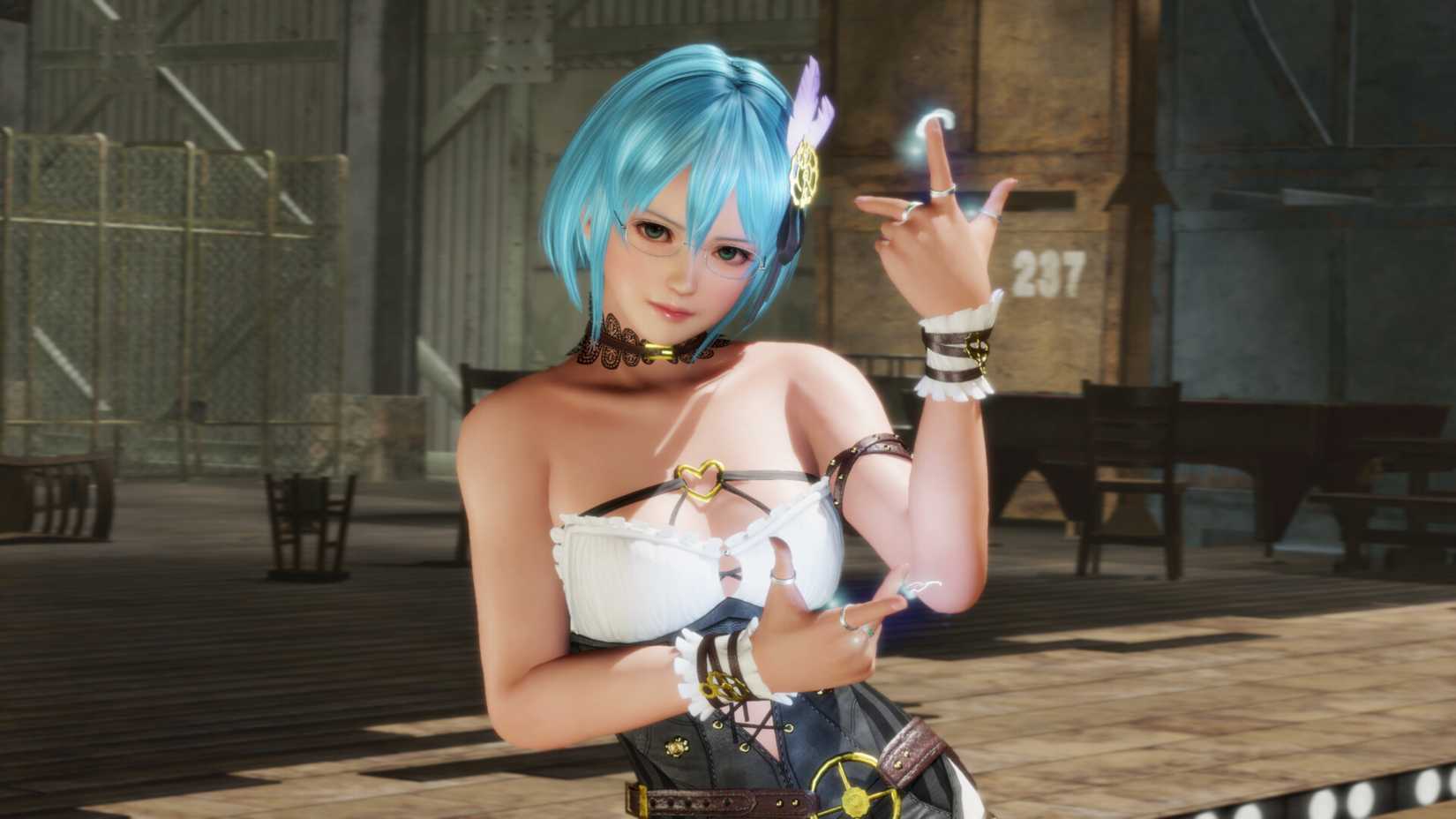
Customization has always been a major pillar of the Dead or Alive experience. In Last Round, players are given a robust suite of tools to alter hairstyles, outfits, and accessories. There is a genuine sense of satisfaction in unlocking these items through in-game currency earned via DOA Quests.
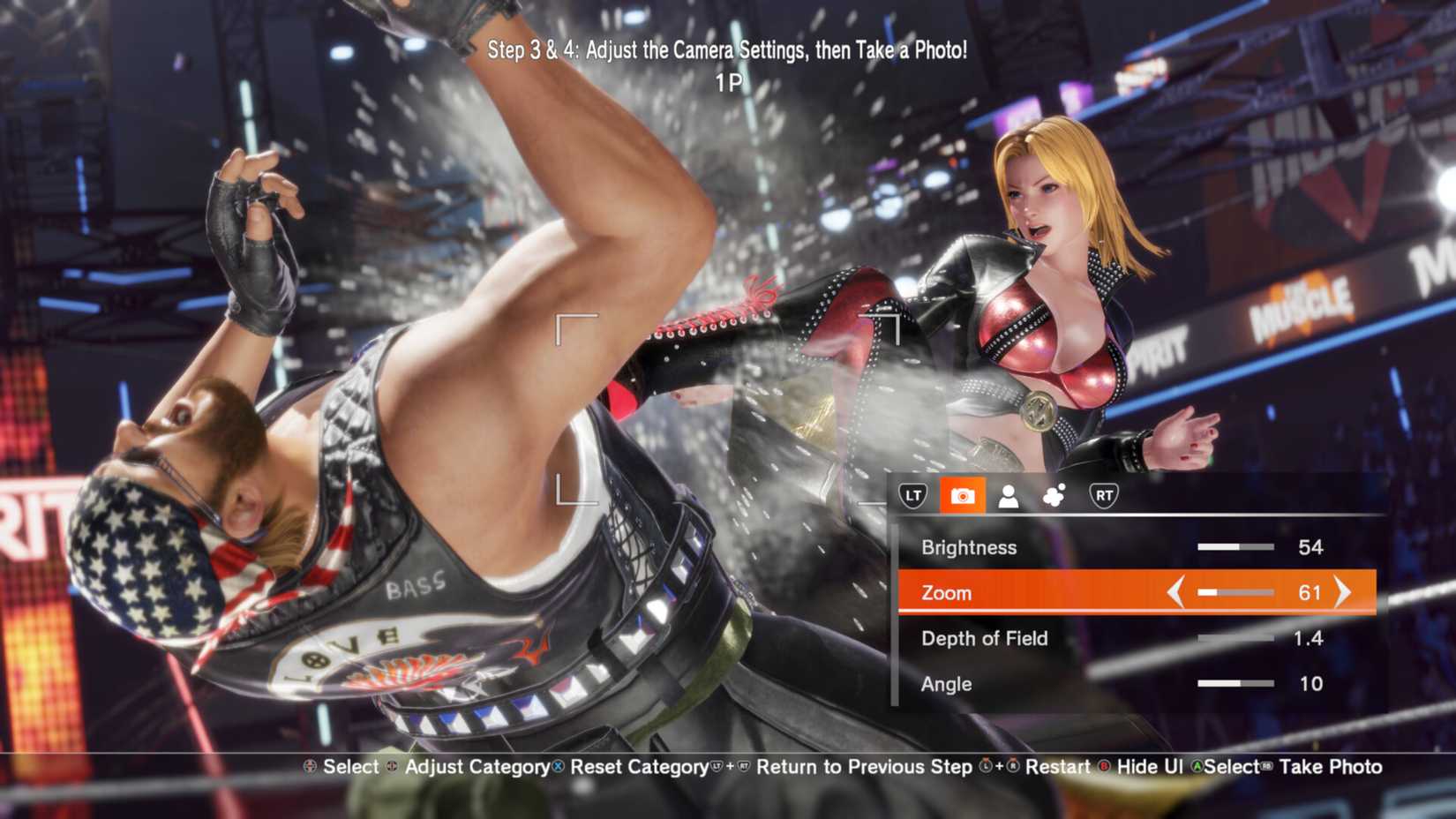
However, this is quickly dampened by the realization that a significant portion of the most desirable content—including seasonal outfits for Halloween, summer, and winter—remains locked behind persistent paywalls. In an era where players expect a "complete" package when purchasing a re-release, the continued reliance on aggressive microtransactions for cosmetic items feels predatory. For a title that already struggles with a dated UI and a lack of fresh content, the monetization strategy feels like a relic of a bygone era, further alienating a player base that is increasingly wary of such practices.
Implications for the Franchise
The implications of Dead or Alive 6: Last Round are clear: the series is at a crossroads. By choosing to repackage an aging title rather than investing in a true sequel, Koei Tecmo is signaling a lack of confidence in the brand’s current trajectory. While the game provides a stable platform for competitive play, it fails to offer the "hook" necessary to draw in a new generation of fighting game fans who are currently occupied by the likes of Tekken 8 or the Street Fighter series.
The professional fighting game community has largely turned its back on the franchise, citing the lack of robust netcode improvements and the stagnant nature of the gameplay. Without a significant technological leap—such as a transition to a new engine or a fundamental overhaul of the combat system—Dead or Alive risks fading into obscurity. The inclusion of a Photo Mode, while a nice addition, does little to address the core issue: the game is not evolving.
Official Responses and Industry Context
Koei Tecmo has maintained that Last Round is intended to provide a comprehensive entry point for new players. In official statements, the developers have highlighted the inclusion of the 29-character roster as a major value proposition. However, when compared to the industry standard for "definitive" editions, the lack of new stages, expanded move sets, or a revamped UI is glaring.
Industry analysts suggest that the decision to release Last Round may be a low-cost attempt to maintain brand presence while the development team shifts focus toward other projects. However, this strategy carries the risk of damaging the long-term reputation of the DOA IP. When a franchise stops innovating, it stops being relevant, and Last Round serves as a sobering example of this reality.
Conclusion: A Final Verdict
Dead or Alive 6: Last Round is a paradox. It is a technically proficient fighter that remains fun to play in short bursts, yet it is trapped in the shadow of its own history. The mechanics are solid, the character models are polished to a high sheen, and the core "counter-hold" system remains a highlight of the genre. But when you look past the surface, you find a game that is hollow.

With a dreadful story mode, a lack of meaningful new content, and a monetization strategy that feels stuck in 2019, Last Round is difficult to recommend to anyone but the most ardent series loyalists. It is a package that feels dated, uninspired, and disconnected from the modern fighting game landscape. Unless Team Ninja decides to take a bold, innovative leap with a seventh entry, Dead or Alive may find itself remembered only for its past, rather than its future. For now, this is a game for the fans who simply aren’t ready to let go—but it isn’t the revival the franchise so desperately needs.


 Asro
Asro
 Muslim