In the vast, interconnected tapestry of the DC Universe, few characters occupy a space as liminal and haunting as Boston Brand. As Deadman, he is a figure defined by his absence of life and his persistent, restless presence among the living. With the launch of the new The Deadman series, writer W. Maxwell Prince and artist Martin Marazzo have not merely revived the character; they have reinvented the possibilities of the supernatural genre within the mainstream comic landscape.
Following a compelling debut, The Deadman #2 arrives as a definitive statement of intent. It is a work that balances the weight of spiritual existentialism with the kinetic, chaotic joy of a classic superhero team-up, cementing its place as a standout title in DC’s current "Next Level" publishing initiative.
Main Facts: The Custodian of Souls
At the heart of the series is Boston Brand’s new, daunting mantle: the "Custodian of All Souls." It is a role that moves him away from his traditional episodic mystery roots and into a grand, cosmic responsibility. In this second installment, the stakes are raised significantly as Brand confronts a sinister threat—mystical entities feeding upon the souls of those destined for the afterlife.
The plot centers on Brand’s search for the Bestiary of Bedlam, an ancient, forbidden tome rumored to contain the true nature of every spirit, demon, and monster in existence. However, the search is complicated by the fact that the original text was destroyed long ago. The only remaining repository of its knowledge is locked within the mind of "The Bibliophile," a villain previously incarcerated by Batman and Deadman.

The narrative device of possession, central to Deadman’s powers, takes a hilarious and unexpected turn here. When Brand is unable to inhabit the mind of the Dark Knight to extract this information, he pivots to the next best candidate: the elastic and unpredictable Plastic Man. The resulting synergy between the somber, ghostly Brand and the rubbery, wisecracking Eel O’Brian provides the emotional and comedic backbone of the issue.
Chronology: A Narrative of Echoes
The pacing of The Deadman #2 is a masterclass in non-linear storytelling. Prince utilizes flashbacks to bridge the gap between the original apprehension of The Bibliophile and the current, high-stakes investigation.
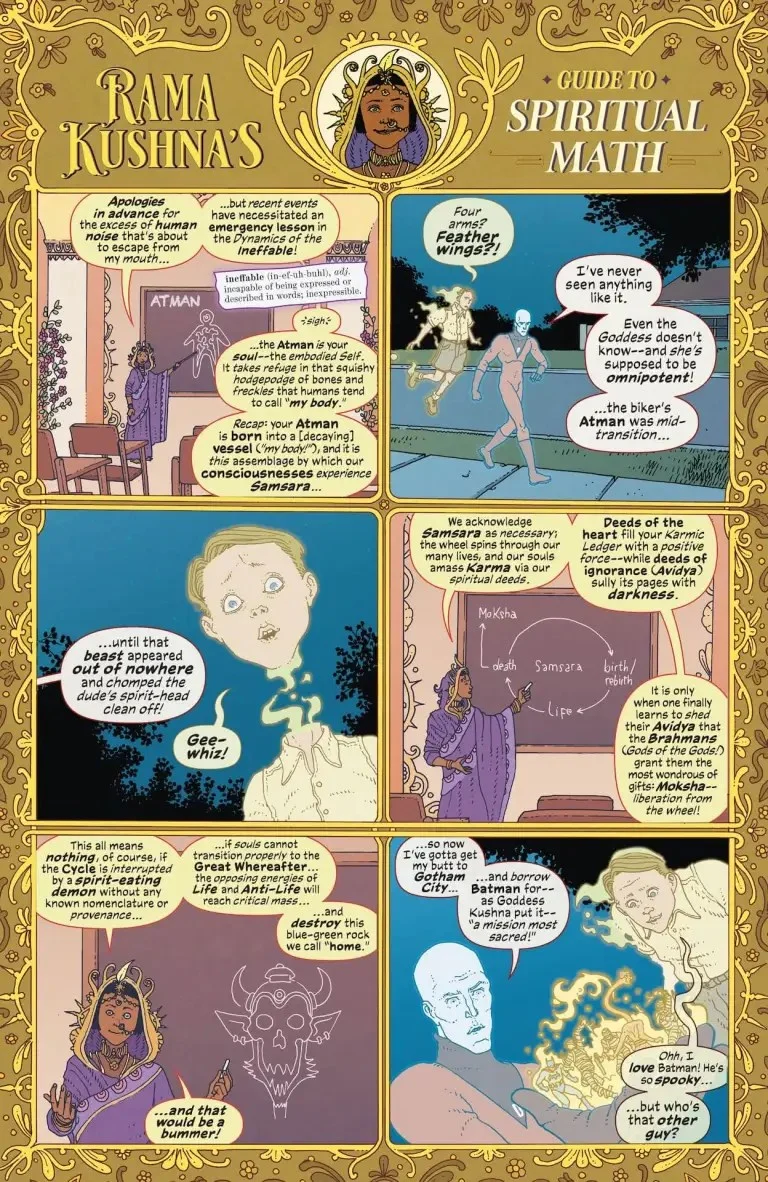
- The Setup: The issue opens with an exploration of "Spiritual Math," a concept introduced by Rama Kushna that frames the afterlife as a quantifiable, yet terrifying, system. This grounding in metaphysical theory establishes the tone immediately.
- The Complication: Deadman’s attempt to infiltrate the mind of Batman serves as a crucial plot point, highlighting the limitations of his abilities and the necessity of his reliance on other heroes.
- The Pivot: The recruitment of Plastic Man shifts the tone from a noir-inspired detective story to a fast-paced, irreverent romp, demonstrating the creative team’s ability to pivot between genres without losing narrative cohesion.
- The Climax: The investigation into the Bibliophile’s psyche, conducted through the vessel of Plastic Man, serves as the issue’s anchor, blending character study with high-concept supernatural action.
Throughout this sequence, the ghost-boy sidekick, Bobby, acts as an essential audience surrogate. His presence allows for exposition that never feels forced, providing necessary context for both veteran readers and those new to the DC mythos.
Supporting Data: The Art of the Mundane
The visual identity of The Deadman is perhaps its most striking feature. Martin Marazzo’s art style has been described as a convergence of Mike Allred’s pop-art sensibilities and the gritty, underground textures of R. Crumb. This choice is deliberate and effective; by rendering the supernatural in a style that feels tactile and occasionally "mundane," Marazzo strips away the polished veneer often found in modern capes-and-tights comics.
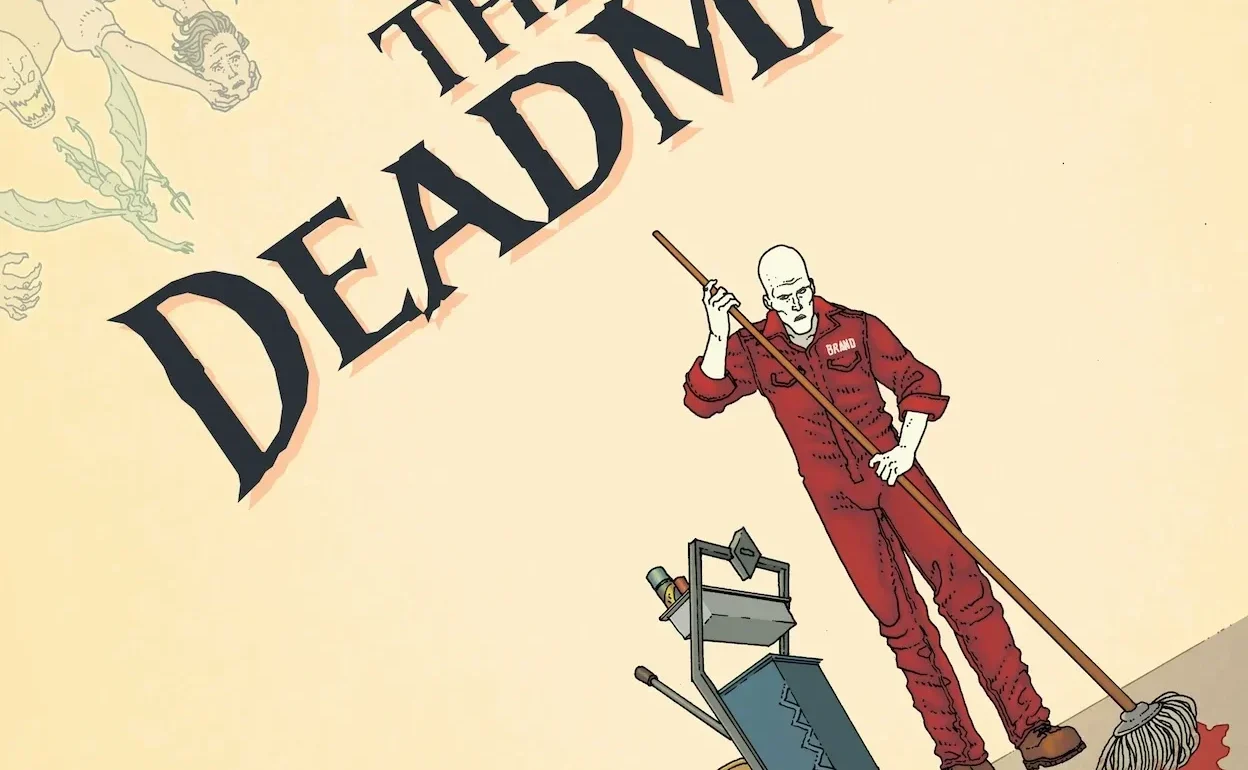
The page layouts are experimental, guiding the reader through the afterlife with a rhythmic quality that mirrors the chaotic nature of Brand’s existence. Marazzo also includes subtle nods to the wider DC canon—most notably a clever, meta-textual homage to Jorge Jimenez’s iconic Batman captions—which serves as a wink to fans while simultaneously reinforcing the book’s place in the larger DC continuity.
Official Perspectives: The "Next Level" Philosophy
DC’s "Next Level" and "All-In" initiatives have been characterized by a mandate of creative freedom. The publisher has effectively given carte blanche to teams like Prince and Marazzo, allowing them to take risks that would typically be relegated to the Black Label imprint.
In interviews, the editorial team has emphasized that the goal of this era is to foster "character-first storytelling." The Deadman #2 is the quintessential example of this philosophy in practice. By allowing a creative team to lean into the inherent "weirdness" of a character like Boston Brand, DC has managed to produce a book that feels dangerous, fresh, and deeply authentic. There is no attempt to force Deadman into a traditional Batman-adjacent role; rather, the creative team has been permitted to define the character on their own terms.
Implications: The Future of the Supernatural
The success of The Deadman #2 carries significant implications for the future of DC’s occult-leaning titles. For years, the supernatural corner of the DC Universe has struggled to find a consistent tone, oscillating between gritty horror and high-fantasy action. Prince and Marazzo have found a third way: the "existential comedy."

The "Don’t Save Your Ideas" Mantra
The writing style in this issue evokes the spirit of Grant Morrison’s legendary runs on Animal Man or Doom Patrol. Prince seems to operate under the "don’t save your ideas" mantra—every page is crammed with new concepts, strange lore, and sharp dialogue. While some critics might argue that the sheer density of ideas risks overwhelming the reader, it is precisely this "over-stuffing" that makes the comic feel so essential. It is a book that respects the reader’s intelligence and demands their full attention.
Broadening the Appeal
By including cameos from established pillars like Batman and Plastic Man, the book manages to bridge the gap between niche supernatural fans and mainstream superhero readers. This cross-pollination is vital. It proves that a "weird" book doesn’t need to exist in a vacuum; it can thrive within the center of the DC Universe while maintaining its unique identity.
A Benchmark for 2026
As we cross the mid-year mark for 2026, it is safe to categorize The Deadman as a serious contender for the most unique comic of the year. The risk for the team is that the story could become too convoluted as it approaches its conclusion, but the foundation laid in these first two issues is incredibly strong.
Final Verdict: Why You Should Care
The Deadman #2 is more than just a superhero story; it is a meditation on mortality, the value of the soul, and the absurdity of the afterlife. It manages to be laugh-out-loud funny in one panel and deeply haunting in the next—a tonal tightrope walk that very few creative teams can execute with such precision.

For the longtime fan, it is a rewarding experience that respects the history of the character while pushing him into uncharted territory. For the newcomer, it is a perfect entry point into a world where the rules are constantly shifting and the stakes are literally universal.
DC Comics has succeeded in creating a title that feels vital. In an industry often dominated by retreads and safe bets, The Deadman stands out as a beacon of creative bravery. It is, without question, a lesson in how to do the afterlife right. If this momentum continues, the series will not only define Boston Brand for a new generation but will also serve as the blueprint for how DC can successfully modernize its legacy characters for the years to come.