Nila Kartika Wati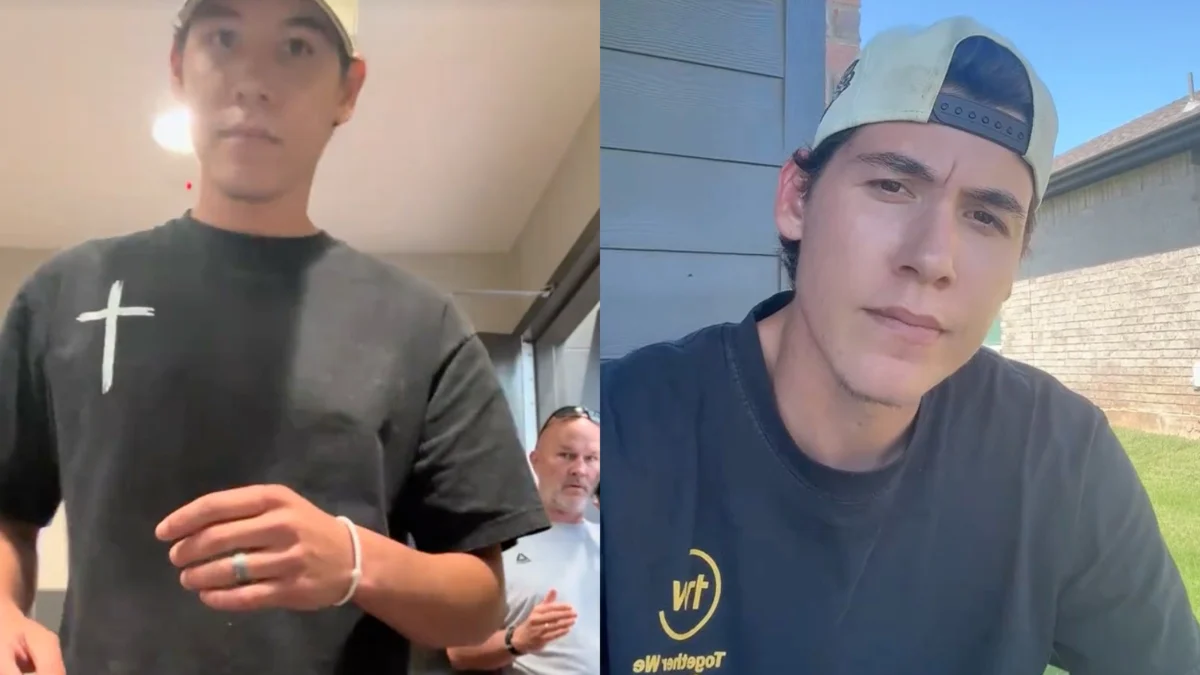
In an era defined by constant surveillance and the immediate global reach of social media, the private moments of ordinary citizens can suddenly become the subject of intense public scrutiny. This was the reality for Tyler Brodsky, an Oklahoma father whose decision to prioritize his daughters’ safety during a road trip led to a heated public confrontation, a police intervention, and a viral phenomenon that ignited a nationwide debate regarding parental rights, public facilities, and the boundaries of social policing.
The Incident: A Routine Stop Becomes a Flashpoint
The incident occurred at a QuikTrip convenience store in Alabama, serving as a rest stop during a long-distance drive back to Oklahoma. For Brodsky, the stop was intended to be a brief interlude in a multi-state journey—a moment to stretch legs and facilitate a bathroom break for his two young daughters.
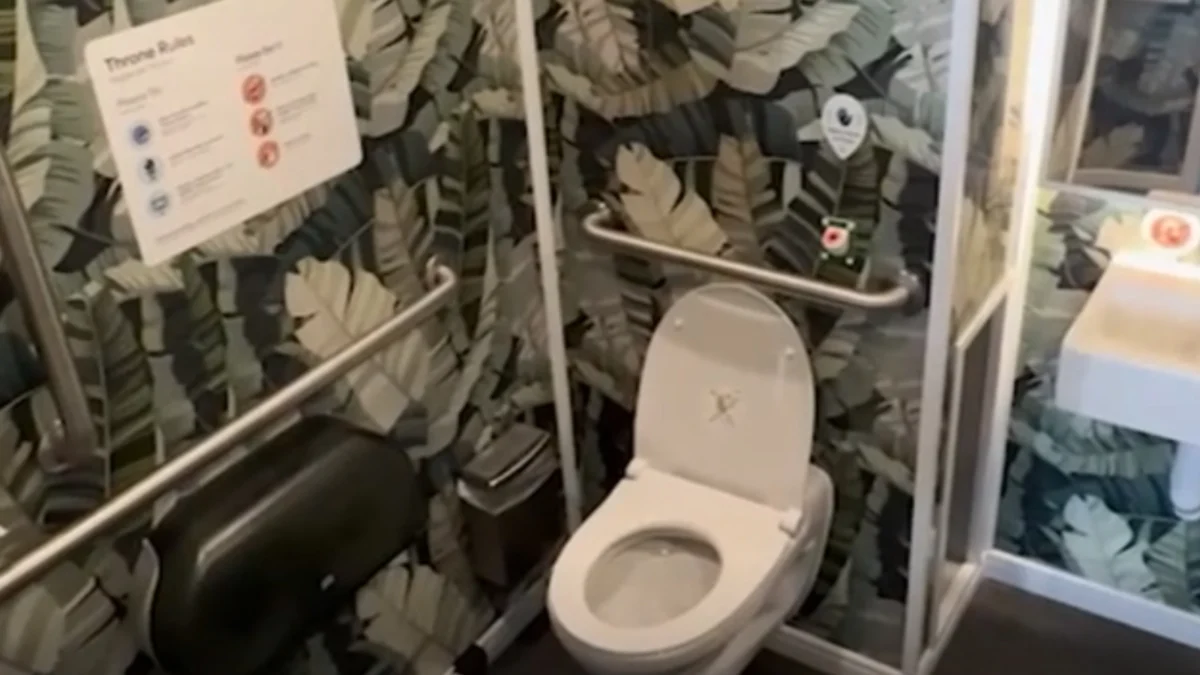
Faced with the common parental dilemma of public restroom access, Brodsky made a choice he deemed the safest option for his children. Rather than escorting his young daughters into a men’s restroom—an environment he described as potentially hazardous due to the presence of adult men and the frequent lack of hygiene—he opted to take them into an empty women’s restroom.
"I’d rather do that than bring two little girls into a men’s bathroom full of grown men and dirty stalls," Brodsky later explained in a TikTok video that has since garnered over 13 million views. This sentiment, while intuitive to many parents, served as the catalyst for a volatile encounter that would eventually involve law enforcement and the broader online community.
Chronology of the Confrontation
The situation escalated rapidly when another customer, later identified as Robert Buckner, noticed Brodsky and his children. According to reports, Buckner’s wife and mother-in-law had allegedly observed a man inside the women’s restroom and alerted him.
What followed was a confrontation that disrupted the tranquility of the rest stop. As Brodsky assisted his daughters at the sink, washing their hands, Buckner entered the restroom area and began filming and verbally accosting the father.
"There is a man with two little girls using the women’s bathroom," Buckner stated while dialing emergency services. "He’s washing his hands with his daughters right now."
The footage captured by Brodsky shows a tense exchange, punctuated by the audible distress of his young daughters, who were crying throughout the ordeal. A QuikTrip employee eventually intervened, closing the restroom door to shield the family from further harassment and apologizing to the father for the disruption. Buckner persisted in his argument, suggesting that Brodsky should have sought out a female employee to escort the girls into the restroom, asserting that the father had "no business" being inside the facility.
Law Enforcement Intervention and the Verdict of Safety
The arrival of local law enforcement brought a definitive end to the immediate confrontation. According to Brodsky, three police officers responded to the scene, conducted a thorough assessment of the situation, and interviewed the parties involved.
The officers ultimately determined that Brodsky had committed no violation of the law. "The officers let me know I was OK, I didn’t do anything wrong," Brodsky stated in a follow-up video. He emphasized the perspective of the officers, noting that bringing young girls into a men’s restroom could be interpreted as just as problematic—if not more so—than a father accompanying his children into a women’s facility.
The officers’ response went beyond mere exoneration; they took active steps to ensure the well-being of the children. "The officers came, talked to my girls, and made sure they felt safe," Brodsky said. "They put a good image of police officers for my girls growing up."
In a decisive move to restore order, the officers asked Buckner to leave the premises. The store staff also showed their support, providing the shaken children with free frozen drinks, a gesture that Brodsky cited as a moment of genuine kindness in the wake of the hostility.
Digital Accountability and Professional Consequences
The incident did not conclude with the police report. As the video circulated on social media, it became a subject of intense investigative work by online sleuths. Users quickly identified the man filming the video as Robert Buckner.
Social media sleuthing led users to a digital profile—which was subsequently deleted—that linked Buckner to a company called Overstreet Properties. The fallout was swift. As the video amassed millions of views and the identity of the individual became widely known, the company faced significant pressure to address the conduct of their affiliate.
In a formal statement released via Instagram, Overstreet Properties addressed the controversy directly. "The conduct depicted in the video does not reflect the values of Overstreet Properties or the standards we expect of those who represent our organization," the company stated. They confirmed that Buckner was a former independent contractor and clarified that his actions were entirely unrelated to his professional duties. Most significantly, the company announced that Buckner was "no longer associated with Overstreet Properties," effectively distancing themselves from the viral controversy.
The Broader Implications: The "Parenting Gap" in Public Spaces
The viral nature of this incident highlights a significant, often overlooked challenge for parents and caregivers in the United States. Brodsky’s experience struck a chord with millions of viewers because it touches upon the inherent difficulties of navigating public infrastructure that is often binary in design, while family structures are increasingly varied.
1. The Lack of Family-Inclusive Facilities
The incident underscores the growing demand for gender-neutral, single-occupancy family restrooms. Many retail chains and public buildings still rely on traditional gender-segregated facilities that do not account for single parents, fathers with daughters, or mothers with sons who have reached an age where they are no longer comfortable in the opposite-sex restroom. The lack of these facilities forces parents into the "lesser of two evils" scenarios that Brodsky described.
2. The Dangers of Vigilante Policing
The confrontation also raises questions about the trend of "social policing" in public spaces. In an age of smartphones, individuals are increasingly likely to take it upon themselves to enforce perceived social norms or laws without full context. As evidenced by this case, such intervention can lead to the traumatization of children and the potential for physical escalation, even when the underlying behavior is harmless or protective in nature.
3. The Digital Aftermath
The speed with which the public identified the customer and the subsequent termination of his professional association demonstrate the "cancel culture" mechanism in action. While the incident resulted in a loss of livelihood for the individual involved, it also serves as a stark warning about the permanence and reach of digital footprints. Actions taken in a moment of anger can have profound, long-term professional consequences that transcend the immediate setting of a gas station restroom.
Conclusion: A Shift in Perspective
In the aftermath of the event, Brodsky has been vocal about the larger message he hopes the public takes away from his experience. "This isn’t about one argument in a gas station," he noted. "It’s about the fact that parents are often put in situations that aren’t comfortable. We’re simply trying to take care of our children and keep them safe."
The incident at the Alabama QuikTrip serves as a microcosm of contemporary American social life. It bridges the gap between the mundane realities of parenting and the complexities of modern social behavior. As society continues to grapple with these issues, the story of Tyler Brodsky and his daughters stands as a testament to the need for greater empathy, better infrastructure, and a more nuanced understanding of what it means to protect children in public spaces. The viral reach of his story has ensured that the conversation around "parenting in public" is one that will continue to evolve, hopefully leading to more accessible and inclusive environments for families across the country.

 Asep Darmawan
 Layla Zulfa