Evan Lee Salim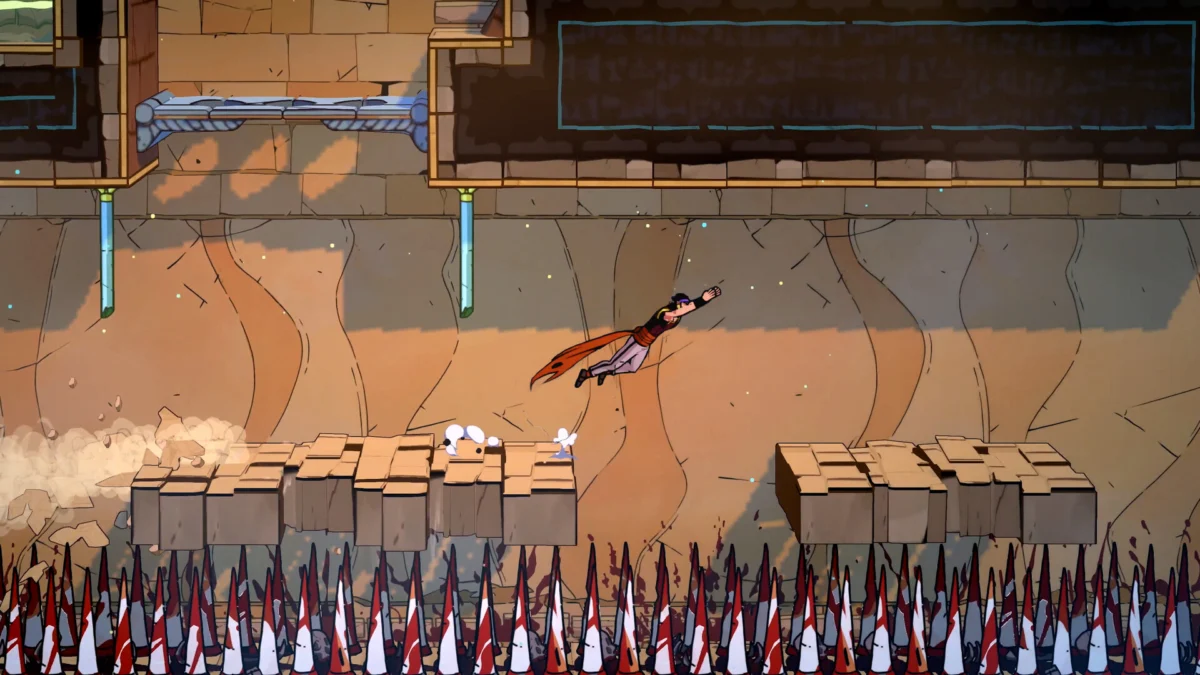
After two decades of fluctuating critical reception and long periods of silence, the Prince of Persia franchise has finally reclaimed its throne. Following years of uncertainty, the series has found a revitalized identity by returning to its roots, albeit with a modern, high-octane twist. The Rogue Prince of Persia is not merely a nostalgia trip; it is a sophisticated marriage of fast-paced roguelite progression and the fluid, acrobatic platforming that originally defined the series in the late 1980s and early 1990s.
For fans who have weathered the series’ tumultuous transition from 2D pixel art to 3D spectacle and back again, this latest entry represents a triumphant homecoming. By embracing the roguelite genre, developer Evil Empire has crafted an experience that turns the frustration of failure into a compelling narrative hook.
The Chronology of a Comeback: From Sands to Roguelites
The history of Prince of Persia is a tale of two eras. Jordan Mechner’s 1989 original masterpiece established the cinematic platformer genre, emphasizing realistic animation and lethal traps. The subsequent Sands of Time trilogy in the mid-2000s cemented the franchise as a 3D powerhouse, introducing time-manipulation mechanics that became synonymous with the brand. However, as the 2010s progressed, the series entered a protracted dormancy, leaving fans to wonder if the Prince would ever see a resurgence.
The turning point arrived with the recent pivot toward 2D design. While The Lost Crown paved the way for a modern Metroidvania revival, The Rogue Prince of Persia takes a different, more experimental path. By shifting the focus toward the "roguelite" loop—where death is an inevitable, recurring state—the developers have successfully updated the series’ core tenets. The game launched into early access, serving as a masterclass in how a heritage franchise can adapt to modern mechanical trends without sacrificing the soul of its gameplay.
The Mechanics of Momentum: Why Movement Matters
At the heart of The Rogue Prince of Persia is an unparalleled sense of motion. The game’s greatest strength lies in its kinetic energy; wall running, air dashing, and sliding through hostile architecture feels fluid, responsive, and, above all, satisfying. In many 2D action games, movement is merely a means to get from point A to point B. Here, movement is the primary weapon.
The game encourages players to view the environment as an extension of their arsenal. Mastering the Prince’s acrobatic repertoire allows players to navigate traps and enemy formations with an effortless grace that feels like a choreographed dance. Once the control scheme clicks, the game transforms from a difficult challenge into a rhythmic flow state, where the player feels perfectly in sync with the Prince’s every action.

Narrative Through Iteration: Rewriting the Failure Loop
One of the most persistent criticisms of the roguelite genre is that repeated deaths can feel like a waste of time. The Rogue Prince of Persia addresses this by weaving the narrative directly into the mechanics of failure.
In this iteration, the Prince possesses the unique ability to rewind time upon death. Rather than simply resetting the level, each demise provides the protagonist—and the player—with more information. The mystery behind the Hunnish invasion of the kingdom is unveiled piece by piece through these successive, failed attempts. As players unlock new story paths, areas, and objectives, the game shifts the perspective from "losing a run" to "uncovering a clue." This design choice ensures that every failure feels like a tangible step toward a broader understanding of the game world, significantly reducing the "grind" fatigue common in similar titles.
Combat Dynamics: Precision Meets Aggression
Combat in The Rogue Prince of Persia is a masterclass in variety. Eschewing the "button-mashing" approach found in lesser titles, the game demands tactical awareness. The Prince can wield a diverse array of weapons, ranging from standard blades to specialized tools, each boasting distinct attack patterns, critical hit triggers, and utility-based special abilities.
The game heavily incentivizes aggressive play. By utilizing the environment—kicking enemies into spikes or maneuvering them into traps—players are rewarded for creativity over brute force. For those who prefer the speed and technical finesse of high-tier action games over the "bulk" and heavy stamina management of other Metroidvanias, the combat feels perfectly calibrated. It is responsive, punishing enough to matter, but forgiving enough to encourage constant experimentation with new equipment loadouts.
Balancing Accessibility and Depth
The roguelite progression system is thoughtfully balanced to serve both casual players and those looking for a deep, long-term experience. Permanent upgrades via skill trees ensure that even players struggling with mechanical dexterity can see steady progress.
However, this accessibility has sparked a conversation regarding difficulty. Compared to genre staples like Dead Cells or Hades, The Rogue Prince of Persia is arguably more approachable. Some veteran players may find the campaign length shorter than expected, or the challenges less daunting than the most punishing entries in the genre. While this "easier" threshold may be viewed as a drawback by some, it serves to open the game up to a wider audience, ensuring that the focus remains on the joy of the movement and the beauty of the world rather than mere frustration.

Aesthetics and Auditory Excellence
Visually, the game is a triumph of art direction. Moving away from the realistic palettes of the Sands of Time era, this title adopts a bold, vibrant, and highly stylized aesthetic that feels both fresh and uniquely "Prince of Persia." The color saturation and character design evoke a painterly, almost graphic-novel quality that stands out in a crowded market of indie titles.
This visual flair is matched by an energetic, genre-defying soundtrack. By blending traditional Persian musical motifs with modern, pulse-pounding electronic beats, the game’s audio landscape creates a sense of urgency that complements the rapid-fire gameplay. The result is an immersive environment that feels cohesive, memorable, and distinct.
Implications for the Future of the Franchise
The Rogue Prince of Persia acts as a vital proof-of-concept for the future of the series. It demonstrates that the franchise does not need to chase massive, triple-A 3D budgets to remain relevant. By leaning into the "less is more" philosophy of 2D gameplay, Evil Empire has created a sustainable, highly replayable framework that can grow through future updates, patches, and content drops.
The implications for Ubisoft and the wider industry are clear: legacy IP is often best served by respecting the original mechanics that built the brand while allowing talented developers to iterate on them within modern genres. If this is the new standard for the Prince, the future of the series is brighter than it has been in twenty years.
While it may not offer the infinite, grueling challenge that some roguelite purists demand, it succeeds in doing exactly what it sets out to do: make the player feel like a master of time and space. For those who have been waiting for the Prince to return to his acrobatic roots, the wait is officially over. The throne is occupied, and the gameplay has never felt better.

 Sagoh
Sagoh
 Ammar Sabilarrohman