Dwi Wanna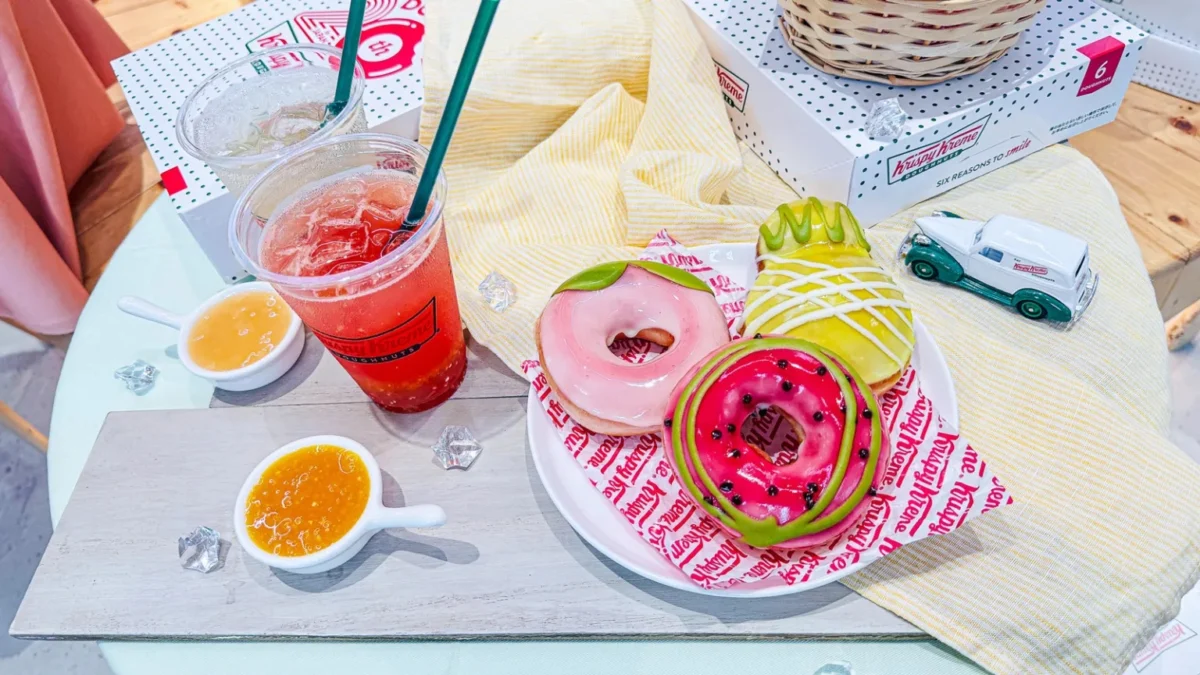
As the sweltering heat of the Japanese summer settles in, Krispy Kreme Japan has once again demonstrated its mastery of seasonal confectionary. Known for their ability to blend iconic American doughnut traditions with the delicate, nuanced flavor profiles favored by Japanese consumers, the company has unveiled a trio of limited-edition treats. Launching on June 24, the collection—inspired by watermelon, peach, and pineapple—seeks to capture the essence of the season through vibrant aesthetics and authentic fruit-based glazes.
Main Facts: The Summer Fruit Lineup
The new collection is designed not merely as a dessert, but as a sensory experience that mirrors the refreshing nature of summer harvests. Each of the three doughnuts features a proprietary fruit-infused glaze, meticulously developed to provide a "juicy" sensation that balances the inherent sweetness of the signature Krispy Kreme dough.
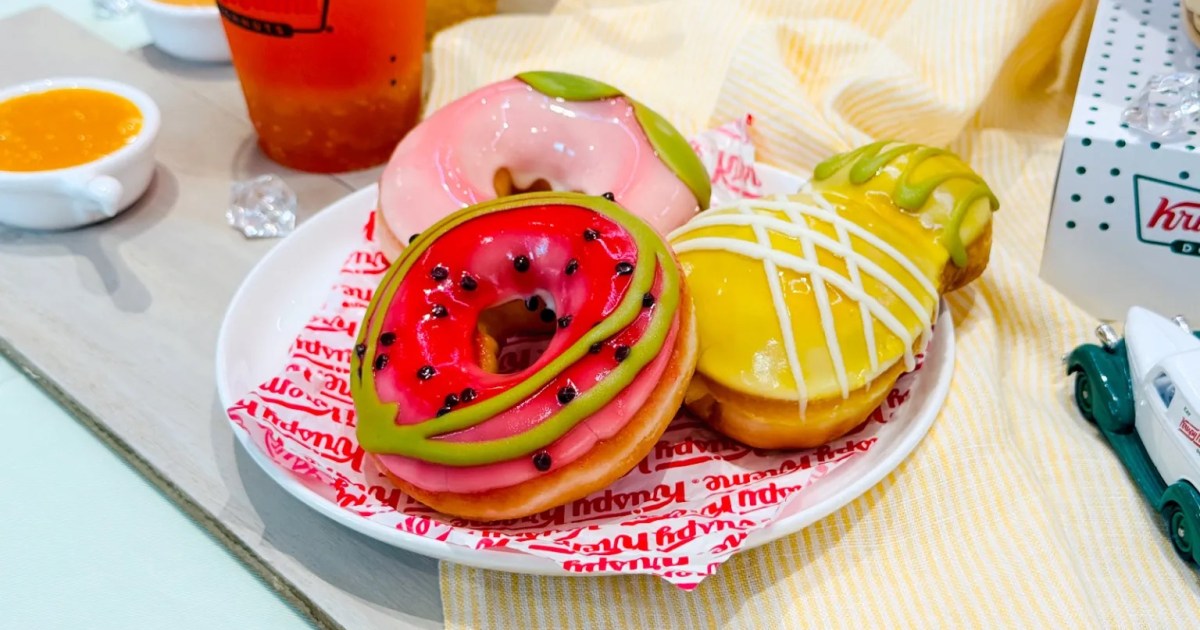
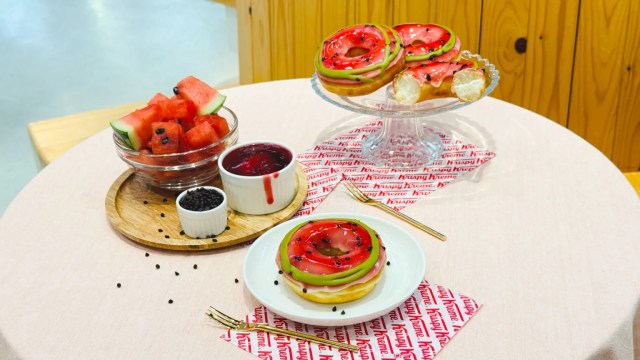
- The Juicy Watermelon: Priced at 356 yen (takeout) and 363 yen (eat-in), this doughnut is a visual marvel. It utilizes a deep-red, glossy watermelon-infused glaze, accented by chocolate chips that function as stylized seeds, and a vibrant green rind-colored coating.
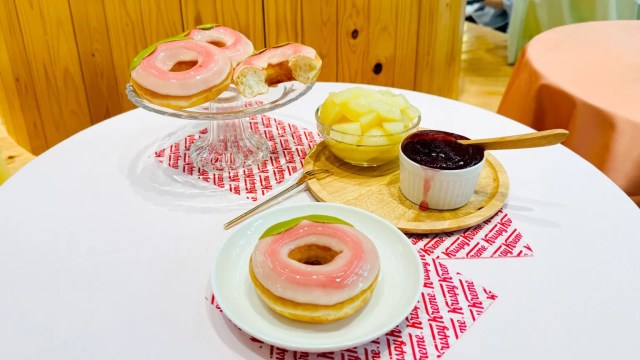
- The Juicy Peach: Also priced at 356 yen (takeout) and 363 yen (eat-in), this offering focuses on the delicate, fragrant profile of Japanese peaches. It is finished with a leaf-shaped garnish to enhance its resemblance to the fruit.
- The Pineapple Cream: Priced at 378 yen (takeout) and 385 yen (eat-in), this creation is the most decadent of the three. Shaped to evoke the aesthetic of a digital emoji, it is stuffed with a rich, tropical pineapple-infused cream that provides a distinctively summery, tangy finish.
Chronology of the Release
The strategic rollout of these products highlights Krispy Kreme’s precise approach to seasonal marketing.
- June 24: The official launch date across all participating Krispy Kreme Japan locations. This timing coincides with the onset of the Japanese rainy season’s end and the transition into high-summer, a period where consumers gravitate toward lighter, fruit-forward flavors.
- July 14: The conclusion of the availability period for the Pineapple Cream. Its shorter shelf-life on the menu creates a sense of "urgency" for consumers, a common tactic in Japanese retail known as gentei (limited-time) marketing.
- August 20: The final day for the Watermelon and Peach varieties. This timeline ensures that the flavors remain available through the height of the Obon holiday season, during which family gatherings and gifting are at their peak.
Supporting Data: Tasting and Texture Analysis
In an effort to determine if the visual artistry translates to the palate, a sensory analysis was conducted upon the product launch. The findings indicate a sophisticated level of culinary engineering.
The Juicy Watermelon doughnut proved the most impressive in terms of olfactory authenticity. Upon the first bite, the aroma mimics the crisp, clean scent of fresh watermelon, a feat difficult to achieve in a baked good. The texture of the glaze, combined with the underlying yeast dough, creates a "clean" finish that prevents the sugar content from becoming cloying.
The Juicy Peach offers a more nuanced, "sweet-and-tangy" experience. Unlike the watermelon, which leans into the refreshing aspect of the fruit, the peach iteration leans into the "dessert" aspect, pairing well with the cream-based fillings often found in Japanese pastry.
The Pineapple Cream represents a departure from the glaze-focused designs of its counterparts. By utilizing a cream-filled center, it introduces a textural contrast—the softness of the dough against the viscosity of the pineapple filling. This makes it the most "substantial" of the three, catering to those who prefer a more indulgent treat.
Official Recommendations and Serving Suggestions
Krispy Kreme Japan has offered a specific serving suggestion for this collection: The Chilled Experience.
By storing the doughnuts in a refrigerator for approximately 30 to 60 minutes before consumption, the fruit-based glazes firm up. This process does two things: it provides a refreshing, cool temperature ideal for a humid Japanese summer, and it intensifies the concentration of the fruit flavor. When the glaze is chilled, the "juiciness" is perceived more sharply by the tongue, as the sugar-to-fruit ratio feels more balanced against the cold, firm dough.
Implications for the Japanese Seasonal Market
The success of this campaign carries broader implications for the global bakery industry. Krispy Kreme Japan’s strategy reflects a deep understanding of the "Instagrammable" culture that dominates modern food retail. By designing a doughnut that looks like a literal slice of watermelon or a digital pineapple emoji, they satisfy the consumer’s need for social media content while simultaneously providing a high-quality product.
Furthermore, the collaboration between global brands and local flavor profiles is a cornerstone of the Japanese food economy. By utilizing specific fruits—peach, watermelon, and pineapple—the company is tapping into the Japanese consumer’s preference for "seasonal fruits," which are often treated as luxury or celebratory items.
Competitive Landscape
The market for summer-themed refreshments in Japan is highly competitive. During this same window, industry giants like Starbucks Japan often release fruit-based frappuccinos and lattes. The symbiotic relationship between these major chains—where a consumer might purchase a doughnut from Krispy Kreme and pair it with a seasonal peach beverage from a nearby café—creates a "fruit-focused ecosystem" that drives foot traffic to retail centers and shopping districts.
Future Outlook
As climate patterns shift and summers in Japan continue to see record-breaking temperatures, the demand for "refreshing" sweets will likely continue to grow. Krispy Kreme’s move to incorporate authentic fruit juices into their glazes is a direct response to a more health-conscious and quality-focused consumer base. While these remain "treats" rather than health foods, the focus on authentic flavor profiles—rather than synthetic, artificial sugars—is a positive trajectory for the brand.
Conclusion
The limited-edition summer collection from Krispy Kreme Japan is a masterclass in seasonal product development. By successfully balancing the playful, aesthetic demands of the modern consumer with the high-quality, authentic flavor profiles expected of the Japanese market, the brand has created a compelling reason for customers to visit their stores before the August 20 cutoff.
Whether one chooses the crisp, refreshing notes of the Watermelon, the elegant tang of the Peach, or the tropical decadence of the Pineapple, the experience serves as a reminder of how food can define the fleeting nature of a season. For those seeking the ultimate summer indulgence, the recommendation is clear: purchase, chill, and enjoy—perhaps with a side of seasonal fruit tea to complete the experience.


 Neng Nana
 Asro
Asro