Basiran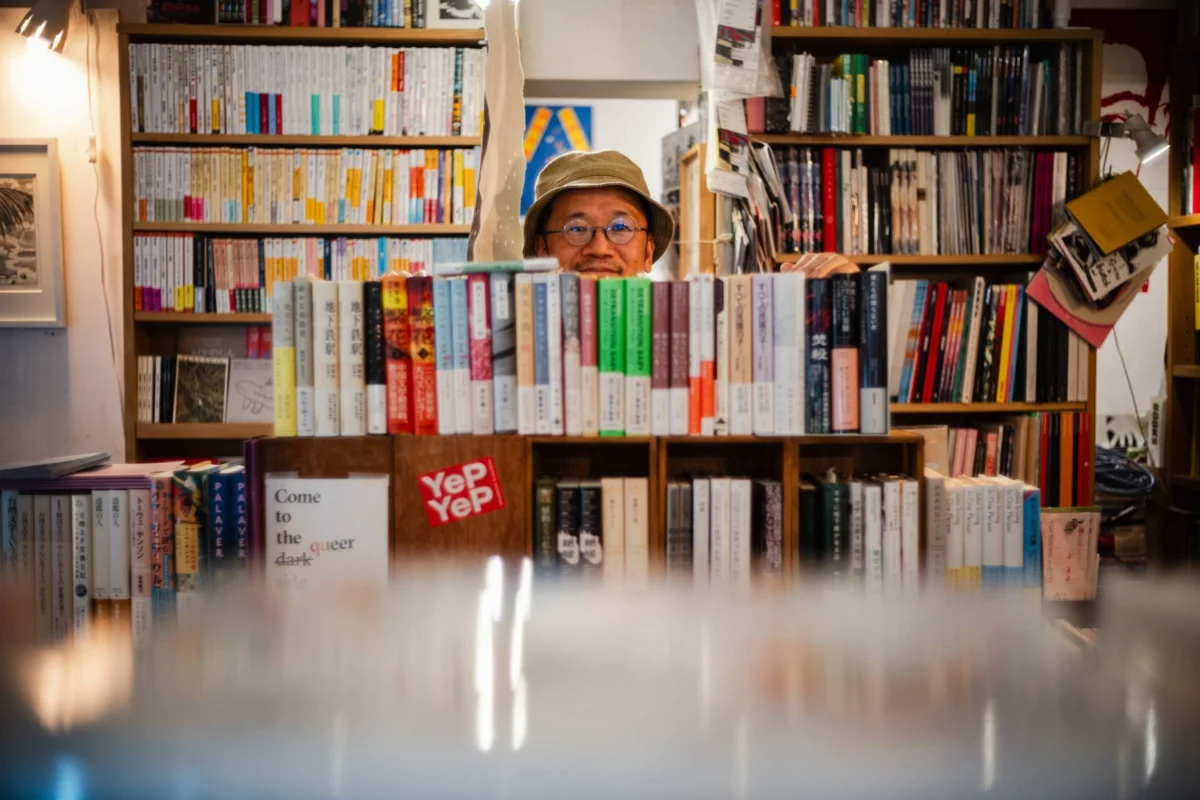
Despite its evocative and melancholic name, Loneliness Books is far from a place of isolation. Nestled in the quiet, residential neighborhood of Higashinakano in Tokyo’s Nakano Ward, the bookstore serves as a vibrant nexus for connection. Since finding its permanent home in August 2024, the shop has evolved into a sanctuary for readers, writers, activists, and the LGBTQ+ community, proving that the most profound encounters often happen in the quietest corners.
The Genesis of a Sanctuary: A Chronology of Loneliness Books
The story of Loneliness Books is one of evolution—a journey from a nomadic vision to a physical anchor.
The Nomadic Beginnings (Pre-2024)
Before establishing a brick-and-mortar storefront, Yo Katami, the bookstore’s founder, operated primarily as a pop-up entity. Katami traveled across Japan and throughout various cultural hubs in Asia, setting up temporary displays at literary fairs, community art events, and queer festivals. These early years were defined by agility; Katami carried a curated selection of literature that served as a traveling library, introducing queer narratives to audiences who might not otherwise have access to such specific resources.
The Higashinakano Milestone (August 2024)
In August 2024, Katami made the strategic decision to plant roots in Higashinakano. The choice of location was intentional; while areas like Shinjuku Ni-chome are famous for their concentration of queer bars and nightlife, the desire for a "third space"—one that does not center on alcohol or nightlife—was growing. Loneliness Books filled this void, offering a daytime environment where the focus remained strictly on the intellectual and emotional exchange fostered by literature.
Continued Outreach
Even with a permanent address, the "nomadic spirit" of the store remains. Katami continues to participate in literary fairs and community pop-ups, ensuring that Loneliness Books remains connected to the broader regional queer ecosystem. This dual approach—a stable home base combined with active, external engagement—has solidified the store’s reputation as both a local neighborhood fixture and a regional cultural touchstone.
Curating the Queer Experience: Supporting Data and Inventory
The collection at Loneliness Books is a testament to the diversity of the queer experience. It houses thousands of items, ranging from mainstream novels and manga to niche, independent zines and art books.
A Broad Spectrum of Thought
The bookstore is categorized not just by genre, but by thematic relevance to contemporary social issues. Its shelves are heavy with works concerning:
- Queer Theory and History: Foundational texts and contemporary essays on the evolution of gender and sexuality in East Asia.
- Political Discourse: Literature exploring the intersection of LGBTQ+ rights, labor, and systemic reform.
- Environmentalism: A growing section dedicated to eco-criticism from a queer perspective.
- Independent Publishing: A massive collection of zines, which Katami highlights as the "heartbeat" of the store, allowing for raw, unfiltered voices to be heard.
Trending Titles and Cultural Impact
The shop’s inventory often mirrors the shifting cultural landscape of Japan. Katami notes that recent high-profile media, such as the second season of Netflix’s reality TV sensation The Boyfriend, has driven significant interest in queer media.
"We see a direct correlation between what is happening in the mainstream and what people want to explore more deeply," Katami explains. For instance, a zine by Hiroya, a participant in The Boyfriend, has become a sought-after item, as have the essay collections of writers like Osamu Onuma, whose work offers critical analysis of the queer communities across Japan and South Korea. These titles serve as gateways; they draw in readers through the familiarity of pop culture and encourage them to delve into the more academic or activist-oriented texts on the shelves.
The Philosophy of the Name: An Official Perspective
The moniker "Loneliness Books" often surprises visitors who find the shop bustling with conversation. However, the name is deeply personal to Yo Katami.

The Influence of Akira the Hustler
The naming process was collaborative. During the conceptualization phase, Katami consulted with the renowned artist and activist Akira the Hustler. Katami admits that his own personality leans toward the solitary; he finds comfort in the quiet contemplation that books provide.
"I live a solitary life," Katami says. "I think many of us in the community do, even when we are surrounded by others. We feel the weight of social expectations and the distance that creates."
Akira the Hustler, known for work that challenges traditional notions of identity and performance, suggested the name as a way to reclaim the concept of solitude. Rather than viewing loneliness as a negative, the shop reframes it as a state of independence and personal reflection—a prerequisite for truly engaging with the stories of others. In this light, the bookstore is not an escape from loneliness, but a celebration of it: a place where individual, solitary experiences are validated and shared.
Implications for the Future of Queer Spaces in Tokyo
The success of Loneliness Books offers significant implications for urban planning and community development within Tokyo.
Moving Beyond the "Nightlife" Model
For decades, LGBTQ+ visibility in Tokyo was largely sequestered in specific nightlife districts. Loneliness Books represents a shift toward "daytime visibility." By providing a space that is accessible during the day, family-friendly, and intellectually rigorous, the bookstore helps normalize queer existence in the context of everyday life. It turns the "queer experience" from a nightlife excursion into a standard component of the neighborhood’s social fabric.
The Role of Intellectual Hubs
In an era characterized by both an overwhelming flood of digital misinformation and an increasing sense of social fragmentation, the role of physical, curated spaces is becoming more critical. Loneliness Books serves as a filter—a place where the information is curated by someone with a deep understanding of the community’s needs.
Challenges and Sustainability
Despite its success, the bookstore faces the same challenges as any independent retail venture in a rapidly shifting economy. The reliance on physical foot traffic and the ongoing costs of maintaining a space in a central Tokyo ward require constant innovation. Katami’s commitment to pop-up events and collaborative partnerships is not just a passion project; it is a vital business strategy to ensure the bookstore’s longevity.
Conclusion: A Living Library
Loneliness Books is more than a commercial enterprise; it is an act of defiance against the erasure of queer narratives. By creating a physical space where these stories can be held, read, and discussed, Yo Katami has established a vital link in the chain of Tokyo’s cultural history.
As the store continues to grow, it serves as a reminder that the most profound connections are often the ones we choose to make in the quietest, most deliberate ways. Whether it is a reader discovering a zine that perfectly encapsulates their own experience, or a local resident stopping by to browse the politics section, Loneliness Books ensures that no one who enters its doors is ever truly alone.
For those looking to engage with the community beyond the screen, the doors in Higashinakano remain open—inviting everyone to join the conversation, one book at a time.


 Neng Nana
 Asro
Asro