Nila Kartika Wati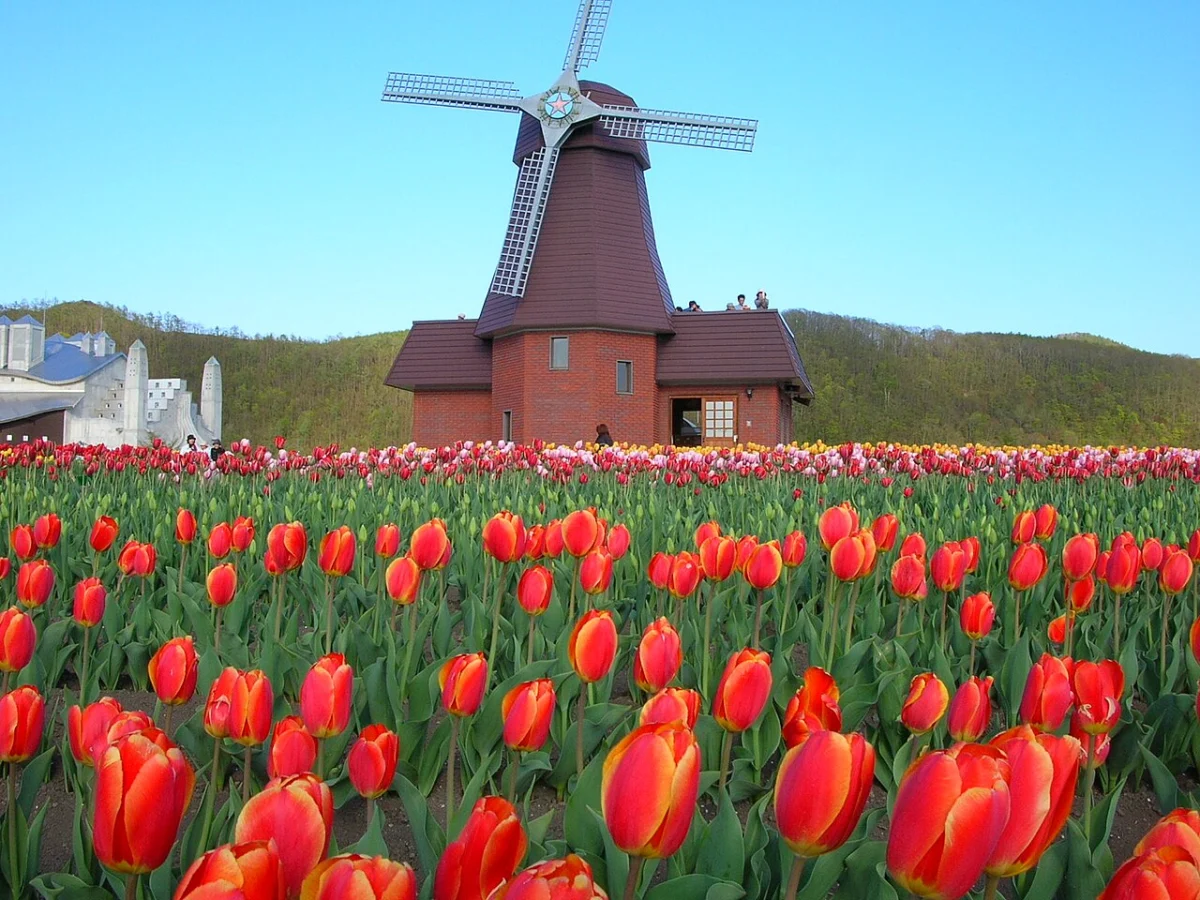
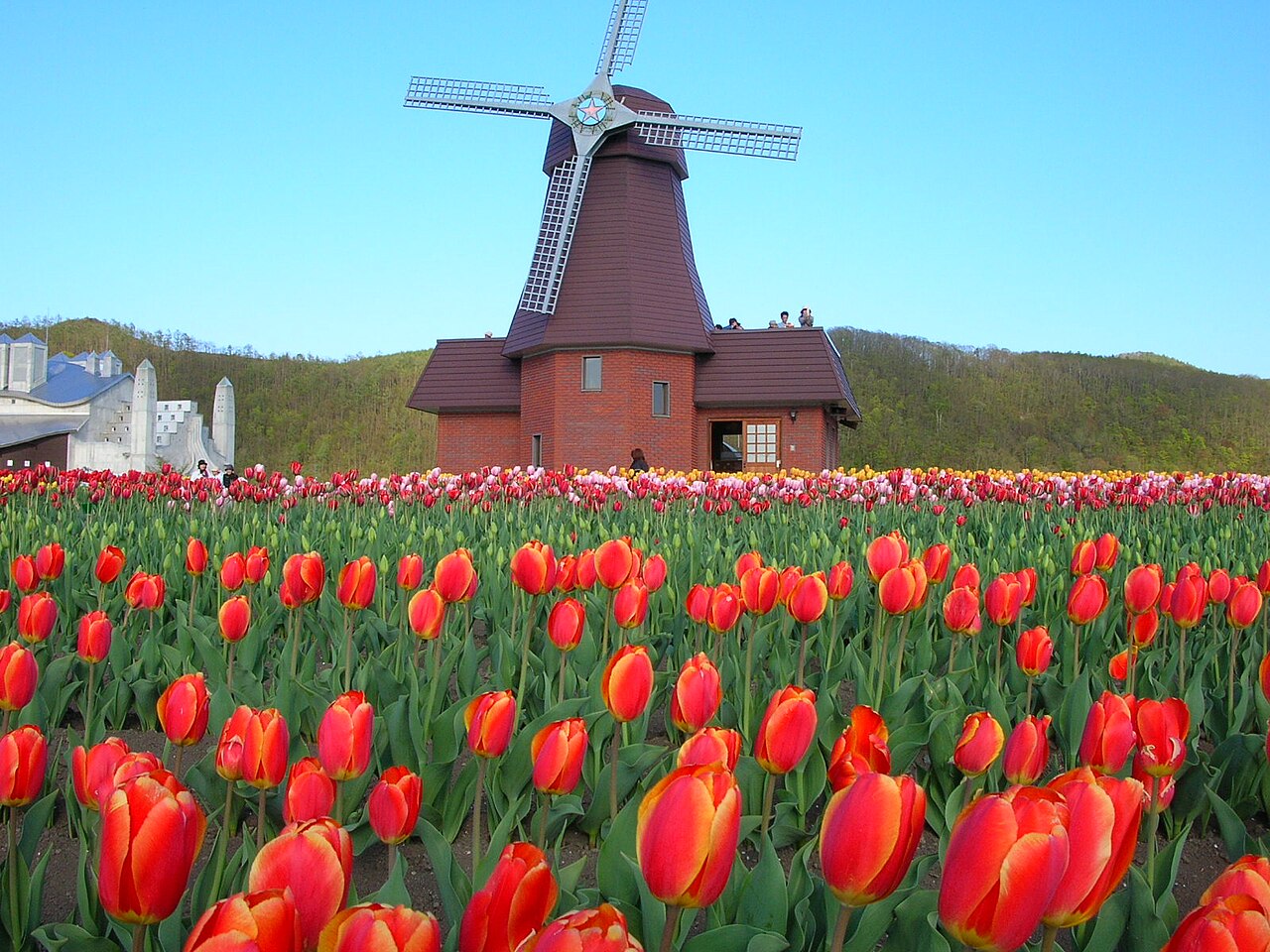
In the quiet, windswept plains of north-central Hokkaido, a transformation occurs every May that turns the town of Yubetsu into the most vibrant corner of the Japanese archipelago. The Kamiyubetsu Tulip Park is not merely a garden; it is a meticulously engineered masterpiece of agricultural history and horticultural ambition. Spanning seven hectares of cultivated soil, the park hosts over 700,000 individual tulip plants representing 200 distinct varieties, many of which are rare Dutch cultivars imported specifically to thrive in the unique climate of Japan’s northernmost prefecture.
As the snows of the long Hokkaido winter recede, the east-facing slopes of Yubetsu ignite in a spectrum of color. For those who prioritize botanical immersion, this destination stands as one of the most significant tulip displays in Asia, rivaling the curated gardens of Nagasaki and the historic estates of Europe.
The Core Facts: A Botanical Powerhouse
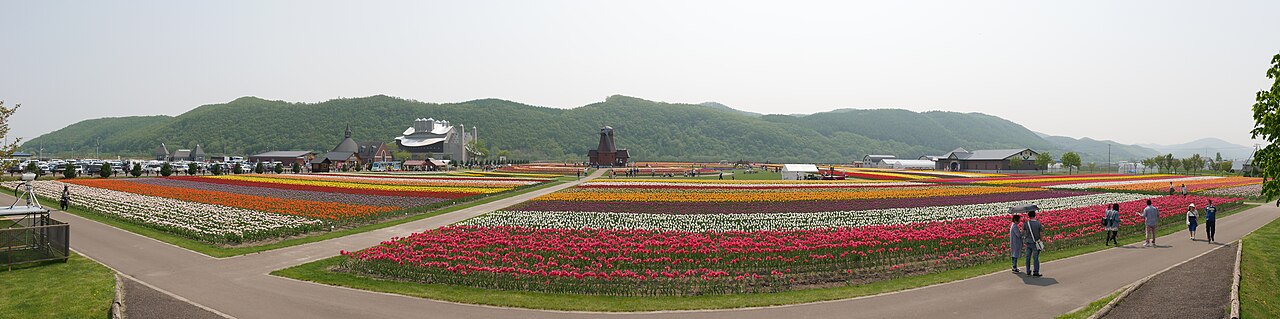
The Kamiyubetsu Tulip Park operates on a scale that defies the typical "boutique" garden experience. Occupying a 12.5-hectare footprint, the site is designed with precision, utilizing geometric ribbons of color—deep crimson, saffron yellow, soft lilac, and pristine white—that follow the natural topography of the land.
- Scale: 7 hectares of dedicated floral beds.
- Inventory: 700,000 bulbs, 200 named varieties.
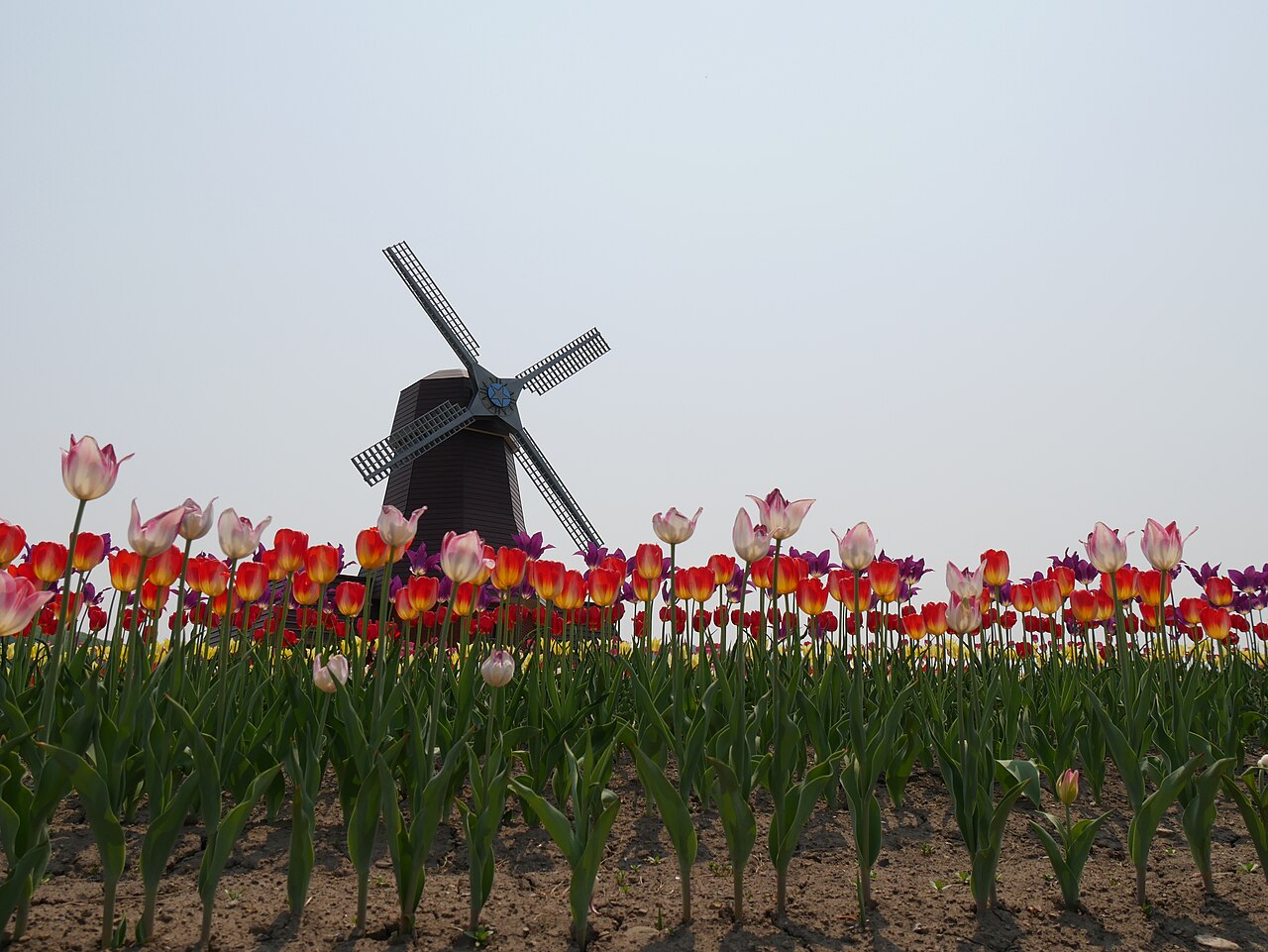
- Key Feature: A five-story Dutch-style windmill observation deck providing a panoramic vantage point essential for appreciating the field’s complex geometric design.
- Visitor Capacity: Approximately 100,000 visitors annually during the month-long May festival.
- Accessibility: Open strictly during the May bloom window; the site remains dormant and closed to the public for the remainder of the year.
The park is more than a display; it is a living laboratory. The head gardener utilizes a rotating three-year planting cycle, ensuring that returning visitors are greeted by an entirely new visual composition each year. This design philosophy transforms the park from a static attraction into an evolving seasonal installation.
A Historical Chronology: From Diversification to Destination
The genesis of the Kamiyubetsu Tulip Park is rooted in the post-war recovery of the 1950s. At the time, the Yubetsu economy was heavily reliant on sugar beets and potatoes—staple crops that provided stability but lacked the potential for agricultural expansion.
- 1950s: The Dutch Connection. The local JA (Japan Agricultural) cooperative sought to diversify the region’s economic portfolio. Recognizing that the climate of Hokkaido shared distinct similarities with the bulb-growing regions of the Netherlands, they began importing Dutch tulip bulbs. Local farmers were trained in the delicate, specialized care required for these imported varieties, effectively integrating tulip cultivation into the local agricultural identity.
- 1957: The Inaugural Festival. The first public viewing of these efforts was organized in 1957, drawing immediate regional attention and confirming the viability of "flower tourism" as a sustainable industry.
- 1989: The Modern Era. By the late 1980s, the town of Yubetsu recognized that the casual displays of the past could be scaled into a major tourism asset. The current park site was established, formalizing the infrastructure—including the signature windmill and the visitor center—that defines the park today.
Supporting Data: Understanding the Bloom
The park’s success is predicated on a complex understanding of floral phenology. The head gardener coordinates planting depths to stagger the bloom, ensuring that the visual experience lasts through the entire month of May.
Category Distribution
The 200 cultivars are categorized to provide a diverse, long-lasting display:
- Early Bloomers: Typically simple, goblet-shaped varieties in saturated reds and yellows that occupy the lower terraces.
- Mid-Season Mix: Triumph-group and Darwin Hybrid tulips that offer structural height and robust color saturation.
- Late-Season Varieties: Fringed, parrot, and lily-flowered cultivars that bloom in the upper terraces 5–10 days after the lower beds, ensuring the park remains vibrant through the final week of the festival.
For the serious gardener, the park provides a "variety map" available at the visitor center. This allows enthusiasts to track specific Dutch heritage cultivars, distinguishing the rare, internationally sourced flowers from the more common varieties found in local commercial garden centers.
Official Perspectives: Governance and Tourism Strategy
The Yubetsu municipal tourism board manages the park with a focus on "high-touch" tourism. Unlike large-scale theme parks that prioritize rapid throughput, the management here emphasizes the "slow travel" experience.
According to municipal spokespeople, the park serves a dual purpose: it is both a premier tourist draw and a vital piece of agricultural heritage. By maintaining the "dig-your-own-tulip" program during the final week of the festival, the board reinforces the connection between the visitor and the land. Participants can purchase flowering bulbs, complete with a soil ball, allowing them to bring a piece of the Yubetsu legacy back to their own gardens—provided they comply with international phytosanitary regulations.
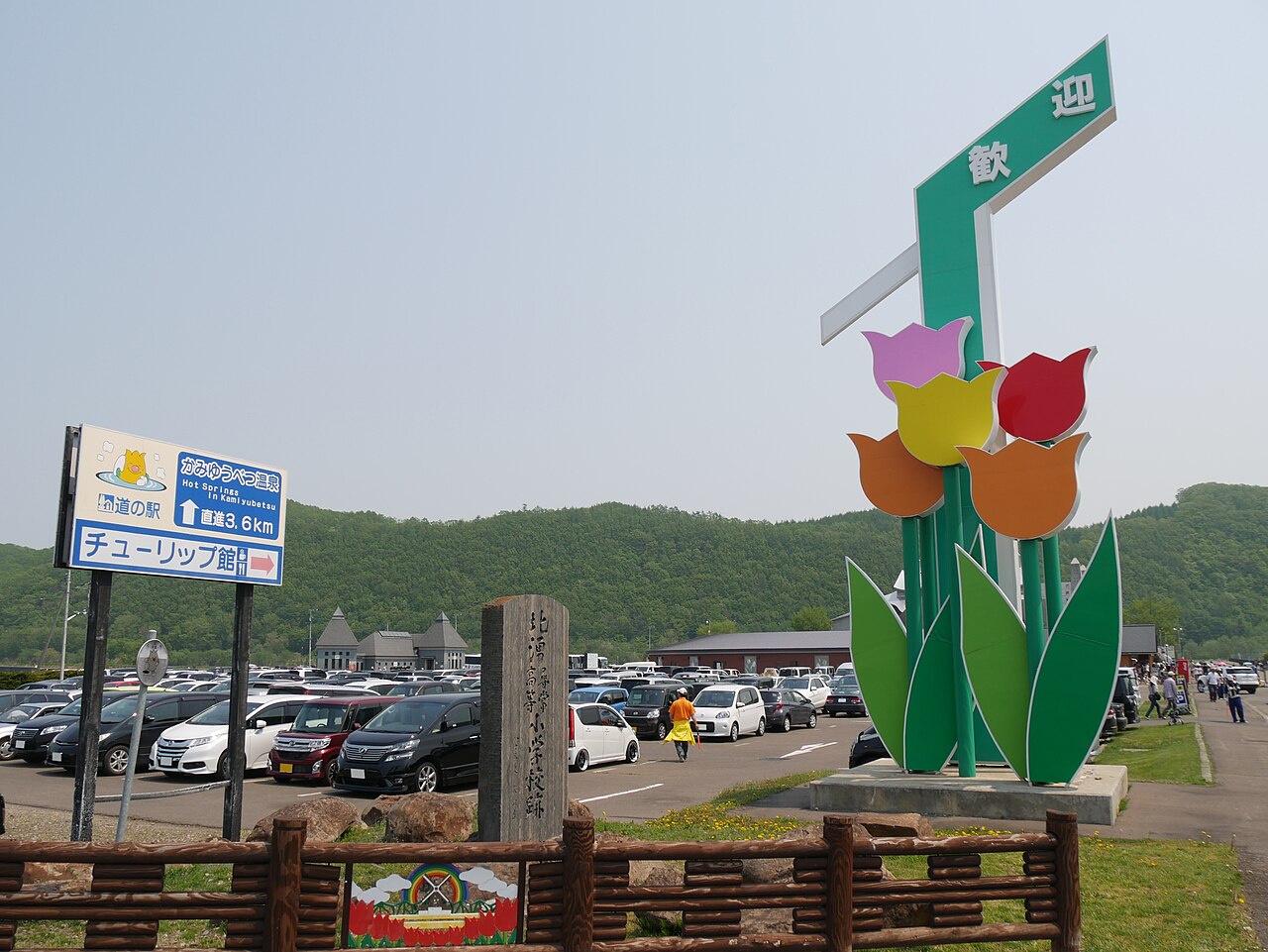
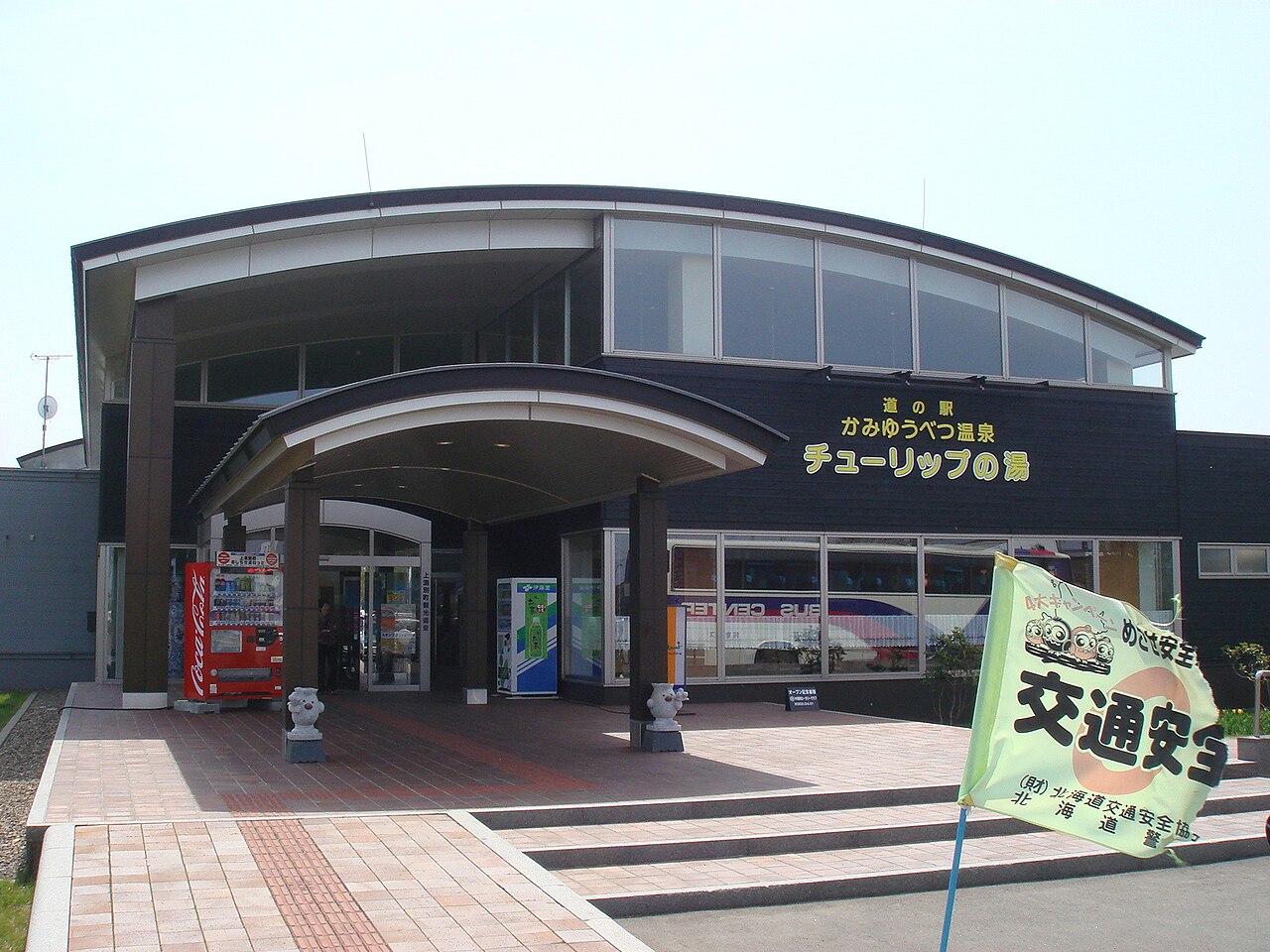
Furthermore, the park’s proximity to the Tulip no Yu—a michi-no-eki (roadside station) and onsen complex—reflects a broader strategy to integrate the park into the town’s year-round economy. While the park is seasonal, the Tulip no Yu acts as the primary social and commercial hub for the region, offering local Hokkaido cuisine and hot-spring access that ensures the town remains viable for travelers throughout the year.
Implications: The Future of Rural Tourism
The existence of Kamiyubetsu Tulip Park has significant implications for rural revitalization in Japan. In a nation where many regional towns struggle with depopulation and a loss of identity, Yubetsu has successfully leveraged a niche agricultural product to maintain global visibility.
Logistics and the "Pilgrimage" Factor
The park is, by design, somewhat isolated. For international travelers, this presents a challenge:
- Car Rental (Recommended): A 4–5 hour drive from Asahikawa or New Chitose Airport is the standard mode of transit.
- The Air-to-Ground Route: Flying into Okhotsk-Monbetsu Airport offers a more efficient 30-minute commute to the park.
- Public Transit Constraints: While a bus route exists from Engaru Station, the low frequency of service limits flexibility, making the car the only practical option for those on a tight schedule.
The "Eastern Hokkaido Circuit"
The long-term success of the park relies on its inclusion in the "Eastern Hokkaido Circuit." It is no longer marketed as an isolated attraction but as a vital stop in a regional network. This circuit includes:
- Takinoue Shibazakura Park: Renowned for its moss phlox, it operates on a similar seasonal window, allowing visitors to experience two of Japan’s most spectacular floral events in one weekend.
- Saroma Lake: Offering marine-focused tourism, including oyster farms and birdwatching, providing a necessary contrast to the floral focus of Yubetsu.
- Abashiri: Serving as the cultural and historical anchor for the region with its world-famous prison museum.
The Verdict for Travelers
For the casual tourist, the park is a beautiful, if distant, curiosity. For the photographer, the horticulturist, or the dedicated traveler seeking the "authentic" Hokkaido, it is a mandatory destination. The sheer scale of the bloom, the historical depth of the Dutch-Japanese agricultural partnership, and the quiet, rural beauty of the surrounding Yubetsu plain create an atmosphere that cannot be replicated in a theme park setting.
As global interest in "slow tourism" grows, the Kamiyubetsu Tulip Park stands as a model for how rural communities can thrive by focusing on what they do best: cultivating the land with care, patience, and an eye for enduring beauty. Whether one comes for the vibrant, sweeping colors of the late spring or the historical narrative of post-war agricultural innovation, the park rewards the effort required to reach it. It is, in every sense, a testament to the idea that some of the world’s greatest spectacles are those that choose to bloom in the quietest corners.


 Neng Nana
 Asro
Asro