Siti Muinah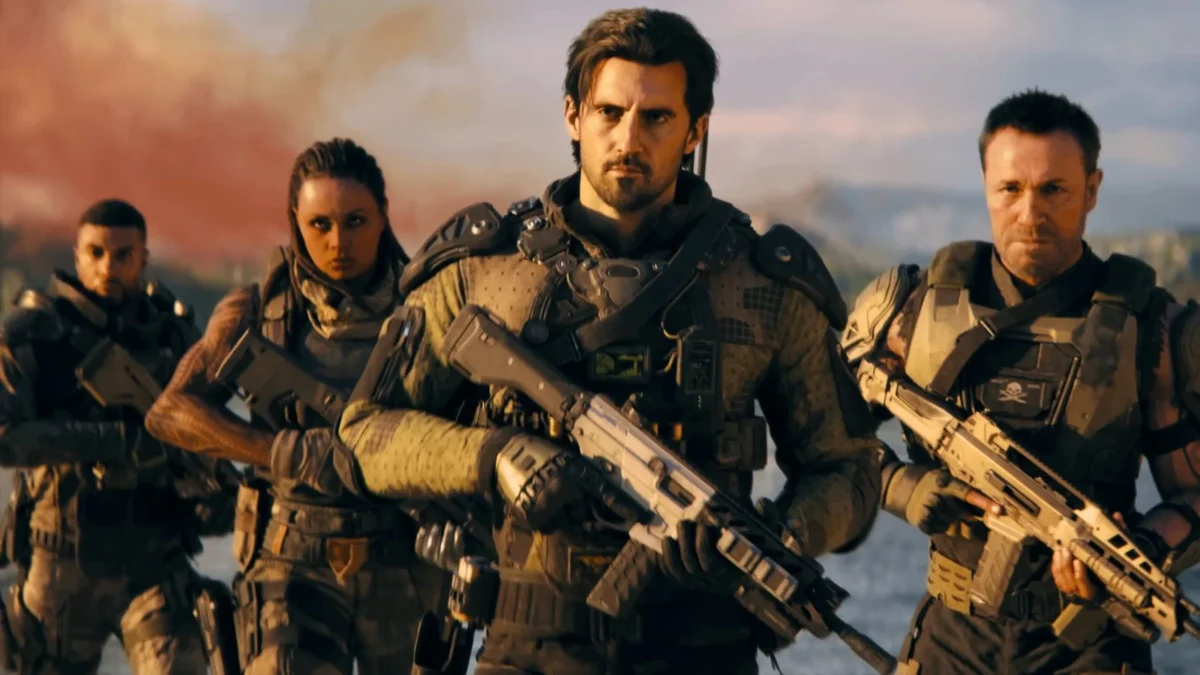
The landscape of the video game industry is defined as much by its departures as its arrivals. On June 15, a significant chapter in the history of first-person shooters came to a close as Treyarch announced the retirement of Mark Gordon, a titan of the studio who spent 22 years steering the Call of Duty juggernaut. Gordon, whose career at the Santa Monica-based developer spanned from the mid-2000s transition period to the current live-service era of Black Ops 7, leaves behind an indelible mark on one of the most profitable entertainment franchises in history.
The Architect of an Era: Mark Gordon’s Tenure
Mark Gordon’s tenure at Treyarch began in 2005, a period that now feels like a lifetime ago in the context of gaming development. When he joined as Chief Technology Officer, Treyarch was in a state of evolution. The studio was balancing high-profile licensed projects, such as their work on the Spider-Man video games, with the nascent Call of Duty franchise. At that time, Activision was still experimenting with multiple developers for the brand; Treyarch was far from the undisputed powerhouse it would eventually become.
Gordon’s ascent through the ranks was marked by a series of strategic pivots that transformed the studio. From CTO to VP of Development and finally to Studio Head, Gordon was the consistent hand on the tiller as Treyarch pivoted away from licensed film tie-ins to become the primary architect of the Black Ops universe. Under his stewardship, the series transcended mere annual releases to become a cultural phenomenon, defining the narrative and multiplayer standards for a generation of gamers.
Chronology: From Big Red One to the Black Ops Zenith
To understand the weight of Gordon’s departure, one must look at the trajectory of the games he shepherded. His career at the studio effectively mirrors the maturation of the Call of Duty franchise itself.
- 2005–2008: The Formative Years: Starting with Call of Duty 2: Big Red One and Call of Duty: World at War, Gordon helped guide the studio through the transition to the WWII-to-Modern-Warfare shift. World at War was particularly pivotal, as it introduced the now-legendary Zombies mode, a staple of the franchise that Gordon supported throughout its evolution.
- 2010–2015: The Black Ops Rise: The launch of the original Black Ops in 2010 solidified Treyarch’s identity. Gordon oversaw the expansion of the lore, the integration of complex narrative threads, and the refinement of the "pick-ten" class systems that became hallmarks of the series.
- 2016–2022: The Modern Live-Service Pivot: As the industry shifted toward long-term engagement models, Gordon was at the forefront of adapting Black Ops for a digital-first, live-service economy. This required a massive shift in development philosophy, moving from static yearly releases to the continuous content drops seen in recent entries.
- 2023–2025: The Current State: Gordon’s final years were defined by the launch and stabilization of Black Ops 7. His exit comes while the game is currently in its fourth season, ensuring that his final project is left in a state of high-intensity, active player engagement.
Leadership Transition: The Dual-Head Strategy
Treyarch has opted for a unique succession plan, announcing that the Studio Head role will be split between two industry veterans: Kevin Hendrickson and Yale Miller. This co-leadership model is becoming increasingly common in large-scale AAA studios, where the sheer scale of production often necessitates a division of focus between creative operations and organizational strategy.
Kevin Hendrickson: The Operations Strategist
Hendrickson, who served as Treyarch’s Chief Operating Officer since 2022, brings a wealth of institutional knowledge from the wider Activision ecosystem. Crucially, he spent eight years as the VP and Head of Production for the entire Call of Duty franchise at Activision. His appointment signals a move toward tighter integration between Treyarch’s internal development pipelines and the broader Activision-Blizzard corporate infrastructure.
Yale Miller: The Production Veteran
Yale Miller brings a different but equally vital perspective to the table. Joining Treyarch in 2017 as a Senior Producer, Miller has climbed the ladder rapidly, serving as Director of Production since 2020. His intimate knowledge of Treyarch’s internal workflows and his experience overseeing the daily production cycle of the Black Ops titles make him the ideal counterbalance to Hendrickson. The studio’s messaging suggests that the synergy between these two leaders is intended to fill the void left by Gordon’s singular, decades-long oversight.

Supporting Data: The Cost of Experience
Gordon’s retirement is the latest in a series of high-profile exits that have fundamentally altered the DNA of the studio. In 2021, co-studio head Dan Bunting departed, followed by the high-profile exit of design director David Vonderhaar in 2023. Vonderhaar, often referred to as the "face" of the Black Ops multiplayer experience, spent 18 years at the studio.
When these departures are tallied, the "brain drain" becomes evident. Between Bunting, Vonderhaar, and now Gordon, over 50 years of collective leadership and institutional memory have departed the studio in a span of less than five years. This turnover poses a significant challenge for the new co-heads. While the current Black Ops 7 infrastructure is robust, the long-term creative vision for the franchise must now be forged by a new generation of leaders who have not yet had to define the "next" version of the series in the same way their predecessors did.
Official Responses and Internal Sentiment
The official announcement from Treyarch was tempered and respectful, focusing on the continuity of the brand. "Mark’s contribution to the franchise is immeasurable," a studio spokesperson noted. "From his early days as CTO to his time as Studio Head, he navigated the studio through the most turbulent and successful periods in our history. While his departure is a milestone, we are confident in the leadership team of Kevin and Yale to carry the torch."
Industry analysts have pointed out that while the transition is "business as usual" for a company of Activision’s size, the departure of a veteran who "shepherded every Black Ops game" represents a psychological shift for the development team. The culture at Treyarch has long been built around the stability provided by leadership that understood the game’s core identity intimately; maintaining that identity while modernizing the game for future hardware cycles will be the defining challenge of the Hendrickson-Miller era.
Implications: The Future of the Black Ops Franchise
What does this mean for the future of the Call of Duty franchise? The immediate implication is that Black Ops 7 will remain largely unchanged in its current operational cadence. The game is in the middle of its fourth season, and the live-service roadmap is already locked in for the coming months.
However, the longer-term implications are more complex:
- Creative Evolution vs. Brand Consistency: Can the new leadership maintain the specific "Treyarch feel"—the unique pacing, the zombies-mode quirkiness, and the specific narrative weight of the Black Ops world—without the original architects present?
- Corporate Alignment: With Hendrickson’s background in Activision’s global production, we may see an even tighter synchronization between Black Ops and the broader Call of Duty ecosystem, including shared technology and cross-studio asset pipelines.
- Talent Retention: The exit of veterans often triggers a ripple effect. The new heads will need to prove that they can foster a creative environment that retains the studio’s top-tier talent, ensuring that the next generation of Black Ops titles isn’t just technically sound, but creatively inspired.
As the studio looks toward the future, the legacy of Mark Gordon serves as both a foundation and a benchmark. He leaves behind a franchise that is arguably the most recognizable name in modern gaming, having steered it from its infancy in the mid-2000s to its current position as a multi-billion dollar pillar of the industry. The handover to Hendrickson and Miller is not just a change in personnel; it is the formal beginning of a post-founder era for Treyarch. Whether the studio can continue to innovate while preserving the legacy of the last 22 years remains the most compelling question in the world of first-person shooters.


 Azzam Bilal Chamdy
 Evan Lee Salim