Lina Hope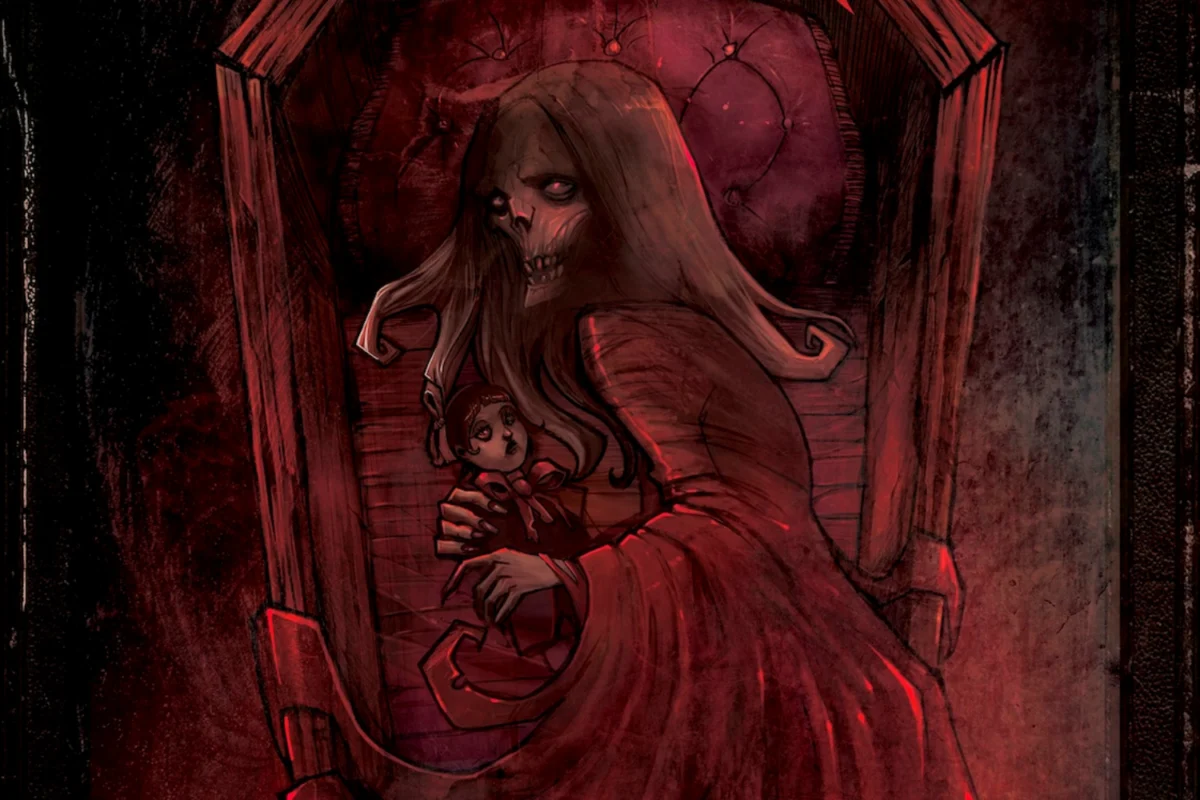
For decades, Steve Niles has been the architect of modern nightmare fuel. As the visionary behind 30 Days of Night, he redefined the vampire mythos, stripping away the romanticism of the undead to reveal the feral, starving beasts beneath the ice. His bibliography is a sprawling map of the genre’s darkest territories, from the visceral gore of zombie apocalypses to the psychological erosion caused by relentless serial killers. Yet, in his latest venture, Heartbreak Manor, Niles is eschewing the aggressive, blood-soaked monstrosities of his past to explore a more nuanced, chilling corner of the dark: the classic, atmospheric ghost story.
Joined by his frequent collaborator and artistic powerhouse Damien Worm, Niles has launched a campaign on the crowdfunding platform Zoop for a 100-page graphic novel that promises to serve as both a love letter to the Victorian and Edwardian ghost story tradition and a terrifying original tale of isolation.
The Core Narrative: A Nightmare in the Making
Heartbreak Manor centers on Sally Madison, a young orphan navigating the fragile hope of finding a permanent home. Her journey leads her to a sprawling, enigmatic mansion, a structure that holds more than just dust and cobwebs. As the narrative unfolds, the promise of a new family rapidly disintegrates into a waking nightmare. The house is defined by its architectural secrets: doors that remain perpetually locked, hallways that shift in the periphery of one’s vision, and a series of disturbing disappearances that suggest the manor itself is a predatory entity.
Set against the festive, yet stark, backdrop of Christmas 1912, the book leans into the "Holiday Ghost Story" tradition, a custom popularized in the UK that links the merriment of the season with the encroaching darkness of the winter solstice. By trapping his protagonist in an era on the cusp of modernity, Niles forces a collision between the fading superstitions of the 19th century and the cold, mechanical reality of the 20th.

Chronology of a Collaboration: From Brynmore to the Manor
The partnership between Steve Niles and Damien Worm is one of the most symbiotic in contemporary independent comics. Having previously collaborated on the critically acclaimed Brynmore, the duo has developed a shorthand that allows for a seamless blend of script and visual tone.
The development of Heartbreak Manor was driven by a desire to capture a specific "Gothic" frequency. Niles, noting his past work on titles like Lot 13, emphasizes that while he has written ghosts before, they were often loud, aggressive, and kinetic. Heartbreak Manor represents a shift toward the "haunted atmosphere"—a style of storytelling where the silence of a room is more terrifying than the appearance of a ghoul.
The Creative Timeline:
- Concept Phase: Niles sought to evoke the spirit of H.R. James and the classic, unsettling pacing of A Christmas Carol.
- Visual Development: Damien Worm was brought on board early to establish the "weathered" aesthetic. The pair utilized specific design philosophies from previous works like Monster and Madman to ensure the book felt like a recovered artifact.
- The Soundtrack Integration: In a move that elevates the project beyond a standard comic release, Monica Richards and Anthony Roumanis were commissioned to compose an original score, designed to be experienced alongside the reading of the graphic novel.
- Campaign Launch: The project moved to the Zoop platform to facilitate an "oversized" hardcover format, ensuring the intricate details of Worm’s illustrations are presented with maximum fidelity.
Supporting Data: Why 1912?
When asked about the choice of setting, Niles points to the unique sociological anxiety of the early 20th century. "Through the 1800s, ghost stories were really popular," Niles explains. "Partly because there was a high death rate with the onset of the Industrial Age, and the anxiety of it all."
By placing Sally Madison in 1912, Niles highlights the "collision between the old and new worlds." It is a period where the horse-drawn carriage was being replaced by the automobile, and the telephone was beginning to tether people together in new, intrusive ways. Yet, for an orphan in a remote mansion, the world remains terrifyingly isolated. Without the constant connectivity of the modern age, the sense of dread is compounded—a key factor in what makes the Gothic horror genre so effective.

Official Perspectives: The Creator’s Intent
In an exclusive interview regarding the project, Steve Niles provided deep insights into his creative process, particularly regarding the perspective of his protagonist.
On the Child’s Perspective:
"I guess I write from a child’s perspective often, probably because I try to remember what it’s like to be a kid who can no longer trust the world," says Niles. He notes that Sally Madison is not a passive victim; despite the trauma of her past, she possesses a "fighter spirit." Her youth, however, makes her vulnerable to a house that feeds on innocence.
On the Visual Language:
Damien Worm’s contribution to the project goes beyond standard line work. Readers will note the intentional use of textures, distressed effects, and photographic overlays that mimic the appearance of aged, damaged paper or physical tape on the pages. According to Niles, this was a deliberate choice. "It gives it all an atmospheric, moody feel that I love," he notes. The goal is to make the book feel like a relic—something the reader has unearthed from a dusty attic.
On the Musical Component:
The addition of a soundtrack, spearheaded by Monica Richards, is an attempt to create a "total immersion" experience. "I always listen to music when I read and write," Niles admits, suggesting that the soundscape will act as a psychological guide for the reader, heightening the tension during the book’s more harrowing sequences.

Implications: The Future of Crowdfunded Horror
The move to Zoop for Heartbreak Manor is indicative of a larger shift in the comic book industry. By bypassing traditional publishing bottlenecks, creators like Niles are able to offer "complete packages"—oversized editions, original soundtracks, and even personalized tiers where backers can see themselves immortalized within the narrative.
The Impact of the "Complete Package" Model:
- Format Autonomy: Crowdfunding allows for an oversized hardcover format that might be deemed "too expensive" or "too niche" for a standard retail market.
- Creative Preservation: The ability to include an original soundtrack and unique physical textures ensures the creative vision is preserved exactly as the authors intended.
- Community Engagement: By offering tiers that include reader participation, the project creates a sense of ownership among the fan base, transforming the act of buying a book into an act of collaborative creation.
Conclusion: A New Standard for the Ghost Story
Heartbreak Manor stands as a testament to the enduring power of the ghost story. By stripping away the modern obsession with high-octane horror, Steve Niles and Damien Worm have returned to the roots of the genre: the creaking floorboard, the unanswered question, and the feeling that a house is watching you back.
Whether or not the project succeeds in its mission to redefine the holiday ghost story, it has already succeeded in proving that there is still a massive appetite for meticulously crafted, atmospheric horror. As the campaign on Zoop continues to gain momentum, it is clear that for fans of the genre, the doors to Heartbreak Manor are invitingly, and terrifyingly, ajar.

 Sagoh
Sagoh
 Ammar Sabilarrohman