Raul Delapena Setiawan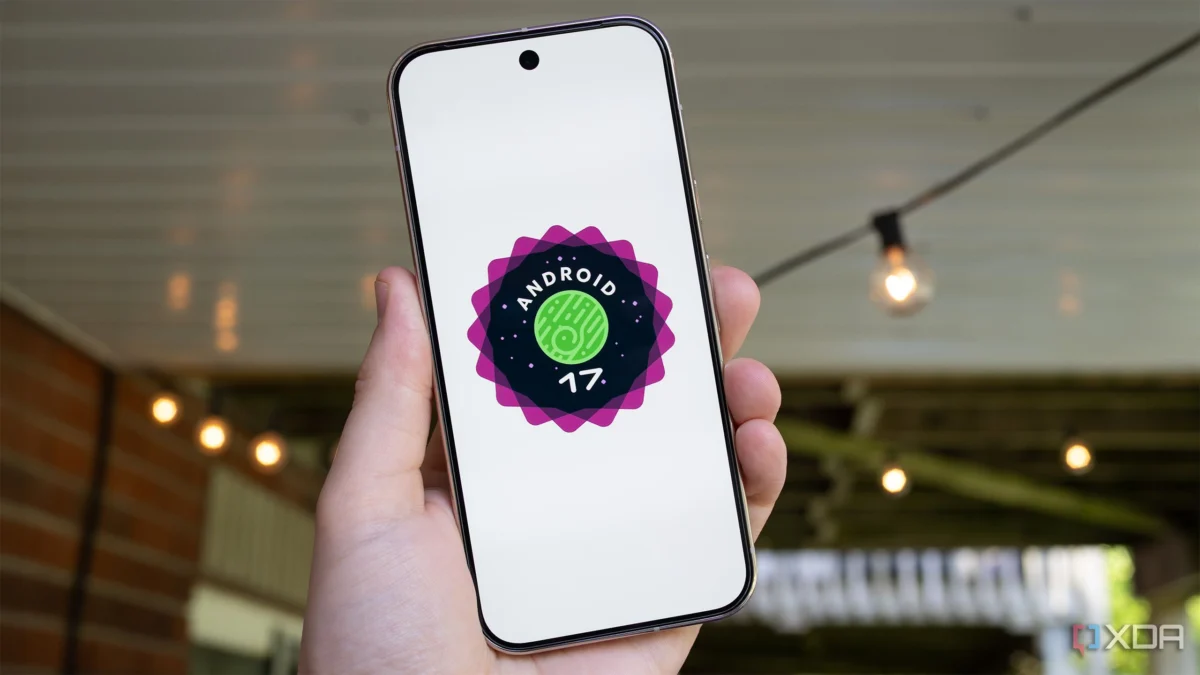
By XDA Editorial Staff
June 16, 2026
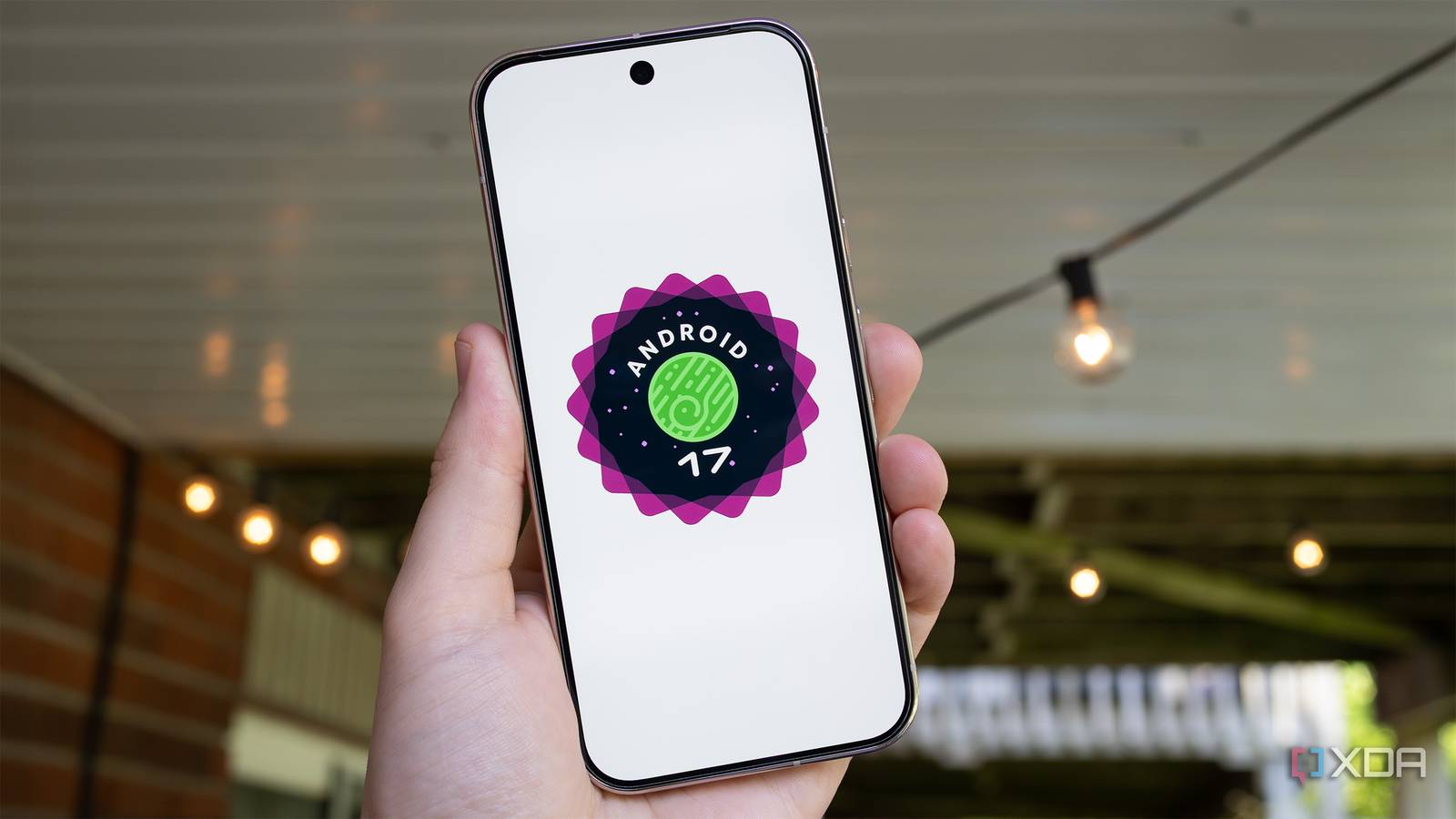
Google has officially begun the rollout of Android 17, the latest iteration of the world’s most widely used mobile operating system. Starting today, owners of Pixel devices—from the Pixel 6 through the latest hardware—can begin downloading the update, with a broader global release across third-party manufacturers expected to follow in the coming months.
This release represents a paradigm shift for the Android ecosystem. Moving beyond the iterative visual refinements of recent years, Android 17 introduces a fundamental change in how users interact with their mobile applications, bringing a desktop-class multitasking architecture to the palm of the hand. While the highly anticipated "Gemini Intelligence" agentic platform remains on the horizon, the current release cements Android’s status as a productivity powerhouse, particularly for users of foldable and large-screen hardware.
The New Multitasking Paradigm: Bubbles and Desktop-Style Control
The marquee feature of Android 17 is the introduction of advanced multitasking bubbles. In previous iterations, bubbles were largely relegated to messaging applications; in Android 17, this functionality has been promoted to a system-wide standard. Any application can now be minimized into a compact, floating bubble that persists as an overlay, regardless of what other software is running in the background.
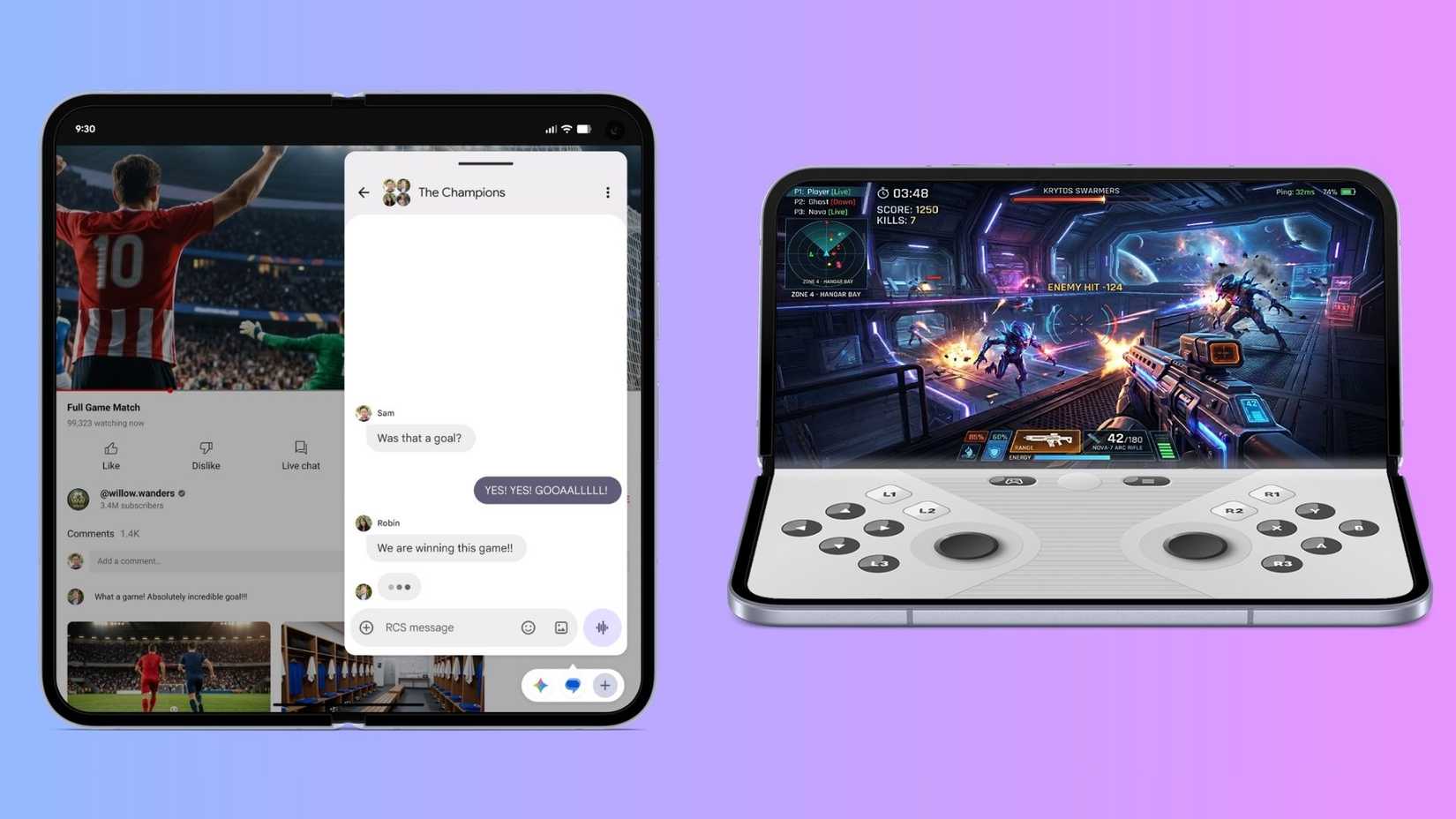
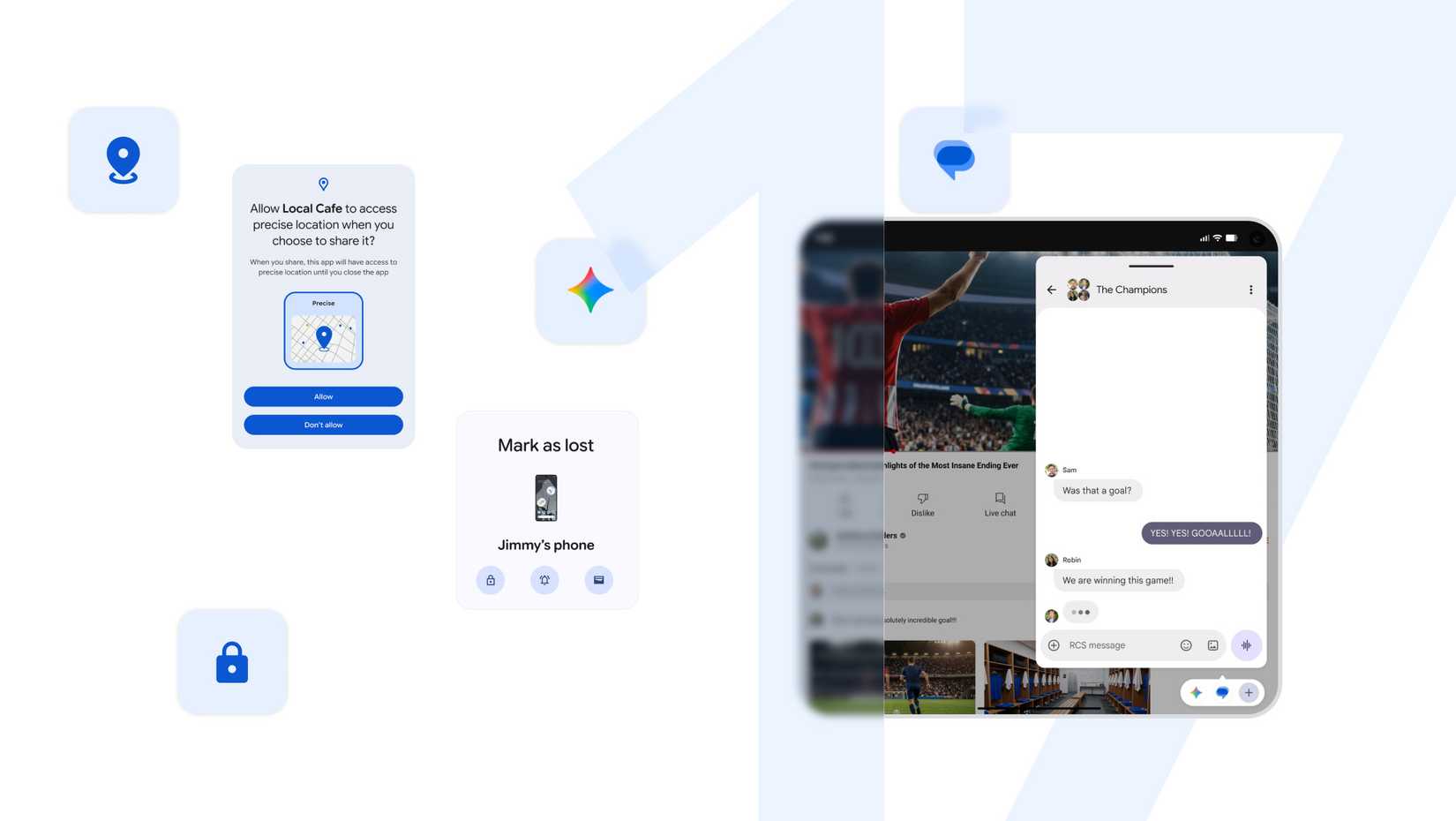
For users with larger displays—specifically foldable smartphones and tablets—this evolution is even more significant. Google has introduced a dedicated "Bubble Bar," a persistent dock at the bottom of the screen that houses these floating instances. This allows for a fluid, desktop-like environment where users can drag and drop applications, resize windows, and maintain active workflows that mimic the flexibility of macOS or Windows 11.
By enabling users to snap windows to different portions of the screen or keep them floating in a custom arrangement, Google is directly addressing the criticisms regarding the underutilization of large-screen real estate in Android. The system’s responsiveness suggests that Google is attempting to bridge the gap between mobile convenience and the heavy-duty multitasking capabilities seen in platforms like iPadOS 25.
Chronology: The Road to Android 17
The development of Android 17 has been marked by a shift in Google’s internal strategy, prioritizing hardware integration over purely software-driven features.
- Early 2026 (Developer Preview): Google signaled a move toward "Fluid Computing," testing the early implementation of the Bubble Bar in internal builds.
- April 2026 (Beta Phase): The introduction of the new security-focused "Find Hub" protocols and enhanced biometric locking mechanisms.
- May 2026 (I/O Conference): Google teased the "Gemini Intelligence" platform, though confirming that it would require specialized NPU (Neural Processing Unit) hardware not yet widely available, thus delaying its rollout.
- June 16, 2026 (Public Launch): Android 17 hits the stable channel for Pixel 6 series and newer devices.
- Late Summer 2026 (Expected): The rollout of Gemini Intelligence and the specialized foldable gaming controller overlay for select high-end devices.
Enhanced Gaming: The Foldable Advantage
One of the most innovative hardware-specific features arriving in the coming months is the new foldable-centric gaming mode. Recognizing that the form factor of foldable devices offers unique physical real estate, Google has developed a system that effectively turns a device into a handheld console.
By splitting the screen, Android 17 allows the top half of a foldable display to serve as the primary game window, while the bottom half maps out a customizable, haptic-enabled touchscreen controller. This eliminates the need for external peripherals or the obscuring of gameplay by one’s own thumbs.
Beyond this, Google has optimized the underlying kernel to address a long-standing issue in mobile gaming: thermal throttling and frame stutters. Through a significantly more aggressive and efficient background memory cleanup process, Android 17 ensures that high-fidelity gaming sessions maintain a consistent frame rate, even during extended periods of play.

Privacy and Security: Granular Control
Privacy has always been a cornerstone of Android’s evolution, and version 17 takes a more restrictive, user-centric approach.
The update introduces two critical changes:
- Temporary Permission Granting: Users can now grant apps time-limited access to location and data, which automatically revokes itself after a set duration.
- Contact Sandboxing: Instead of granting an application access to the entire address book, users can now select specific contacts to share with a given app, ensuring that private information remains contained.
Furthermore, the "Find Hub" has been bolstered with biometric-locking capabilities. If a device is marked as lost, the OS can now be locked behind a persistent biometric gate that prevents even a factory reset from bypassing security without the original owner’s credentials. Live Thread Detection—Google’s proprietary background service—has also been refined to detect and intercept sophisticated phishing and scam attempts in real-time, providing an extra layer of defense against social engineering.
Official Responses and Strategic Implications
In a statement accompanying the release, Google’s VP of Engineering emphasized that Android 17 is a response to the "blurring lines" between mobile and desktop computing.
"Our goal with Android 17 is to provide a seamless transition between contexts," the statement read. "Whether you are a professional using a foldable to manage multiple spreadsheets or a gamer looking to optimize your hardware, the OS should move with you, not against you."
Industry analysts view this as a pivotal moment for Google. By pushing the limits of multitasking and security, Google is attempting to lock in users who are increasingly reliant on their phones as their primary computing devices. The delay of the "Gemini Intelligence" platform, while disappointing to some, suggests that Google is prioritizing stability over a rushed AI rollout—a prudent choice given the current scrutiny of AI integration in consumer software.
The Wear OS 7 Integration
The ecosystem expansion continues with the release of Wear OS 7. The wearable OS has received a massive overhaul, focusing on "Live Updates"—a system that pushes real-time data to watch faces without requiring the user to open the corresponding app.
The inclusion of multistep app automation via Gemini allows users to trigger complex workflows from their wrist (e.g., "start my workout routine and set my smart lights to cool"). With significant battery life optimizations, Wear OS 7 aims to solve the persistent issue of daily charging, further cementing the synergy between Google’s mobile and wearable hardware.
Implications: A New Standard for Mobile OS
The implications of Android 17 are clear: the era of the "static" mobile operating system is over. By treating apps as floating, modular windows, Google has acknowledged that the future of mobile computing is not just about communication, but about complex task management.
While the "casual" user may find some of the new windowing features complex, the power-user demographic—a core segment of the Android base—will likely find these tools indispensable. As we look toward the latter half of 2026, the success of Android 17 will be measured by how quickly developers update their apps to support these new multitasking protocols.
For now, Android 17 stands as a robust, secure, and highly functional update. It is a testament to Google’s commitment to refining the hardware-software symbiosis, ensuring that the Android ecosystem remains at the forefront of the mobile revolution.
How to Update
To access the latest features, ensure your device is charged and connected to Wi-Fi. Navigate to Settings > System > Software Updates and select "Check for Update." As with all major OS releases, a backup of your data is recommended before proceeding with the installation.


 Azzam Bilal Chamdy
 Layla Zulfa