

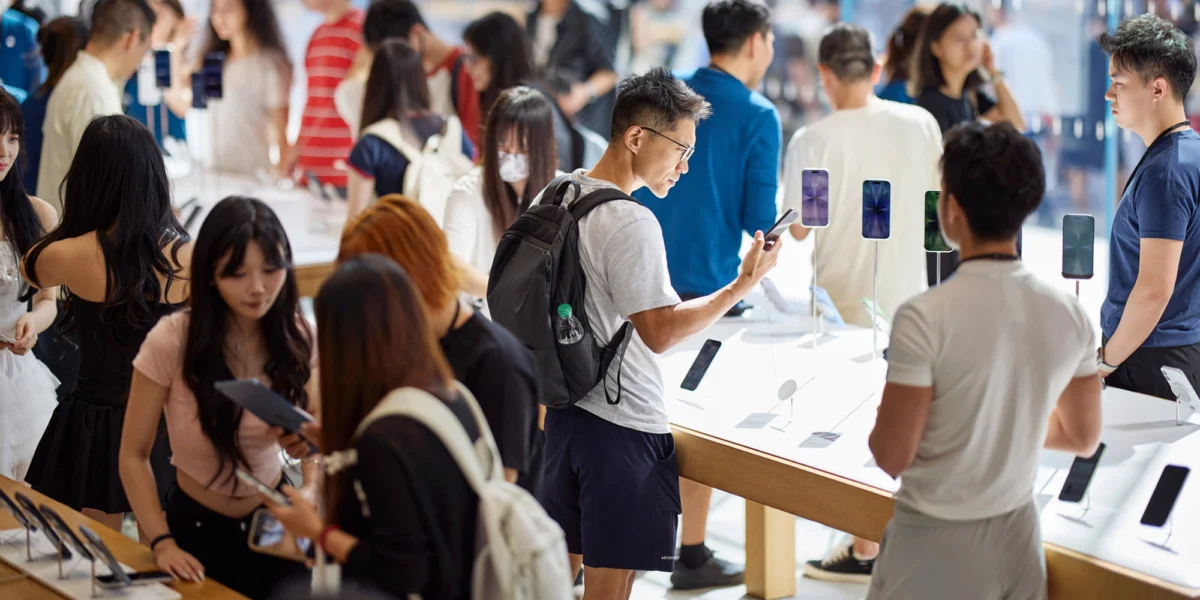
As the Chinese consumer electronics landscape intensifies, Apple has once again signaled its commitment to maintaining market share in the world’s largest smartphone arena. Consistent with a strategic pivot that began in 2021, the Cupertino-based tech giant is leveraging the country’s massive "618" shopping festival—an annual mid-year e-commerce extravaganza—to offer significant discounts on its flagship iPhone 17 lineup. By lowering the barrier to entry for its latest hardware, Apple is attempting to solidify its rebound following a period of stagnant growth in the region.
The 618 Shopping Festival: A Strategic Catalyst
The "618" festival, which originated as an anniversary sale for JD.com, has evolved into a nationwide retail phenomenon comparable to Black Friday in the United States. For global brands like Apple, the event serves as a critical thermometer for consumer sentiment and a vital mechanism for clearing inventory and boosting quarterly shipment numbers.
This year, Apple is adopting an aggressive posture. According to reports from the Global Times, the company initiated price cuts on its iPhone 17 Pro series earlier than in previous cycles. A direct price reduction of 1,000 yuan (approximately $146 USD) has been applied to the Pro lineup, signaling a proactive effort to preempt competition from domestic giants like Huawei, Xiaomi, and Oppo.
Chronology of Apple’s Pricing Strategy in China
To understand the significance of the current discounts, one must look at the timeline of Apple’s recent commercial behavior in China:

- 2021-2023: The Foundation of Engagement. Apple began participating in the 618 festival with increasing frequency, moving away from its traditional stance of "no discounting" to accommodate the unique dynamics of the Chinese e-commerce ecosystem.
- 2024: The Turning Point. Faced with heightened competition and a saturated market, Apple utilized significant trade-in incentives and platform-specific subsidies during the 618 window, which helped mitigate a broader decline in sales.
- Q1 2025: The Dip. The first quarter of 2025 proved difficult for Apple, as it emerged as the only major vendor in the region to record a year-over-year shipment decline. The data sent ripples through investor circles, highlighting the vulnerability of the iPhone in a market increasingly dominated by high-end domestic alternatives.
- Q2 2025: The Recovery. Aggressive discounting during the mid-year sales helped Apple reverse the trend, with Canalys reporting a 4% year-over-year growth in shipments, proving that price sensitivity remains a primary driver for the Chinese consumer base.
- May 2026: The Current Offensive. By initiating deep discounts on the iPhone 17 series in mid-May, Apple is signaling that it is no longer waiting for the peak of the festival to defend its market position.
Supporting Data: The Economics of the Discount
The current pricing structure on major platforms like JD.com and Tmall reveals the depth of Apple’s commitment to volume over absolute margins. Through a combination of direct manufacturer discounts, platform-issued coupons, and enhanced trade-in subsidies, the entry price for the latest flagship devices has reached historic lows.
Industry analysts note that the iPhone 17 Pro can now be acquired for as little as 6,999 yuan—a price point that historically signaled the end of a product cycle, not the prime of one. Similarly, the standard iPhone 17 has seen its first notable post-launch price correction, dipping to 4,499 yuan. These numbers are significant; they represent the lowest acquisition cost for an iPhone 17 series device since its global launch.
The mechanics of these deals are multifaceted. Retailers like JD.com utilize "self-operated" storefronts to layer incentives:
- Direct Manufacturer Cuts: The $146 reduction provided directly by Apple.
- Platform Subsidies: E-commerce giants absorbing costs to drive traffic to their apps.
- Trade-in Multipliers: Incentives that inflate the value of a user’s older hardware, effectively lowering the out-of-pocket cost for the new device.
Official Stance and Market Response
While Apple corporate rarely comments on regional pricing fluctuations, the sentiment on the ground—as described by retail staff—is one of urgency. Employees at Apple’s flagship outlets in Beijing have confirmed that the current wave of promotions is designed to capture the "middle-class consumer" who may have been hesitant to upgrade due to the current economic climate in China.
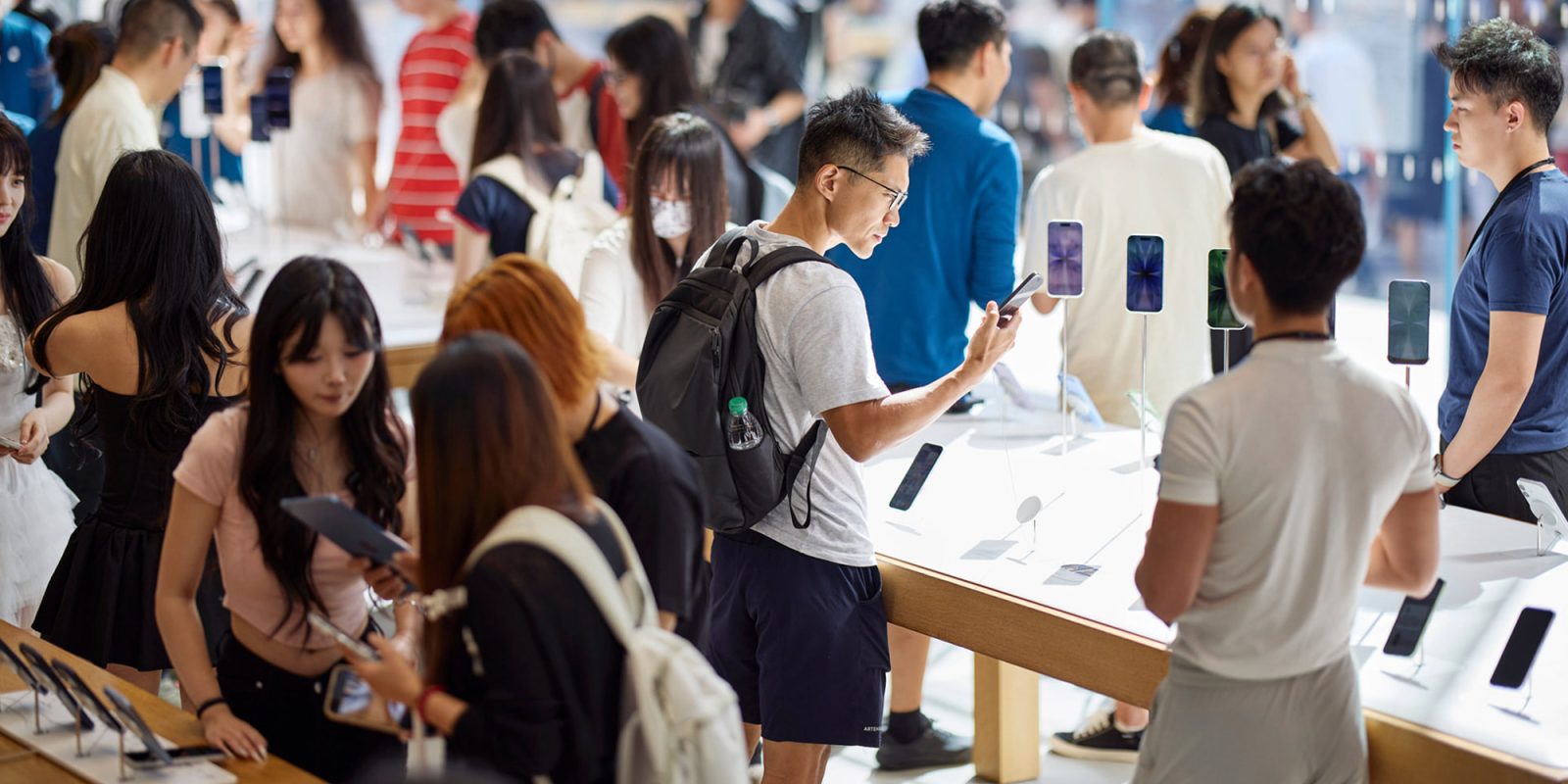
The response from the market has been immediate. Historically, these price drops correlate with a surge in "New User Acquisition" and "Upgrade Velocity." By lowering the price, Apple is successfully targeting two demographics: those who were waiting for a price drop to purchase their first iPhone, and those who have been holding onto older devices (the iPhone 13 or 14 series) and were waiting for a compelling enough price to justify the leap to the 17.
Implications for the Future of Apple in China
The implications of this strategy are profound. First, it demonstrates that Apple recognizes the "China Premium" is no longer an immutable law of its business. Consumers in China, even those with high brand loyalty, are increasingly price-conscious and comfortable switching brands if the value proposition of a domestic competitor is superior.
Second, the reliance on the 618 festival suggests that Apple’s growth in China is becoming cyclical. If the company cannot maintain its premium status without mid-year, deep-discount interventions, it faces a long-term challenge to its brand prestige. However, the short-term benefit is clear: maintaining a high "installed base" is vital for Apple’s Services division, which generates recurring revenue from App Store sales, iCloud subscriptions, and Apple Music.
Third, the competitive landscape is shifting. With Huawei’s resurgence, the "premium" segment of the market is no longer a monopoly held by Apple. Every yuan cut from the price of an iPhone 17 is a direct response to the pressure exerted by the Mate series and other flagship devices that offer localized features and competitive hardware.

Conclusion: A Delicate Balancing Act
As the 2026 618 shopping festival unfolds, Apple’s strategy is a masterclass in tactical flexibility. By leaning into the discounts, the company is prioritizing shipment volume and user retention over the maintenance of an uncompromising retail price floor.
The success of these measures will be reflected in the Q3 earnings reports. If the 4% growth seen in 2025 can be repeated or exceeded in 2026, Apple will have proven that its brand strength, when paired with strategic pricing, remains a formidable force in the Chinese market. However, the reliance on these festivals also underscores a new reality: in the most competitive smartphone market in the world, Apple must now fight for every sale, adapting its global strategy to the localized, high-velocity rhythms of the Chinese retail sector.
For the consumer, the timing has never been better. With the iPhone 17 series at its most accessible price point yet, the 618 festival represents a rare window where the gap between the aspiration of owning a flagship device and the reality of the consumer budget has been bridged. Whether this strategy will lead to sustained, organic growth or a permanent reliance on promotional cycles remains the central question for Apple’s executive team in the coming year.












No comments yet. Be the first to join the conversation!