Nila Kartika Wati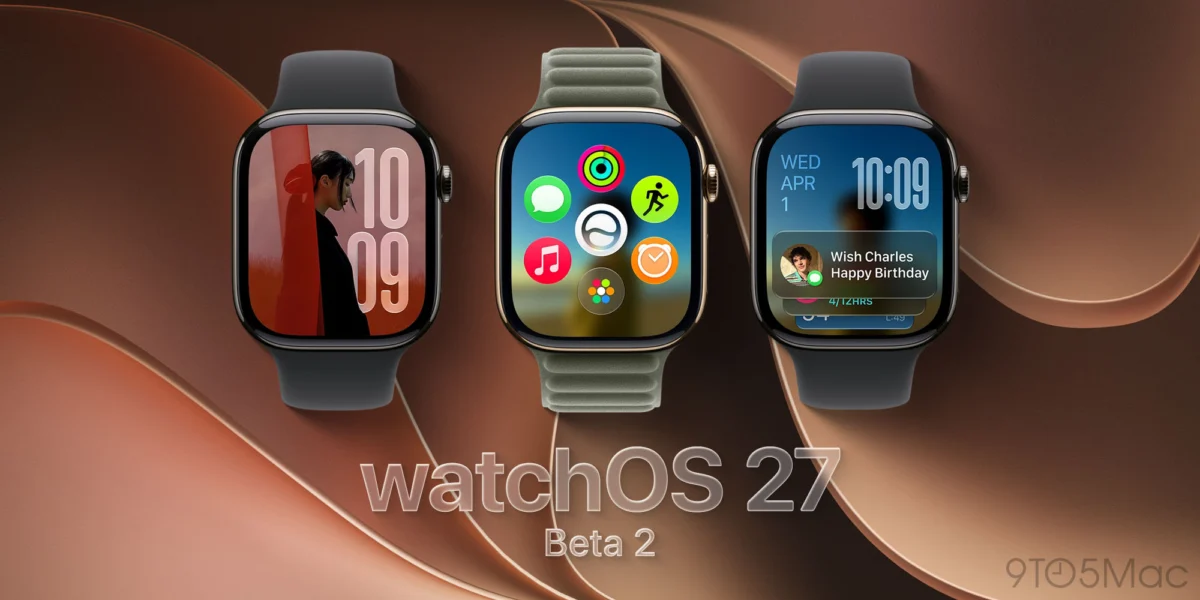
Following a flurry of activity earlier this week that saw Apple push out second developer beta iterations for iOS 27, iPadOS 27, and other major platforms, the company has officially closed the loop on its mid-summer software testing cycle. Today, Apple released watchOS 27 developer beta 2, providing the final piece of the puzzle for developers and enthusiasts eager to explore the latest iteration of the wearable operating system.
While the rollout represents a significant step forward in the refinement of the platform, the community’s attention remains firmly fixed on the horizon: the highly anticipated arrival of Siri AI on the wrist.
Main Facts: The Release and Current Status
The watchOS 27 developer beta 2 is now officially available for download. Registered developers can access the update directly through the Watch app on their paired iPhone, provided the device is running the corresponding iOS 27 developer beta. This synchronicity is a hallmark of Apple’s ecosystem, ensuring that the wearable device maintains full feature parity and compatibility with the smartphone that serves as its primary hub.
However, the launch has not been entirely without friction. Reports emerging shortly after the release confirm that beta 2 is currently unavailable for the Apple Watch Ultra 3. While users of other supported models are reporting successful installations, the exclusion of the top-tier wearable suggests a potential last-minute stability issue or a specific architectural requirement that Apple is still addressing.

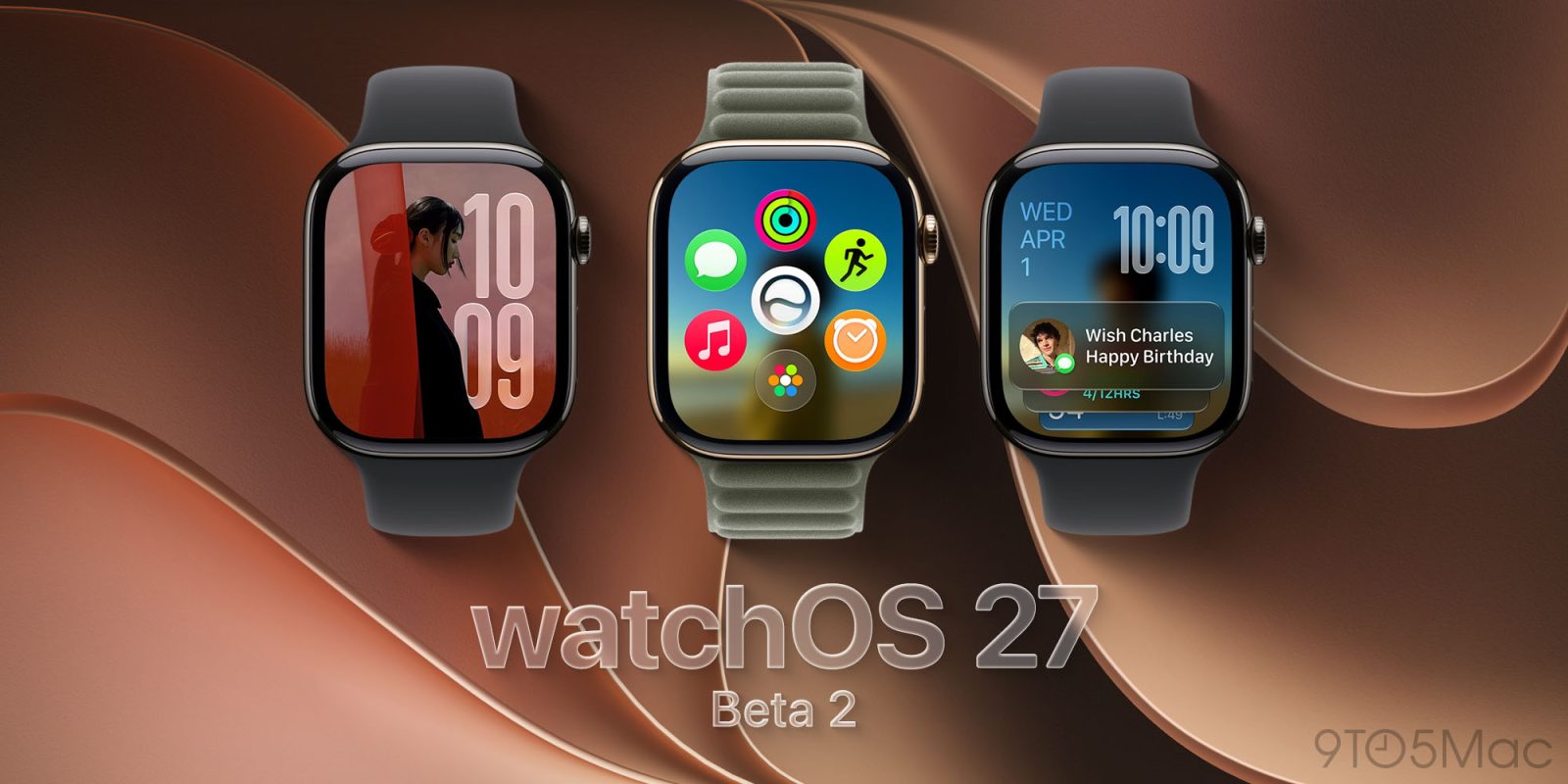
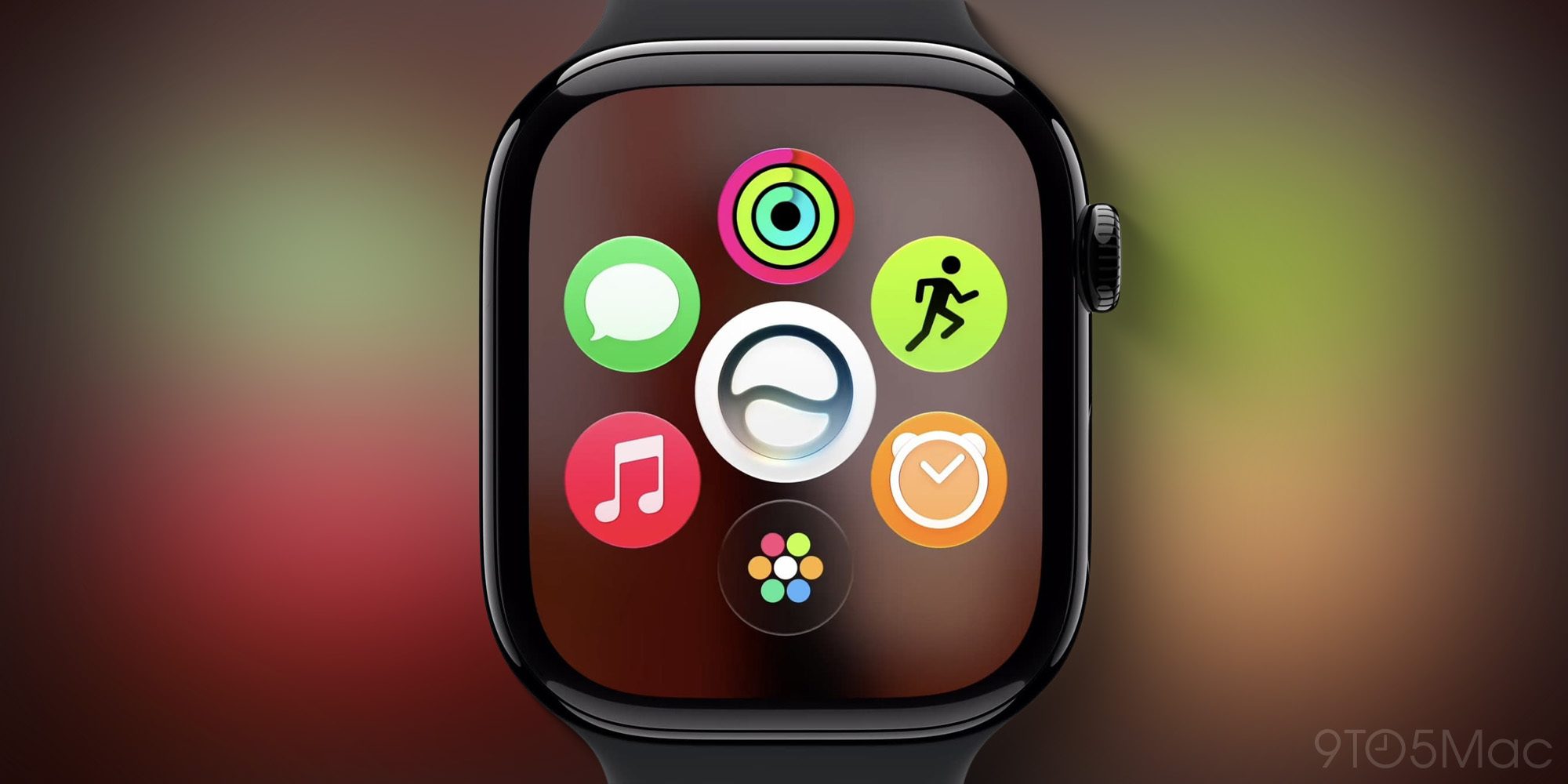
For those who successfully update, the focus is on stability, bug fixes, and the incremental refinement of the interface. Since the debut of watchOS 27 earlier this month, the platform has introduced a revised application grid and home screen experience, designed to streamline navigation and improve performance across the board.
Chronology: A Summer of Software Evolution
To understand the weight of this release, it is essential to view it within the context of Apple’s broader software roadmap.
- Early June 2026: Apple unveiled the latest suite of operating systems, including watchOS 27, at its annual developer event. The announcement was met with both excitement and controversy, particularly due to the news that five older Apple Watch models would be dropped from the support list.
- Mid-June 2026: The first developer betas were released to the public. During this initial phase, the community noted a glaring omission: the advanced, LLM-powered Siri AI that had been the centerpiece of the keynote’s vision for the future.
- Yesterday (June 22, 2026): Apple released second betas for iOS, iPadOS, and other platforms, leaving watchOS as the sole holdout, sparking immediate speculation among enthusiasts.
- Today (June 23, 2026): Apple released watchOS 27 beta 2, finally aligning the wearable OS with the rest of the ecosystem.
This staggered release pattern is common for Apple, as the team often prioritizes the stability of the core mobile operating system before ensuring the wearable platform is fully optimized for the new build.
Supporting Data: The Hardware Divide
The decision to limit watchOS 27 support—effectively cutting off five legacy Apple Watch models—has been a point of intense discussion among tech analysts and users alike. When Apple first announced the cutoff, many were left wondering if the hardware was truly obsolete or if the decision was purely strategic.
Apple has since clarified that the hardware requirements were dictated by the computational demands of the new, more sophisticated software stack. Specifically, the integration of on-device AI and the advanced processing required for the next generation of Siri features necessitates a level of Neural Engine performance and RAM that older models simply do not possess.
This creates a clear, if frustrating, divide: users with older devices are effectively locked out of the AI-driven future Apple is building. For those with supported models, the "tax" of this innovation is a higher barrier to entry, but the potential payoff is a more powerful, intelligent, and proactive wearable experience.
Official Responses: The Philosophy of "One Siri"
Perhaps the most critical piece of the watchOS 27 puzzle is the integration of Apple’s new AI-powered Siri. In official communications, Apple has been remarkably transparent about the goal of this transition: to move away from the fractured, platform-specific Siri experiences of the past.
A senior Apple representative recently articulated the company’s vision:
"We really wanted to make sure the Siri experience is a singular and consistent experience, whether I decide to ask Siri on my wrist a question, or whether I have my phone in my hand and I decide to interact with Siri there. We really wanted to feel like it’s one Siri, that has access to your data and is able to personalize it in a consistent way."
This philosophy suggests that the Apple Watch will no longer be a secondary citizen in the Siri hierarchy. Instead, the watch will leverage the same large language models (LLMs) as the iPhone and Mac, allowing it to understand complex queries, maintain context across sessions, and provide personalized assistance that feels truly integrated.
The delay in bringing this feature to watchOS is understandable when considering the engineering challenge: packing this level of intelligence into a device with such limited battery and thermal headroom. Apple has already confirmed that "Siri AI will be available for developer testing in a future watchOS 27 beta," signaling that while it is missing from beta 2, it remains the primary development target for the coming weeks.
Implications: A New Era for Wearable Computing
The implications of these updates extend far beyond a few new icons or a smoother interface. The transition to watchOS 27 represents a fundamental shift in how we interact with our wrists.

The AI-Centric Wrist
If Apple successfully delivers on its promise of a "singular Siri," the Apple Watch could move from being a notification mirror to a genuine AI assistant. Imagine being able to ask your watch to summarize a complex email, draft a reply based on your previous communication style, or cross-reference your health data with your calendar—all without ever touching your phone.
The Developer Challenge
For developers, the inclusion of more robust AI tools in the watchOS SDK will open doors for apps that are more proactive. Instead of requiring a user to tap through multiple menus, apps could potentially use the AI layer to anticipate needs, displaying relevant data exactly when it is needed.
Longevity and Value
The decision to drop support for older watches sends a strong signal about the future of the product category. Apple is clearly moving toward a hardware-first AI strategy. Users who have invested in recent models (such as the Ultra series or Series 9/10) are likely to see their devices become significantly more capable over the next few months, while those on older hardware may find that their devices, while still functional, are increasingly falling behind the "AI-first" standard.
Looking Ahead
As the beta cycle progresses through the summer, the tech community will be watching for the moment the "Siri AI" toggle finally flips on for watchOS testers. Whether it arrives in beta 3 or later remains to be seen, but the intent is clear.

For now, the focus for most developers and early adopters will be on stress-testing beta 2. With the release of this build, the entire Apple software ecosystem is now aligned in its testing phase, setting the stage for what promises to be one of the most transformative OS releases in the company’s history.
As we continue to monitor the situation, we will provide updates on the performance of beta 2, the potential resolution for the Apple Watch Ultra 3, and any early findings regarding the implementation of the long-awaited Siri AI. The gap between the wearable and the smartphone is closing; for Apple, the goal is to make that distance disappear entirely.

 Evan Lee Salim
 Suro Senen