Azzam Bilal Chamdy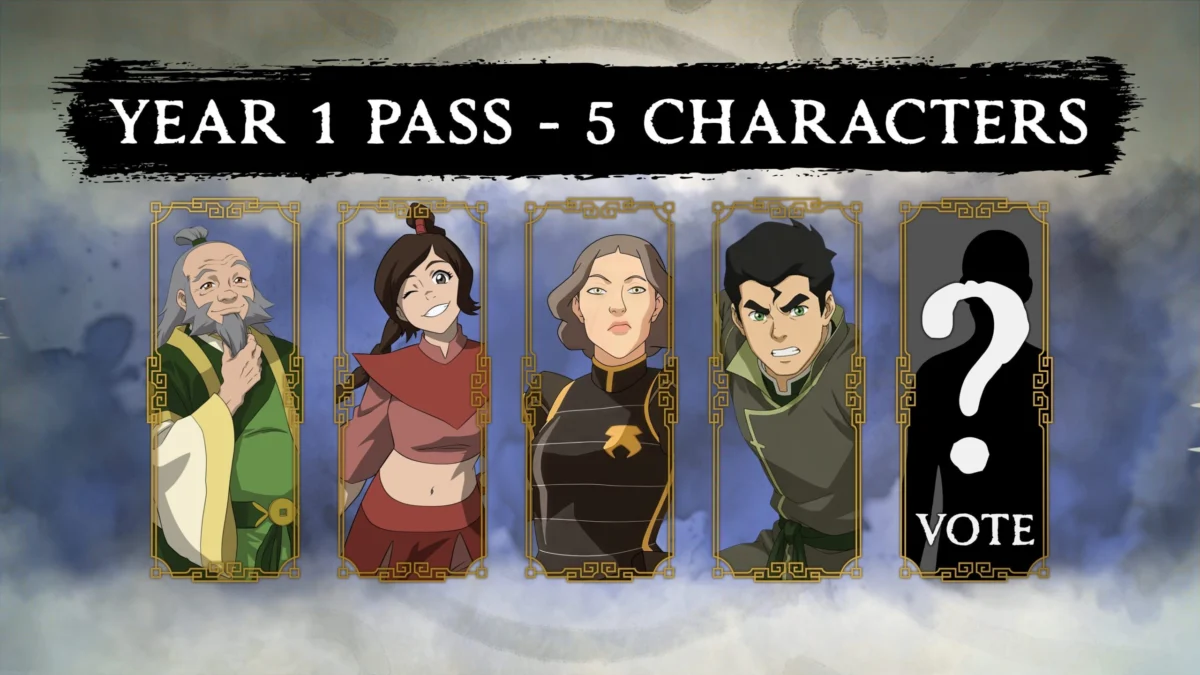
LOS ANGELES, CA – June 26, 2026 – The eagerly anticipated Avatar Legends: The Fighting Game, a groundbreaking title set to immerse players in the rich, elemental worlds of Avatar: The Last Airbender and The Legend of Korra, has officially opened digital pre-orders. Publishers Gameplay Group and PM Studios have not only initiated the pre-order phase but have also lifted the veil on an ambitious Year 1 Pass, featuring a formidable lineup of fan-favorite characters and an innovative community vote that promises to shape the game’s future roster.
The announcement sends a clear signal to the global fanbase of the beloved animated series: prepare for battle. With a digital release slated for July 23 across PlayStation 5, Xbox Series X|S, Nintendo Switch, and PC via Steam, the game is poised to deliver a unique blend of high-stakes fighting strategy and accessible action, bolstered by full cross-play support from day one. A physical edition, alongside a dedicated Nintendo Switch 2 version, is scheduled to follow later in 2026, ensuring a comprehensive rollout across all major platforms.
The revelation of the Year 1 Pass characters has ignited considerable excitement. Joining the fray are the charismatic Earthbender Bolin, the agile Chi-Blocker Ty Lee, the stoic Metalbending Chief Lin Beifong, and the wise Firebending master Uncle Iroh. Adding an unprecedented layer of player agency, the fifth character for the Year 1 Pass will be decided through a limited-time community vote, exclusively available to pre-ordering fans. This democratic approach allows the passionate Avatar community to directly influence the game’s expanding roster, choosing between five iconic figures: the terrifying Amon, the calculating Kuvira, the eccentric Bumi, the innovative Asami, or the disciplined Tenzin.
This strategic move by Gameplay Group and PM Studios underscores a commitment not just to delivering a faithful adaptation of the Avatar universe, but also to fostering deep, ongoing engagement with its dedicated fanbase. With a closed beta scheduled for early July, alongside a suite of pre-order and Deluxe Edition bonuses, Avatar Legends: The Fighting Game is gearing up for a dynamic launch that promises to redefine licensed fighting games.
Main Facts: Unveiling Avatar Legends: The Fighting Game’s Ambitious Launch and Post-Launch Strategy
The gaming world is abuzz with the latest developments surrounding Avatar Legends: The Fighting Game, a title poised to make a significant splash in the competitive fighting game landscape. This comprehensive announcement from Gameplay Group and PM Studios lays out a clear roadmap for the game’s impending launch and its ambitious post-release content plans, strategically designed to captivate both seasoned fighting game enthusiasts and casual fans of the iconic Avatar universe.
At its core, Avatar Legends: The Fighting Game is presented as a meticulously crafted experience that bridges the narrative richness of Avatar: The Last Airbender and The Legend of Korra with the intricate demands of a modern fighting game. The developers emphasize "dynamic combat" and "expressive bending mechanics," suggesting a system that goes beyond mere button mashing, aiming for a fluidity and visual flair that authentically represents the elemental bending arts. This design philosophy seeks to create a game that is simultaneously deep enough for competitive play and intuitive enough for newcomers, a delicate balance often sought but rarely perfected in the genre.
The digital release date of July 23, 2026, marks the primary launch window, bringing the game to a broad audience across PlayStation 5, Xbox Series X|S, Nintendo Switch, and PC via Steam. This multi-platform launch is a critical component of its accessibility strategy, ensuring that a maximum number of players can dive into the action from day one. Crucially, the announcement of full cross-play support at launch is a significant boon for the fighting game community. Cross-play capability is increasingly vital for maintaining a healthy and competitive player base, breaking down platform barriers and allowing friends to battle regardless of their chosen system. This feature alone positions Avatar Legends as a forward-thinking entry in the genre, acknowledging and addressing a key player demand.
In terms of pricing, the Standard Edition of the game is set at an accessible $29.99, a strategic price point that could attract a wider audience, potentially lowering the barrier to entry for those curious about fighting games or the Avatar franchise. For those seeking a more comprehensive package, the Deluxe Edition offers substantial added value. Priced higher, it includes a digital art book, a music soundtrack – appealing to lore enthusiasts and audiophiles – unique HUDs for personalized gameplay, and, most notably, the complete Year 1 Pass. This tiered offering caters to different levels of fan engagement, from the casual player to the dedicated collector.
The staggered release of the physical edition, published by PM Studios, later in 2026, alongside a dedicated version for the forthcoming Nintendo Switch 2, highlights a long-term vision. This approach caters to collectors who prefer tangible copies and demonstrates a commitment to supporting next-generation hardware. The decision to launch simultaneously with the Switch 2 further suggests confidence in the game’s longevity and its potential to capture a new wave of players on an evolving console landscape.
Central to the game’s post-launch strategy is the Year 1 Pass, which promises to significantly expand the roster with beloved characters. The initial reveal of Bolin, Ty Lee, Lin Beifong, and Uncle Iroh provides a tantalizing glimpse into the diverse fighting styles and personalities that will enrich the game. These characters represent a broad spectrum of bending disciplines and combat approaches from the Avatar universe, from Bolin’s robust Earthbending and unique Lavabending, to Ty Lee’s agile, non-bending Chi-blocking, Lin Beifong’s precise Metalbending, and Uncle Iroh’s masterful, philosophical Firebending.
Perhaps the most innovative aspect of the Year 1 Pass is the community vote for the fifth character. This limited-time event, exclusive to pre-ordering fans, empowers players to choose from a compelling list of fan-favorite characters: Amon, Kuvira, Bumi, Asami, or Tenzin. This direct involvement of the community is a brilliant marketing and engagement tactic, fostering a sense of ownership and excitement that extends beyond the initial purchase. It transforms a passive content release into an interactive event, strengthening the bond between the developers and their player base.
Collectively, these facts paint a picture of a well-thought-out launch strategy for Avatar Legends: The Fighting Game. From its multi-platform availability and crucial cross-play support to its accessible pricing, comprehensive Deluxe Edition, and innovative community-driven content, the game is positioning itself as a major contender in the licensed fighting game space, striving to honor its source material while pushing the boundaries of player engagement.
A Journey Through Time: Chronology of Development and Key Announcements
While the official announcement of pre-orders and the Year 1 Pass marks a pivotal moment for Avatar Legends: The Fighting Game, its journey to this stage has been a culmination of anticipation and strategic revelations. Though specific early development dates are not detailed in the latest press release, a plausible chronology can be inferred, highlighting the build-up to this significant launch.
Genesis and Initial Announcement
The concept of an Avatar universe fighting game has likely been a dream for many fans for years, given the series’ emphasis on martial arts and elemental combat. While the exact date of the game’s initial reveal isn’t provided, it’s reasonable to assume that Avatar Legends: The Fighting Game would have been announced formally at a major gaming event or through a dedicated press release sometime in late 2024 or early 2025. This initial announcement would have likely been accompanied by a teaser trailer or concept art, designed to generate early hype and confirm the project’s existence. Such early reveals are crucial for building a community and attracting initial attention in a crowded market.
Cultivating Anticipation: Feature Reveals and Gameplay Showcases
Following its initial announcement, the development team would have embarked on a campaign of staggered reveals, gradually unveiling key aspects of the game. This would typically include showcasing early gameplay footage, introducing core mechanics like the "dynamic combat" and "expressive bending," and perhaps teasing a portion of the initial roster. These periodic updates, likely through developer diaries, interviews, and appearances at digital showcases (e.g., Summer Game Fest, PlayStation State of Play, Xbox Games Showcase), would have kept the game in the public consciousness and steadily built anticipation among both fighting game enthusiasts and Avatar loyalists. The "Pre-Order Trailer" released alongside the current announcement is a clear example of this ongoing media push, designed to give players a taste of the action and solidify their purchasing decision.
The Immediate Horizon: Pre-Orders and Beta Access
The most recent and impactful development is the official opening of digital pre-orders. This signals that the game is nearing its final stages of development and is confident enough to allow players to commit financially. The strategic incentive for pre-ordering is immediate access to the closed beta, scheduled for July 2 to 5, 2026. This brief but crucial window serves multiple purposes: it rewards early adopters with exclusive gameplay, allows developers to stress-test servers and gather invaluable feedback on mechanics and balance, and generates further word-of-mouth ahead of the full launch. The beta is a vital proving ground, providing a last chance for critical adjustments based on real-player experience.
Digital Launch and Physical Release Strategy
The digital launch of Avatar Legends: The Fighting Game is firmly set for July 23, 2026. This date marks the culmination of the core development cycle and the moment players can finally dive into the full experience. The decision to release digitally first is common in the industry, allowing for quicker deployment and iterative updates.
Following the digital release, the physical edition, published by PM Studios, is slated for release "later this year." This staggered approach caters to different consumer preferences, acknowledging that a significant portion of the gaming community still values physical copies for collection or resale. Furthermore, the strategic decision to align the physical release with a dedicated version for the Nintendo Switch 2, also in late 2026, showcases a forward-thinking approach. This move ensures the game is available on the latest hardware, potentially capturing a new audience segment and maximizing its lifespan across console generations.
Community Vote and Post-Launch Content Rollout
The innovative community vote for the fifth Year 1 Pass character is scheduled to begin in "late summer" (following the game’s initial launch). This timing is crucial; it ensures players have had some experience with the game before making an informed decision, and it maintains engagement beyond the initial release window. The Year 1 Pass itself, with its confirmed characters (Bolin, Ty Lee, Lin Beifong, Uncle Iroh) and the community-chosen addition, represents the first significant wave of post-launch content, signaling a commitment to ongoing support and expansion of the game’s universe. This structured release of content, from initial launch to subsequent character additions, creates a compelling narrative of continuous evolution for Avatar Legends: The Fighting Game.
Supporting Data: Diving Deep into Roster, Mechanics, and Player Incentives
The success of any fighting game hinges on its core mechanics, its character roster, and the value it offers to players. Avatar Legends: The Fighting Game appears to be addressing these critical areas with a robust strategy, offering a compelling blend of beloved characters, intricate gameplay promises, and enticing incentives for early adopters.
The Foundation: The Implied Launch Roster
While the press release doesn’t explicitly list the full launch roster, the pre-order bonuses provide a strong indication of core characters: Aang, Korra, Zuko, Katara, Toph, and Sokka. These represent the primary protagonists and antagonists-turned-allies from both Avatar: The Last Airbender and The Legend of Korra. Each character brings a distinct fighting style rooted in their elemental bending or combat proficiency from the shows:
- Aang (Airbender): Likely characterized by high mobility, evasive maneuvers, and spiritual attacks. His fighting style would emphasize agility and misdirection.
- Korra (Water, Earth, Fire, Airbender): A true all-rounder, Korra could feature stances or modes that allow her to switch between different elements, offering a versatile yet demanding playstyle for mastering all four.
- Zuko (Firebender): Aggressive and direct, Zuko’s style would focus on powerful, close-range firebending attacks and martial arts.
- Katara (Waterbender): Characterized by fluid, defensive, and potentially healing-based moves, capable of zoning opponents and controlling space.
- Toph (Earthbender/Metalbender): A grounded, defensive, and high-damage character, relying on seismic sense for counter-attacks and powerful earthbending slams.
- Sokka (Non-bender, Weapon-user): As the master strategist and sword-wielder, Sokka would likely be a trickster or zoning character, utilizing his boomerang and sword for unique attack patterns and setups.
This initial lineup alone offers a rich tapestry of combat possibilities, ensuring diverse match-ups and strategic depth from the outset.
Expanding the Universe: Year 1 Pass Character Analysis
The Year 1 Pass is a critical component for the game’s longevity and fan engagement. The confirmed characters, alongside the community vote, demonstrate a commitment to expanding the roster with iconic figures:
- Bolin (Earthbender, Lavabender): From The Legend of Korra, Bolin’s style would blend traditional earthbending’s brute force with the unique, area-denial capabilities of lavabending. He could be a mid-range brawler with zoning potential.
- Ty Lee (Non-bender, Chi-Blocker): Hailing from The Last Airbender, Ty Lee would be an agile, pressure-heavy character, relying on quick strikes and chi-blocking techniques to disable opponents’ bending or special moves, creating openings for combos.
- Lin Beifong (Earthbender, Metalbender): As the Chief of Police in Republic City, Lin’s fighting style would be highly structured and tactical, utilizing metal cables for grappling, swift movements, and powerful metalbending attacks for precise control and damage.
- Uncle Iroh (Firebender, Philosophical Master): Iroh, from The Last Airbender, would likely be a unique firebender, perhaps focusing on defensive maneuvers, counter-attacks, and redirection techniques, embodying his wisdom and less aggressive but equally potent approach to firebending. His moves might incorporate spiritual elements or calming effects.
The Power of the People: The Community Vote
The decision to involve the community in selecting the fifth Year 1 Pass character is a brilliant strategic move, fostering unparalleled fan engagement. The candidates represent some of the most compelling and distinct figures from both series:
- Amon (Bloodbending, Anti-bending Leader): A terrifying villain from The Legend of Korra, Amon’s inclusion would introduce a dark, oppressive playstyle centered around disabling opponents’ bending, creating a unique meta-game challenge.
- Kuvira (Metalbender, Tactical Leader): The Great Uniter from The Legend of Korra, Kuvira’s precision metalbending and military background suggest a highly technical, zone-control character, adept at setting traps and punishing mistakes.
- Bumi (Airbender, King of Omashu): Aang’s eccentric son from The Legend of Korra, Bumi’s airbending is free-spirited and powerful, yet less disciplined. He could be a chaotic, high-mobility character with unpredictable attack patterns.
- Asami Sato (Non-bender, Inventor): Korra’s partner and an industrialist, Asami’s combat would revolve around her mechanical skills, likely featuring electric gloves, gadgets, and swift martial arts, offering a unique tech-based playstyle.
- Tenzin (Airbending Master, Spiritual): Aang’s son and Korra’s airbending master, Tenzin would embody the pinnacle of traditional airbending—disciplined, defensive, yet capable of immense power, focusing on control and powerful gusts.
Each candidate offers a distinctly different gameplay experience, making the choice incredibly impactful and ensuring that the community’s voice will significantly shape the game’s future.
Pre-Order and Deluxe Edition Incentives: Maximizing Value
The incentives for pre-ordering and purchasing the Deluxe Edition are designed to reward early commitment and enhance the overall player experience:
- Closed Beta Access (July 2-5): This is the most significant draw for competitive players and eager fans. It provides a sneak peek, allows for early practice, and contributes directly to the game’s polish through player feedback.
- Gold Color Variants: Aesthetic customization is a key aspect of fighting games. Gold variants for Aang, Korra, Zuko, Katara, Toph, and Sokka offer an exclusive visual flair for core characters, appealing to collectors and those who wish to stand out.
- Samurai Appa Support Character Skin: The mention of a "support character skin" for Samurai Appa hints at a potential support or assist mechanic within the game, adding another layer of strategic depth beyond one-on-one combat. This skin would be a charming and unique cosmetic.
- Digital Art Book and Music Soundtrack (Deluxe Edition): These extras appeal directly to the lore enthusiasts and fans of the Avatar universe, offering a deeper dive into the game’s artistic vision and sound design.
- Unique HUDs (Deluxe Edition): Personalization extends to the user interface, allowing Deluxe Edition owners to customize their on-screen display, further enhancing their individual gaming experience.
Game Mechanics: "Dynamic Combat" and "Expressive Bending"
The developers’ promises of "dynamic combat" and "expressive bending mechanics" are crucial. This suggests a system that:
- Visually Authentic Bending: Attacks will not only deal damage but will also look and feel like true bending from the shows, with elaborate animations, elemental effects, and impact.
- Element-Specific Stances/Modes: Characters like Korra or Aang might switch between elements, each with its own move set and properties, demanding mastery of multiple styles.
- Resource Management: Bending could be tied to a resource meter, requiring strategic use of powerful attacks versus basic maneuvers.
- Environmental Interactions: The arenas might feature destructible elements or interactable objects that can be leveraged using bending.
- Accessibility for Casuals: Simplified input commands, auto-combos, or robust tutorial systems could ensure that players new to fighting games can quickly grasp the basics and enjoy the action.
- Depth for Veterans: Advanced techniques such as parries, counters, specific frame data, combo extensions, and unique character matchups would provide the competitive challenge that fighting game veterans seek.
The combination of a diverse and expanding roster, a community-driven content strategy, and thoughtfully designed mechanics positions Avatar Legends: The Fighting Game to be a significant and engaging entry in the fighting game genre.
Official Responses and Developer Insights: Crafting the Avatar Legacy
While the current press release does not contain direct quotes from the developers, the strategic announcements themselves serve as a form of official response, revealing the core philosophy and ambitions behind Avatar Legends: The Fighting Game. By analyzing the stated features and incentives, we can infer the guiding principles from Gameplay Group and PM Studios.
Commitment to Authenticity and Fan Service
The sheer fidelity to the source material is paramount for any Avatar game. The inclusion of beloved characters for the Year 1 Pass – Bolin, Ty Lee, Lin Beifong, and Uncle Iroh – alongside the meticulously chosen candidates for the community vote (Amon, Kuvira, Bumi, Asami, Tenzin) speaks volumes about the developers’ dedication to fan service. This isn’t merely a licensed game; it’s an evident attempt to immerse players deeply within the established lore. We can infer that the developers aim to ensure each character’s fighting style, animations, and voice lines (speculatively, hopefully involving original voice actors where possible, or talented sound-alikes) are authentic to their on-screen counterparts. The game description itself, promising to "bring the rich worlds of Avatar: The Last Airbender and The Legend of Korra to life," is a direct statement of this commitment.
Balancing Accessibility and Competitive Depth
A recurring challenge for licensed fighting games is balancing the appeal to casual fans of the IP with the demands of the hardcore fighting game community. The developers’ statement that the game is "built for both fighting game veterans and casual fans alike" is a bold claim. This implies a development philosophy centered on intuitive controls and clear visual feedback for newcomers, perhaps through simplified combo systems or extensive tutorials, while simultaneously incorporating intricate mechanics, frame data, and character-specific nuances for competitive play. This dual focus suggests that Gameplay Group and PM Studios are aiming for a broad appeal, crucial for the long-term health of any new fighting game IP.
The Power of Community Engagement
The decision to implement a community vote for a Year 1 Pass character is a powerful statement about the developers’ belief in player agency and engagement. This isn’t just a marketing gimmick; it’s an acknowledgement of the passionate and opinionated Avatar fanbase. This move indicates a desire to co-create the game’s future with its audience, fostering a sense of ownership and loyalty. Such an initiative also generates significant discussion and anticipation, effectively turning the community into an extension of the marketing and development team. We can infer a desire to build a vibrant, active community around the game, sustained by ongoing dialogue and content.
Vision for Post-Launch Support and Longevity
The announcement of a Year 1 Pass, even before the game’s launch, signals a clear intent for long-term post-launch support. This commitment to ongoing content—new characters, potentially new stages, and balance updates—is vital for a fighting game’s longevity. It reassures players that their investment will be rewarded with continuous evolution of the game. The staggered release of the physical edition and the dedicated Nintendo Switch 2 version further underscores this long-term vision, positioning Avatar Legends not just as a launch title, but as a platform that will grow and adapt with its player base and evolving hardware.
Art Style and Presentation
While not explicitly detailed, the accompanying trailer and screenshots (mentioned in the original article) would undoubtedly showcase the game’s visual style. One can infer a commitment to translating the distinct animation aesthetics of Avatar: The Last Airbender and The Legend of Korra into a 3D fighting game engine. This would likely involve vibrant cel-shaded graphics, dynamic camera angles, and elaborate special effects for bending, all designed to evoke the feeling of watching the beloved animated series in an interactive format. The digital art book included in the Deluxe Edition further supports this focus on the game’s visual fidelity and artistic direction.
In essence, the collective "official response" from Gameplay Group and PM Studios paints a picture of a development team deeply respectful of the Avatar legacy, ambitious in its gameplay design, and strategically focused on community building and long-term support. Their actions and announcements communicate a clear message: Avatar Legends: The Fighting Game is being crafted with care, vision, and a keen understanding of its audience.
Implications: The Broader Impact on the Fighting Game Genre and Avatar Fandom
The impending launch of Avatar Legends: The Fighting Game carries significant implications, not only for the devoted fanbase of the Avatar universe but also for the broader fighting game genre itself. Its strategic decisions regarding accessibility, content, and player engagement could set new precedents and reshape expectations.
Impact on the Fighting Game Landscape
-
New IP in a Crowded Genre: The fighting game genre is dominated by established titans like Street Fighter, Tekken, Mortal Kombat, and Guilty Gear. For a new IP, especially a licensed one, to carve out a niche requires a unique selling proposition. Avatar Legends leverages an immensely popular global franchise, but its success will hinge on whether it can translate that appeal into compelling gameplay that stands alongside, or even differentiates itself from, the genre’s heavyweights. The accessible $29.99 price point could position it as an attractive entry point for newcomers to fighting games, potentially broadening the genre’s audience.
-
Accessibility vs. Depth – A Defining Challenge: The promise to cater to "both fighting game veterans and casual fans alike" is a common aspiration but a difficult execution. If Avatar Legends can genuinely deliver on this—offering intuitive controls for casual players while providing deep mechanics, frame data, and intricate character matchups for competitive players—it could become a blueprint for future licensed fighting games. Failure to strike this balance, however, risks alienating either segment, leading to a fragmented or short-lived player base.
-
Cross-Play as a Standard-Bearer: The inclusion of full cross-play at launch is a monumental advantage. For fighting games, a healthy player count is crucial for matchmaking, competitive integrity, and the overall longevity of the title. By eliminating platform silos, Avatar Legends maximizes its potential player pool, fostering a more vibrant and enduring community. This move reinforces the growing expectation that cross-play should be a standard feature in all modern fighting games.
-
Innovation in Content Delivery and Player Agency: The community vote for a Year 1 Pass character is a particularly significant innovation. It moves beyond traditional DLC announcements, directly involving players in the game’s evolution. If successful, this model could inspire other developers to adopt similar community-driven content strategies, fostering deeper player investment and creating a more dynamic post-launch roadmap for the genre.
Impact on the Avatar Franchise
-
Expanding the Universe Through Interactive Combat: The Avatar franchise has seen various expansions through comics, novels, and the upcoming live-action series. A dedicated fighting game offers a unique way to explore the combat philosophies and elemental bending forms in an interactive, competitive setting. It allows fans to embody their favorite characters and engage in dream matchups that the animated series could only hint at.
-
Renewed Fan Engagement and Nostalgia: For long-time fans, the game taps into deep nostalgia, allowing them to revisit beloved characters and settings. For newer fans or those introduced through the live-action series, it offers another compelling entry point into the rich lore. The community vote is a masterclass in fan engagement, turning a passive content release into an active, democratic process that amplifies excitement and discussion within the fandom.
-
Potential for Esports: While highly speculative, a well-executed fighting game with a dedicated player base and robust online infrastructure could potentially foster an esports scene. The inherent competitive nature of the Avatar universe, with its distinct bending styles and martial arts, lends itself naturally to competitive play. Success in this arena would significantly elevate the game’s profile and the broader franchise.
-
Market Positioning Against Other Licensed Fighters: Avatar Legends enters a space with few direct competitors, especially within its specific sub-genre of elemental martial arts. While games like Nickelodeon All-Star Brawl feature Avatar characters, Avatar Legends offers a focused, dedicated experience. This niche positioning could allow it to dominate


 Lina Irawan
 Sagoh
Sagoh