

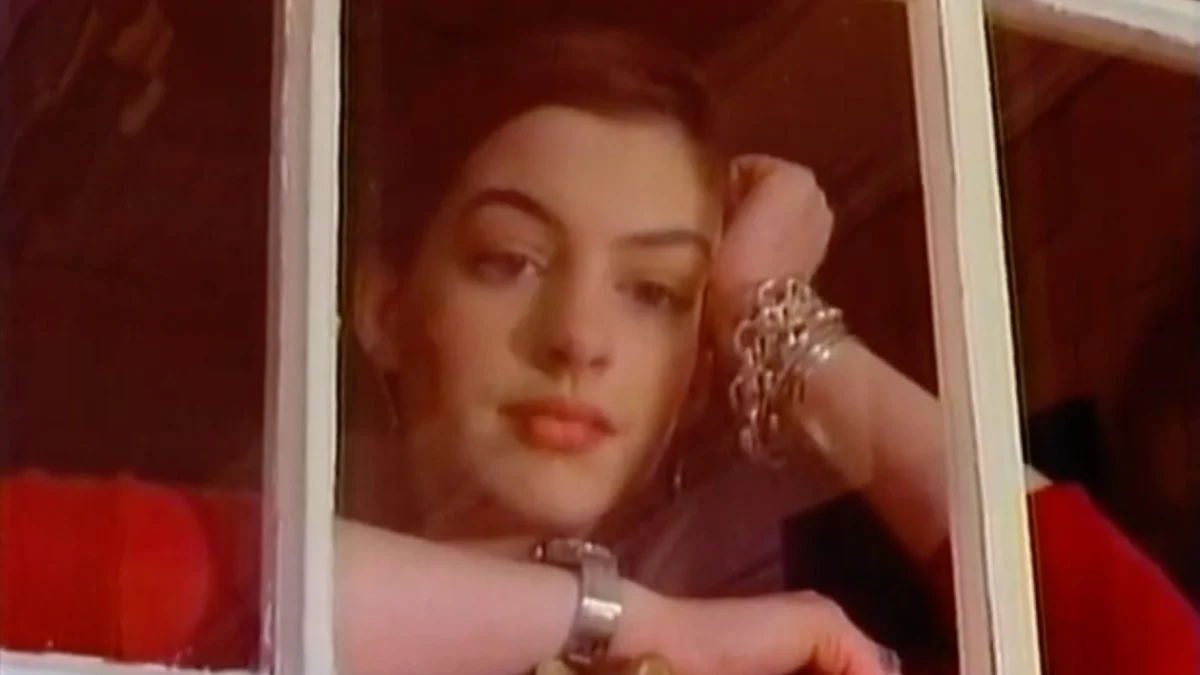
In the vast, sprawling landscape of television history, certain programs exist as fascinating footnotes—works that, while short-lived, serve as critical origin stories for future cultural icons. One such project is the 1999 Fox dramedy Get Real. While it vanished from the airwaves after a single, truncated season, it remains a vital time capsule, offering a rare glimpse into the burgeoning talents of Anne Hathaway and Jesse Eisenberg long before they became Academy Award-nominated fixtures of the Hollywood A-list.
The Genesis of the Green Family
Developed by Clyde B. Phillips—a creative force who would later pivot to the darker, more visceral world of Dexter—Get Real premiered in September 1999. The series focused on the Green family, a suburban unit struggling with the quiet desperation of middle-class existence in the waning days of the millennium.
The premise was rooted in the classic domestic dramedy mold but infused with a sardonic, meta-textual edge. The household was anchored by parents Mary (Debrah Farentino) and Mitch (Jon Tenney), who were navigating the fraying edges of their marriage and professional lives. The children represented a spectrum of suburban archetypes: Eric Christian Olsen played the underachieving son, Cameron; Jesse Eisenberg portrayed the socially awkward youngest son, Kenny; and Anne Hathaway starred as Meghan, the "perfect" daughter whose sudden, rebellious pivot toward independence provided the show’s emotional engine.
A Chronology of a Cult Classic
The timeline of Get Real is brief but impactful. Premiering in the fall of 1999, the show arrived at a peculiar junction in television history. The late nineties were dominated by the earnest melodrama of Dawson’s Creek and the existential angst of My So-Called Life. Get Real attempted to occupy a middle ground, refusing to lean fully into the soap opera tropes of its competitors while avoiding the slapstick absurdity that would soon define hits like Malcolm in the Middle.
Over the course of its 22-episode production order—of which only 20 aired—the series explored the messy reality of the Green family. It touched on adult infidelity, the crushing weight of academic expectations, and the volatile nature of teenage sexual identity. However, the show struggled to find a consistent audience. It was wedged in a competitive television landscape where viewers were increasingly drawn to genre-bending hits like Roswell or the high-minded political intrigue of The West Wing. By the time the final episode aired, the show was relegated to the "cancelled too soon" bin, yet its legacy began to crystallize years later as the stars of the show rose to international prominence.
Supporting Data: The Talent Pipeline
The most compelling aspect of Get Real is not its narrative arc, but the sheer density of future star power packed into its cast.
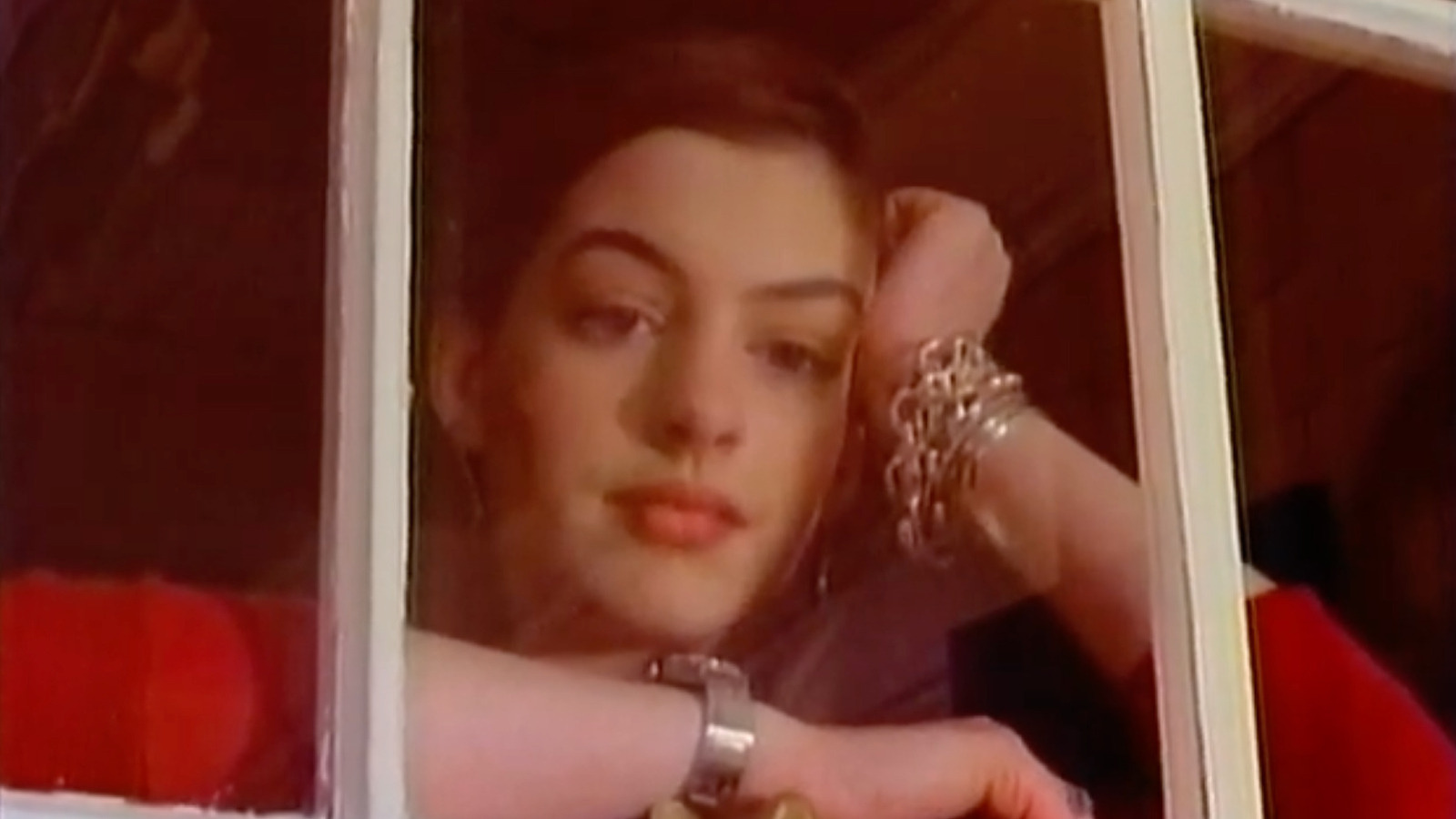
- Anne Hathaway: Before she was winning Oscars for Les Misérables or commanding the screen in The Devil Wears Prada, Hathaway’s turn as Meghan Green displayed a preternatural comfort in front of the camera. Her ability to pivot from a traditional "good girl" archetype to a complex young woman navigating the existential dread of college-bound adulthood signaled a performer of significant range.
- Jesse Eisenberg: Long before he became the definitive Mark Zuckerberg in The Social Network or the frantic energy of Zombieland, Eisenberg brought a jittery, authentic vulnerability to the role of Kenny. His performance captured the specific, painful awkwardness of being an adolescent male at the turn of the century.
- Eric Christian Olsen: While Hathaway and Eisenberg went on to massive film careers, Olsen found long-term stability and success as a staple of the procedural giant NCIS: Los Angeles. His performance in Get Real as the wayward brother hinted at the comedic timing and dramatic depth that would sustain his lengthy career.
The irony of their trajectory is underscored by their later reunion. A decade after Get Real concluded, Hathaway and Eisenberg lent their voices to the Rio franchise. The pairing of these two performers—from struggling, angst-ridden siblings in a suburban sitcom to the leads of a major animated blockbuster—serves as a poetic "then and now" narrative for industry observers.
Tonal Ambition and Critical Reception
Get Real was characterized by a distinct stylistic choice: breaking the fourth wall. In the pilot episode, Meghan Green explicitly interrupts her own voiceover narration to address the camera, a technique that was intended to establish a knowing, ironic distance between the character and the audience.
Critics at the time were divided. Some praised the show’s "wry sense of humor" and its refusal to engage in the sugar-coated sentimentality typical of the era’s teen dramas. Others, however, found the meta-commentary "smugly irritating." The show’s desire to tackle "real" issues—such as middle-aged malaise and complex sexual dynamics—while maintaining a tongue-in-cheek tone created a tonal friction that some viewers found difficult to reconcile.
In hindsight, this "wobbly" approach appears more like a visionary attempt to modernize the family sitcom. It was attempting to strip away the artifice of the nineties family dynamic, a move that would eventually become standard practice in the post-Arrested Development and post-Office landscape.
Cultural Implications: A Relic of the Y2K Era
To watch Get Real today is to step into a specific cultural museum. The dialogue is peppered with references to the looming Y2K bug, the rise of the personal computer in the home, and the early, tentative warnings about the "PC" culture that was beginning to permeate high school hallways.
The show serves as a study in the "almost" of television history. It sits in the shadow of giants, a transitional piece of media that helped define the transition from the nineties teen archetype to the more cynical, self-aware characters of the early 2000s. While it didn’t find the longevity of its contemporaries, it succeeded in something perhaps more important: it served as a rigorous training ground for performers who would go on to shape the next two decades of Hollywood cinema.
Looking Back: Why It Matters
When examining the careers of A-listers, the public often looks to the "breakout" role—the one that catapulted them to fame. But Get Real reminds us that stardom is rarely an overnight phenomenon. It is built in the trenches of twenty-episode seasons, in the awkward delivery of pilot lines, and in the collaborative chemistry of a cast that hasn’t yet realized they are witnessing the start of their own legends.
The show did not want to be your average teen series, and in its failure to conform to the standard industry mold, it achieved a level of cult status that a more successful, conventional show might never have attained. For those interested in the evolution of television or the foundational work of Hathaway and Eisenberg, Get Real is not merely a piece of nostalgia; it is a vital, albeit minor, piece of the cultural puzzle.
In the final analysis, Get Real remains a testament to the fact that even in the most "little-seen" projects, greatness can be found. It is a reminder that the stars we see on the red carpet today were once just young actors in a suburban house on a Fox set, trying to make sense of a world that was just as confused as they were. Whether it was a "gem" or a "misstep" depends on the viewer, but its place in the lineage of modern television is, and will remain, firmly secured.










