Raul Delapena Setiawan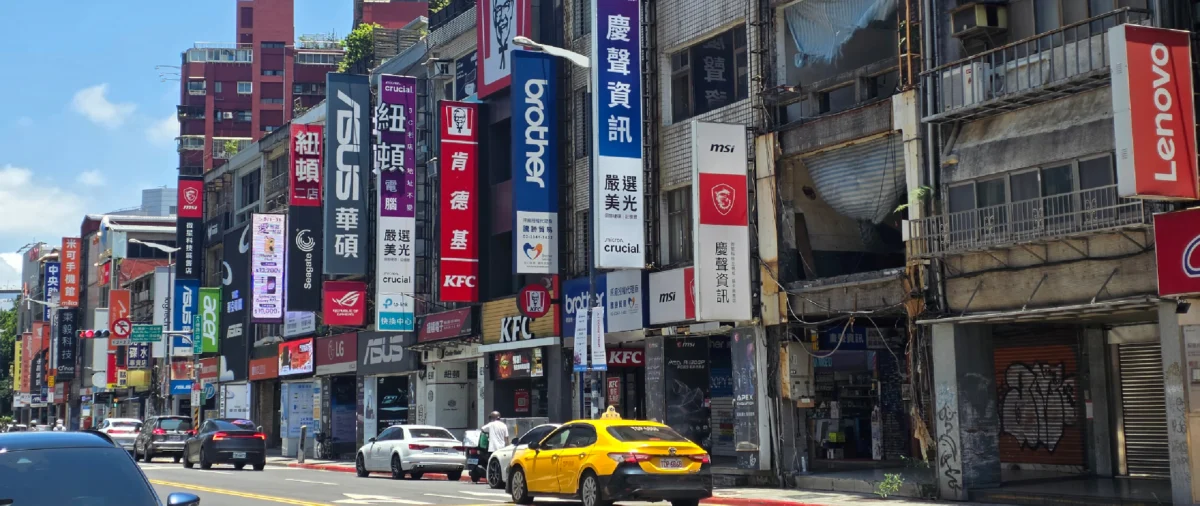
For decades, the global tech community has turned its eyes toward Taipei, Taiwan, during the early summer. Computex has long been the definitive stage where the future of computing is not just discussed, but physically unveiled. Readers typically see the polished end results: sleek hands-on reviews, benchmark-heavy performance analyses, and the glossy marketing materials that accompany a major product launch.
However, the reality of covering an event of this magnitude is a far cry from the pristine pages of a tech publication. It is a grueling, high-stakes marathon of logistics, jet lag, and late-night technical breakthroughs. As Tom’s Hardware boots up its coverage for Computex 2026, we are pulling back the curtain to show you exactly how the "sausage is made." This is our "War Room" dispatch: a raw, unfiltered look at the journey our editorial team takes to bring you the cutting edge of silicon and software.
The Logistics of Innovation: Surviving the Pre-Show Grind
Before the first keynote speaker takes the stage, the editorial team has already logged hundreds of collective flight hours. For the 2026 contingent, the trek to Taipei was an exercise in endurance.
"I arrived in Taipei in the blistering heat after three flights and 22 hours in transit," says Editor-in-Chief Paul Alcorn. "It’s a grueling trip as usual, but the work doesn’t wait for the body clock to adjust."
This sentiment is echoed across the board. From Staff Writer Joe Shields’ 17-hour journey from Ohio to Senior Analyst Jake Roach’s 20-hour transit, the physical toll is a silent partner to the editorial process. For the journalists on the ground, the "pre-show" period is characterized by a frantic search for reliable Wi-Fi, the navigation of local transit systems like Taipei’s efficient MRT, and the constant balancing act of maintaining a professional output while battling a 13-hour time difference.
Chronology of a Tech Invasion: The "Day 0" Dispatches
While the official opening ceremonies for Computex 2026 were still on the horizon, the news cycle had already begun. Here is how our team navigated the critical hours leading up to the main event.
The Acer Offensive
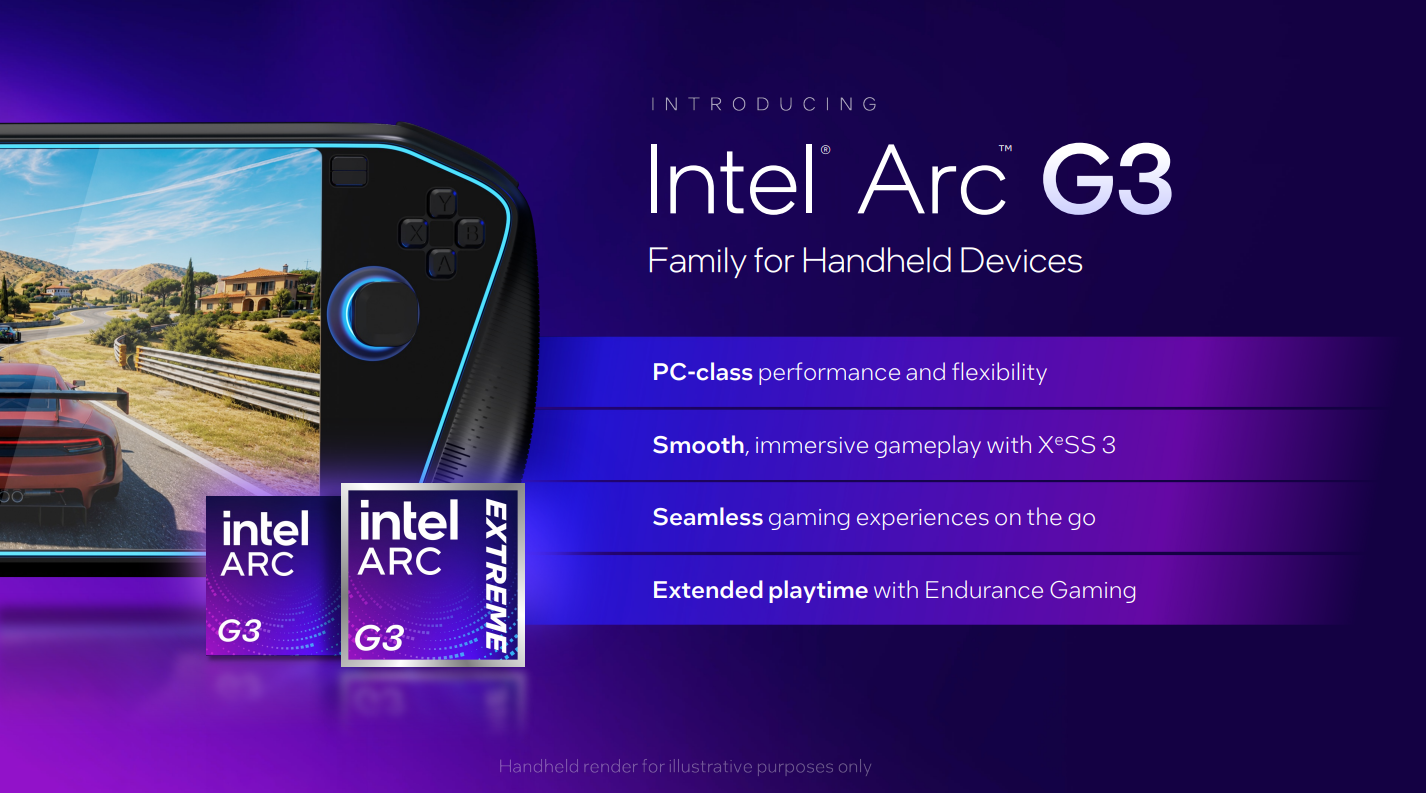
The early focus for much of the team was the Acer demo suite. The company has made significant waves this year with the introduction of the Predator Atlas 8 gaming handheld, powered by Intel’s G3 Extreme processor.
The device, which features a segment-first metal fan for enhanced airflow, represents a shift in handheld gaming capabilities. Our analysts were able to witness the device running Forza Horizon 6 at 1080p, High settings, without the crutch of upscaling. This level of native performance is a milestone for portable gaming, though as Managing Editor Matt Safford noted, "The real story hinges on two unknowns: final performance tuning and the retail price point."
The Qualcomm Pursuit
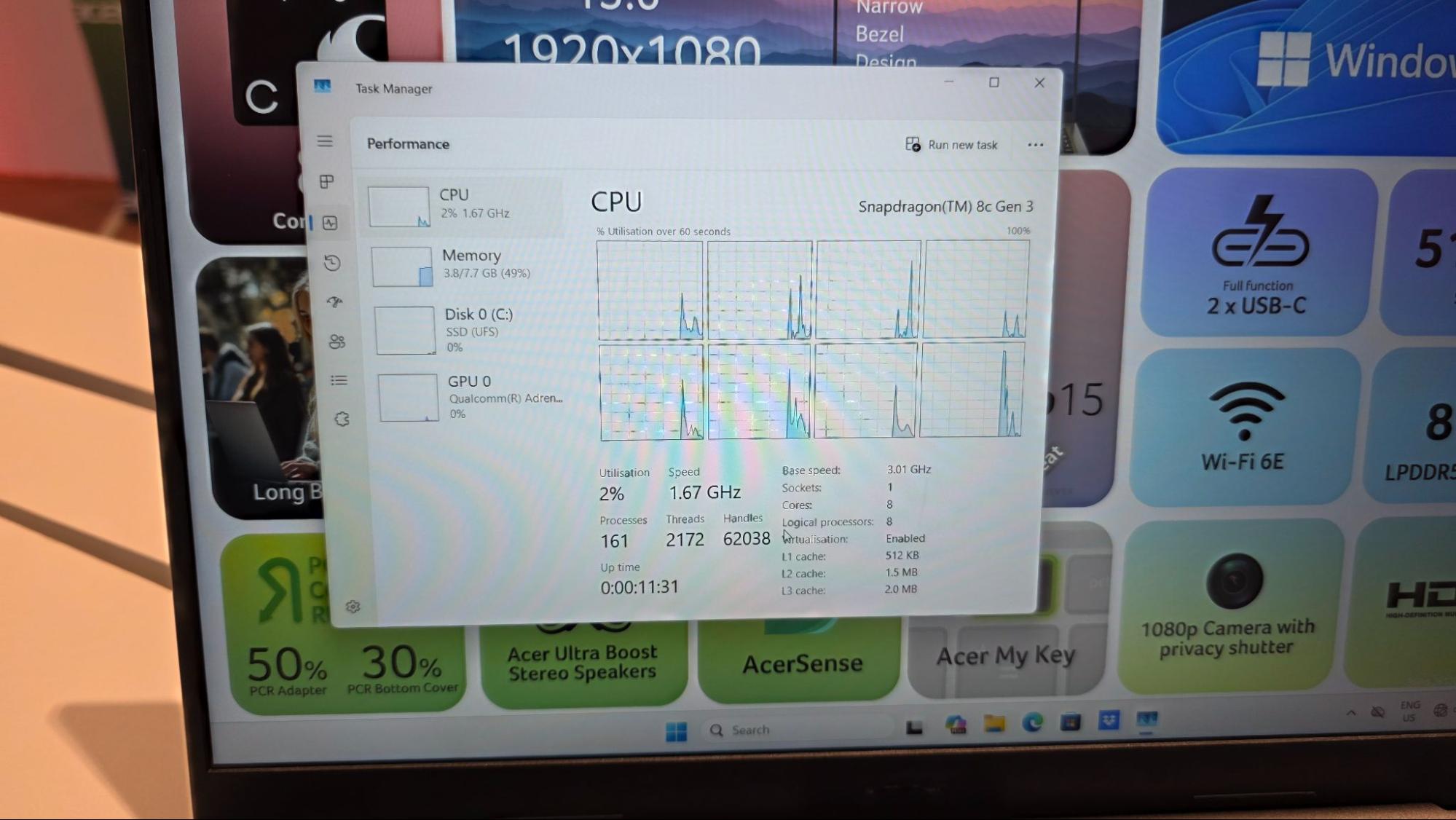
Intel’s hardware wasn’t the only target. The team also tracked the development of Qualcomm’s new Snapdragon C platform. In a classic example of "guerrilla journalism," Paul Alcorn managed to gain access to a demo unit that a Qualcomm representative was moving through the floor. By accessing the Windows Task Manager, the team was able to verify unreleased specs for the eight-core CPU and its associated GPU—details that are now being synthesized for our upcoming, in-depth technical analysis.
Midnight Oil and Global Briefings
The schedule for a tech journalist at Computex is rarely confined to daylight hours. With global headquarters in different time zones, briefings are often scheduled at inconvenient hours for the press.
"I’ll be writing up those details tonight while waiting for Nvidia’s pre-brief," Alcorn noted. "It’s scheduled for 12:30 am local time. That’s going to make for a long day tomorrow." This pattern held true for Graphics Senior Analyst Jeffrey Kampman, who balanced an embargoed review with a midnight briefing before attending CEO Jensen Huang’s keynote the following morning.
Supporting Data: The Current Landscape of Hardware
As the industry converges on Taipei, the focus of 2026’s hardware cycle is beginning to sharpen. We are seeing a distinct shift in priorities for the major silicon players.
- Handheld Gaming Evolution: The focus has moved from merely running games to maintaining high-fidelity, high-frame-rate experiences at native resolutions. Intel’s G3 Extreme is currently the benchmark to beat in this category.
- AI-Integrated Computing: The persistent hum in the halls of the exhibition centers is the discussion of AI accelerators. Whether it is in mobile laptops or data center infrastructure, the "N1" and "N1X" platforms from Nvidia are driving the narrative.
- The ARM Challenge: Qualcomm’s aggressive expansion into the laptop space with the Snapdragon C platform suggests a mounting challenge to traditional x86 dominance in the thin-and-light category.
Official Responses and Industry Sentiment
While the "War Room" provides our internal view, the sentiment from the exhibitors themselves is one of cautious optimism. Acer, in particular, is leaning into the idea that consumers are ready for a more premium handheld experience.
When asked about the potential for market saturation in the handheld space, industry insiders point toward the "convergence of mobile and desktop." The goal is no longer to provide a "good enough" portable experience, but a seamless transition between a handheld, a docked workstation, and a high-end laptop.
However, not all news is positive. The logistical hurdles of the post-pandemic tech world remain, with some manufacturers citing supply chain complexities for the mid-range components that typically drive the volume of these product launches.
Implications: A New Era for Consumers
What does this mean for the average user? As we move through the week, the implications are becoming clear:
- Graphics and Performance: With the market currently lacking a "truly new" consumer graphics card launch, the focus is on the integration of existing high-end tech into smaller, more efficient form factors. The graphics landscape is shifting away from discrete desktop dominance and toward high-performance integrated and mobile solutions.
- The Price-Performance Gap: As Managing Editor Matt Safford noted, the excitement surrounding new hardware must be tempered by economic reality. As we move into the second half of 2026, the success of these products will depend on whether manufacturers can keep the price of "next-gen" performance accessible to the average consumer.
- The AI Pivot: The underlying architecture of the devices appearing at Computex this year is increasingly being built with local AI processing in mind. The "Nvidia N1" rumors suggest that by the end of this year, a standard laptop will be judged as much by its NPU (Neural Processing Unit) capabilities as by its raw CPU clock speed.
Looking Ahead
As the sun sets on Day 0 in Taipei, the city is a hive of activity. For our team, the exhaustion is palpable. Matt Safford reported walking nearly 13 miles between Metro stops and digital plazas in a single day—a microcosm of the effort required to cover an event of this scale.
Yet, the work continues. The next 48 hours will see the formal unveiling of several major products, the testing of prototypes, and the synthesis of thousands of words of technical analysis. The "War Room" is just getting started.
Stay locked in to Tom’s Hardware Unfiltered throughout the week. We will continue to bring you the real-time, ground-level perspective on everything that happens at Computex 2026—the breakthroughs, the hiccups, and the innovations that will define your PC experience for the year to come. Whether it’s the latest in handheld gaming performance or the next evolution of graphics architecture, we are here, in the heart of the action, to make sense of the noise.

 Nana Wu
 Ammar Sabilarrohman